The Problem
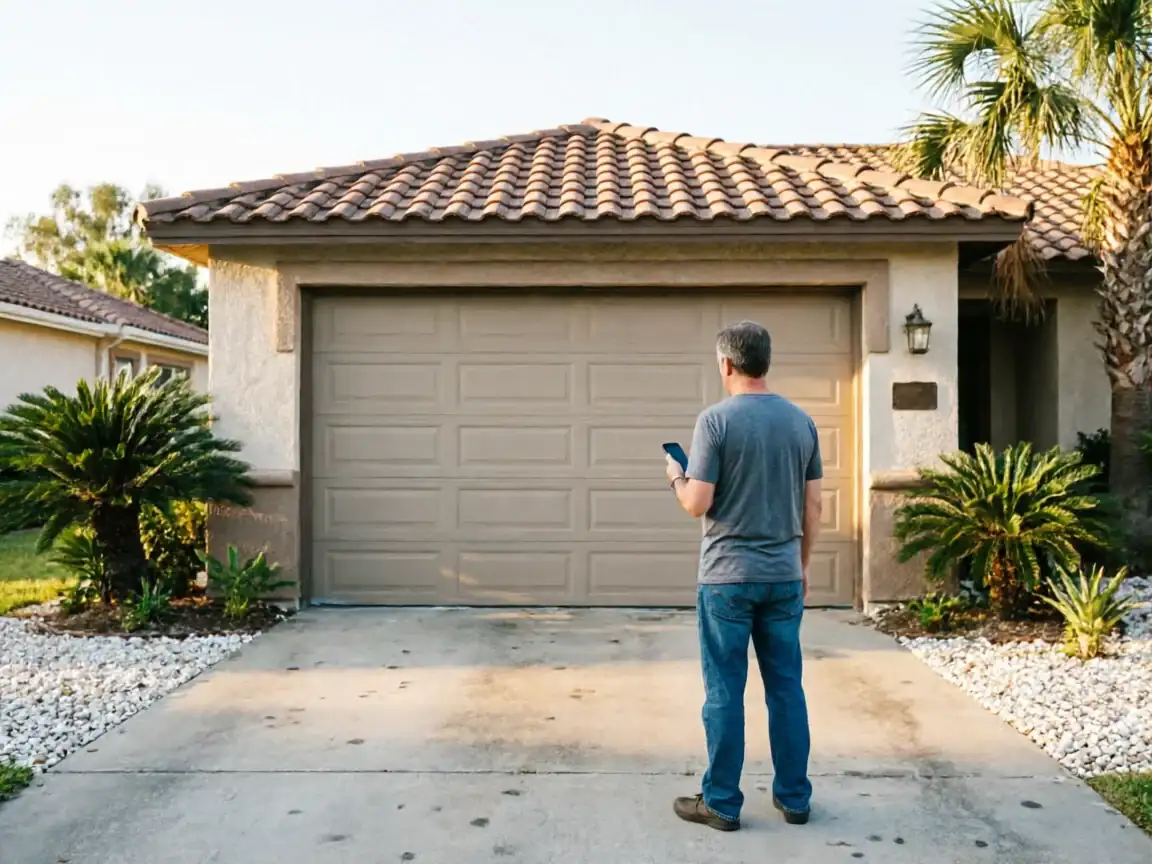
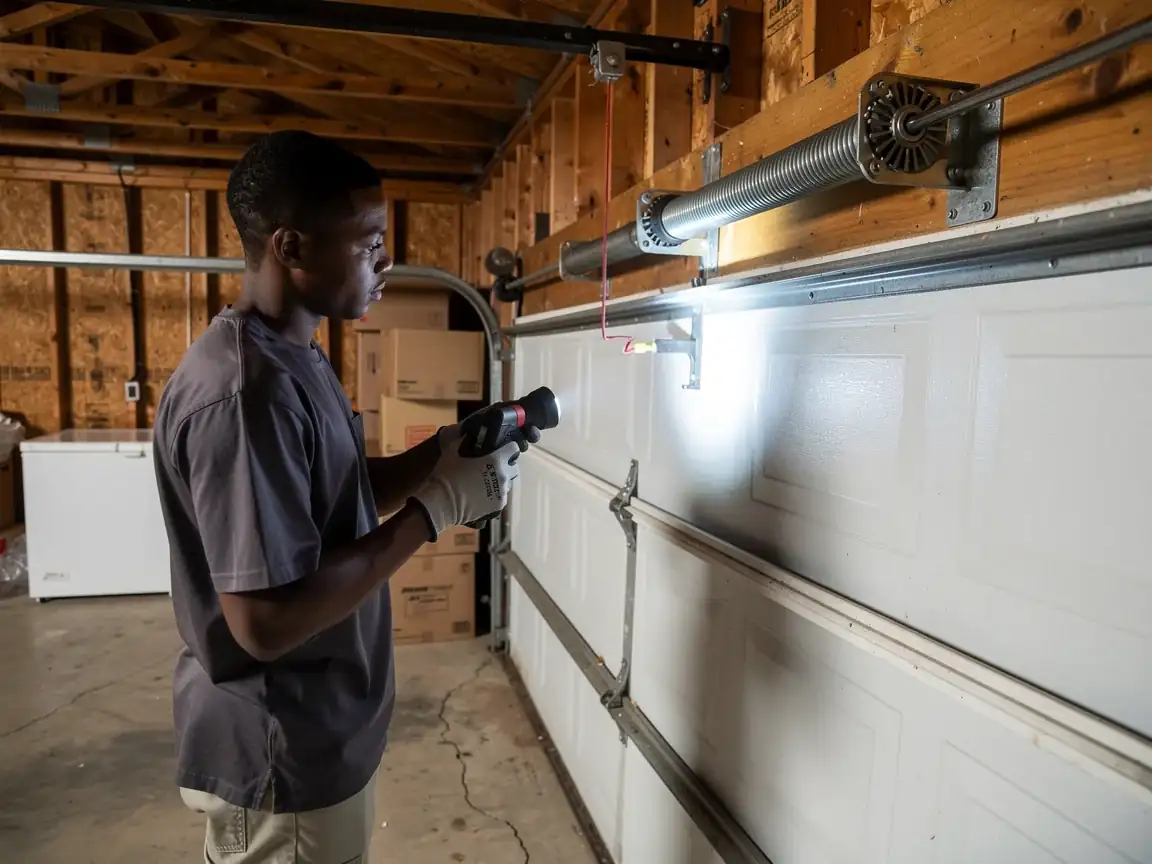
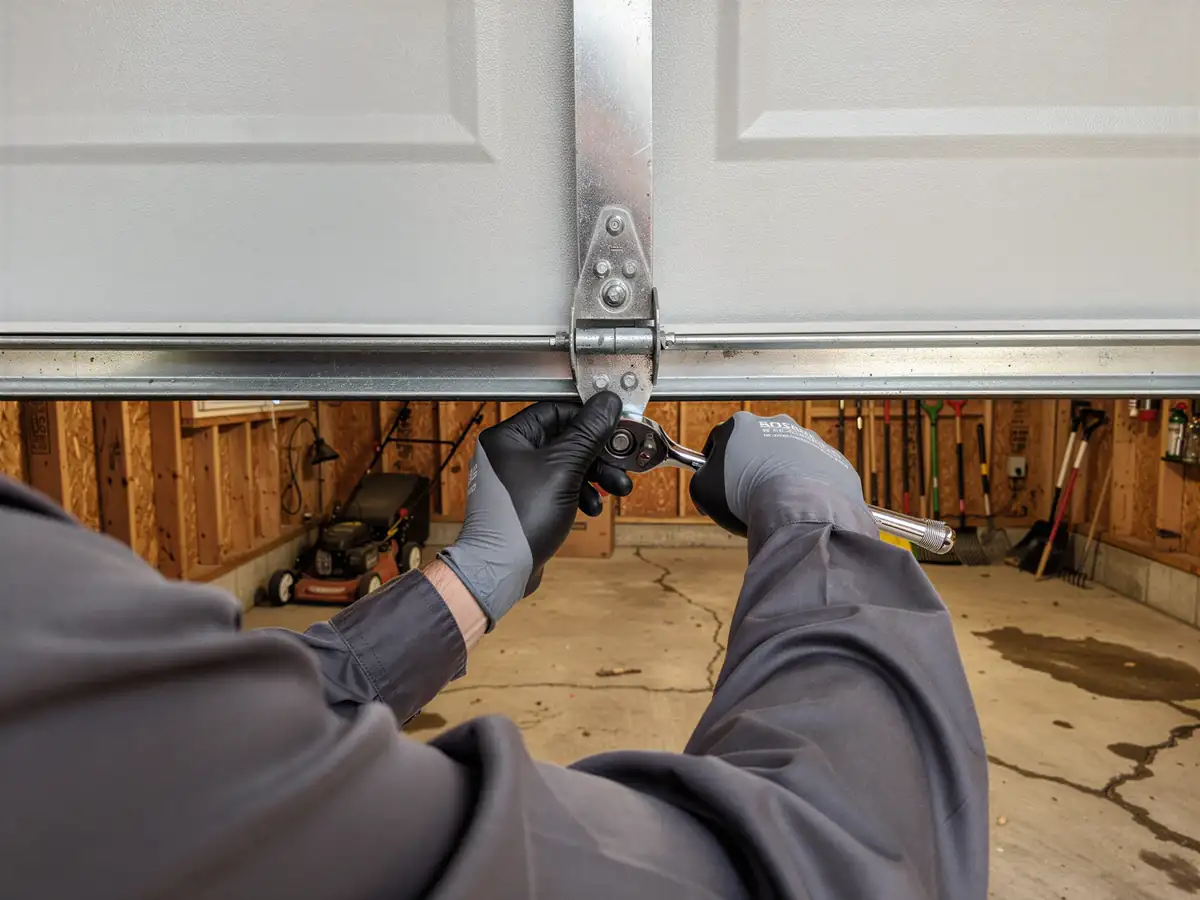
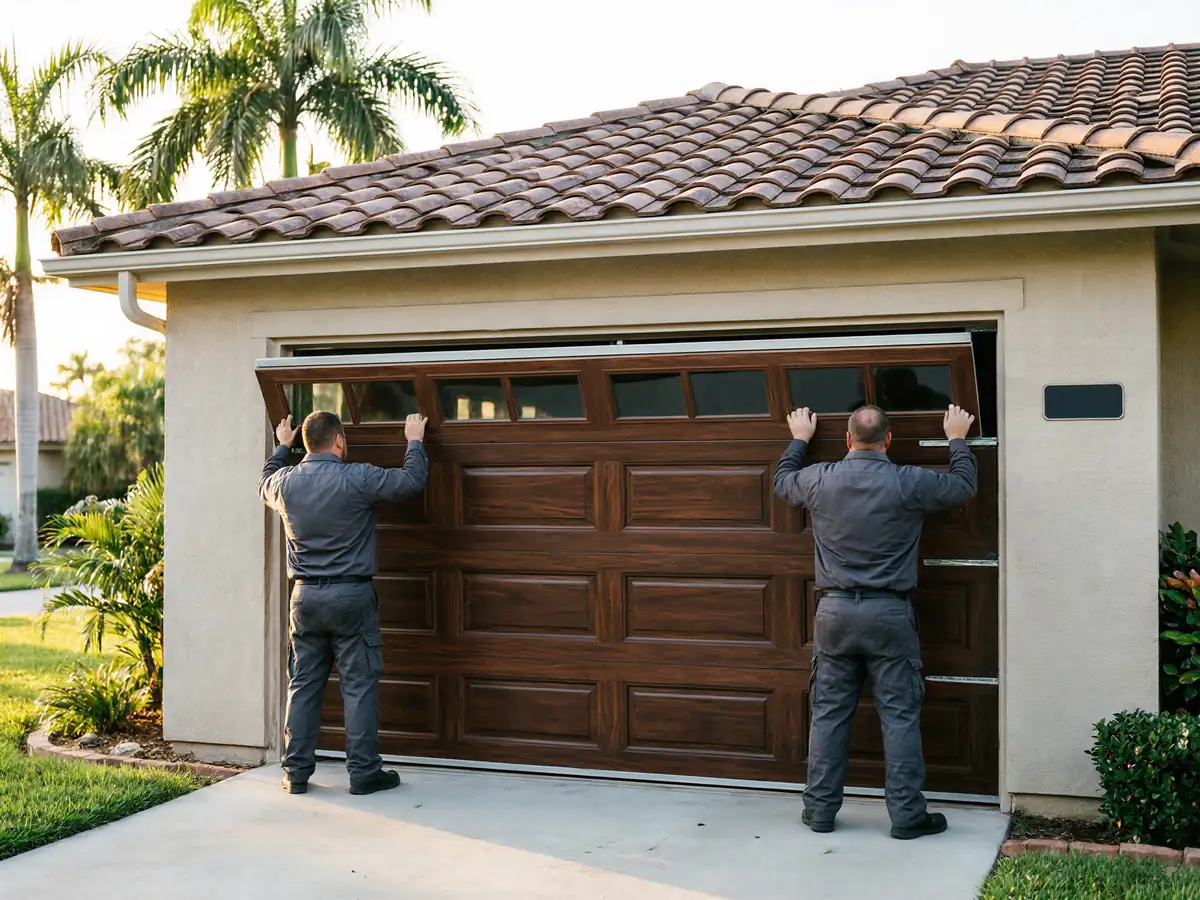
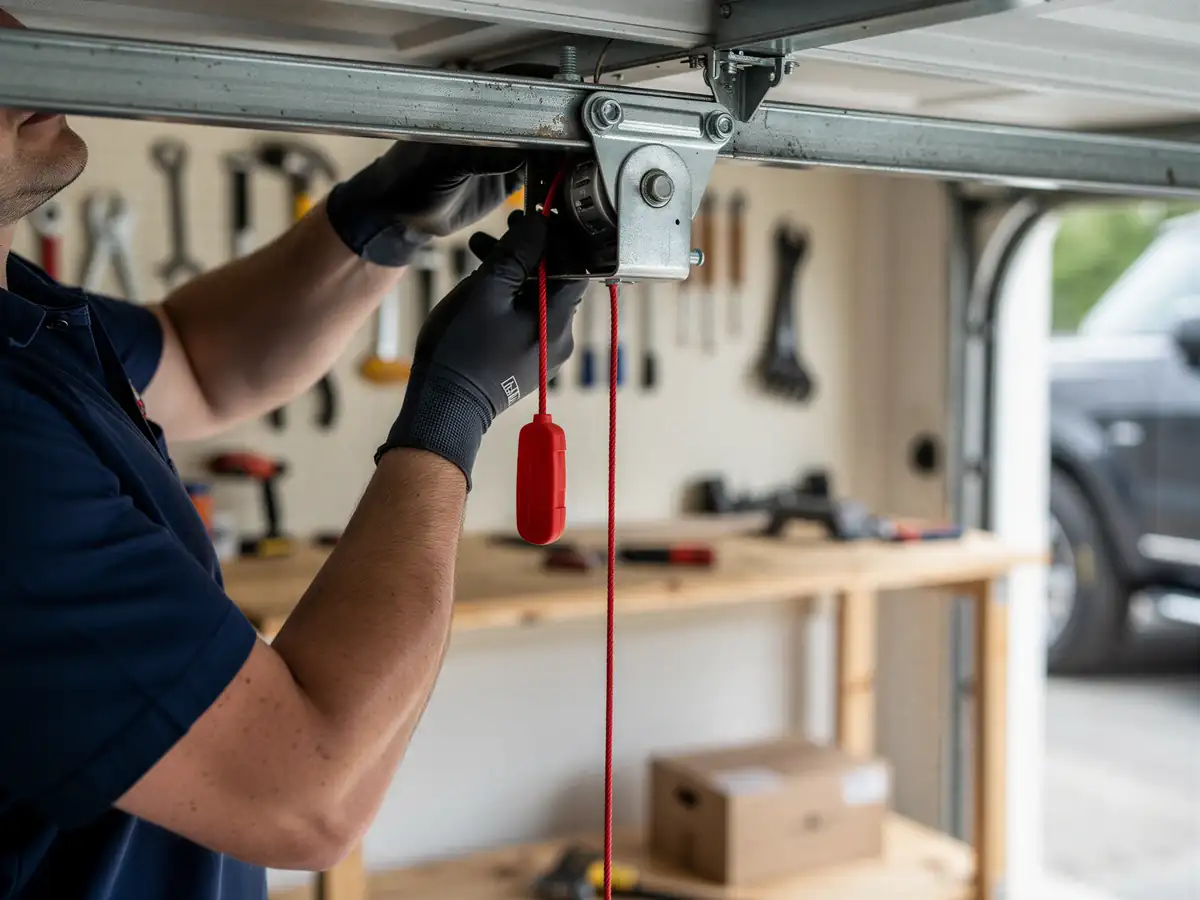
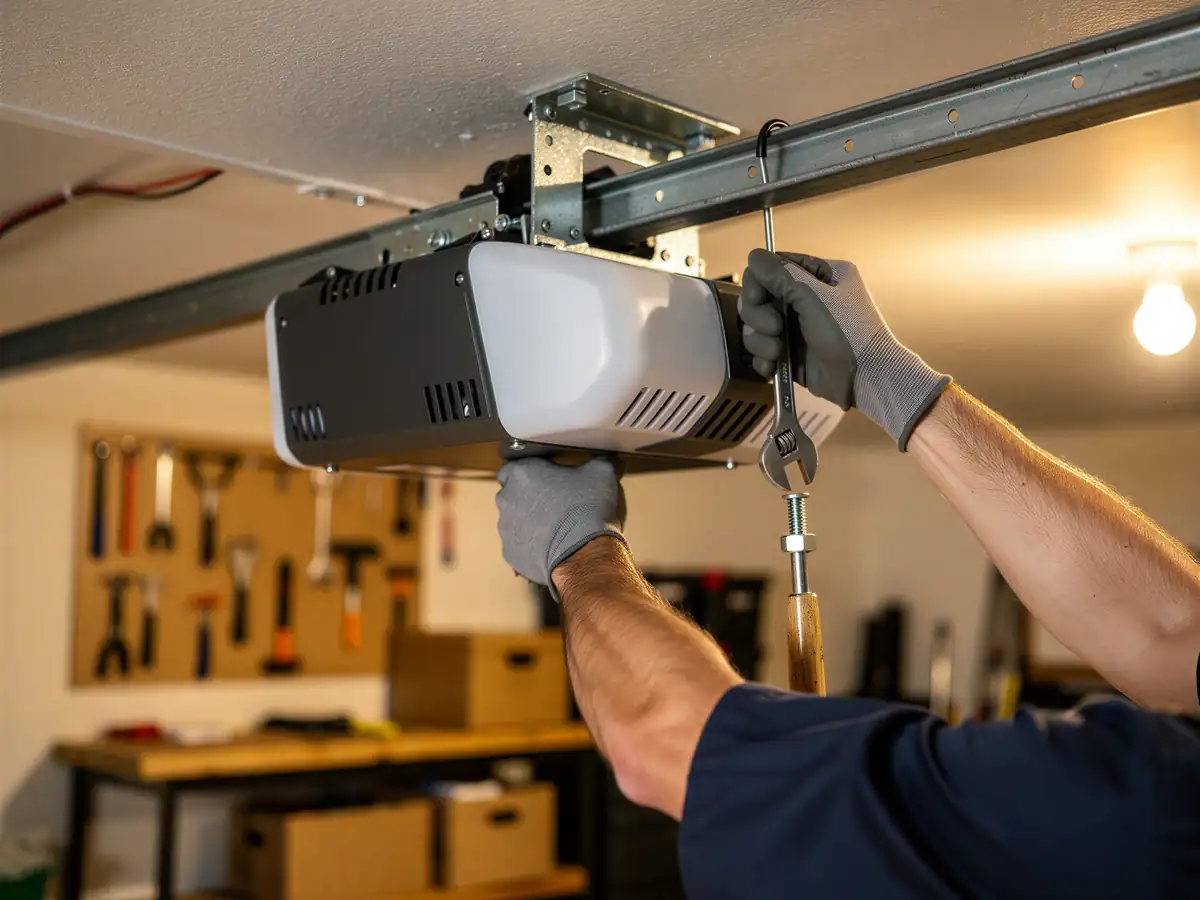
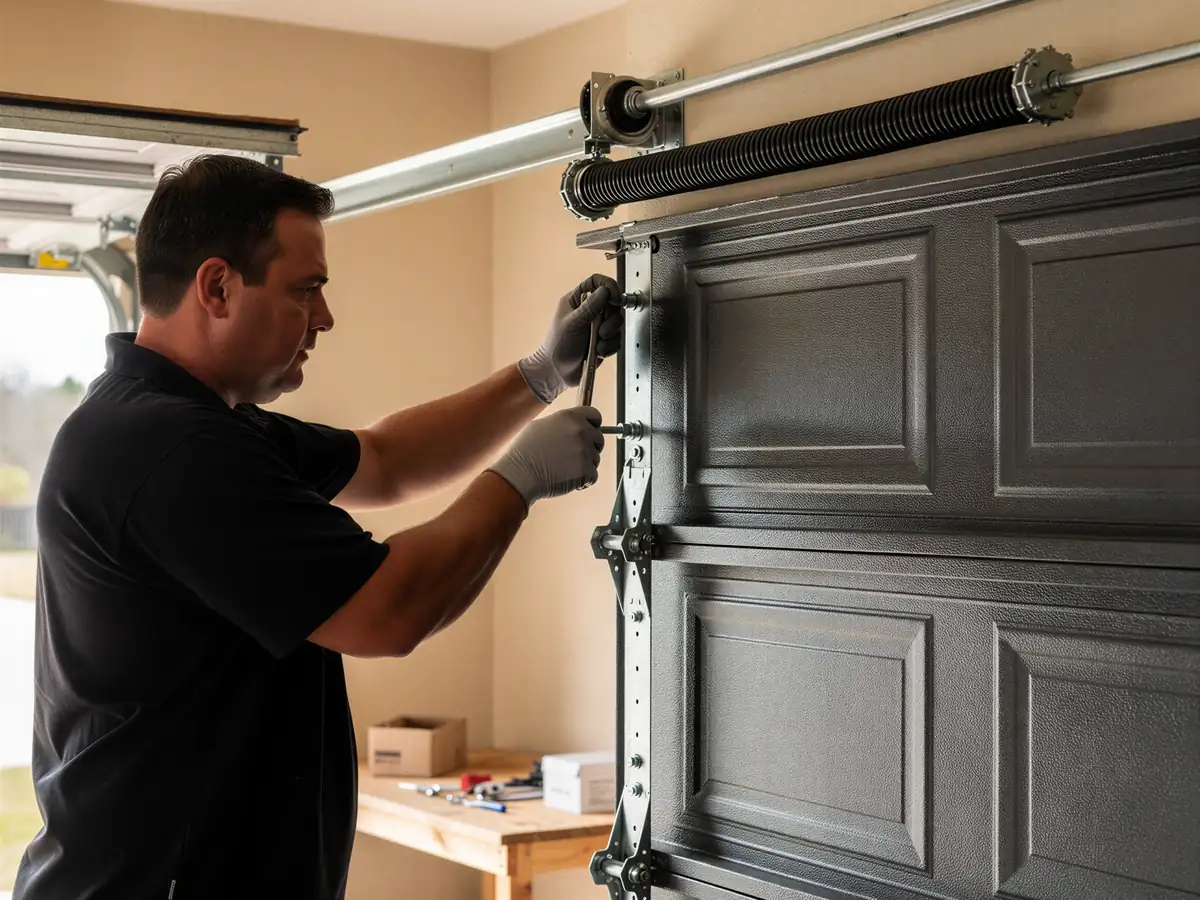
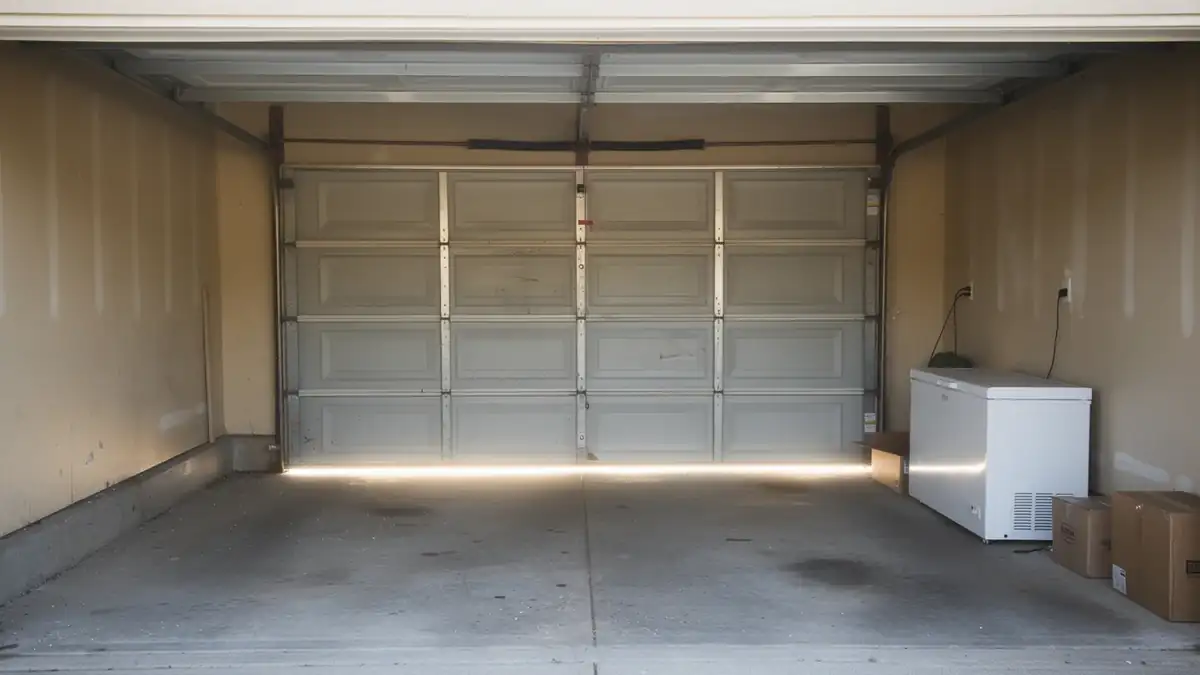
Walk through the older sections of Boynton Beach - the neighborhoods built in the 1960s and 70s that make up most of the housing stock here - and you'll find a lot of single-layer steel or aluminum doors hung on hardware that was never built to insulation standards. Those doors on houses built before insulation rules weren't designed with a thermal break, so the panel itself is thin, the track tolerances are loose, and the springs were sized for a lighter door than what often gets bolted on during a later swap. When a homeowner replaces an old door with a heavier insulated one but keeps the original track and opener, the opener strains and the rollers wear faster than they should. We see this pattern across the service area, not just one block - it's a function of when the houses were built, 1965 to 2005 with a median around 1977, not bad luck. The failure mode is almost always the same: a spring that's been carrying more weight than it was rated for, or a track that's slightly out of square because the door it was built for is long gone. None of this is dramatic. It's slow wear that ends in a door that won't open one Tuesday morning.
What It Costs
We're not going to throw a number at you that doesn't match your door, because the range here is wide and it depends on what's actually wrong - a spring job is a different animal than a full door and track replacement. What we can tell you is what drives the cost in this area specifically: houses from the 1965-2005 era often need non-standard track brackets or heavier springs if a previous owner upgraded to an insulated door without touching the opener, and that mismatch is common enough here that it's worth checking before you assume a repair is simple. Newer openers paired with old tracks is another recurring mismatch. If your door was installed anywhere near the median build year of 1977, assume the hardware behind the door is original or close to it, and that changes what a fair repair looks like. We'll tell you straight if a repair isn't worth it compared to replacing the door outright - on a door that old, patching one part while the rest is near the end of its life isn't always the better deal.
What Local Conditions Do
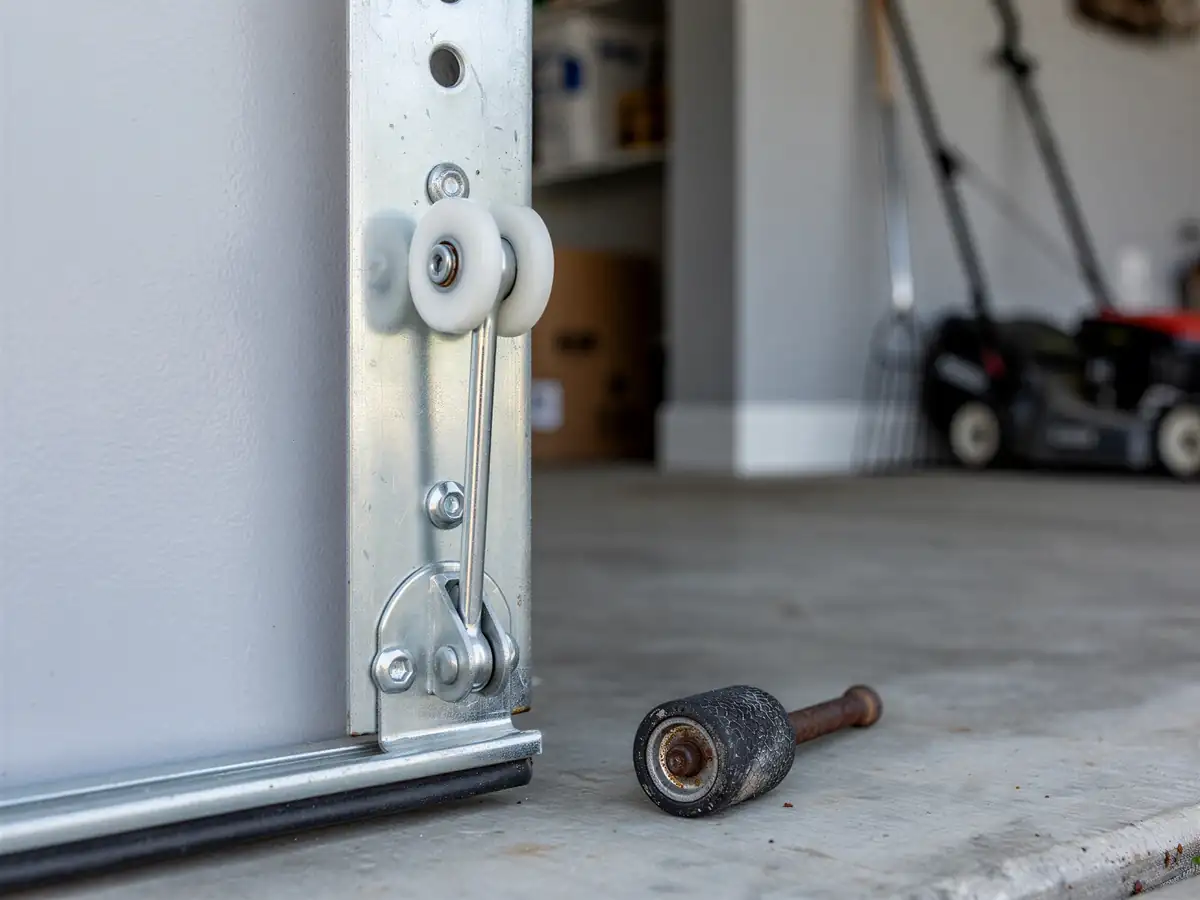
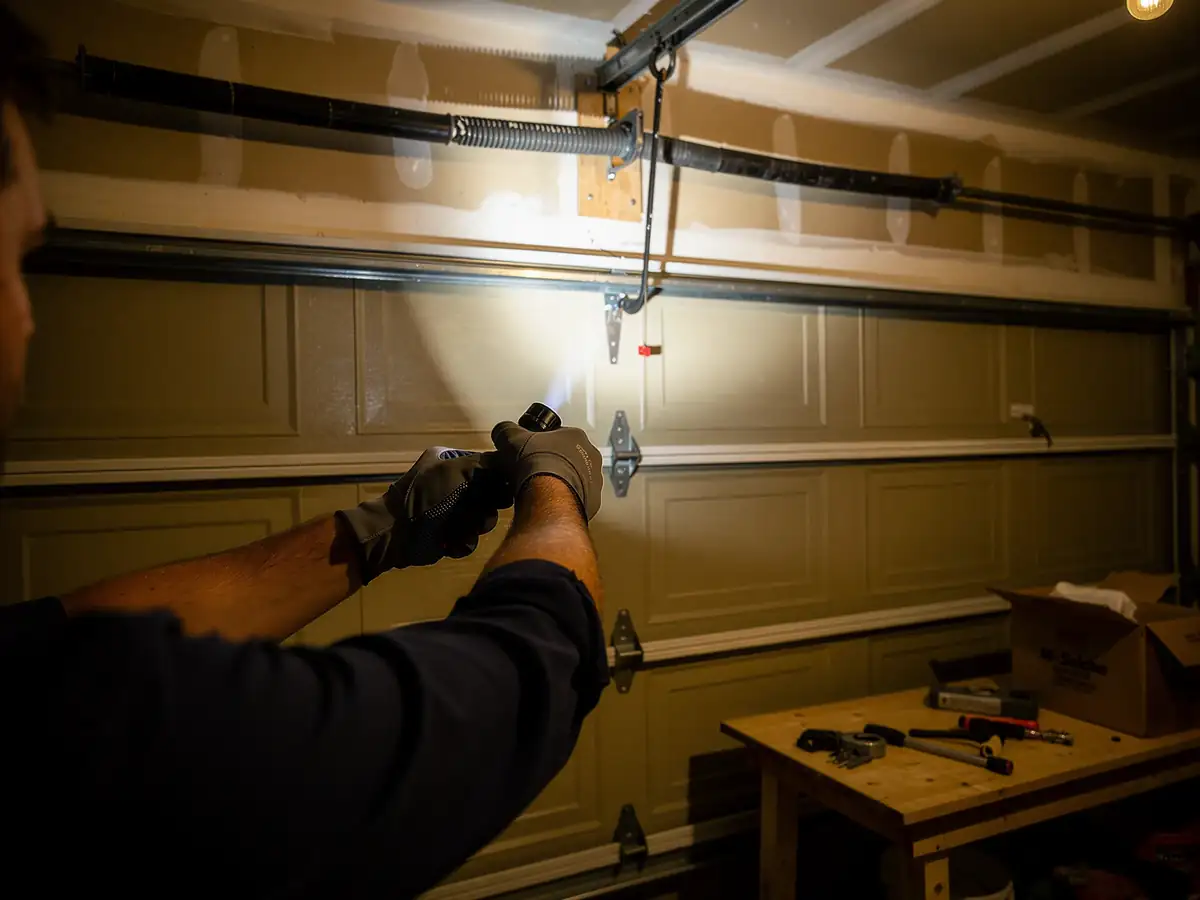
The mild temperate climate here means Boynton Beach garage doors aren't dealing with ice damage or hard freeze cracking, which is a real break compared to a lot of the country. What it does mean is steady humidity and salt air working on hardware year-round, especially the closer you are to the coast - areas like Ocean Ridge and Golf, both about 2 miles out, and Manalapan and Lantana at 4 miles, sit close enough to the water that galvanized hardware and springs show corrosion sooner than the same parts would inland. That's less about any one storm and more about constant exposure wearing fasteners and spring coils over years. Combine that with housing stock that runs 1965 to 2005, median 1977, and you get a specific failure pattern: original or near-original hardware, corroded by slow coastal exposure, carrying loads it wasn't sized for after an insulation upgrade somewhere along the way. It's not a dramatic climate story. It's a steady one, and it shows up as hardware that looks fine until the day it doesn't.