Booking a Visit
We run maintenance visits across the whole service area out of Boynton Beach, which stretches from Ocean Ridge and Golf about two miles out, through Manalapan, Lantana, and Atlantis, and as far as Royal Palm Beach and Lake Park. If your street falls inside that stretch, you're on the route.
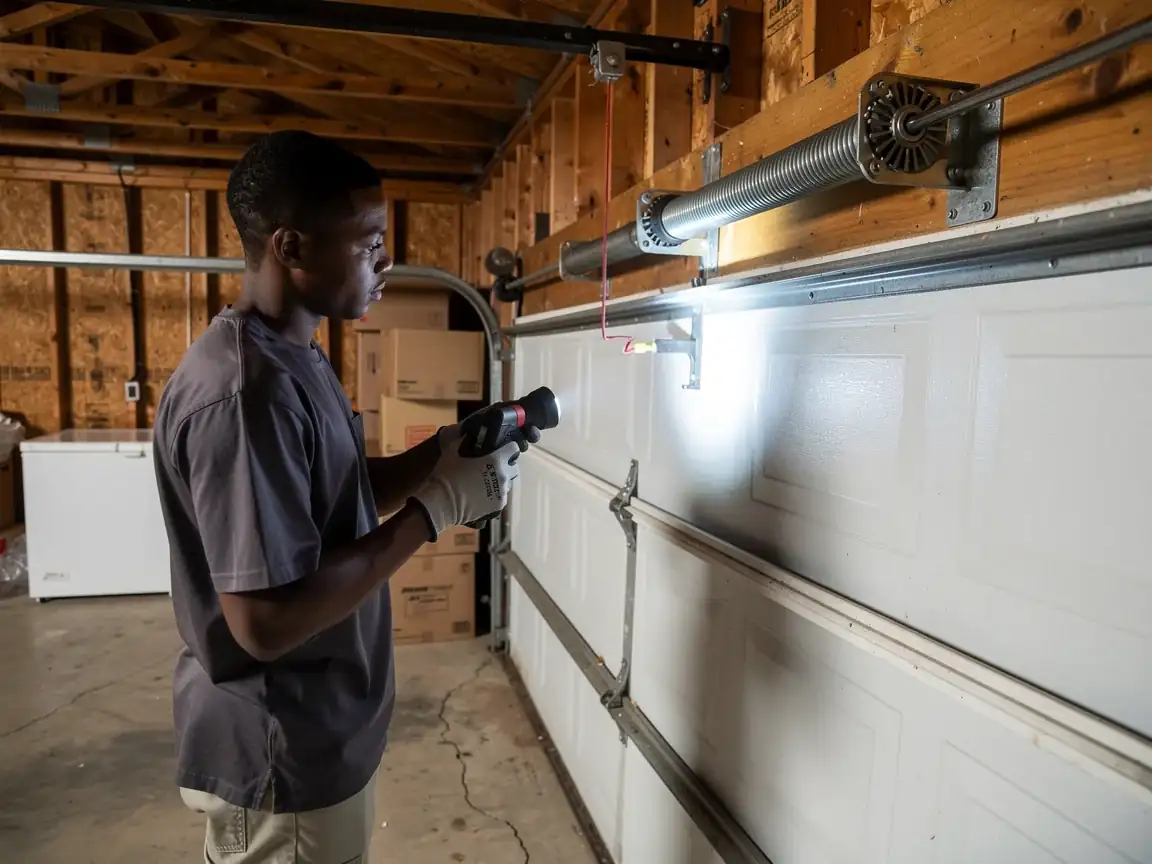
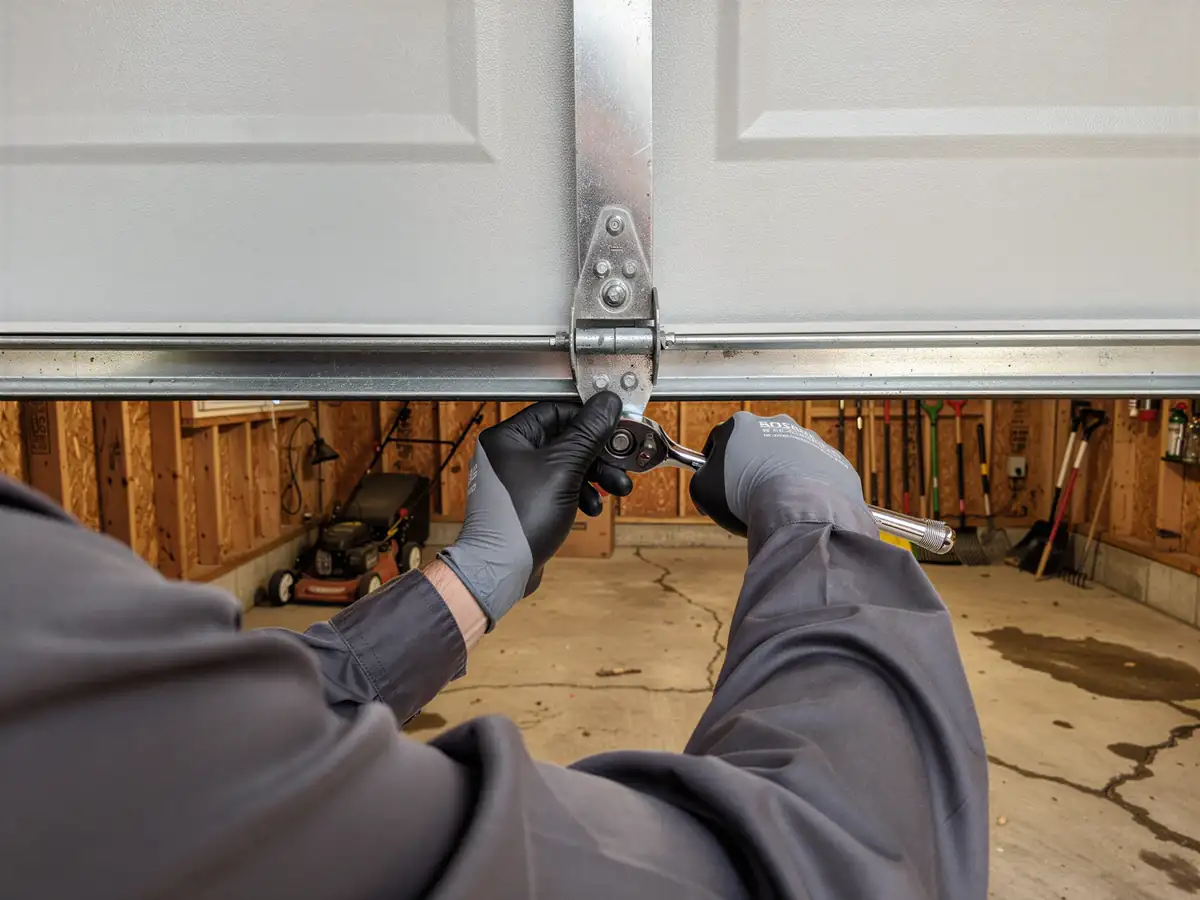
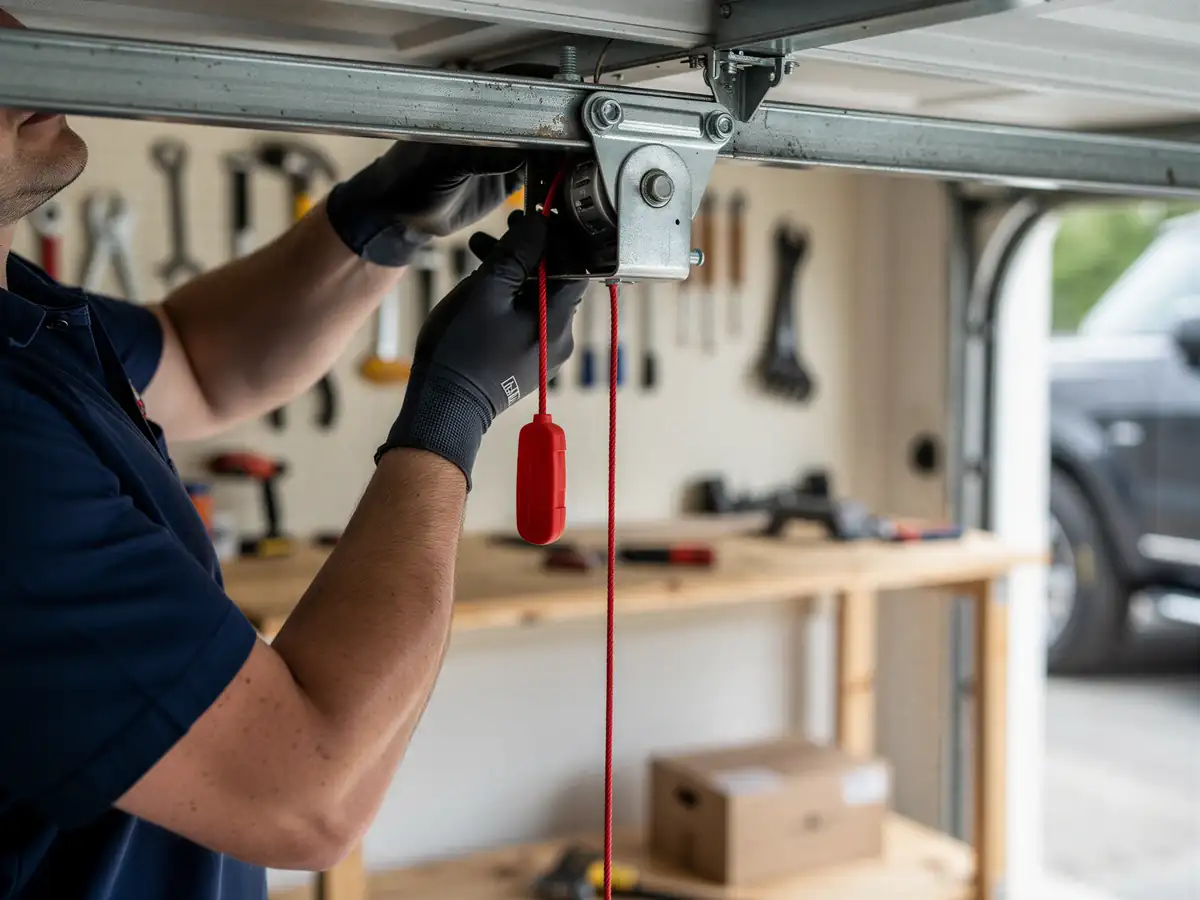
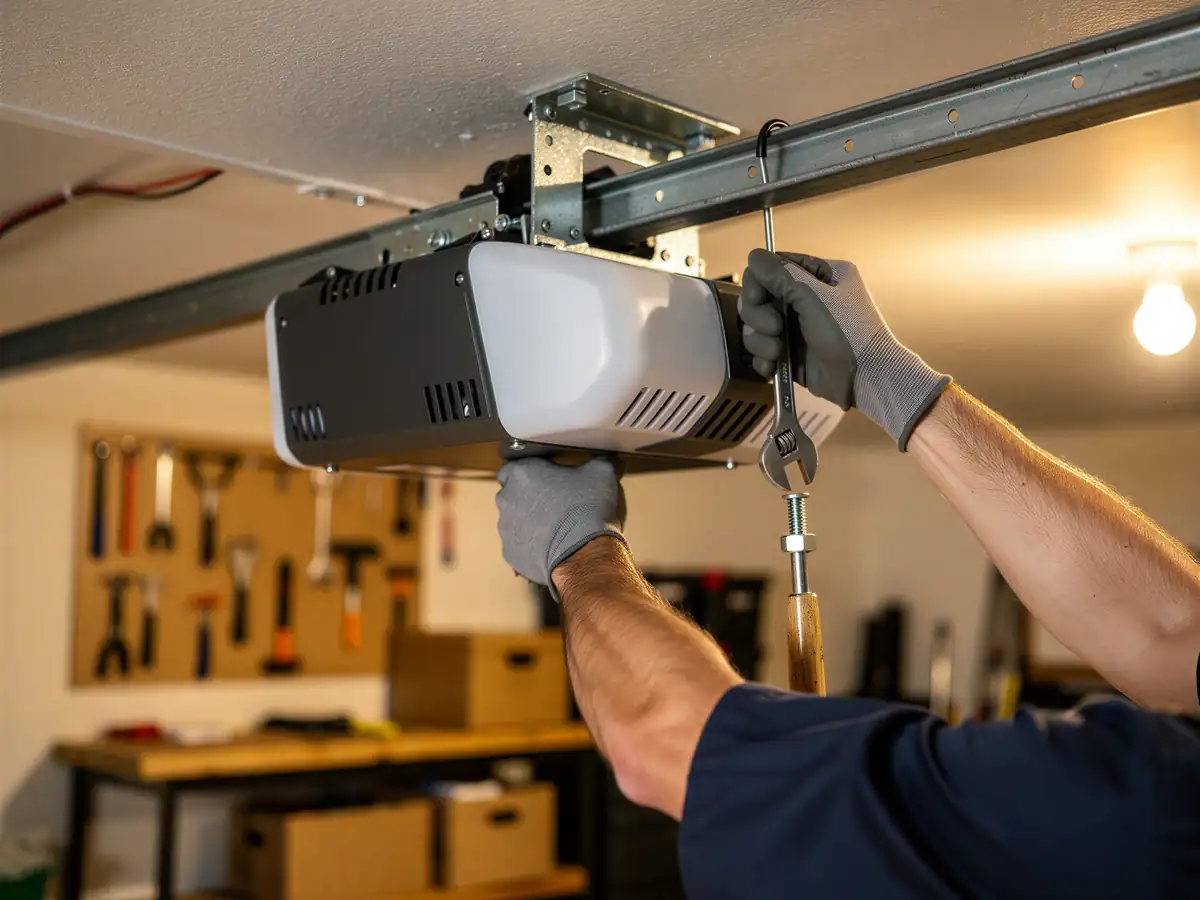
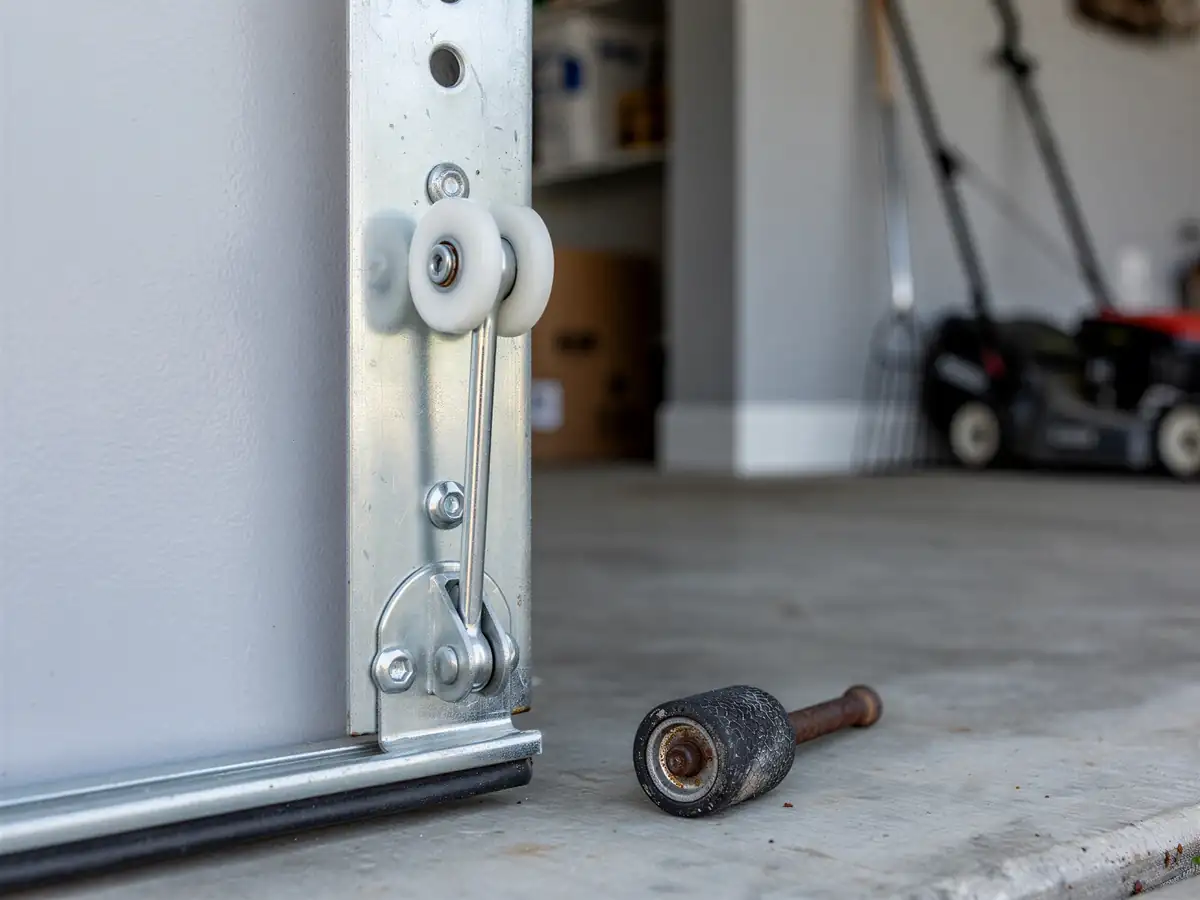
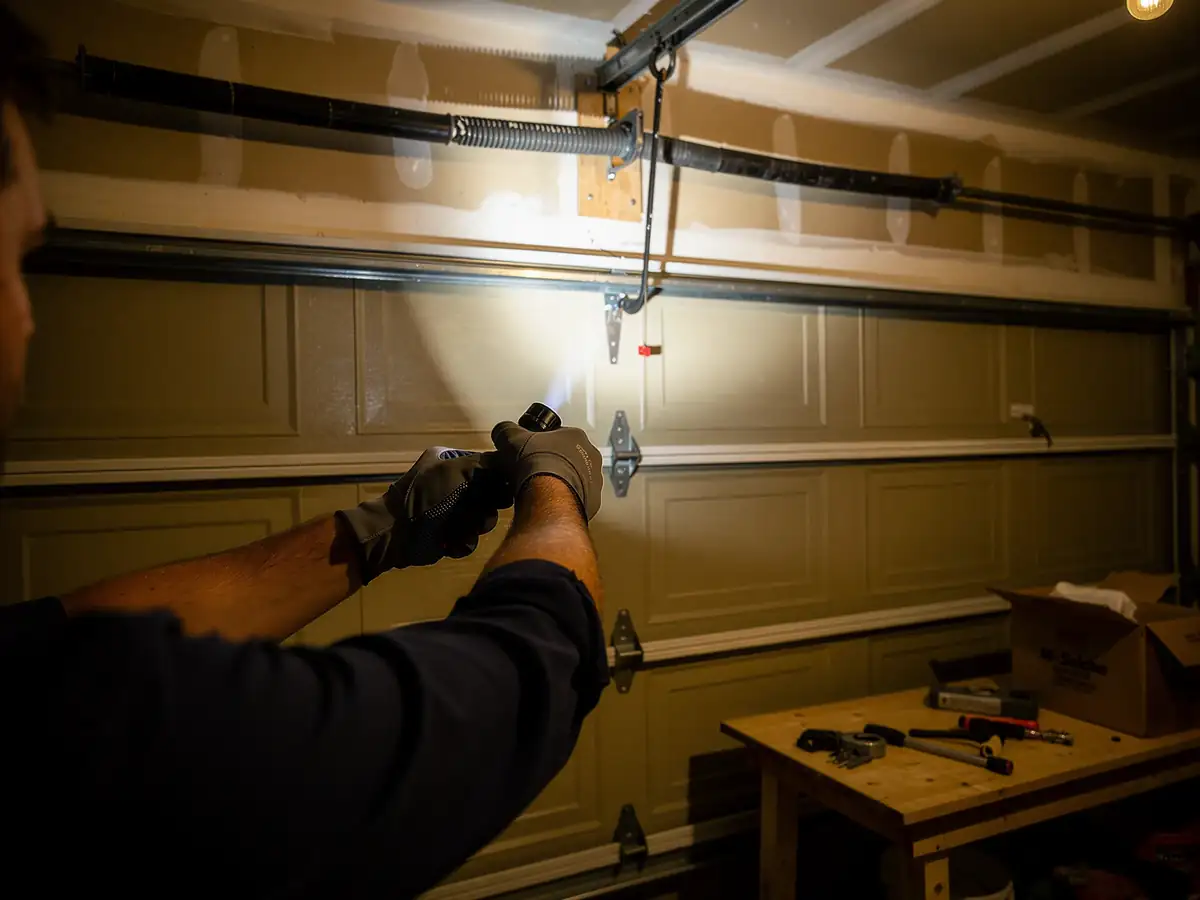
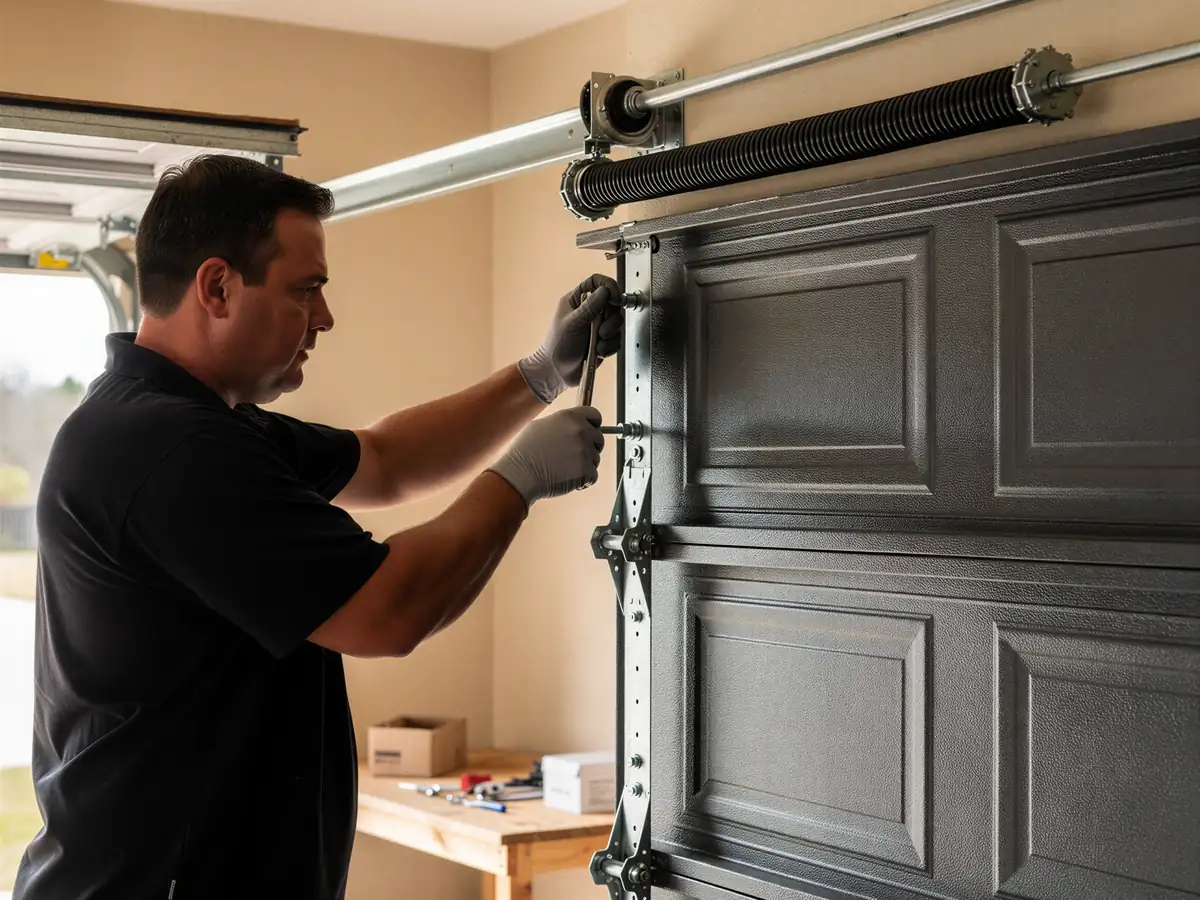
A visit is straightforward: we check spring tension and wear, lubricate rollers and hinges, inspect cables and the bottom bracket, test the opener's force and travel limits, and tighten the track mounts that work loose over time. We'll point out anything that's close to failing so you can decide whether to fix it now or wait.
We book these the same way as a repair call - by phone, with a window for the day rather than an exact hour, because the job ahead of yours sometimes runs long. If a spring or cable looks like it's at the end of its life during the visit, we'll tell you plainly instead of just greasing past it and leaving. That's part of what you're paying for.
For homeowners managing more than one property across these towns, the same tune-up scope applies at each address - hardware ages on its own schedule depending on when the house was built, not on a calendar.
What It Costs
We're not going to put a number here that isn't accurate for your door, because the honest answer is that it depends on size, spring type, and how much the opener needs adjusting. A single door with original hardware takes longer to service correctly than a newer double door with nylon rollers already installed.
What we can tell you: a maintenance visit costs less than a spring replacement call, and a spring replacement costs less than a full door replacement. The whole point of catching wear early is staying on the cheap end of that chain.
One limitation worth saying plainly: we don't quote maintenance pricing sight unseen over the phone beyond a starting range, because a door that looks fine from the driveway sometimes has a cable already fraying at the drum, and that changes the visit. We'd rather tell you in person than guess wrong on the phone and argue about it later.
Given a median household income of $92,325 across this service area, most of the owners we see treat a maintenance visit as routine upkeep, the same way they'd treat an AC service call, rather than something they put off until the door fails.
The Symptom
The pattern we see most is gradual, not sudden
A door that used to open quietly starts grinding on the way up. The opener strains a little longer before the light turns on. Rollers that once glided now catch at the same spot in the track every time. None of that stops the door from working, so it gets ignored for months.
Then one morning it doesn't open at all, usually because a torsion spring that's been losing tension finally lets go
Or a cable that's been fraying strand by strand snaps under the last bit of load. Both of those are maintenance failures, not surprise failures - they give warning for weeks before they quit.
The other common symptom is a door that looks fine but is badly out of balance
Disconnect the opener and lift it by hand, and it should stay roughly where you put it. If it crashes down or shoots up, the springs are compensating wrong, and the opener's been doing extra work to cover for it every single cycle.
Why It Happens Here
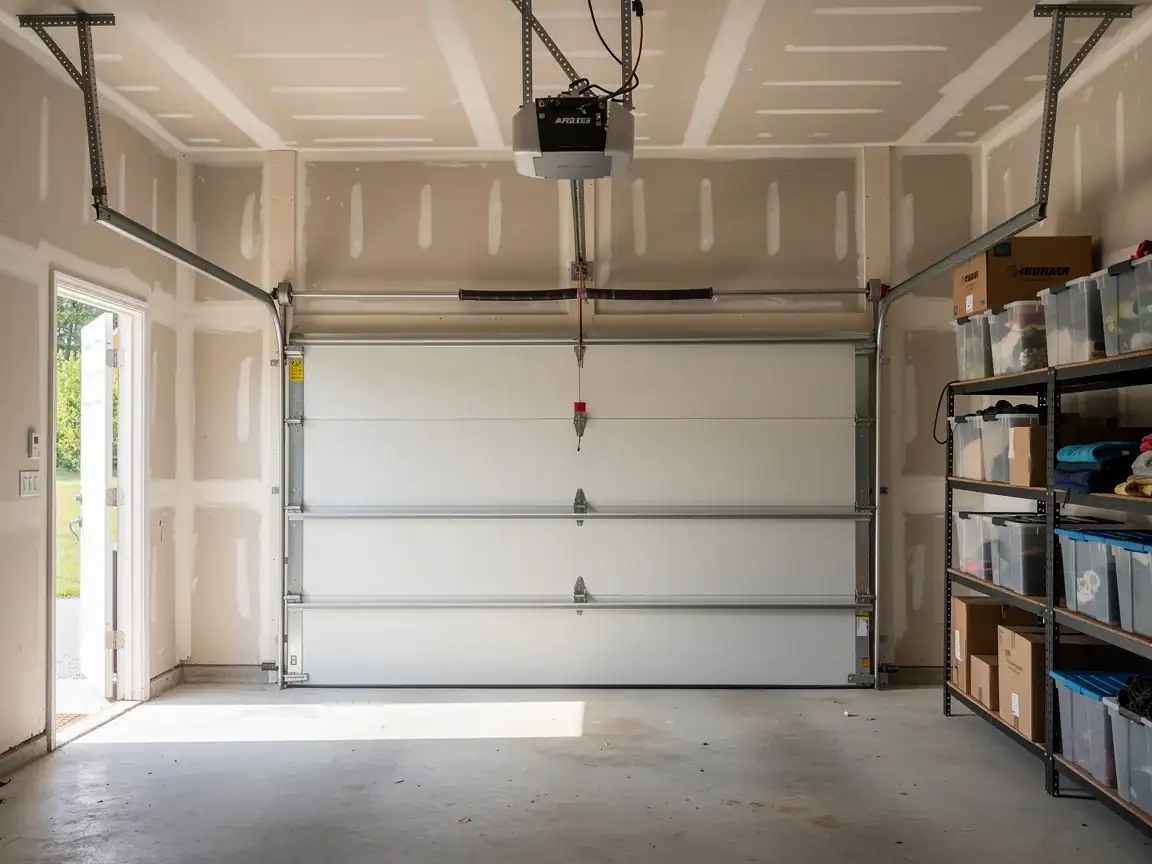
Housing across this market was mostly built between 1965 and 2005, with a median build year of 1977, and the twenty named areas we work in lean heavily 1960s and 70s construction. That means a lot of the original torsion hardware - springs, drums, bearing plates sized to specs from that era - is now well past the point anyone expects springs to last, even with reasonable care.
The climate here sits in a mild temperate band, so we don't get the hard freeze-thaw swings that crack bearings and seize hinges the way colder regions do. That's a point in this area's favor. But it also means owners don't get the same obvious seasonal cue - a door that won't budge on the first cold morning - to prompt a maintenance call. Wear here is steady and quiet instead of sudden and dramatic, which is exactly why it goes unnoticed until the spring finally lets go.
Across 149,301 households and 57,714 owner-occupied houses in the service area, the repeat pattern is consistent: original-era hardware, steady year-round use with no winter break, and no weather event forcing the issue. That combination is why a scheduled tune-up matters more here than the absence of extreme weather would suggest.