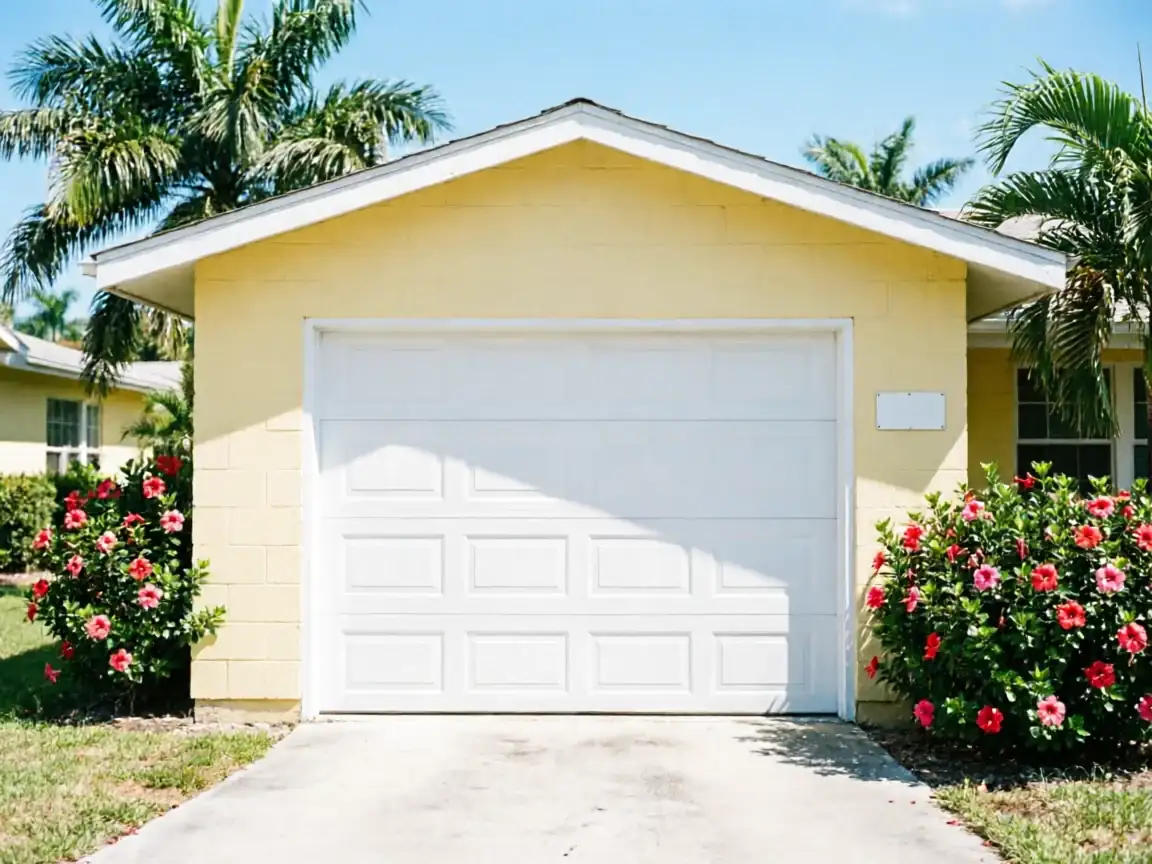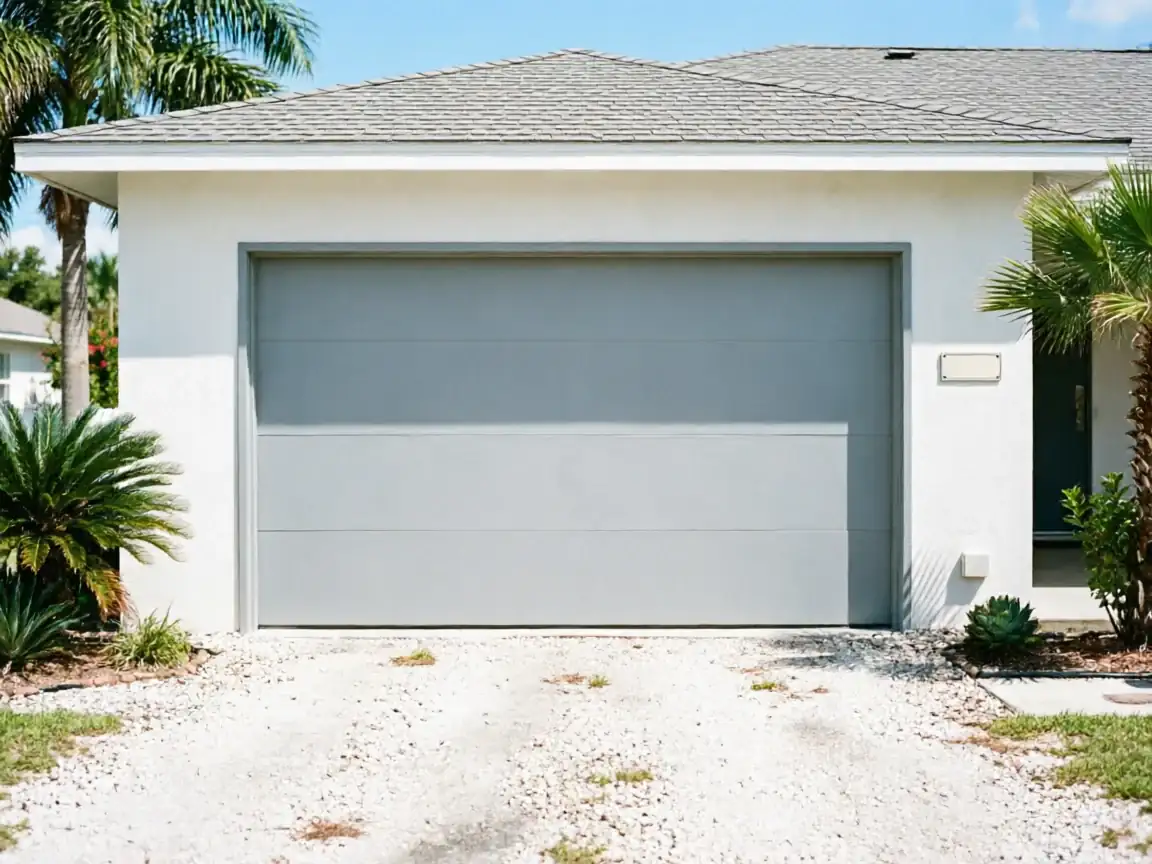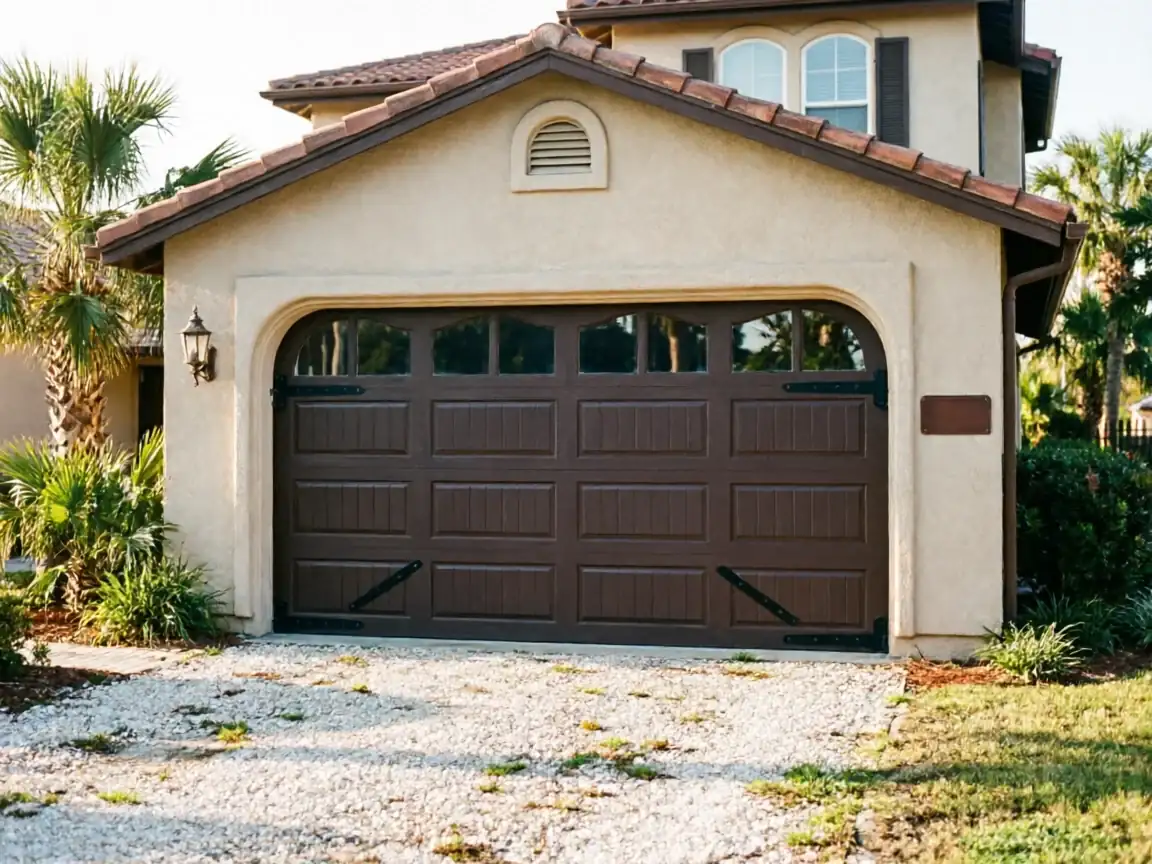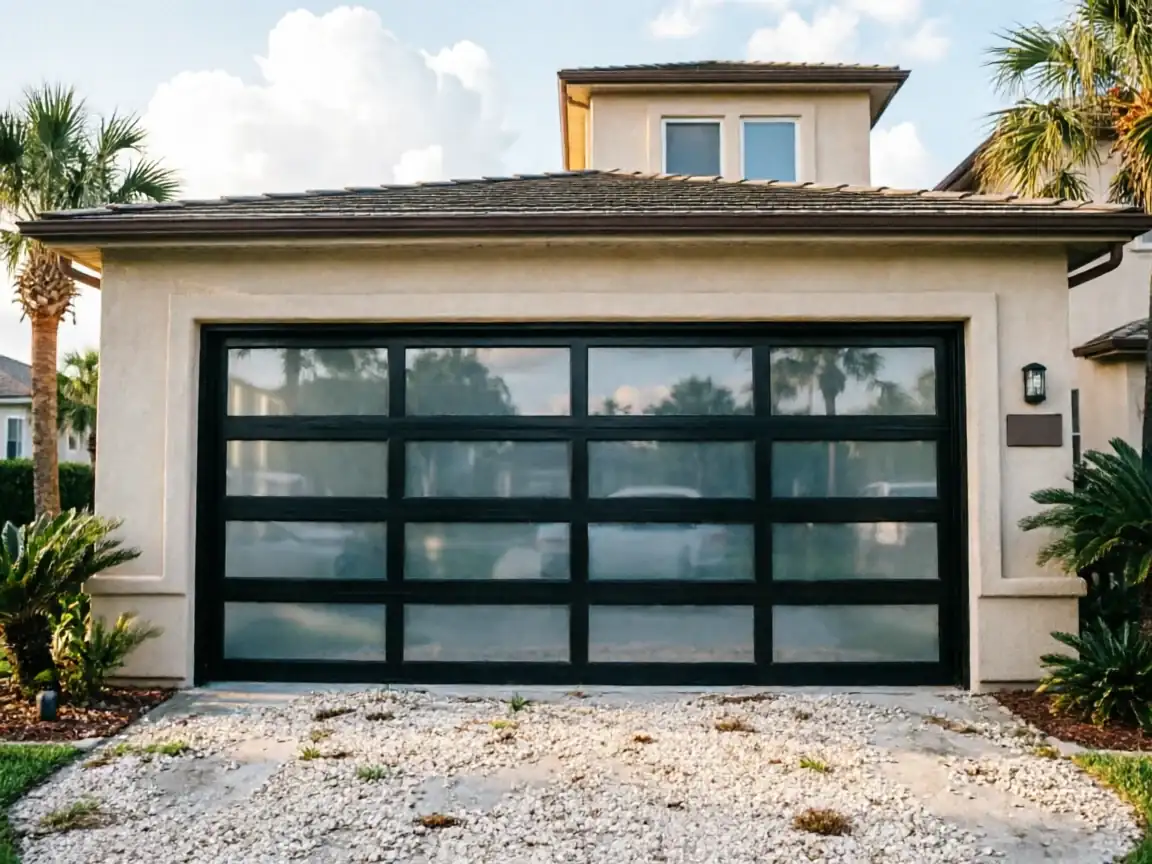
Older vs Newer Streets
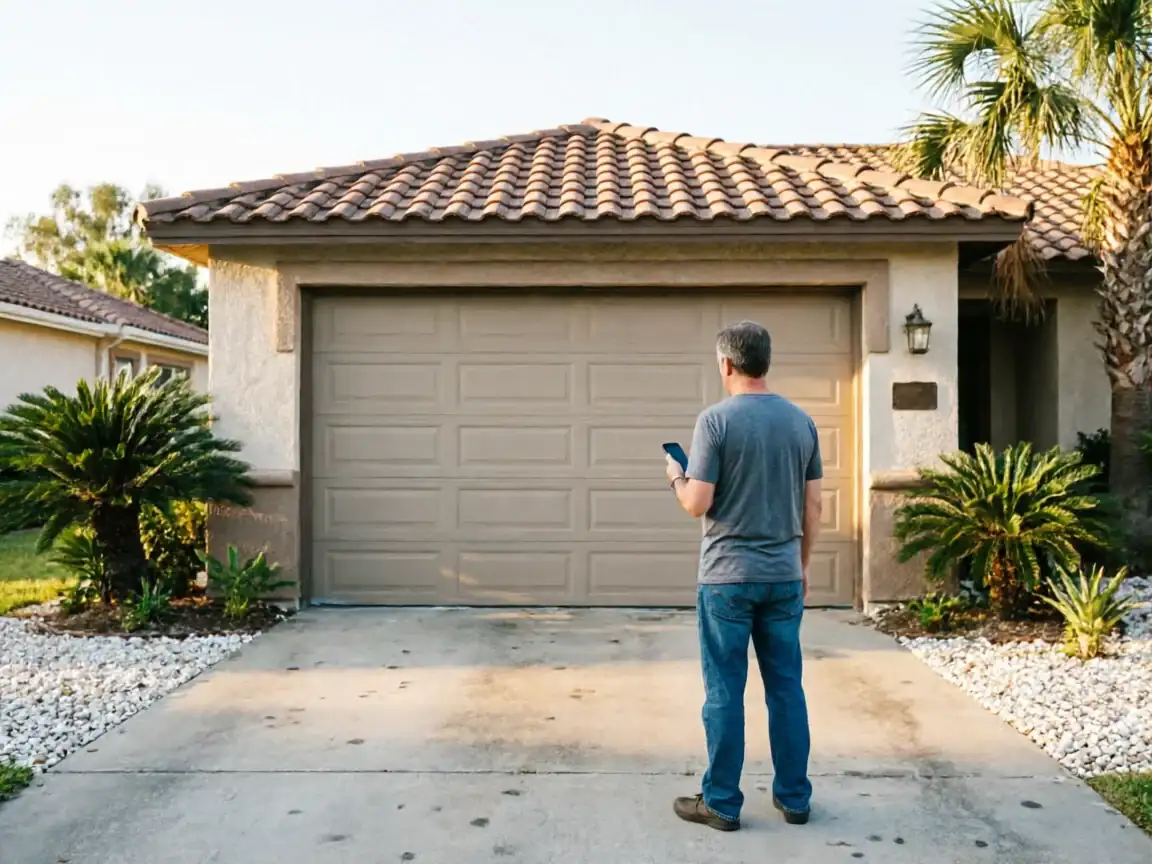
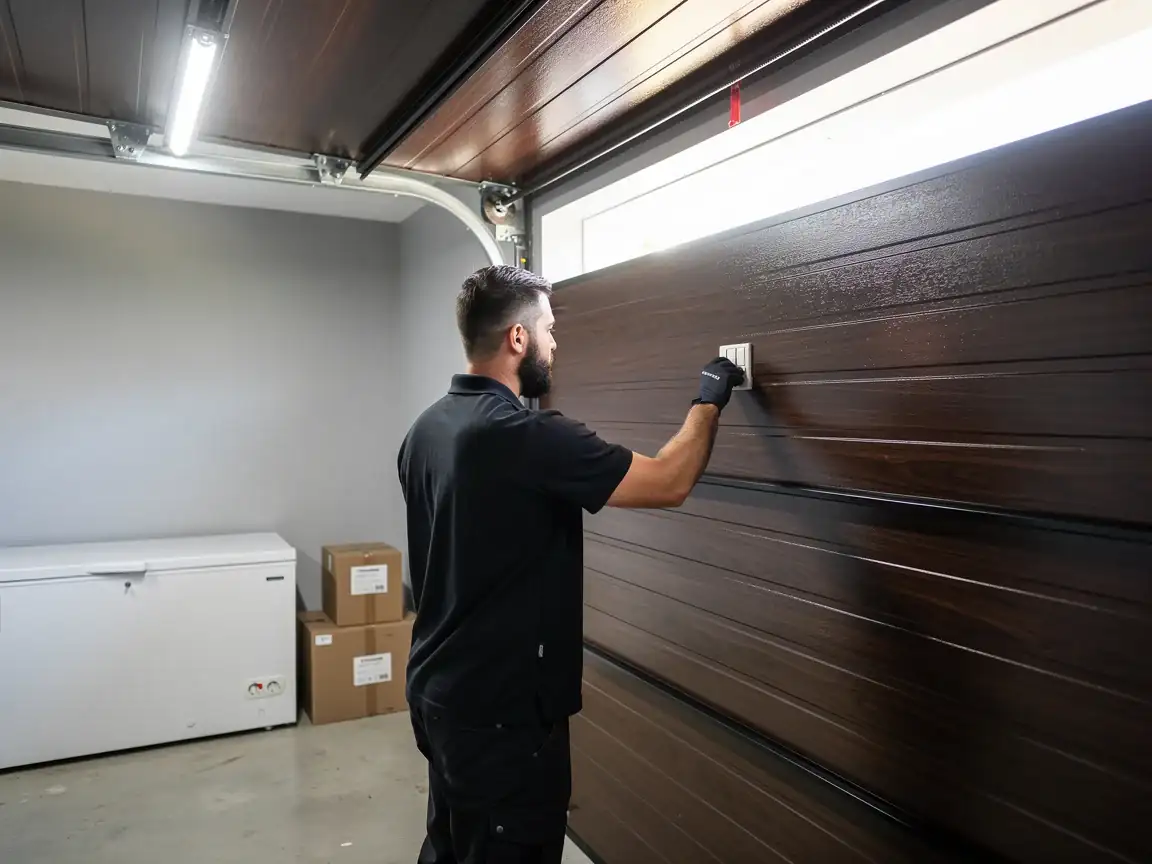
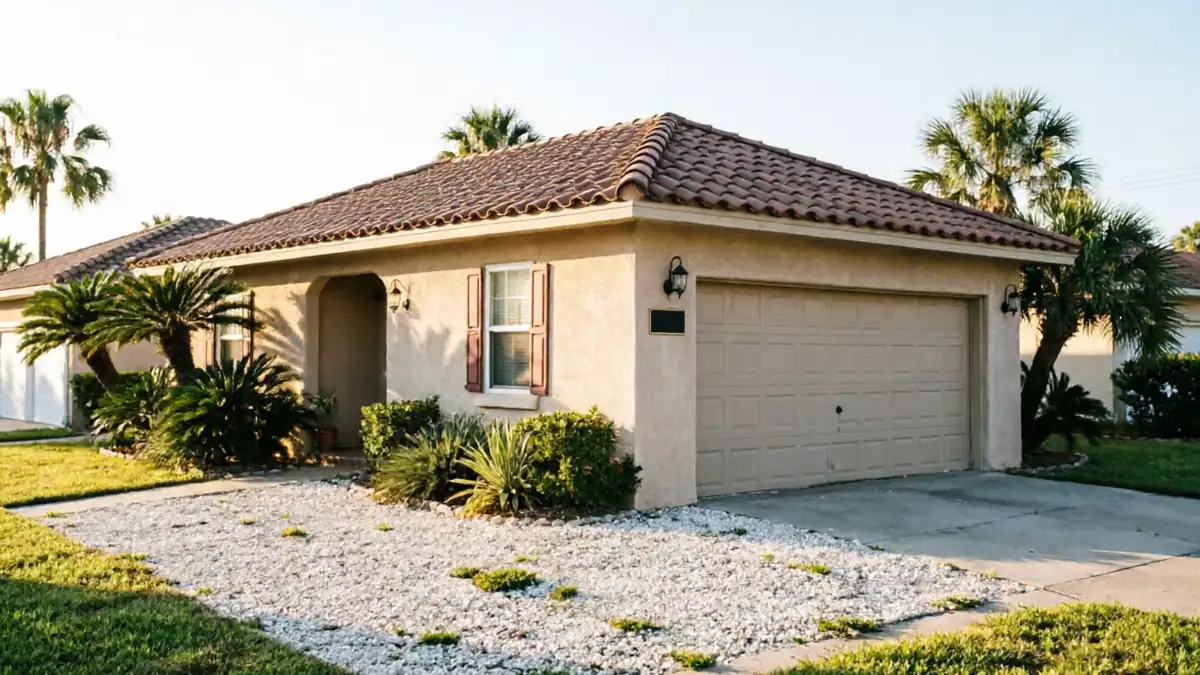
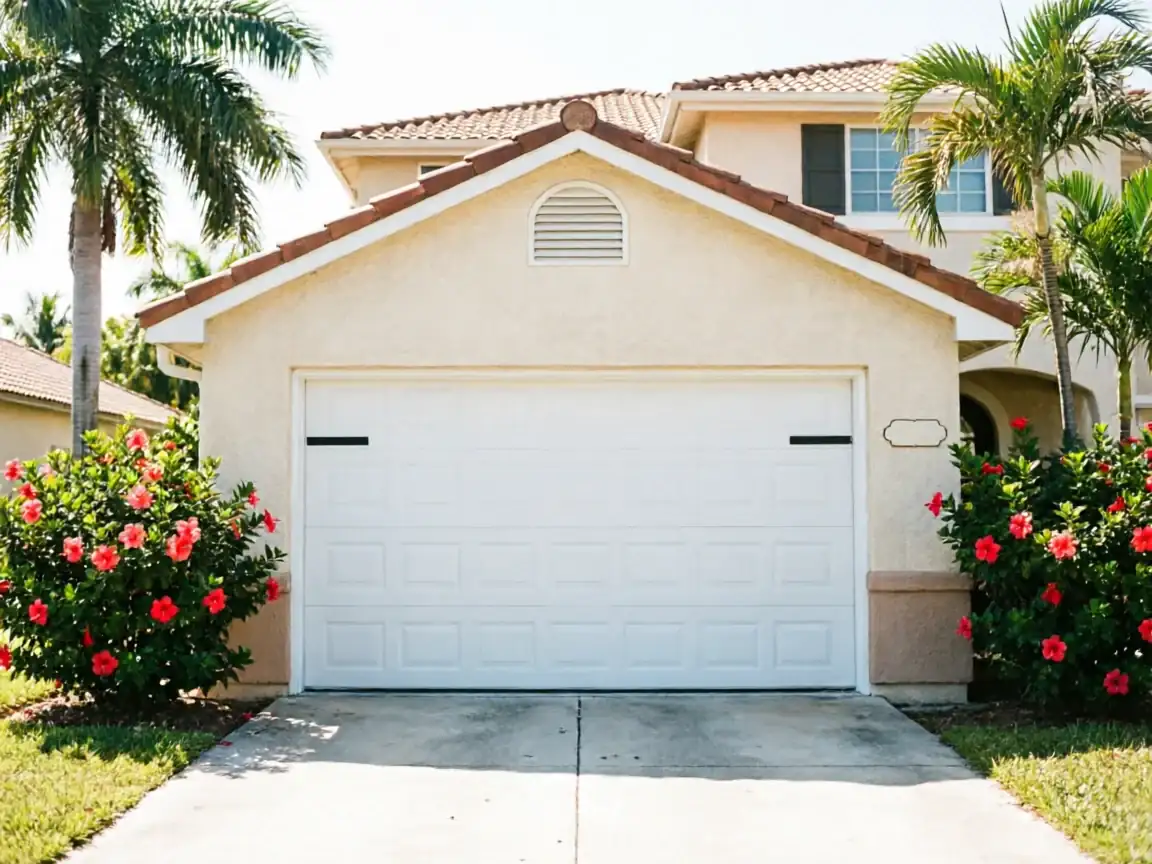
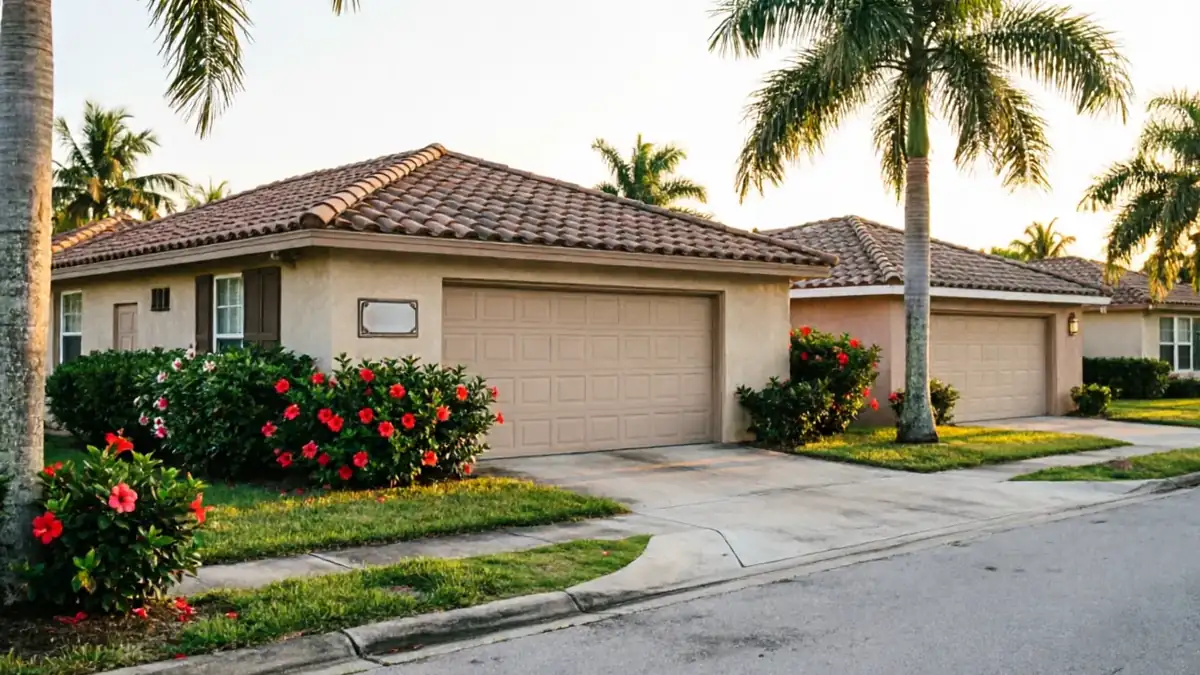
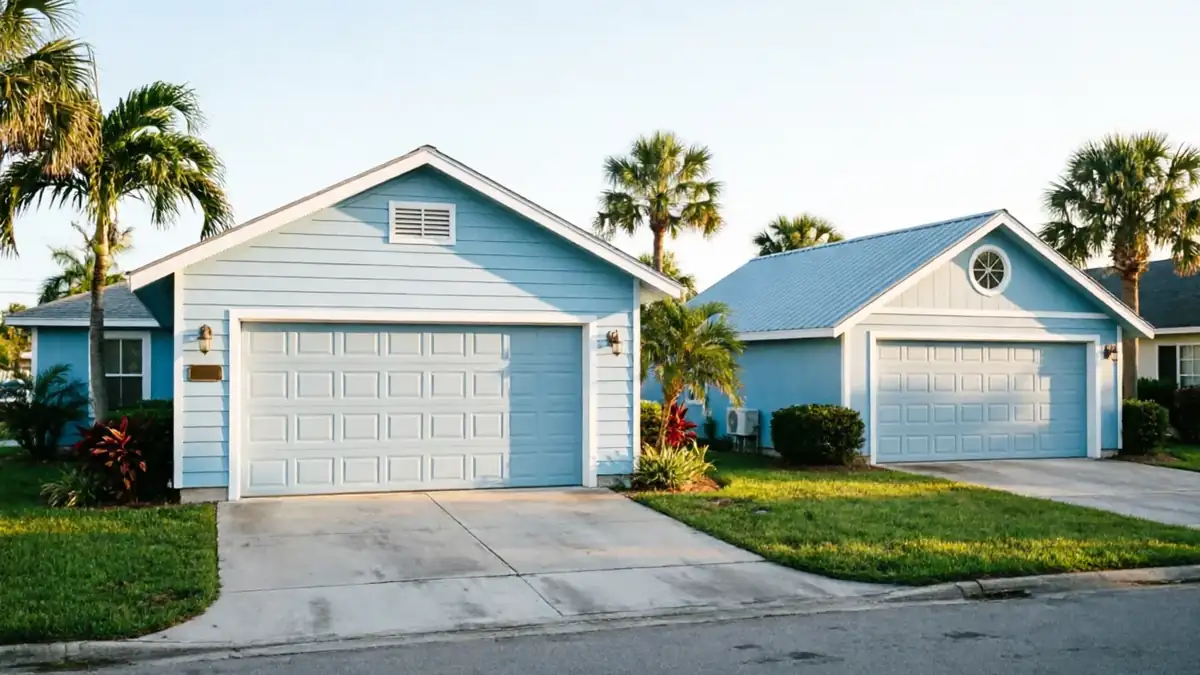
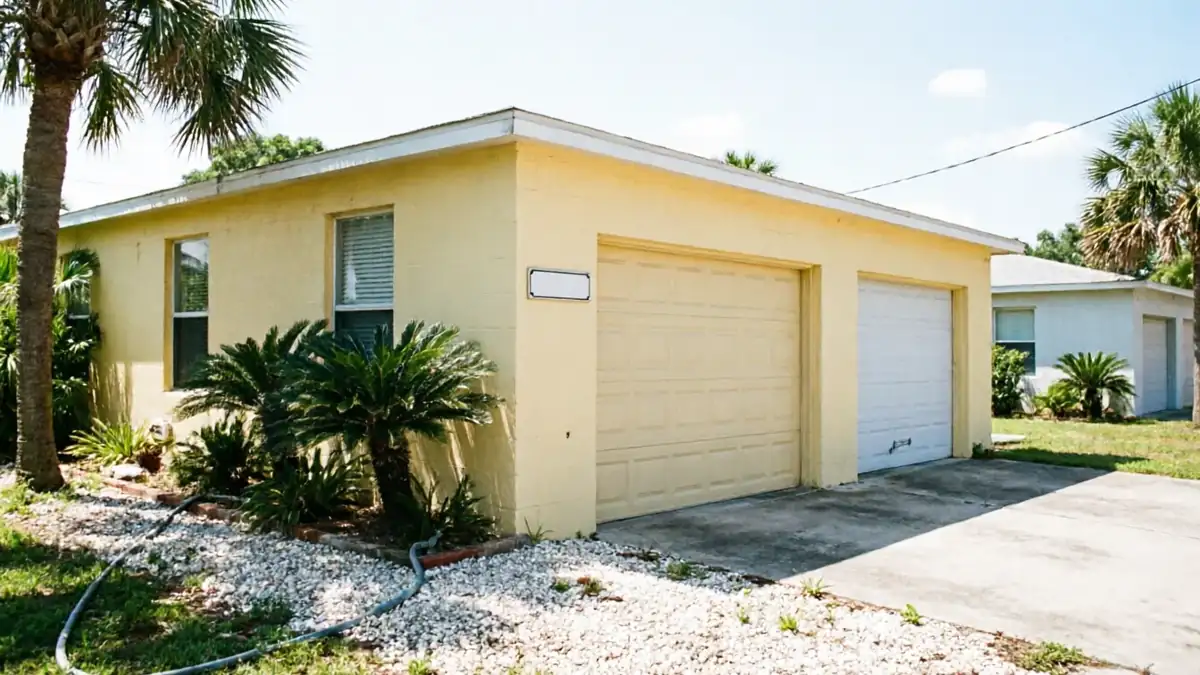
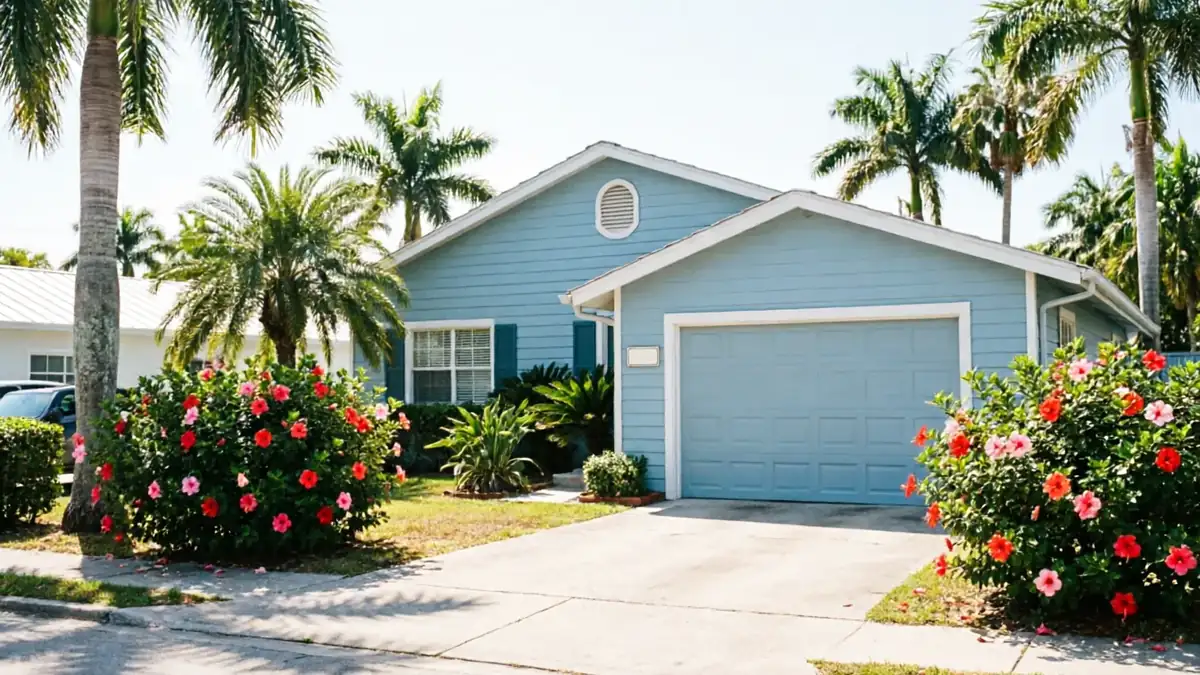
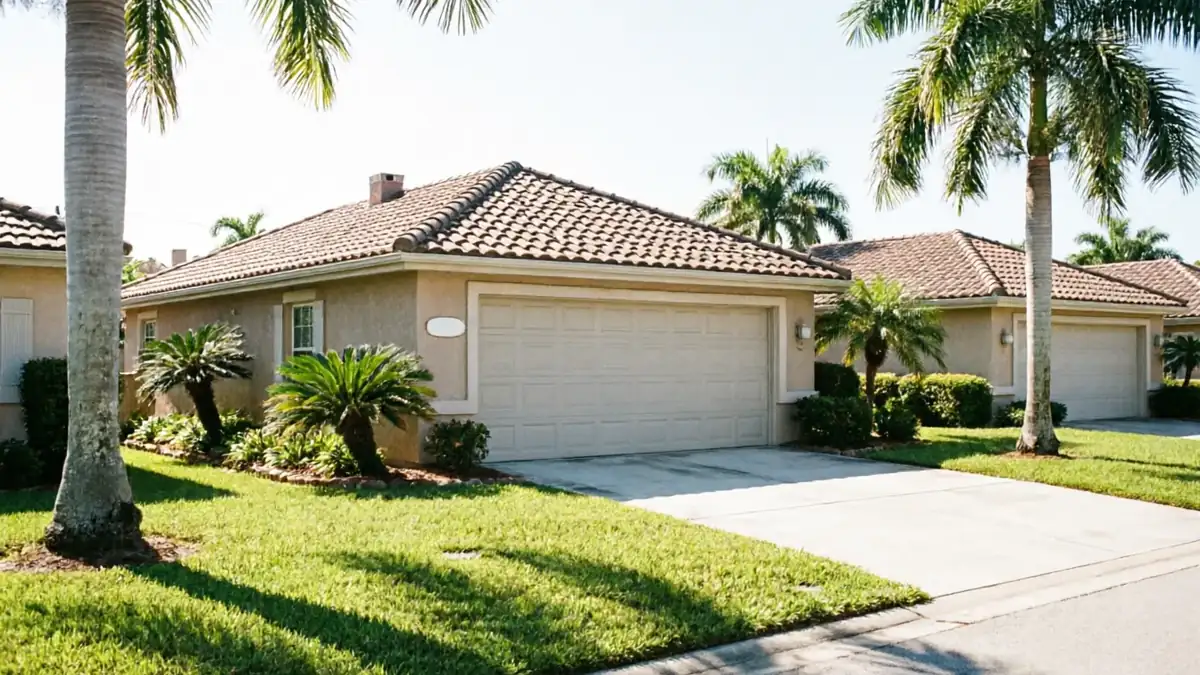
Lake Worth Beach sits about 6 miles from our shop in Boynton Beach, and the housing stock here skews older than much of the wider service area. The typical home went up around 1968, well ahead of the 1977 median we see across the 20 communities we cover. That gap matters more than it sounds like it should. A door installed in the late 1960s or early 1970s was built for different hardware standards than anything going up today, and a lot of those original sections and tracks are still out there, patched over the decades rather than replaced outright. On the newer pockets of streets, where infill or rebuilds have happened, you'll find more modern steel doors on standard-lift torsion setups, closer to what we install new. The split means two service calls on the same block can look nothing alike. We don't assume either one when we get a call from here; we ask what year the house was built before we load the truck.
Common Jobs Here
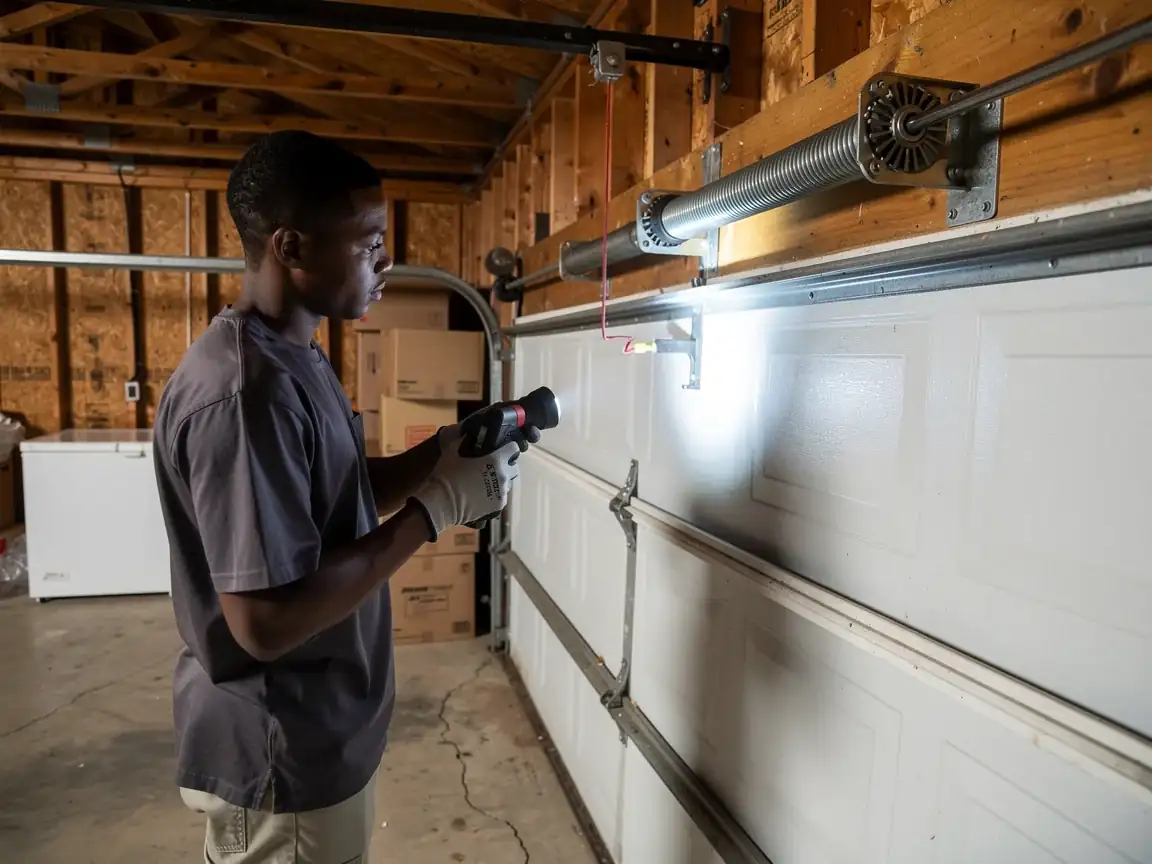
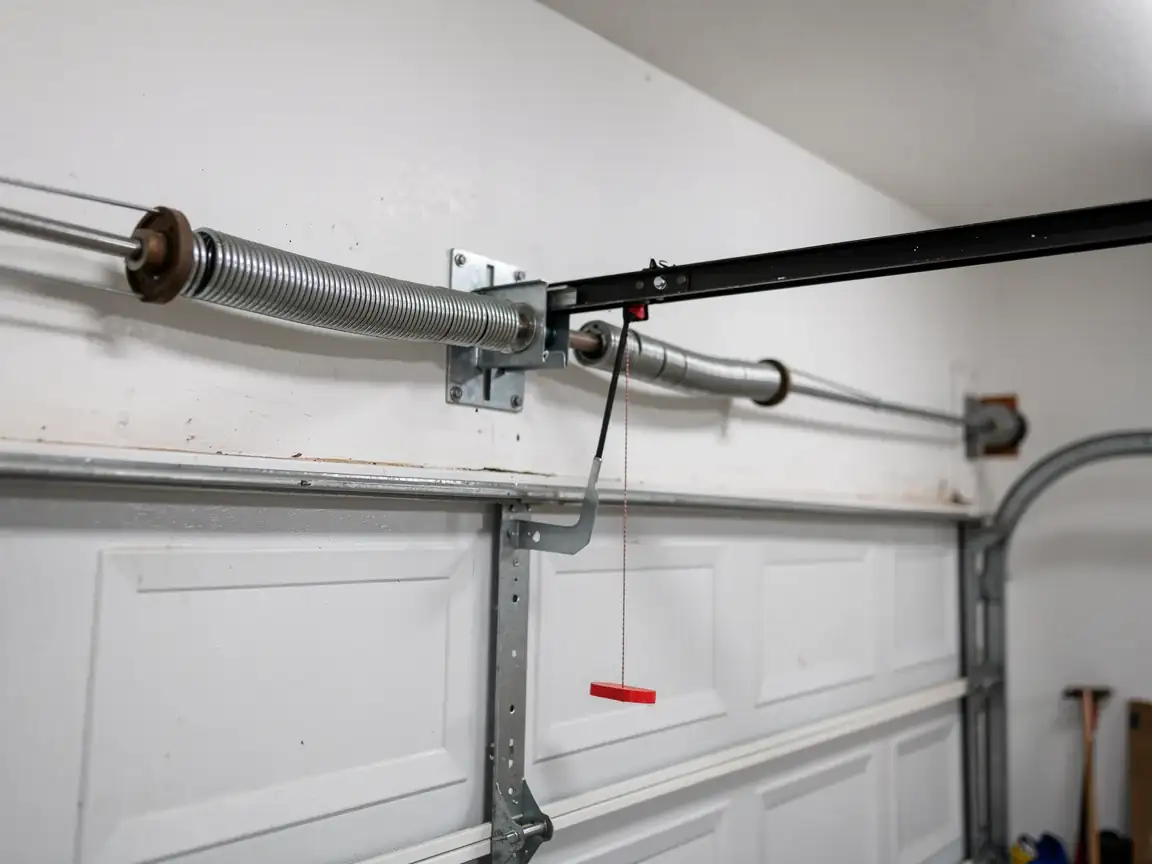
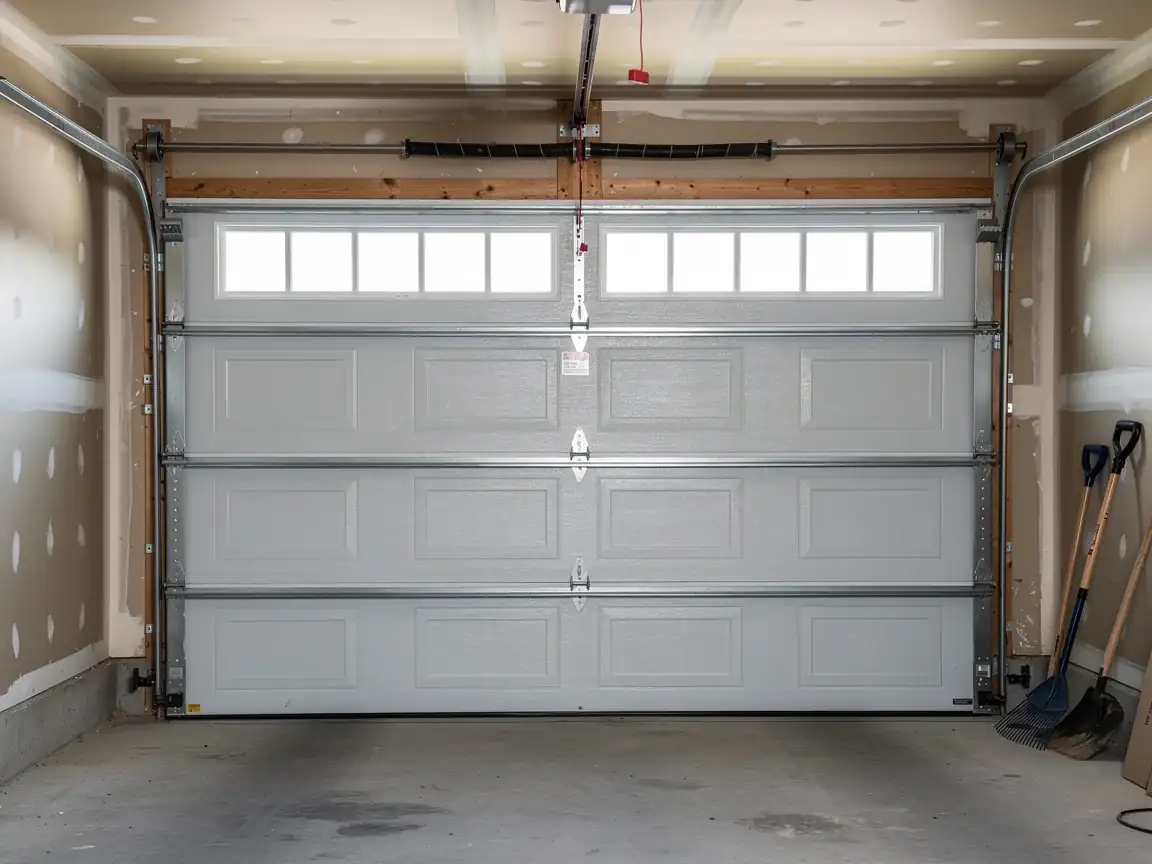
Given the 1968 median build year, the jobs we see most from Lake Worth Beach lean toward age-related failure rather than storm damage or installer error. Torsion springs on doors that have never been swapped, galvanized cable starting to fray at the drum, and rollers worn oval instead of round all show up regularly on houses from this era. Openers are often a second or third replacement already, bolted onto rail hardware that predates them, which can mean brackets that don't quite match. We also get calls where a panel has been dented or rusted through at the bottom corner, a common failure point on doors with decades of South Florida humidity working on the steel from the inside. On the smaller number of newer homes in the area, the calls look more like a standard spring job or a sensor alignment issue than anything tied to the building's age.
What That Means for Doors
Put the build year and the income number together and you get a specific kind of service call: an aging torsion system on a door that's worth saving, owned by someone who wants it fixed rather than replaced. That's most of what we do in Lake Worth Beach. We'll tell you straight when a repair isn't worth it anymore, usually when the door itself has rusted through at the bottom panel or the track is bent beyond a clean realignment, but on a lot of these older doors the fix is a spring, a cable, or a set of rollers, not a full replacement. One honest limit: if your opener or track hardware is old enough that parts are no longer made for it, we may need to source a compatible substitute rather than an exact match, and that can add a day or two to a job depending on what's in stock.