The Symptom
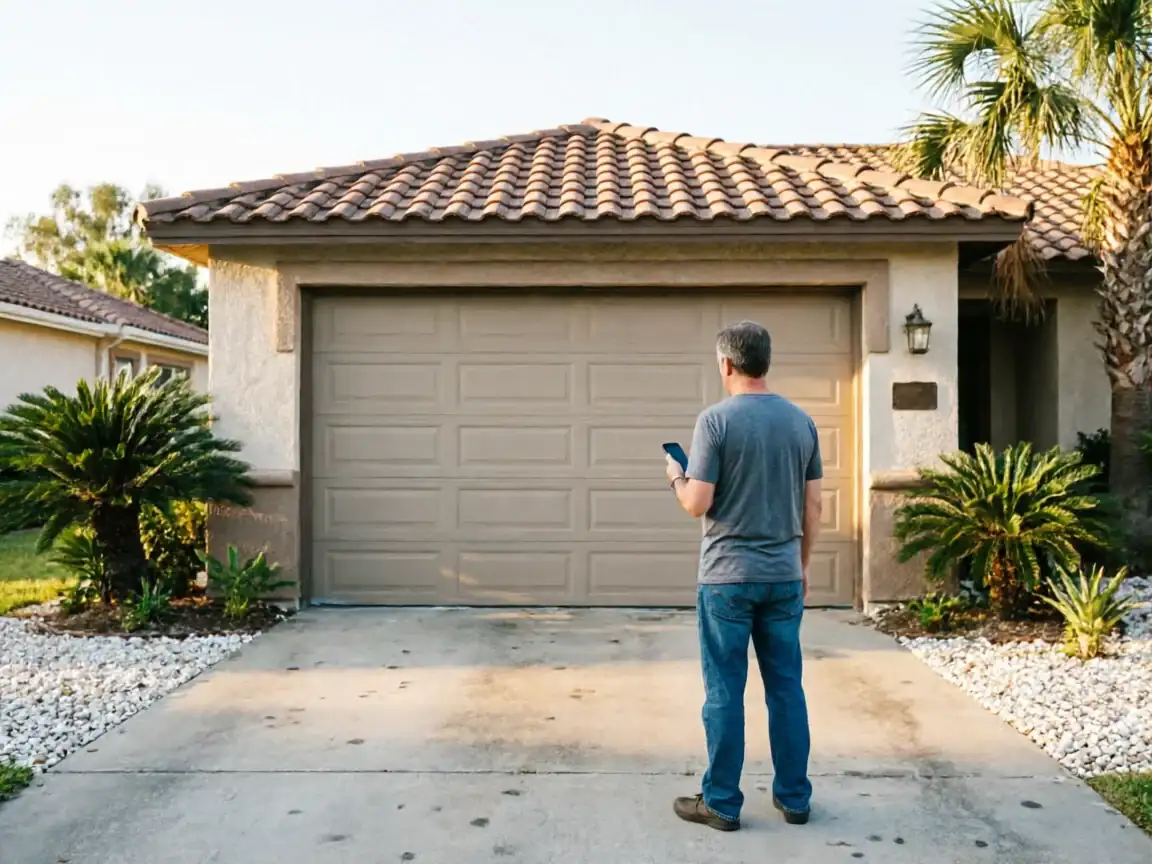
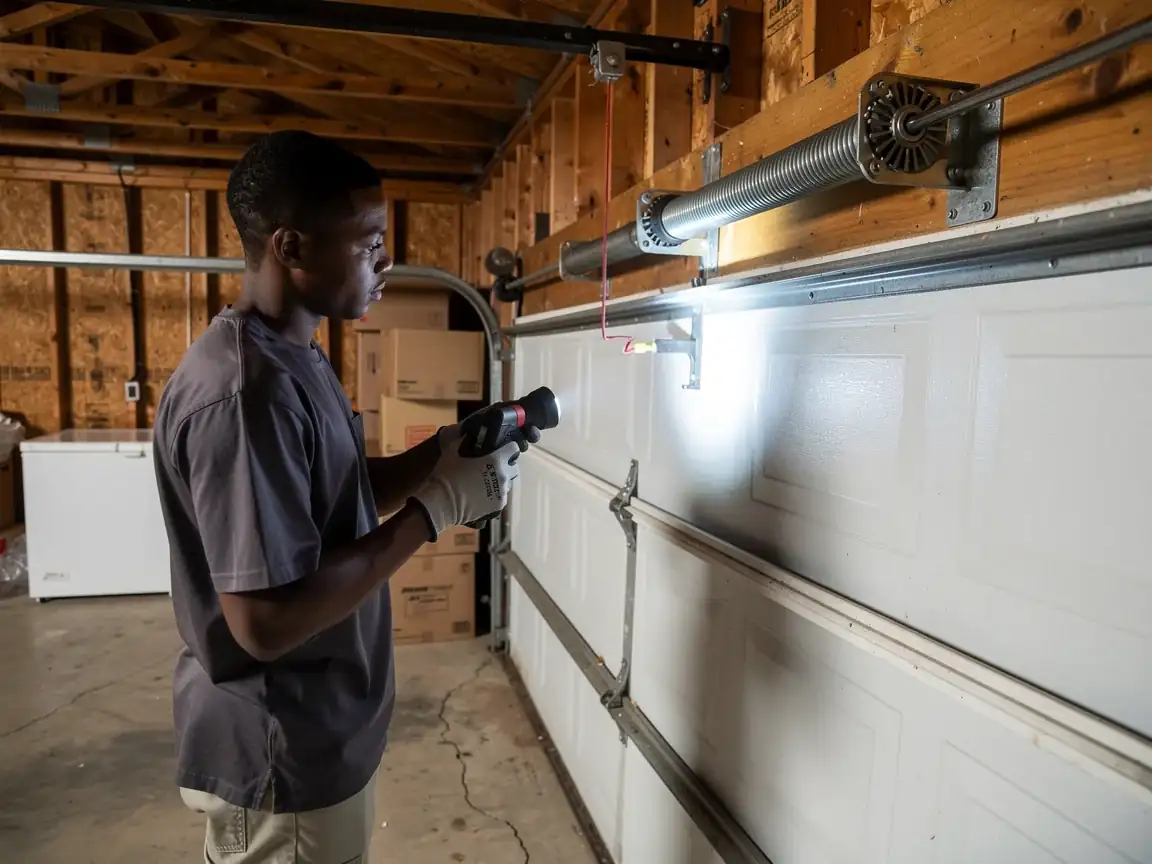
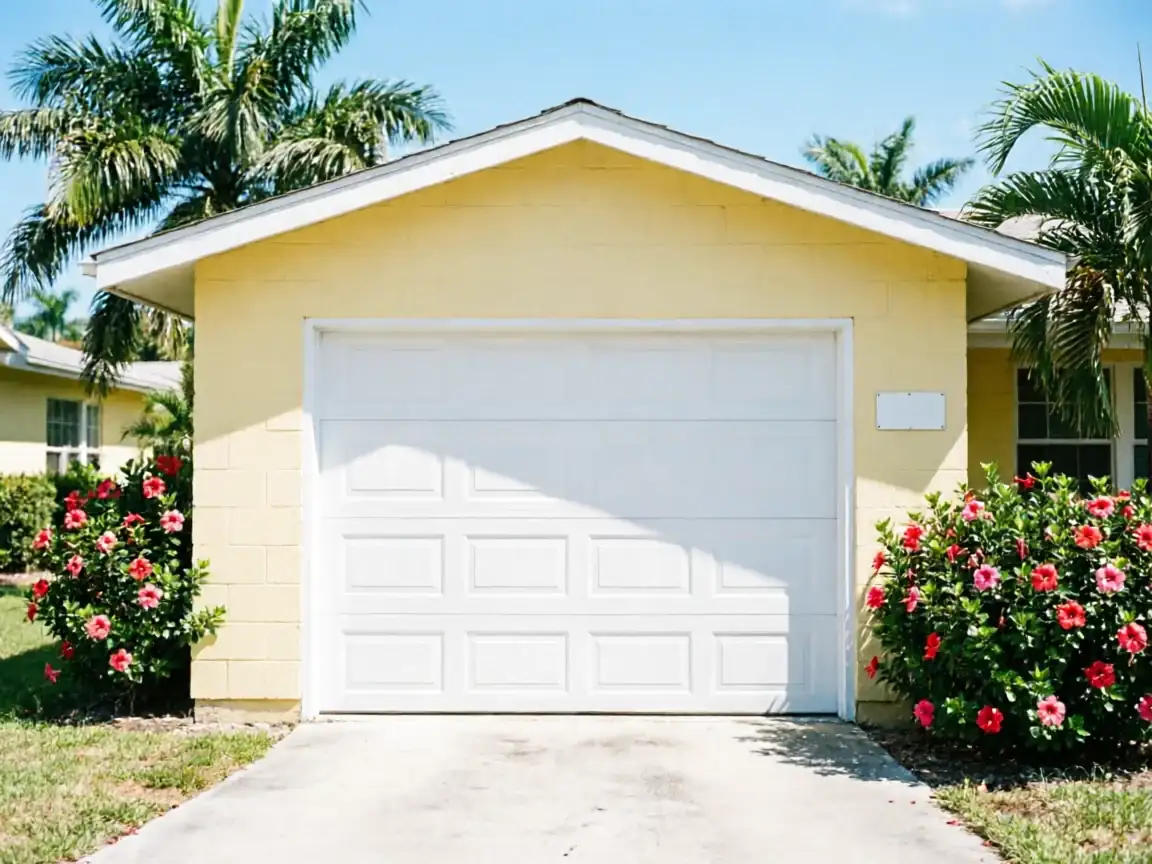
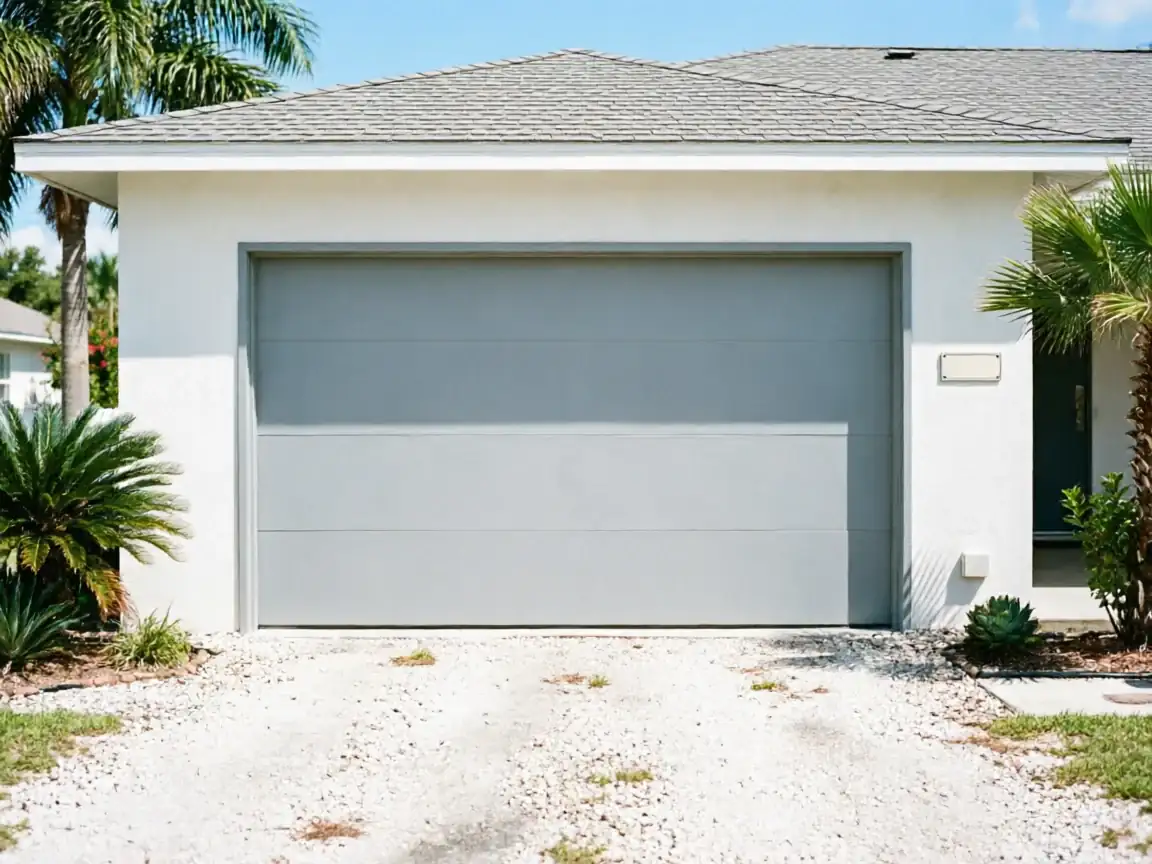
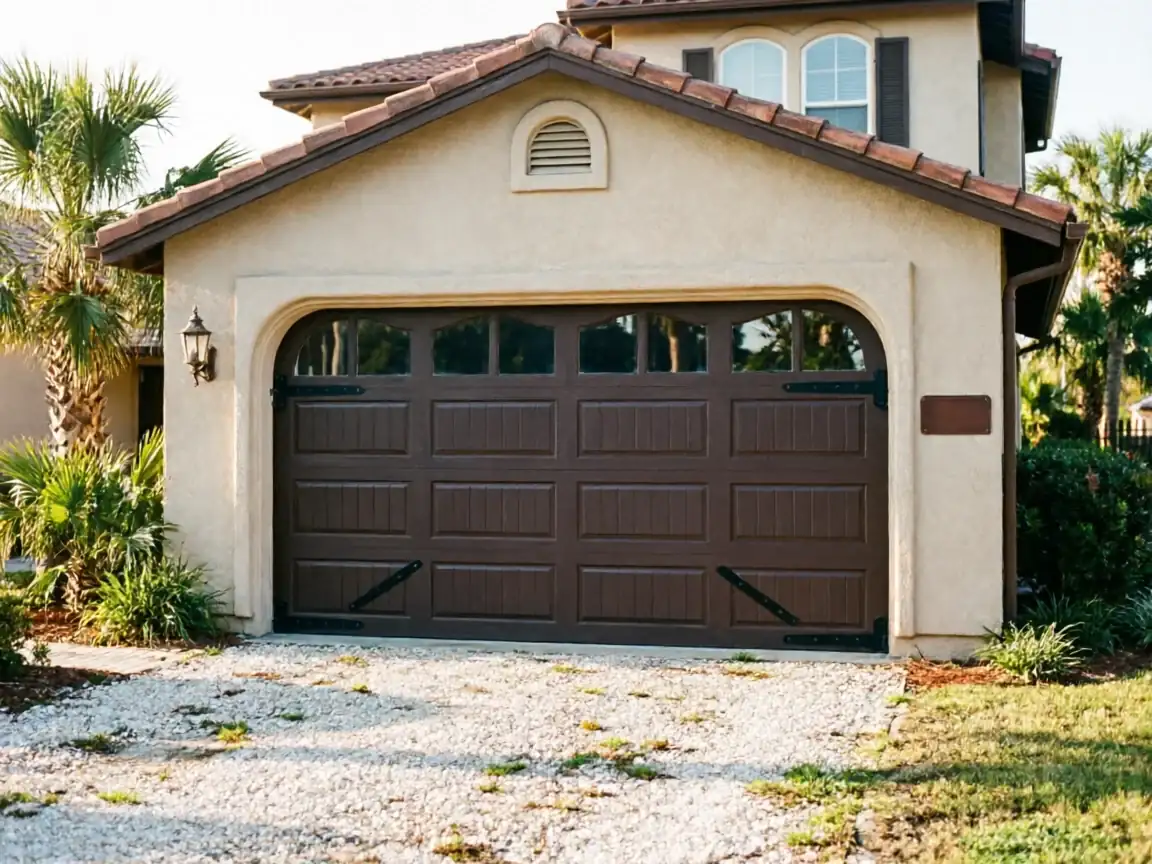
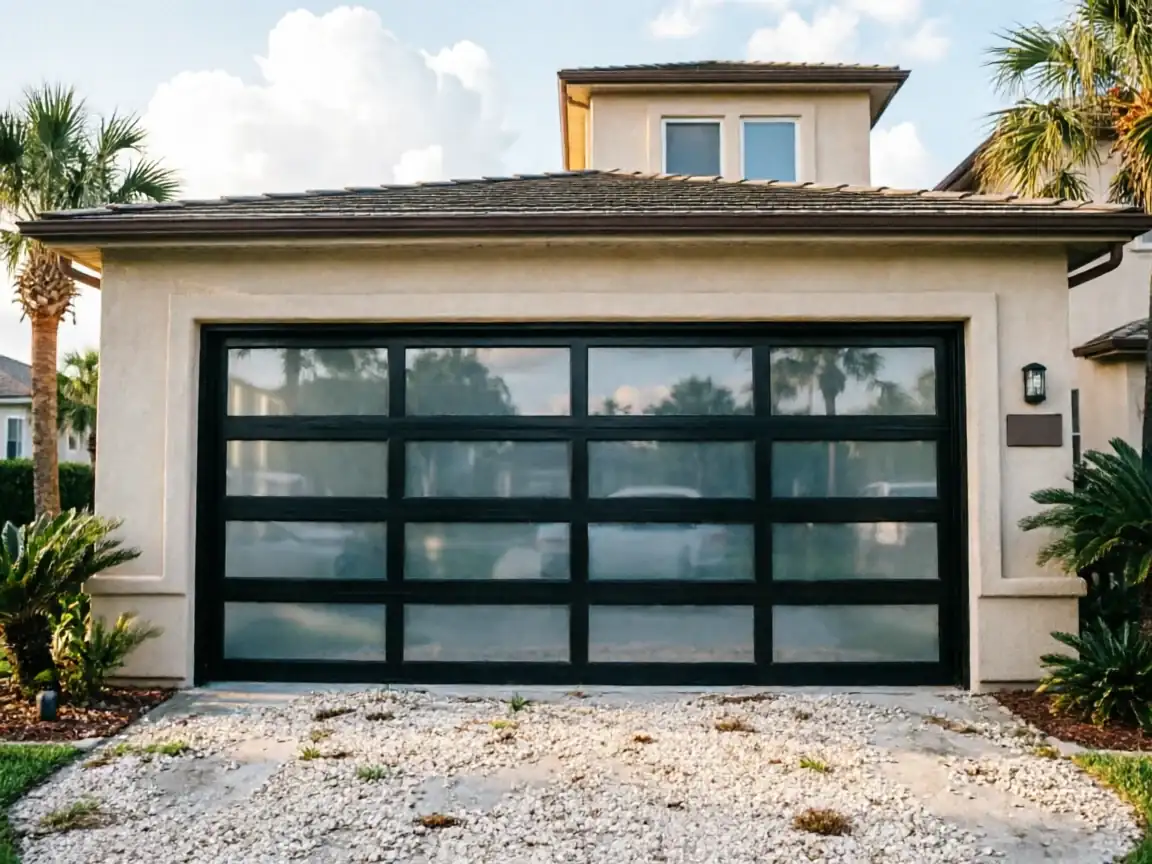
The call we get most from this side of town is a door that slams the last six inches instead of settling. That's a worn extension spring losing tension unevenly, and it's common because the median home here went up around 1968 - old enough that a lot of these houses are still running the original spring setup, or a replacement from decades ago that was never matched to the door's actual weight.
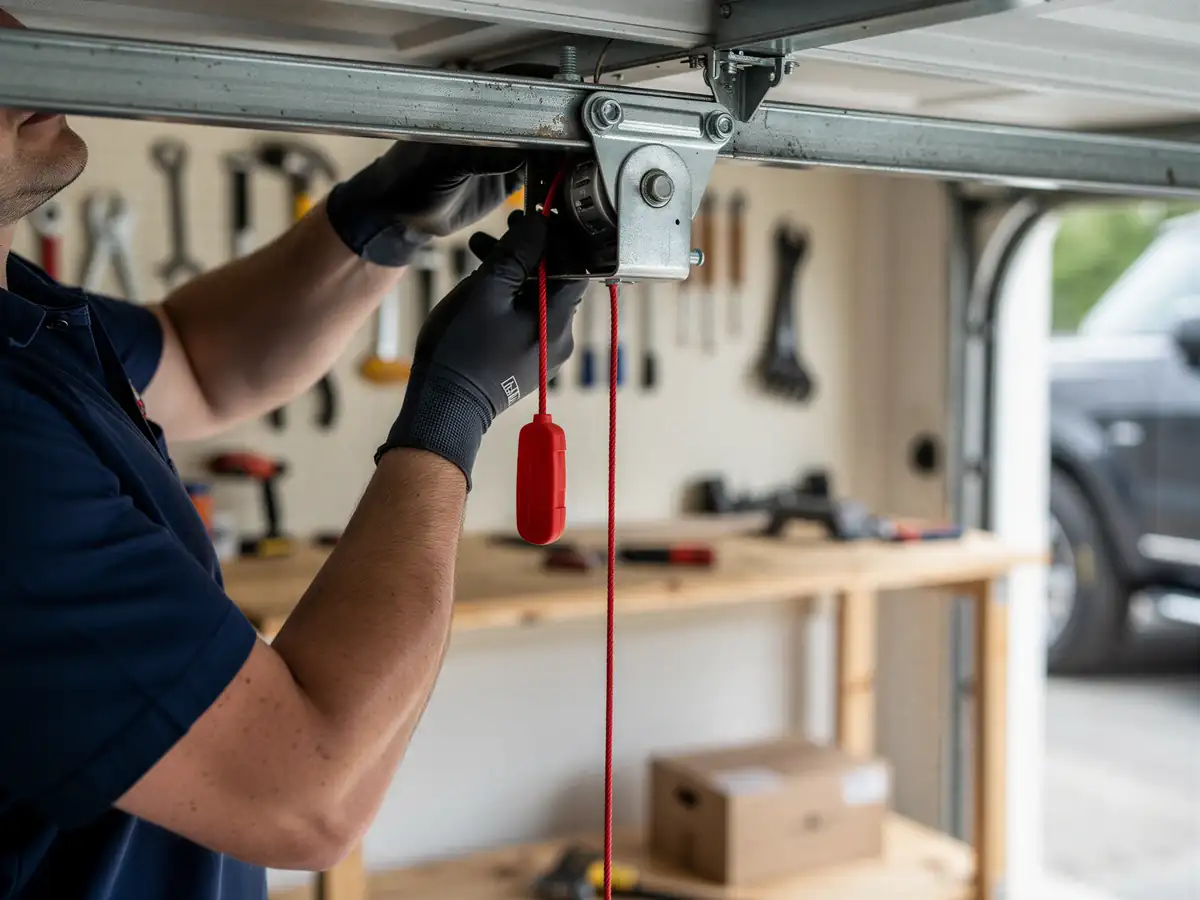
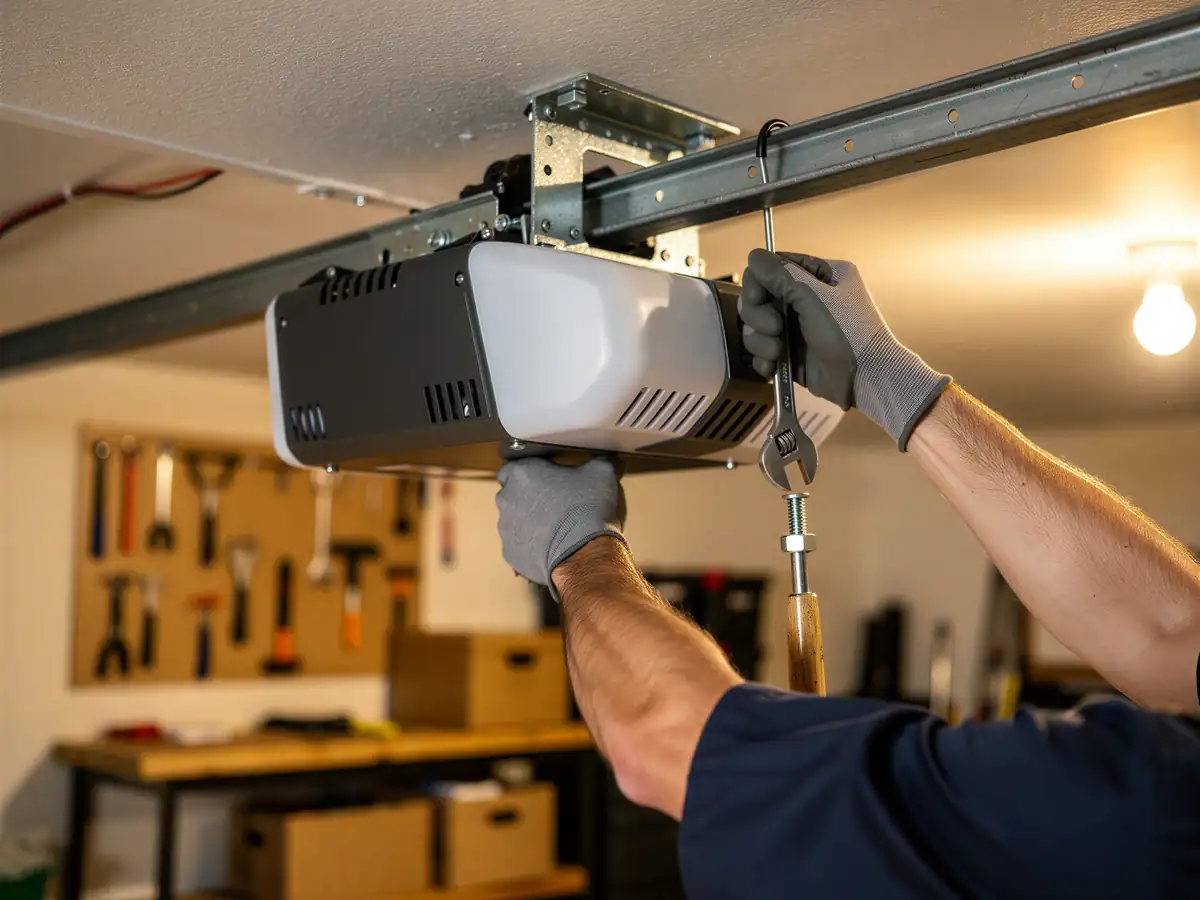
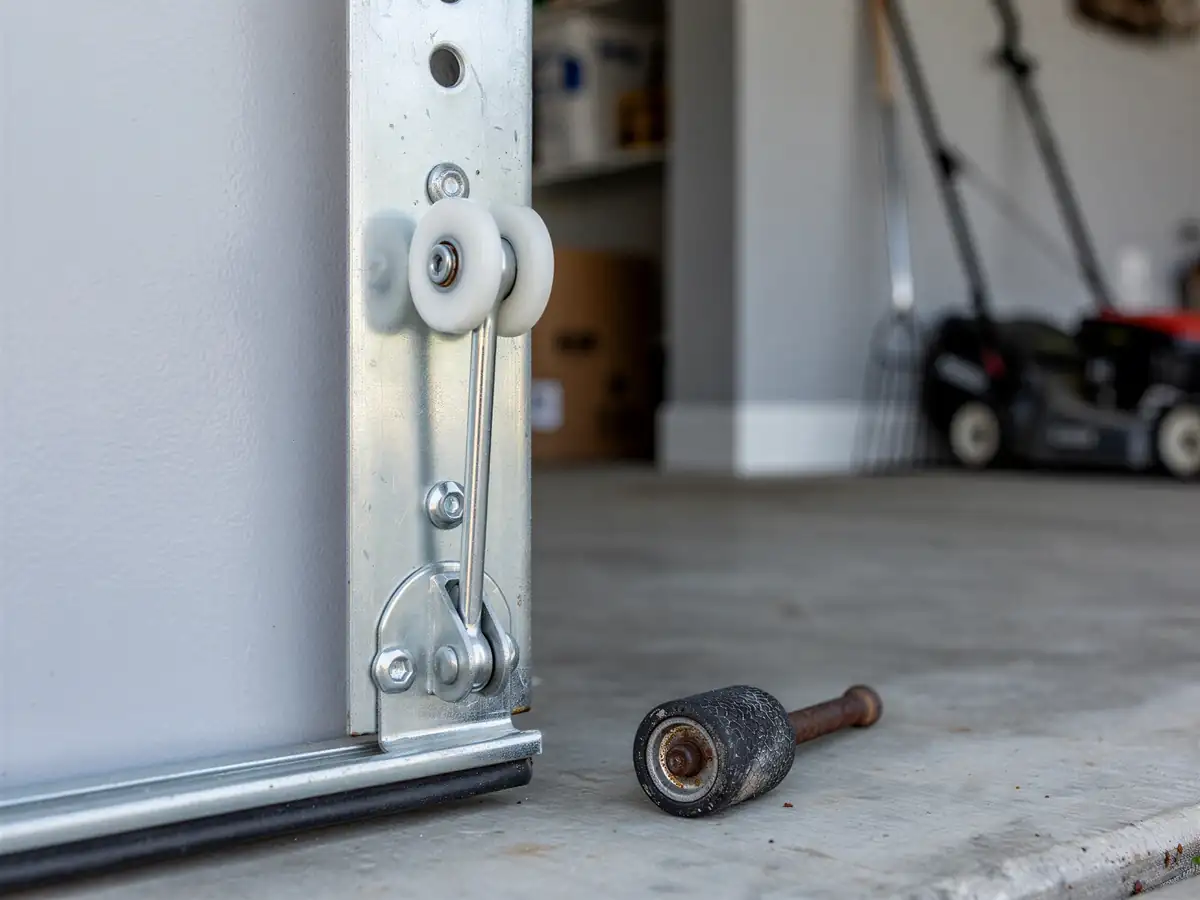
Second most common: an opener that runs but won't lift, or lifts and immediately reverses. On a house this age, that's usually not the opener itself - it's a track that's gone slightly out of parallel after 50-plus years of settling, or rollers that were steel when they should've been nylon from the start. We see fewer of the brand-new-opener-software issues you'd get in a newer subdivision, because the housing stock here just isn't that new. The fault profile follows the build year, not the brand name on the door.
We don't see much cold-weather hardware failure - the mild temperate climate here doesn't crack springs the way freeze-thaw cycles do farther north - but salt air and humidity do their own slow work on hinges and fasteners over that many years.
Time on the Job
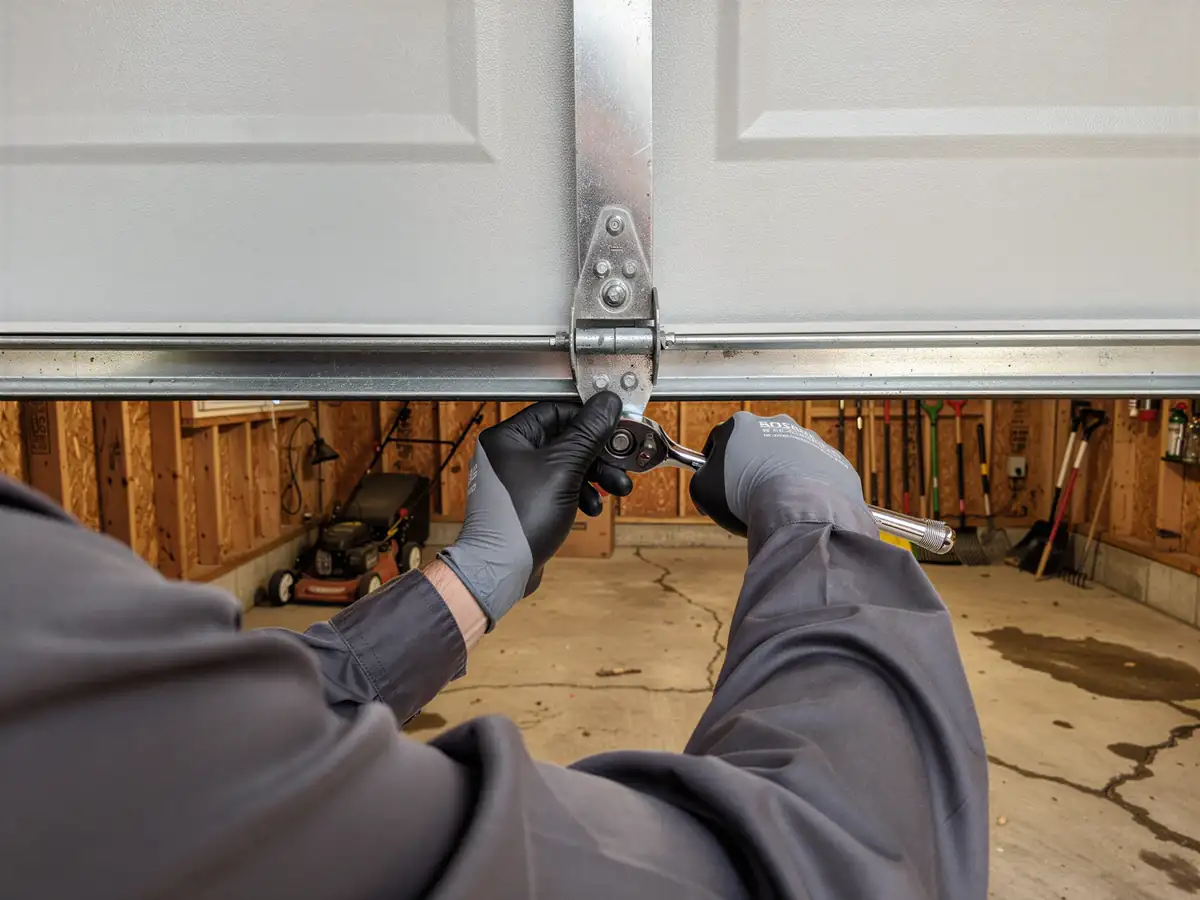
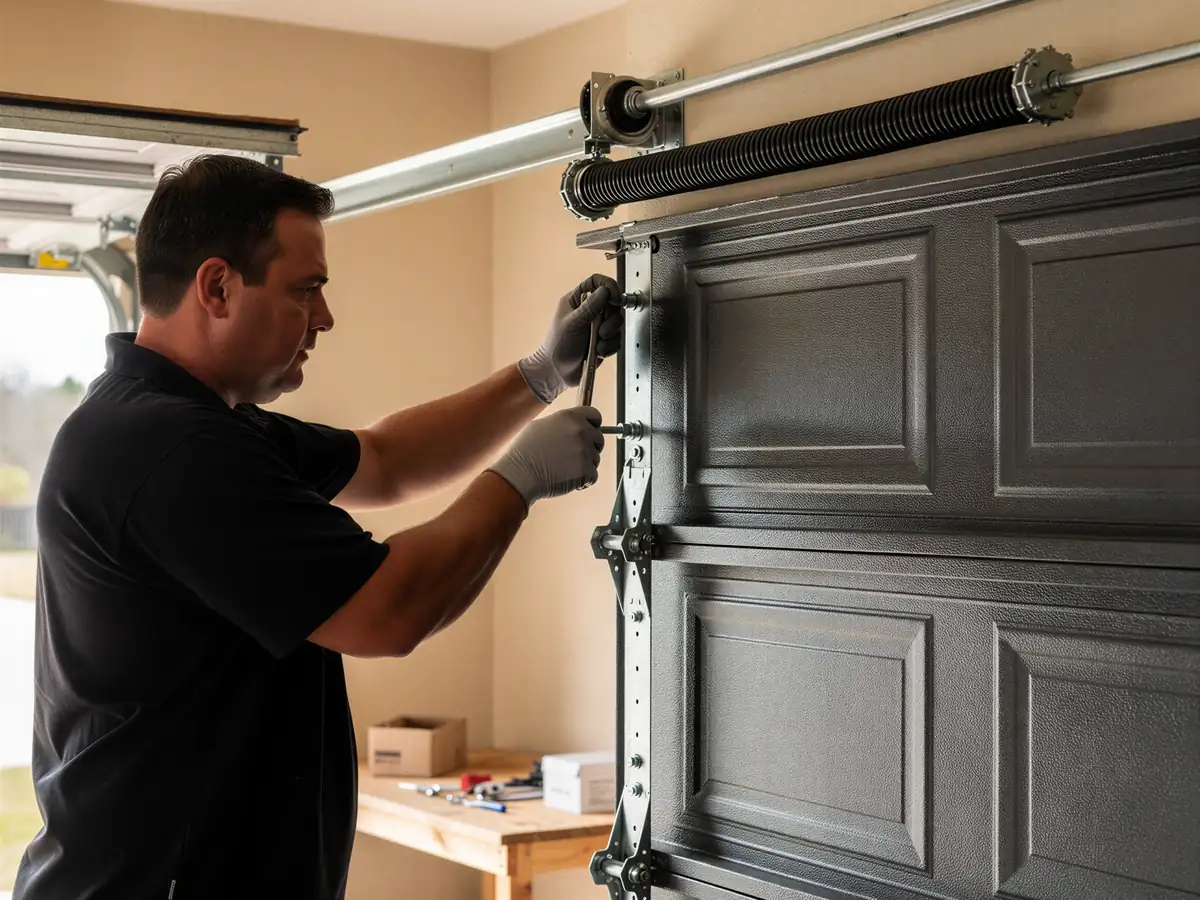
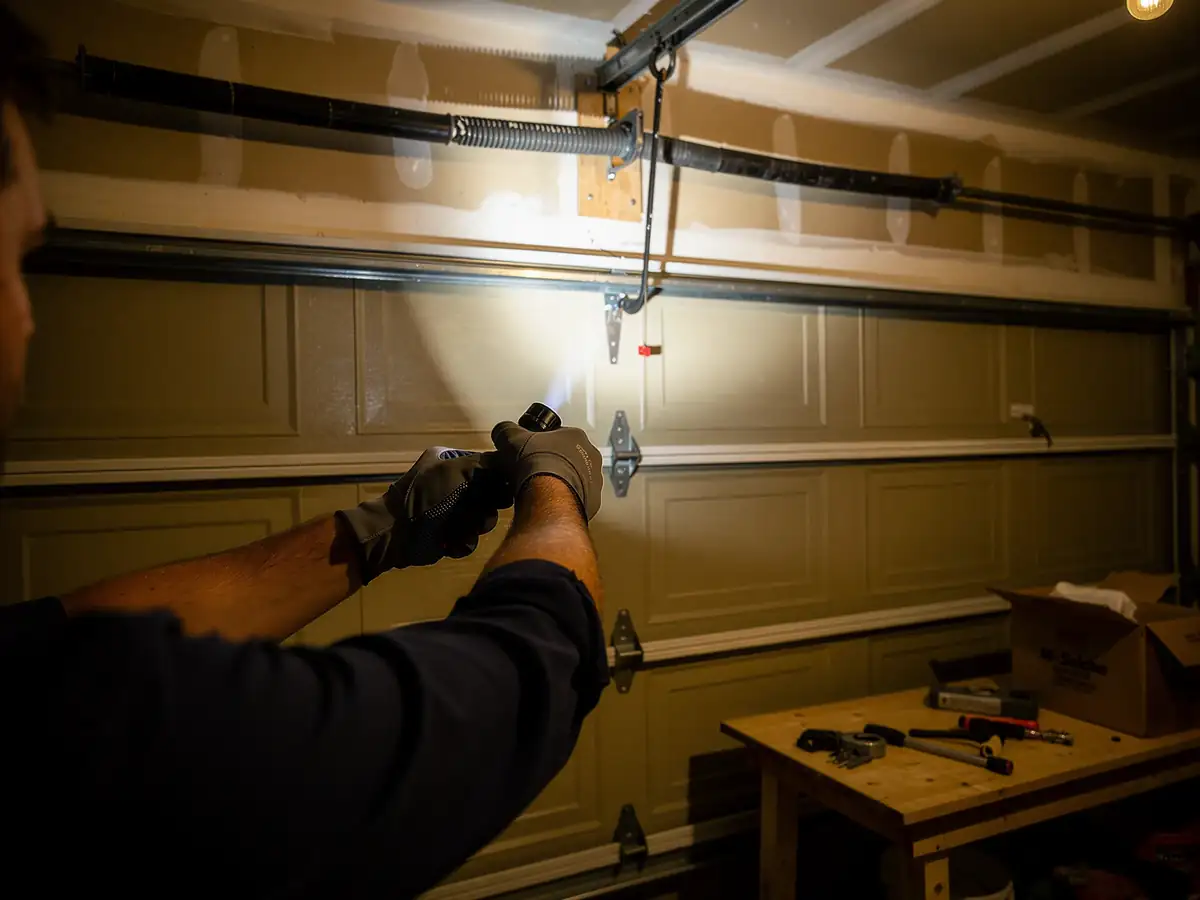
A spring swap or roller replacement on one of these older doors usually runs under an hour once the truck is on site - the hardware is straightforward, even if it's dated. What adds time is diagnosis when the complaint is vague, like 'it's just slower than it used to be.' On a door this old, slower can mean the spring, the track alignment, or the opener gear all at once, and we'd rather spend ten extra minutes confirming which one than replace a part that wasn't the problem.
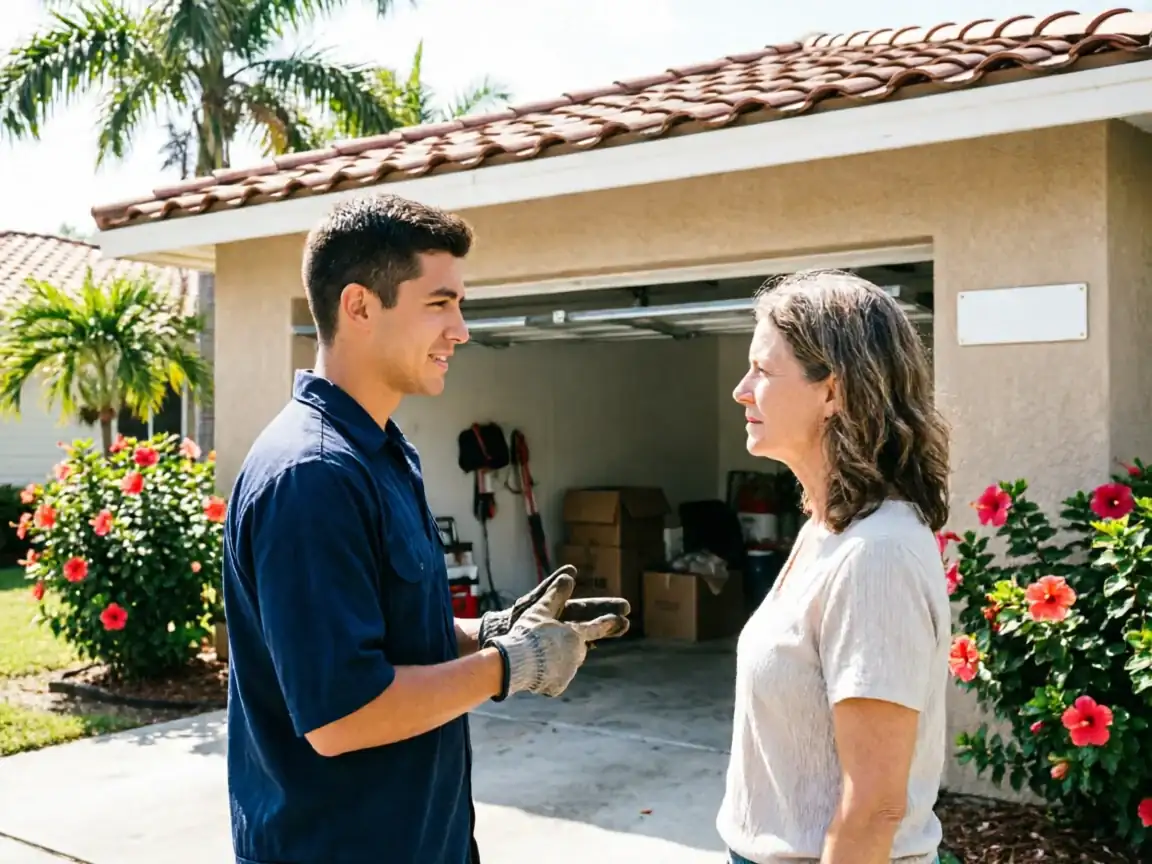
We travel to Lake Worth Beach from our shop in Boynton Beach, about 6 miles out, so the job itself starts once we're there - we're not quoting a response window we can't back up for a suburb we don't have a branch in.
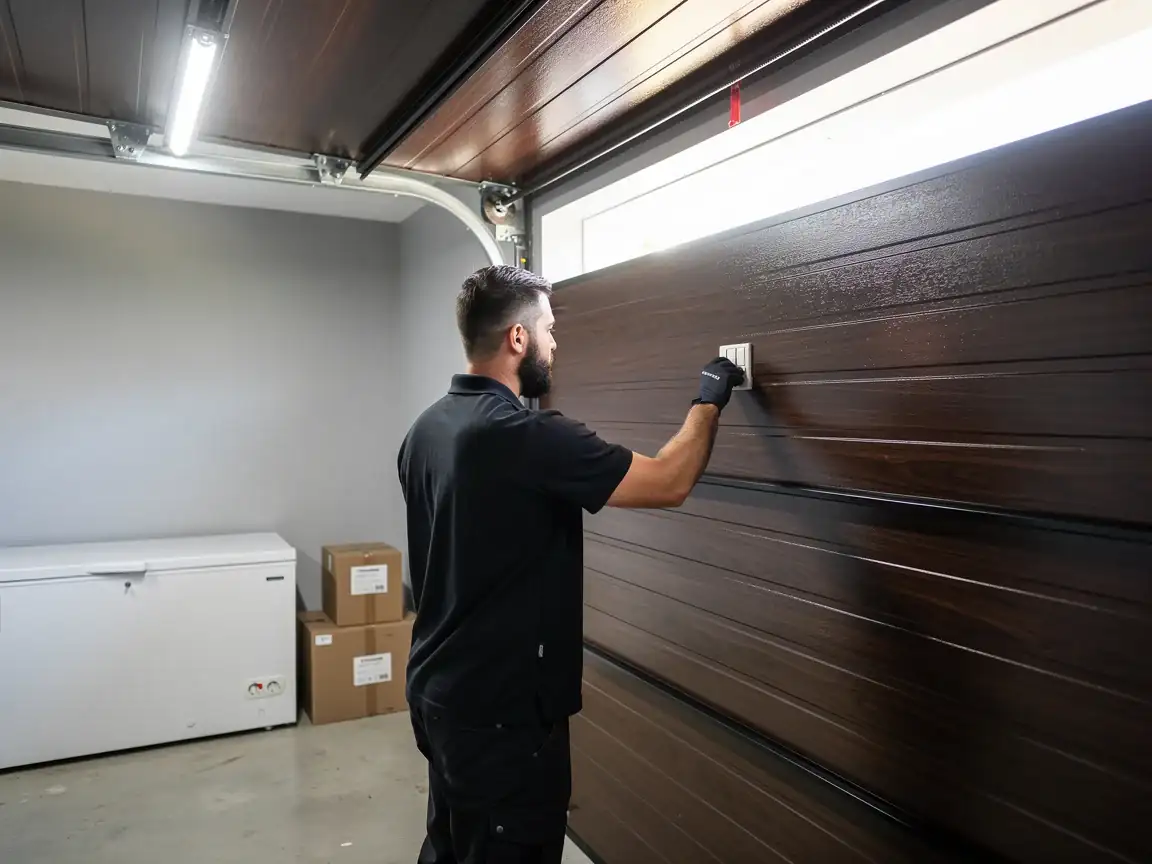
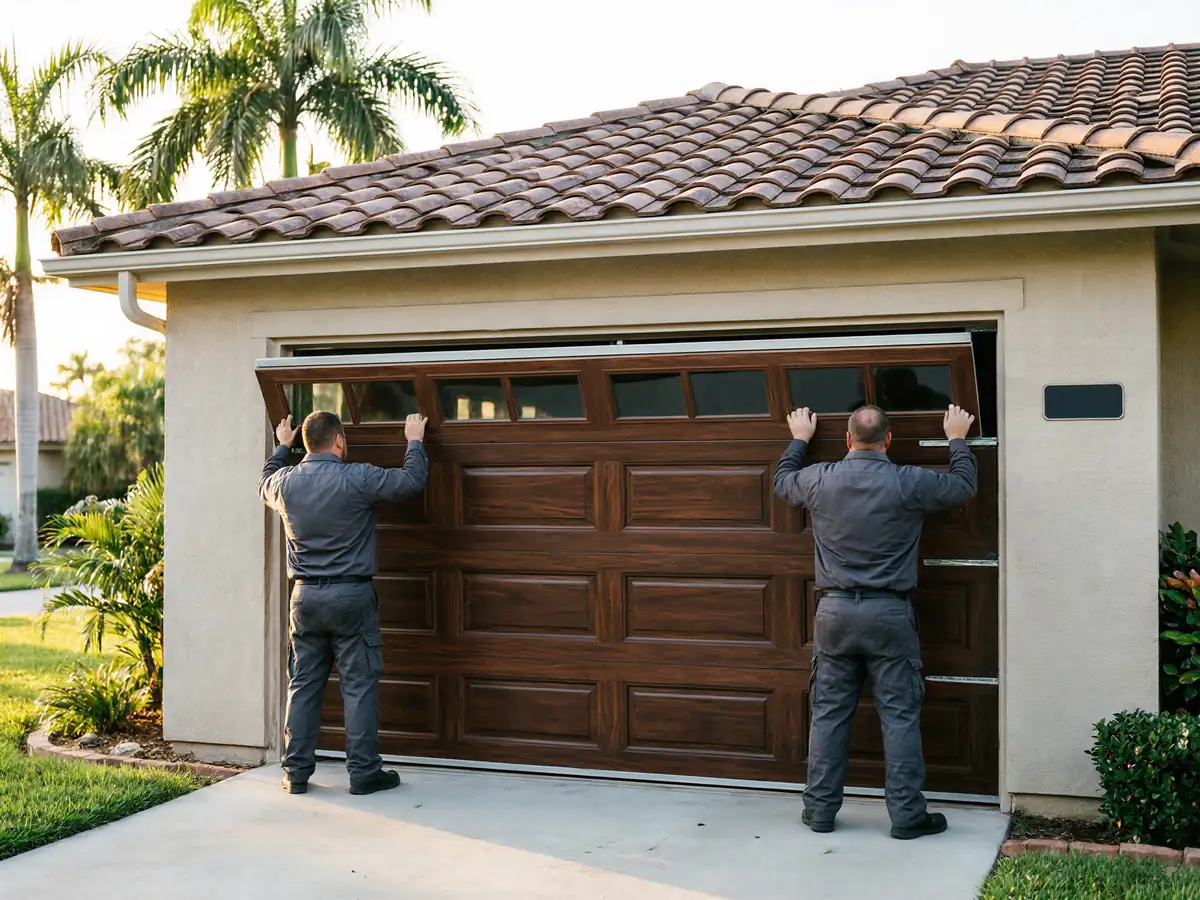
If a job turns into a full door replacement - which happens more on houses from this era once the track, hardware, and panel are all original - that's a longer appointment, usually scheduled rather than same-visit, since it depends on what's in stock.
What It Costs
Lake Worth Beach's median household income sits at $60,978, noticeably below the wider service area's $92,325
And that's part of why we lean toward repair over replacement whenever the door and track are sound. A spring or roller fix is a fraction of a full door swap, and on a lot of these 1968-vintage doors, the panel itself is still in decent shape even when the spring isn't.
We don't have a posted price list to hand you here
Costs depend on spring size, door weight, and whether the opener's involved - but we price the repair, not the house. A homeowner on a fixed or modest income with a 1968 door and a snapped spring is paying for that spring, not for a service call markup.
The honest limit: if the track is bent beyond pulling straight
Or the panel's rusted through at the bottom, patching it isn't worth your money. We'll tell you when replacement beats repair instead of running up a bill on a door that's done.
Stocked Parts
We carry extension and torsion springs sized for the kind of doors common to houses built in the 1965-2005 window across this part of the county, which covers most of what's on the ground in Lake Worth Beach. Standard rollers, cables, and hinges for that era are truck stock, not special-order.
What isn't always on the truck: openers and track hardware specific to a door style that was discontinued decades back. With roughly 15,229 households in Lake Worth Beach and a housing stock that skews older than some of the newer growth areas in the region, we do run into the occasional door where the original track profile just isn't made anymore, and we have to adapt a current-production track to fit rather than match it exactly. We'll say so up front if that's the case on your door, rather than promising an exact-match part we don't have in hand.