Booking a Visit
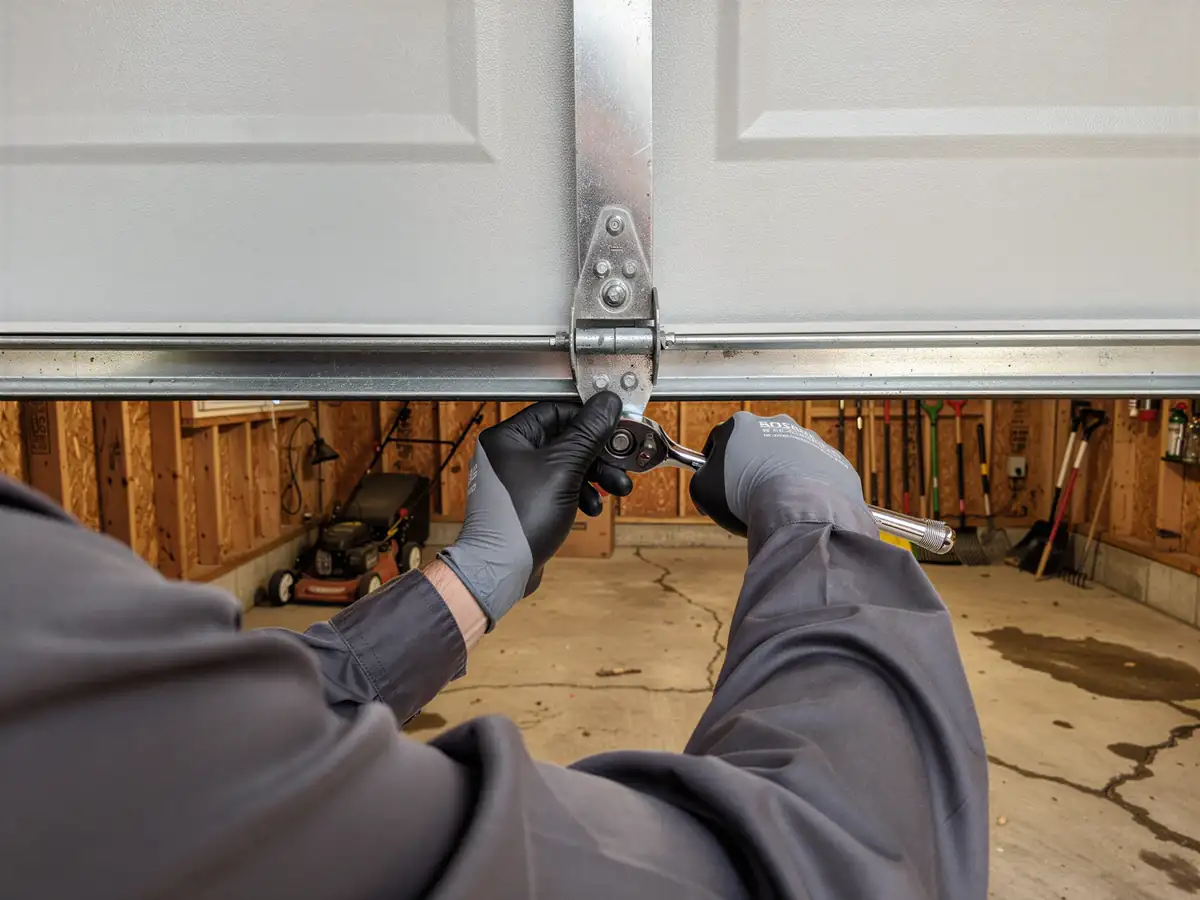
Roller trouble doesn't fix itself, and it rarely stays a small problem. A door grinding on its way up today is a door off the track next week, usually at the worst possible time. If you've noticed the symptoms below, the next step is simple: get someone out to look at the rollers, the track condition, and the hinges they ride in, since a bad roller often takes a bent hinge or a dented track down with it.
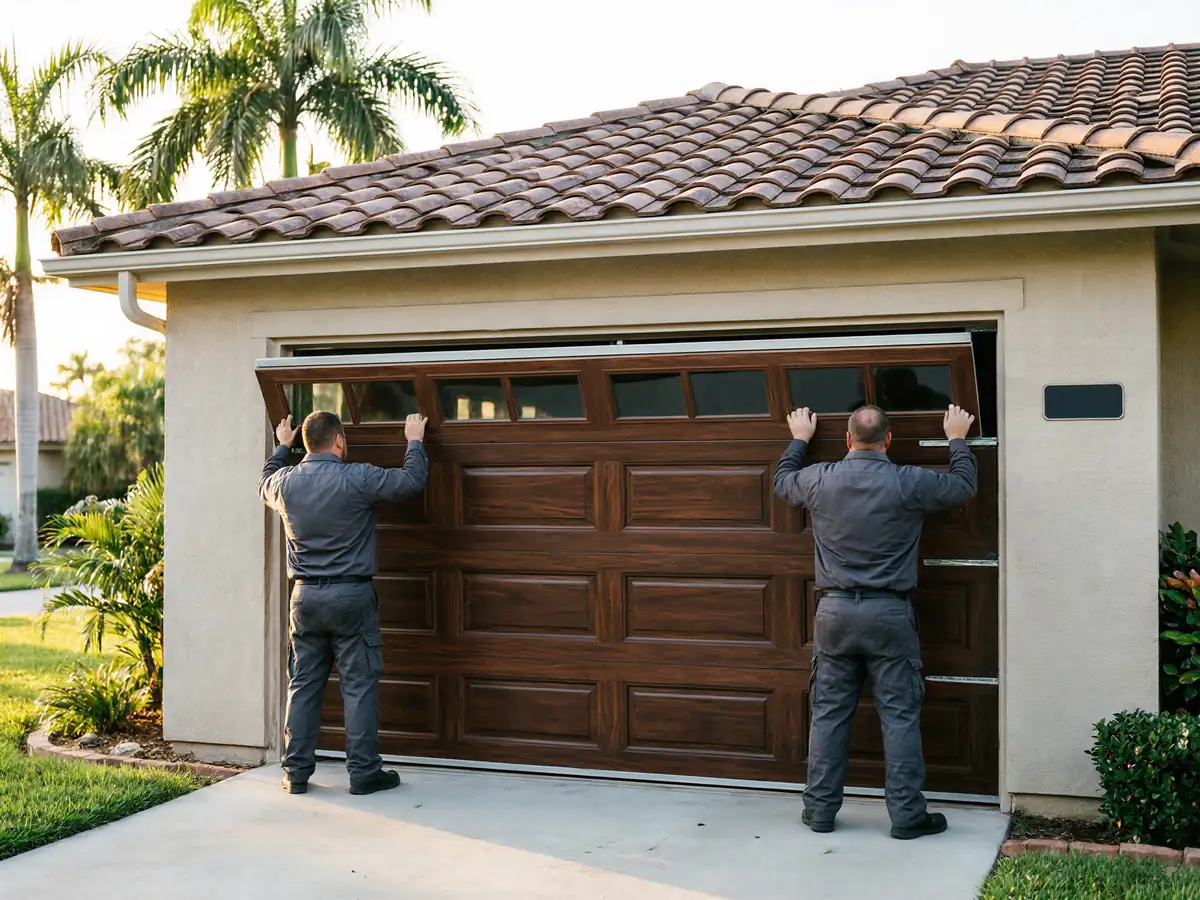
We work across the service area that runs from Ocean Ridge and Golf, about two miles out, through Lantana and Manalapan, down to Atlantis and Lake Worth Beach, and out as far as Royal Palm Beach, Wellington, and Lake Park. Wherever you're calling from in that stretch, the visit starts the same way: a look at the rollers themselves, not a guess over the phone.
You can start from our home page at / and we'll go from there. One honest note up front - if your opener, springs, and panels are all original to a door built decades ago, roller replacement alone might not be the full fix, and we'll tell you that before we start pulling anything apart, not after.
What It Costs
We're not going to put a number here that doesn't hold up once a tech is actually looking at your door, so we won't guess at a price in this space. What drives the cost is straightforward: how many rollers need replacing (often it's the full set of ten rather than one or two), whether the track or hinges got damaged on the way to failing, and what roller material you want going back in.
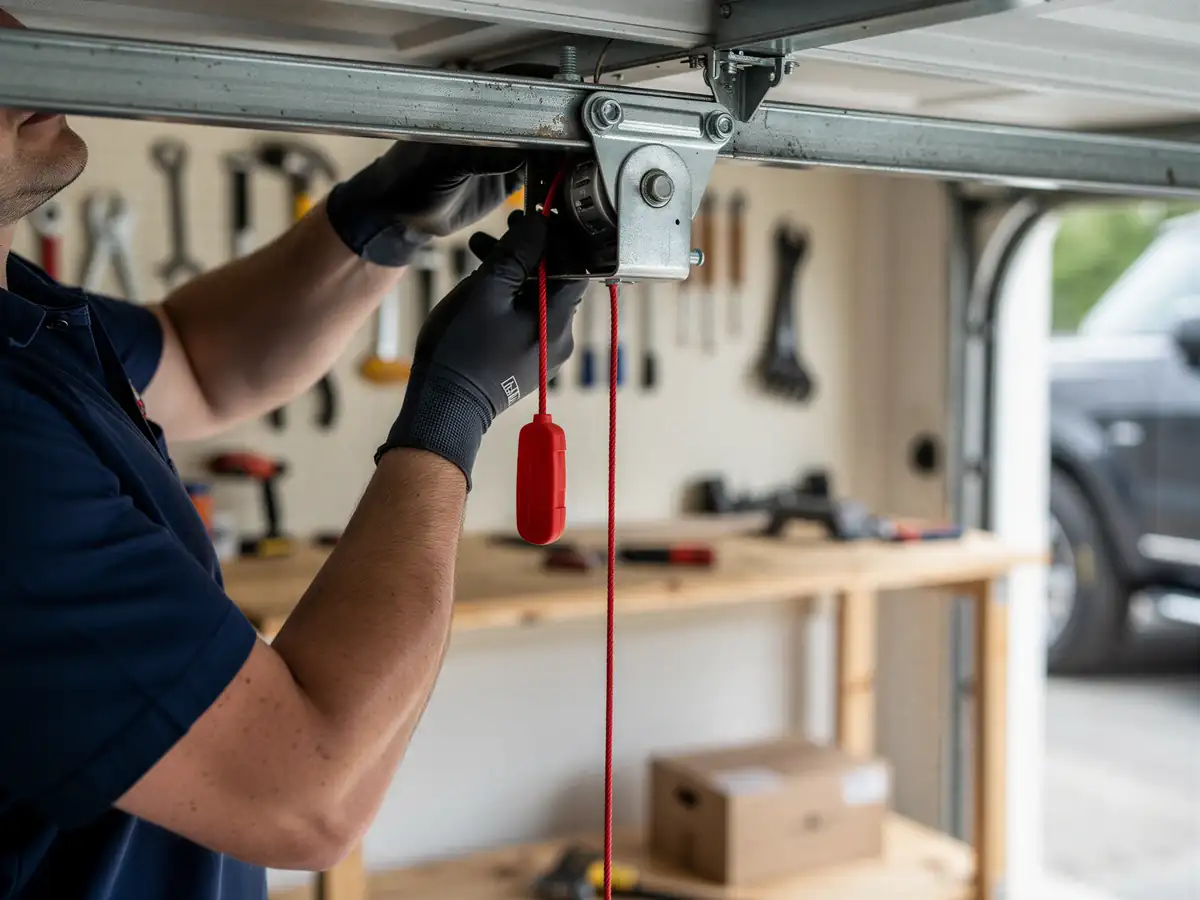
Across the 57,714 owner-occupied houses in this service area, most of the roller jobs we see end up as full-set replacements rather than single-roller patches, because if one roller on a 1970s-era door has worn through, the other nine are close behind on the same cycle count. Replacing them together costs less in labor than coming back twice.
We'll give you a real number after we've seen the door, the track, and the drums - not before. That's the only estimate worth trusting.
The Symptom
It usually starts as a sound before it becomes a problem you can see
A grinding or rattling noise as the door travels, especially near the top or bottom of its run, is the most common sign a roller has worn down or cracked. You might also notice the door shaking side to side instead of moving smoothly, or catching at the same spot in the track every time.
Look closer and you'll sometimes see it
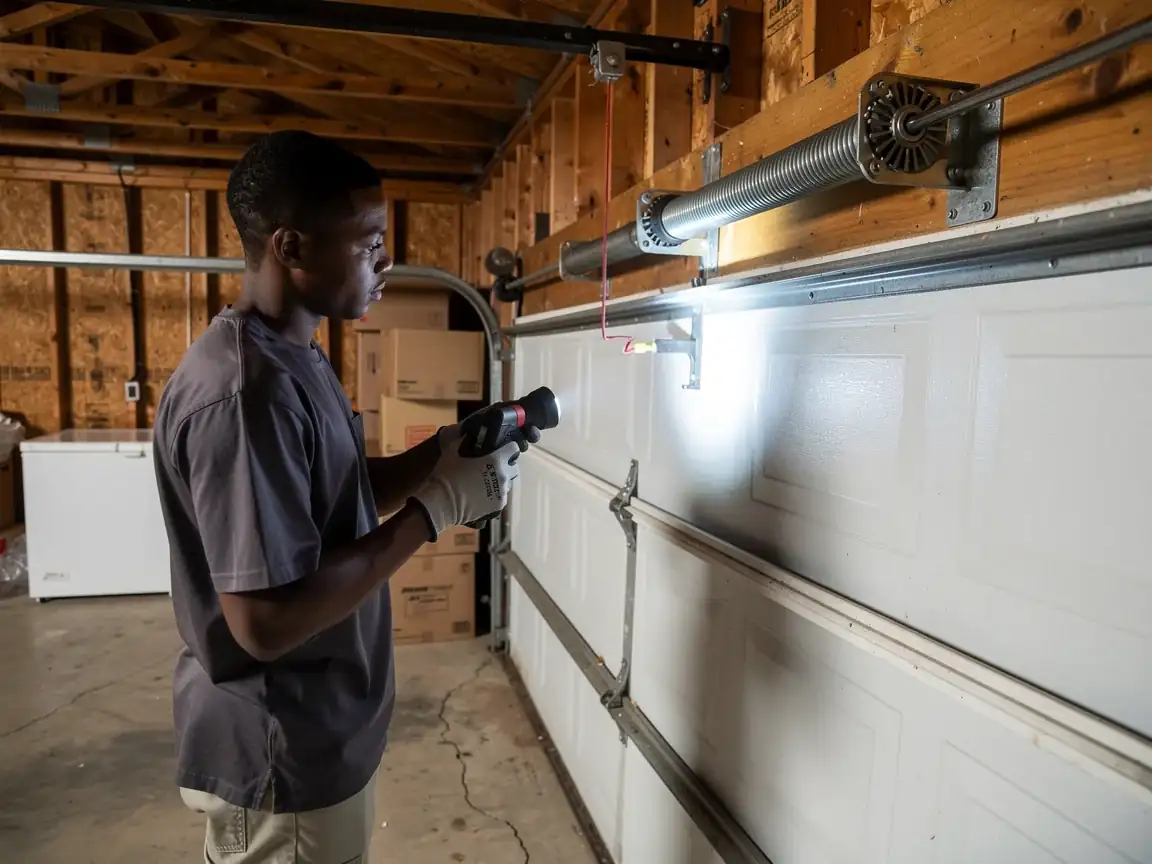
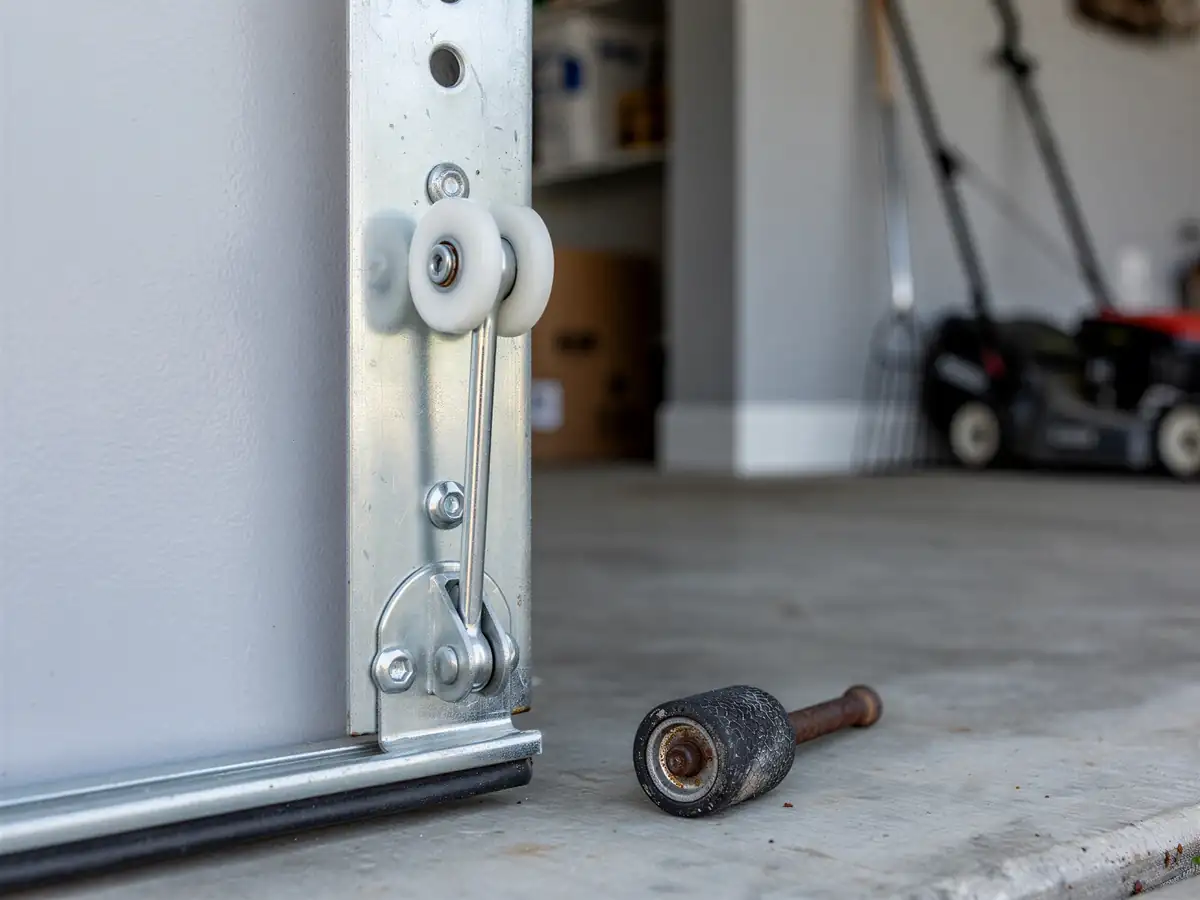
A roller that's gone from round to flat on one side, a wheel that's chipped or missing chunks, or a roller sitting loose in its hinge instead of spinning freely. In worse cases, a roller jumps the track entirely and the door won't move at all, or it moves unevenly and binds.
None of these get better with time
A worn roller puts extra strain on the one next to it, then the next, and eventually on the opener trying to pull a door that's no longer rolling cleanly. Catching it at the grinding-noise stage is a lot cheaper than catching it at the stuck-door stage.
Why It Happens Here
Housing across this service area mostly went up between 1965 and 2005, with the median build year landing around 1977, and that matters for rollers specifically. A door from that era, if it's never been upgraded, is still running on the steel rollers it shipped with - no nylon, no sealed bearings, just steel on steel in a steel track. Those rollers wear down through sheer cycle count: decades of a door going up and down wear a groove into the wheel until it stops rolling true.
Across the roughly 20 established neighborhoods that make up this area, that 1960s-and-70s housing stock means a lot of garages are carrying 45 to 60 years of roller wear on hardware nobody manufactures to the original spec anymore.
The mild temperate climate here actually works in your favor on one front: there's no hard freeze-thaw cycle putting stress fractures into nylon rollers the way you'd see in a colder state. So when a roller fails in this area, it's almost never a weather event - it's age and mileage, plain and simple. That's actually good news, because it means roller failure here is predictable, not random, and a tech can often tell you how much life is left in the rest of the set just by looking at the oldest roller on the door.