The Problem
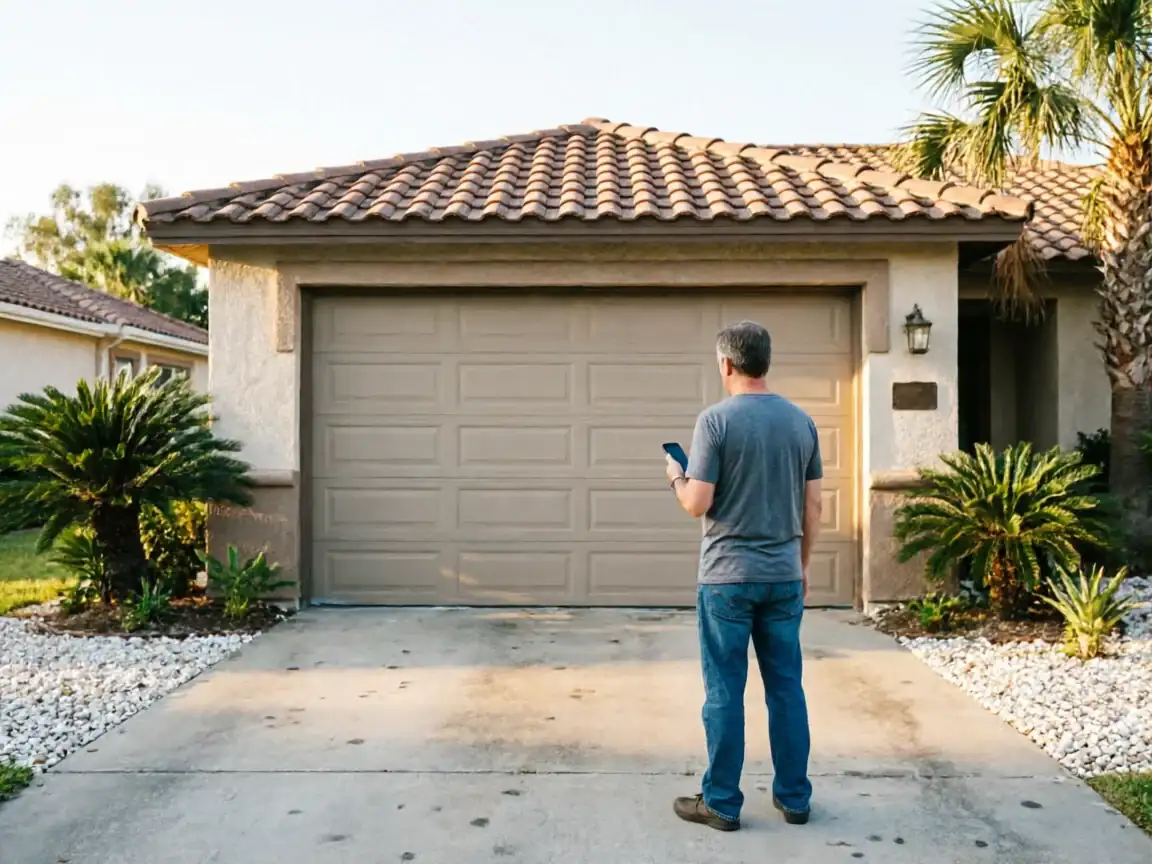
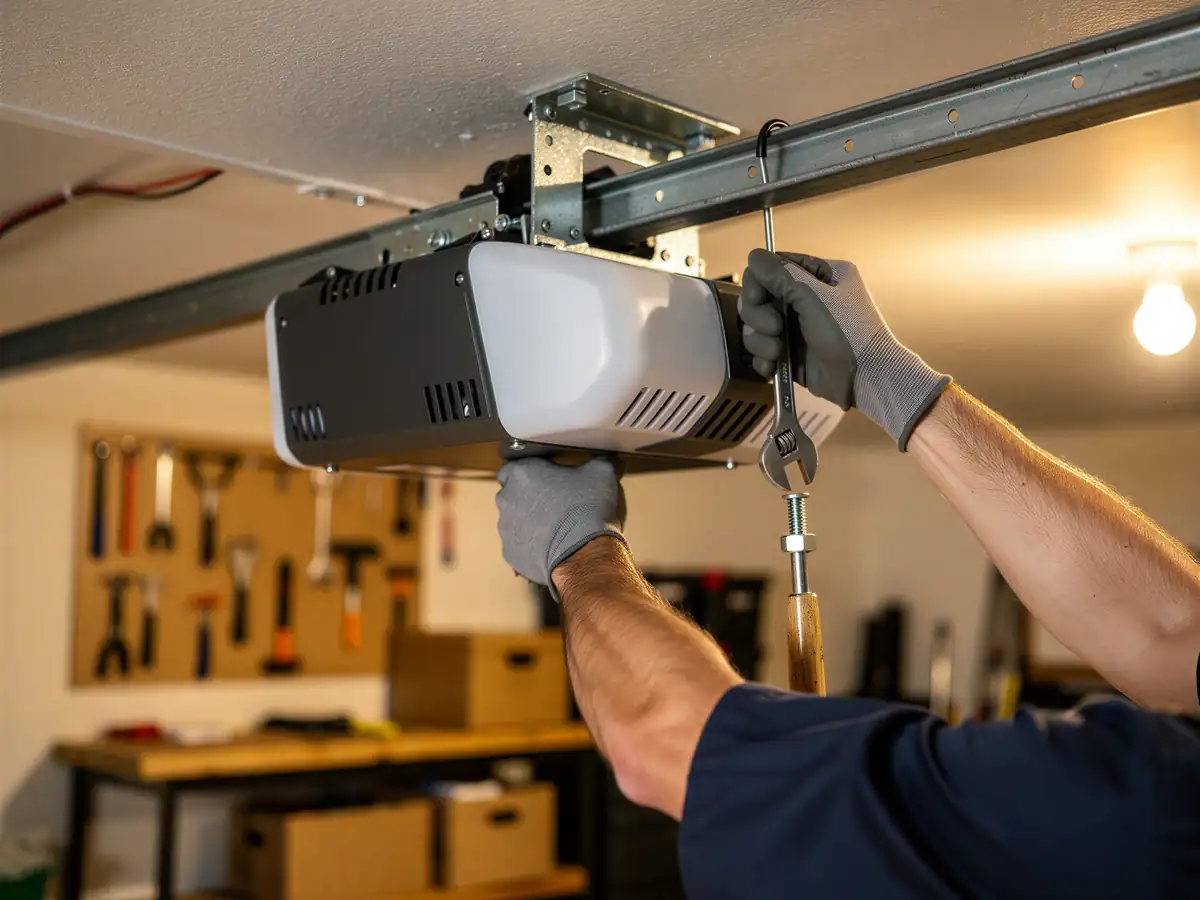
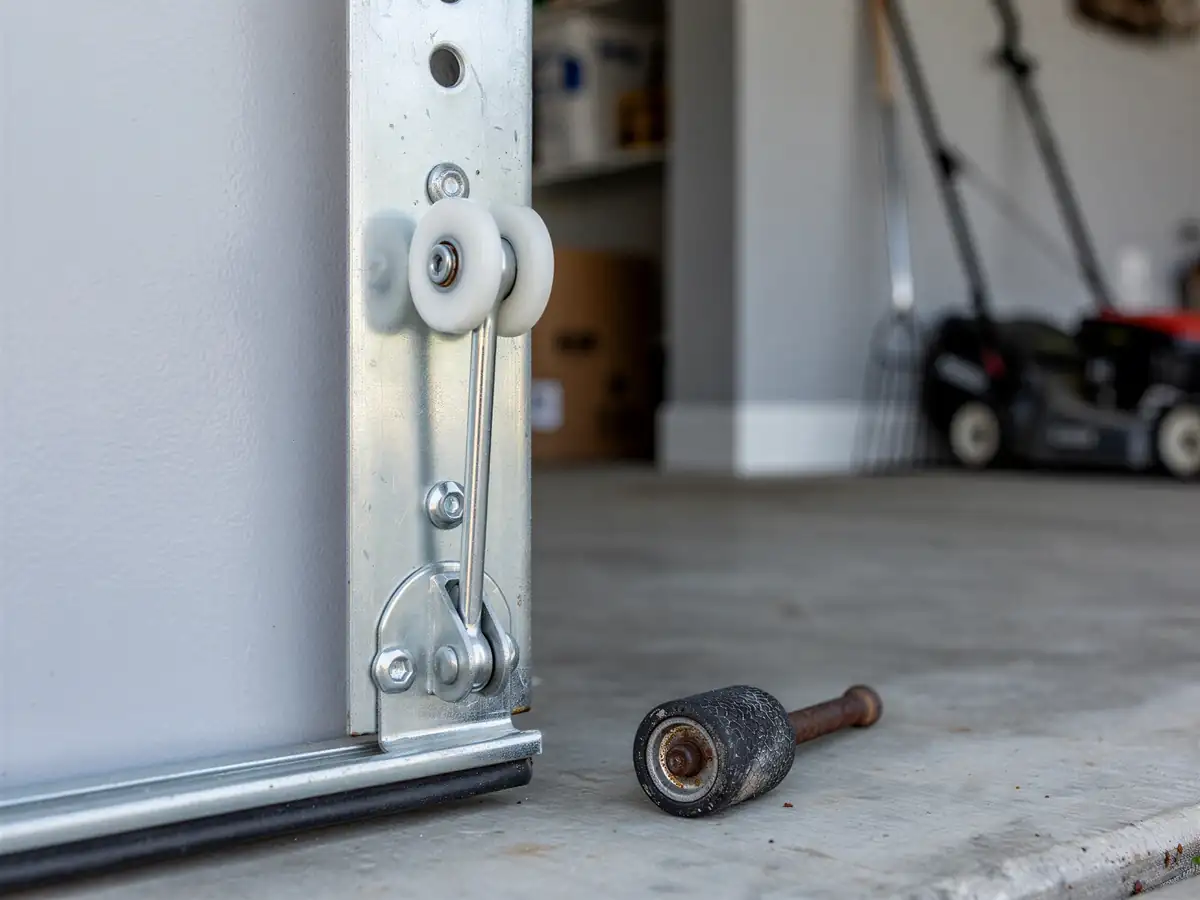
Most of the trouble we see traces back to the age of the door hardware, not the door itself. Housing in this part of Florida went up mostly between 1965 and 2005, with a median build year around 1977, which means a lot of garages still run torsion springs, rollers, and openers that are original to a house pushing forty or fifty years old. That's not a knock on the house - it's just math. Steel fatigues, nylon rollers crack, and openers from that era weren't built with the circuit boards or safety sensors that are standard now.
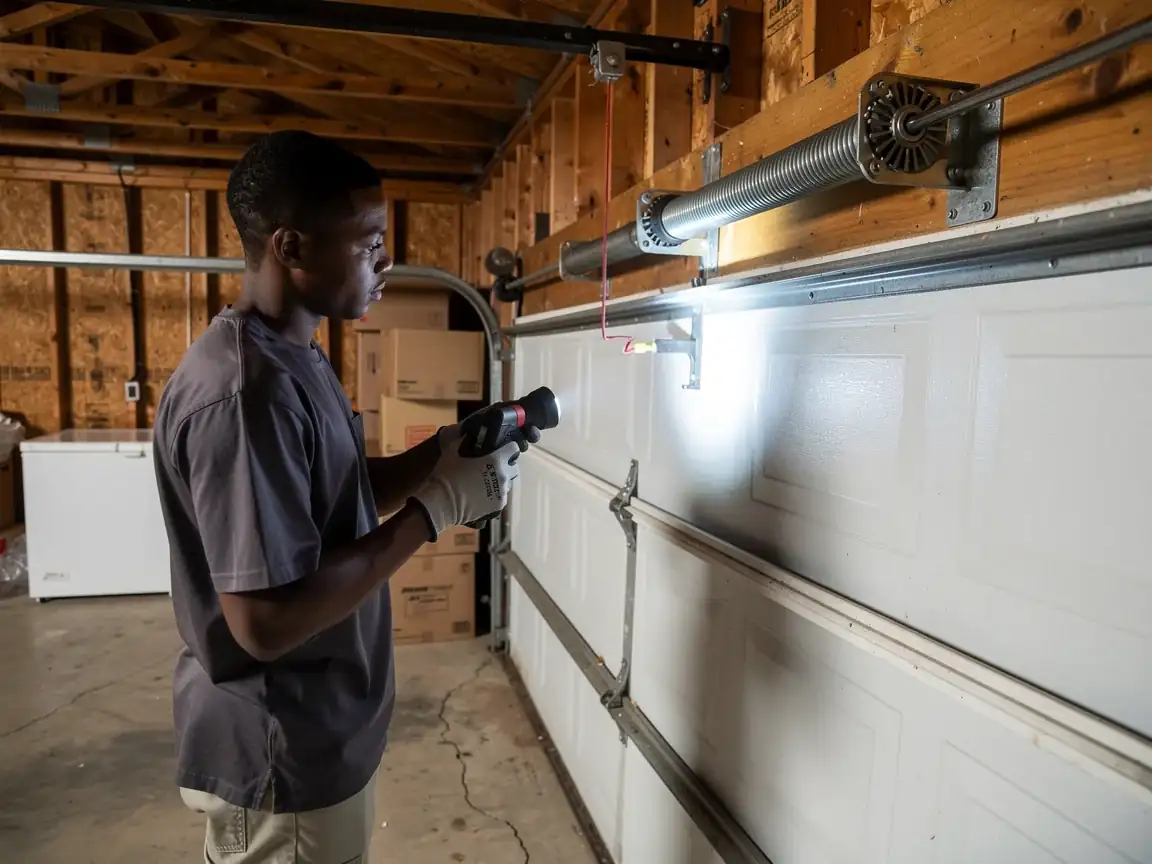
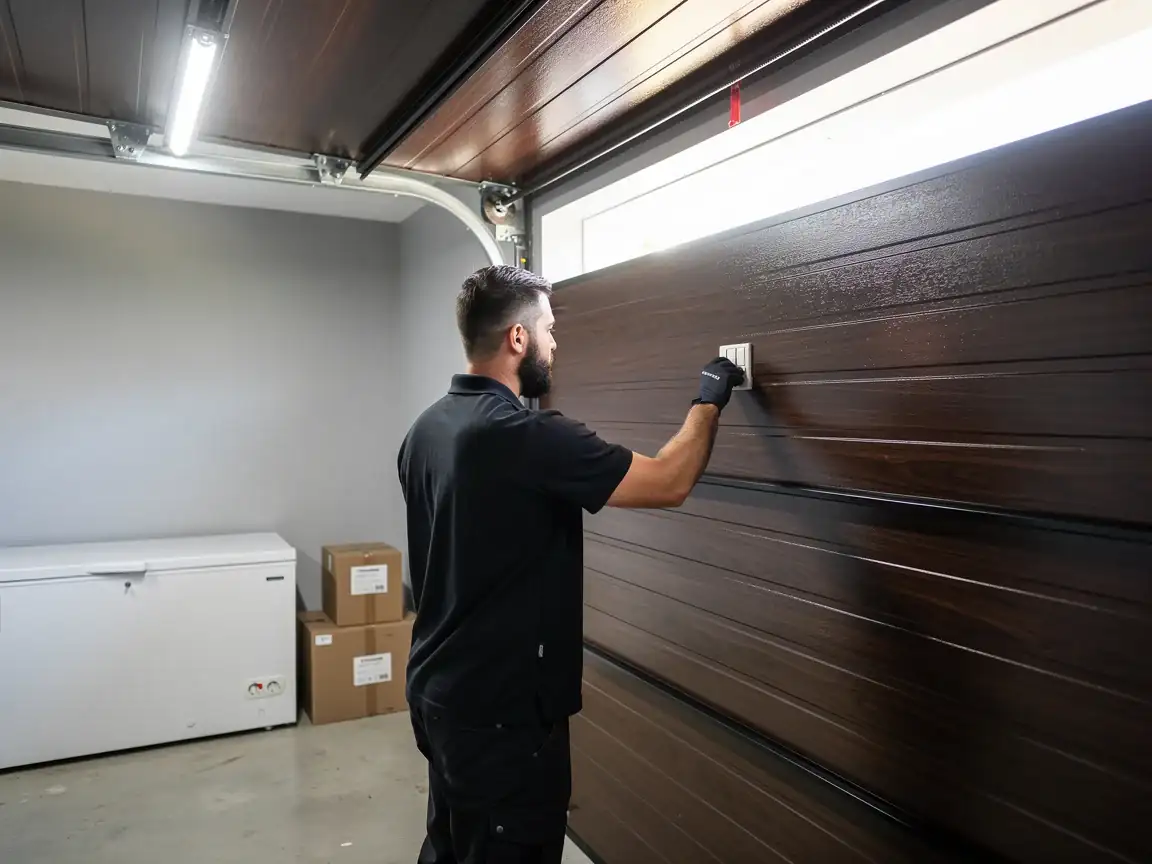
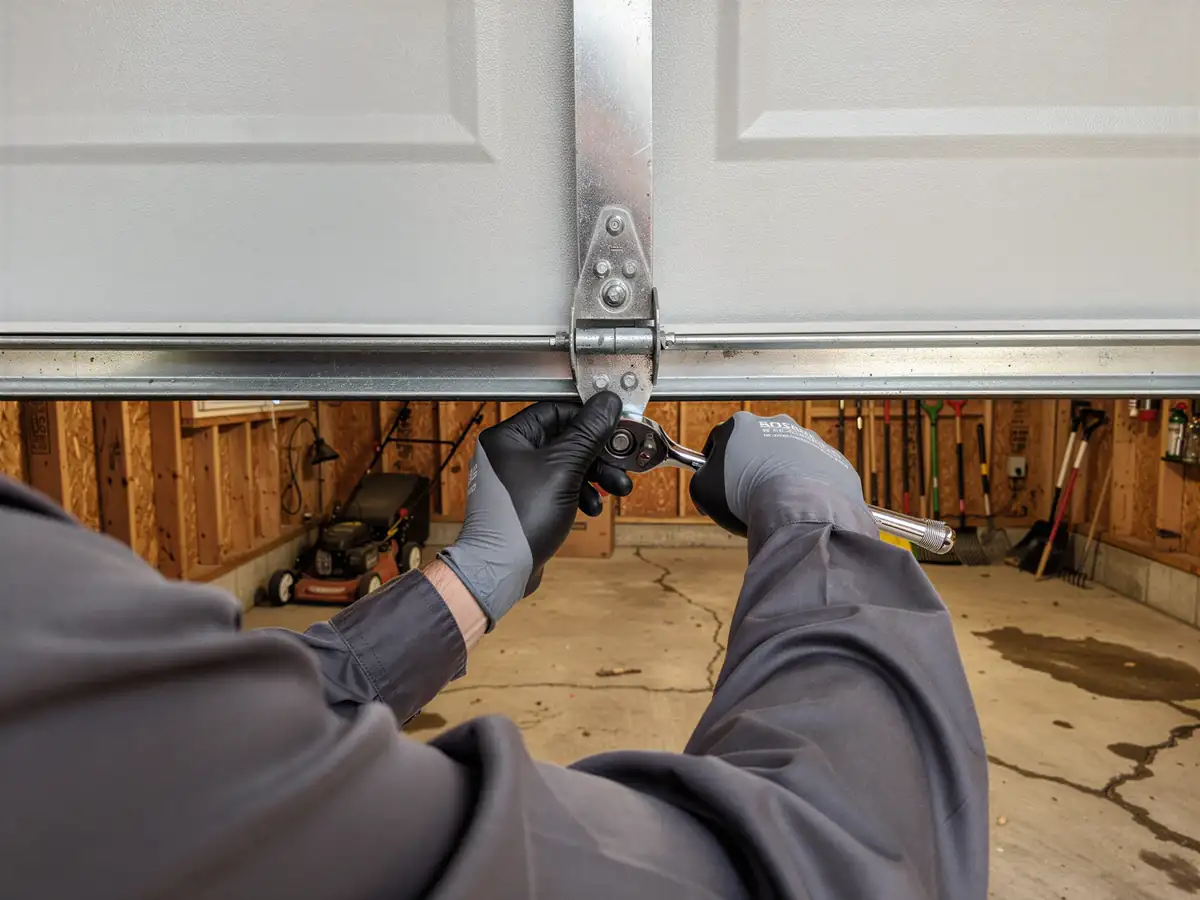
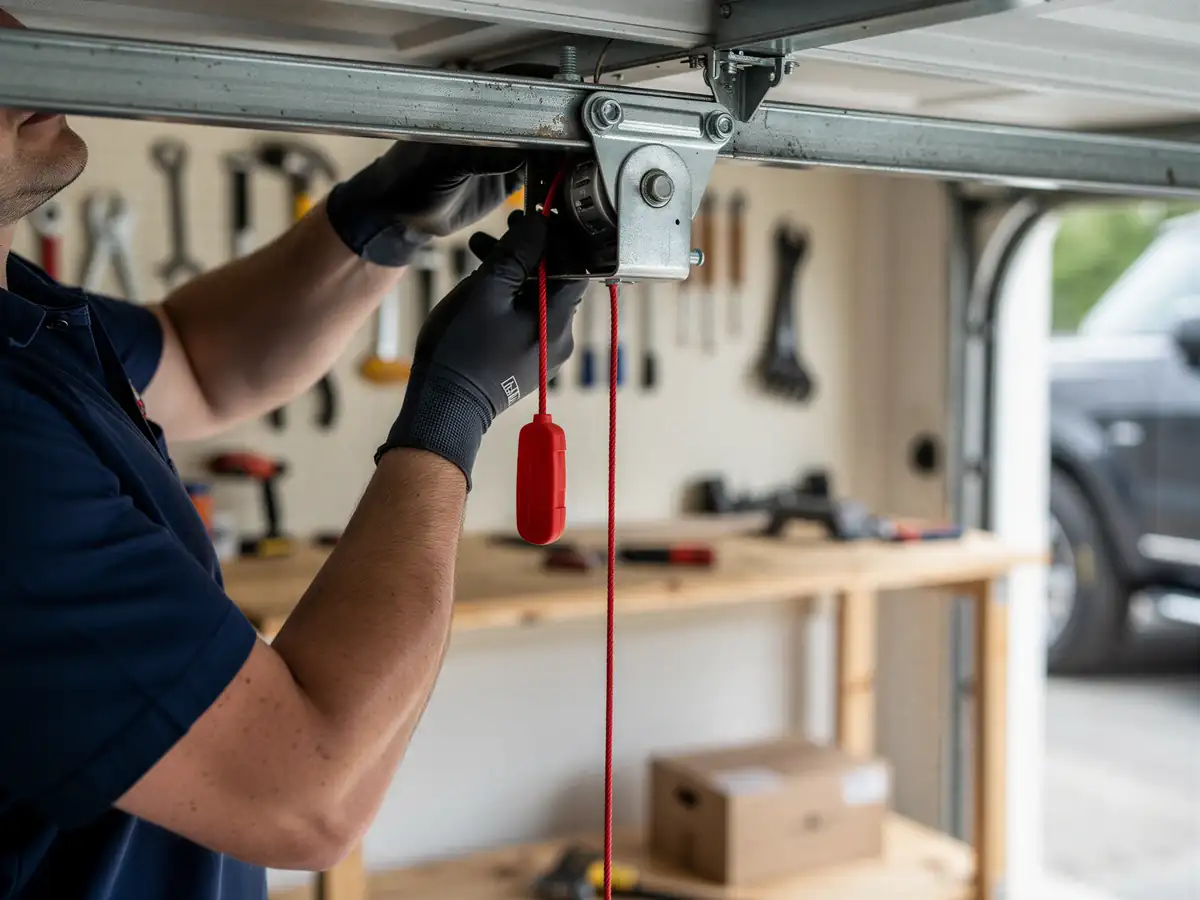
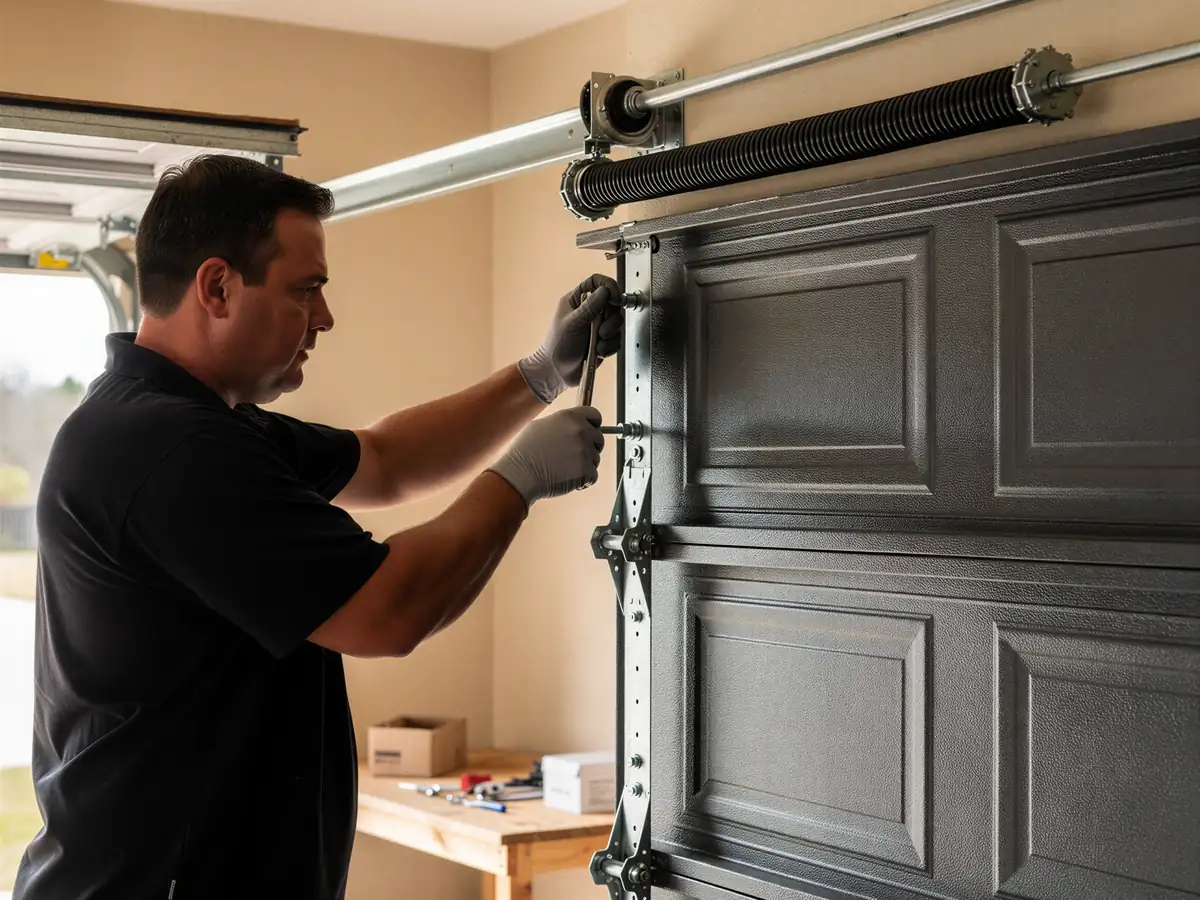
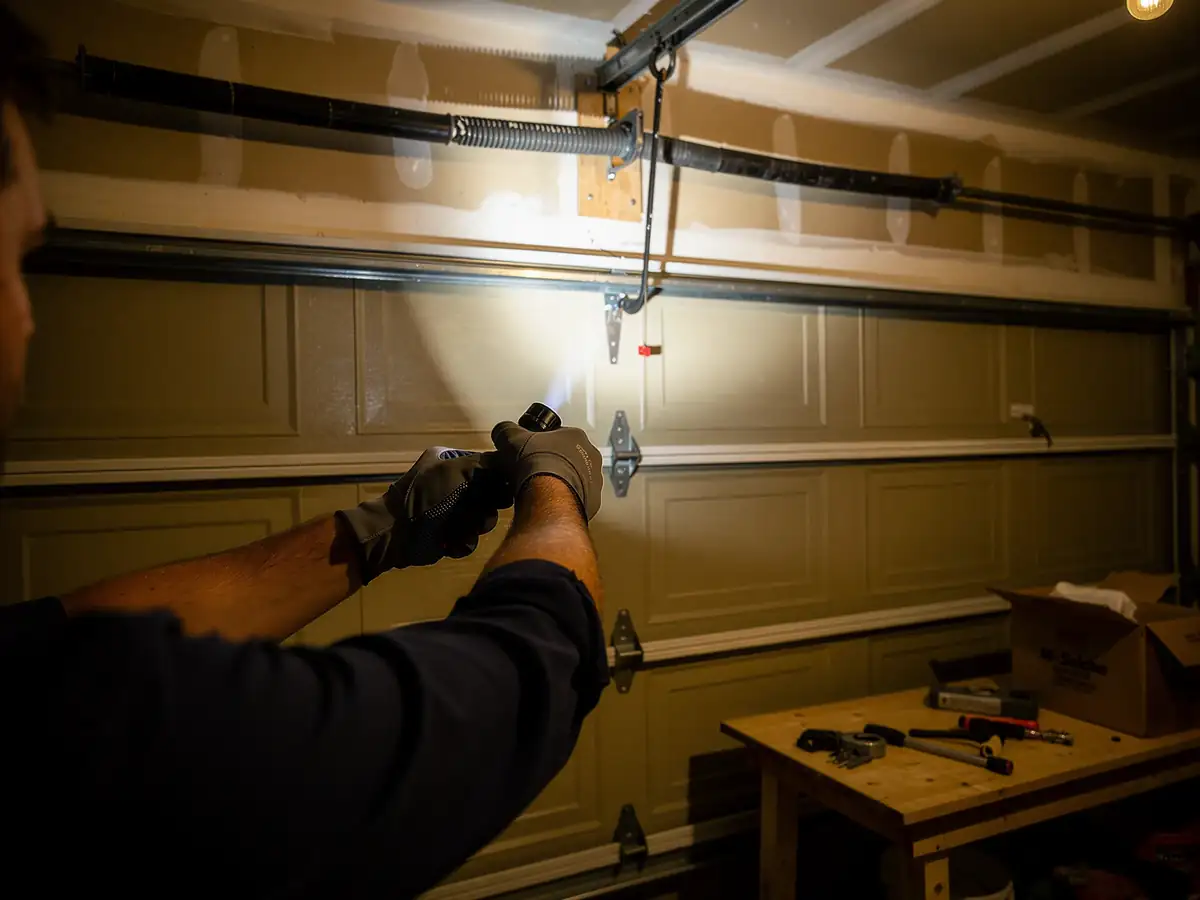
Across the twenty or so named areas that make up this part of the county, the stock skews 1960s-70s, so when we roll up to a call, we're usually not guessing at what we'll find under the hood. A service call starts with us figuring out which of those original parts are still doing their job and which ones are one cycle away from failing. We check the spring tension, the cable wear, the track alignment, and the opener's force settings, because on a door this old, more than one of those is usually off at the same time.
What It Costs
We're not going to put a number here that we can't back up for your specific door. What drives the cost of a service call isn't a flat rate - it's what we find once we're under the door. A door with its original 1970s-era torsion spring and a newer opener bolted on top is a different job than one where everything's original. Multi-point failures cost more than single-part fixes, plain and simple.
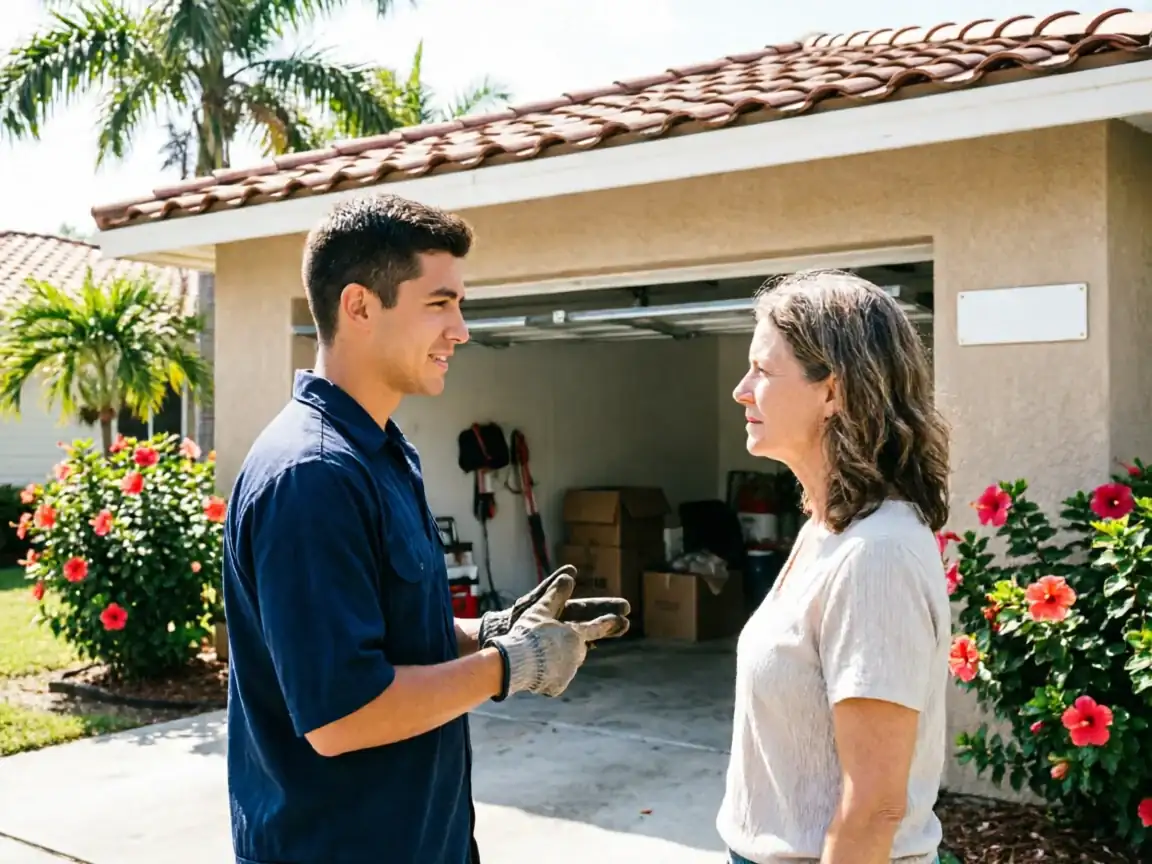
What we can tell you is how we scope it: diagnosis first, then a clear breakdown of parts and labor before anything gets replaced. If a spring is close to its cycle limit but not broken yet, we'll say so and let you decide whether to replace it now or wait. We don't pad a call with work the door doesn't need, and we'll tell you flat out if a repair isn't worth it compared to swapping a worn opener for good.
Doing Nothing For Now
Waiting on a garage door problem here carries a specific risk tied to how old a lot of this hardware is
A torsion spring built to the standards of 1977 wasn't engineered for 2024 service life, and when one of those finally lets go, it tends to go all at once rather than giving you warning squeaks for months. On a door that old, a stuck roller or a frayed cable is often the last symptom before a full stop, not an early one.
Our climate here is mild temperate
So we don't get the brutal freeze-thaw cycles that crack concrete slabs or seize metal tracks the way colder regions do. That buys some time on cosmetic wear. But mild and humid still means moisture gets into old bearing plates and springs that haven't been lubricated in years, and corrosion doesn't announce itself the way a loud spring does. If a door's been sticking or groaning for a few months, it's worth a look before it's a Saturday-morning no-go.
What Local Conditions Do
The mild temperate climate here is easier on garage doors than most of the country gets, and that's a real advantage - no deep freezes, no snow load, no wild seasonal swings that stress steel panels. But easier isn't the same as nothing to worry about. Year-round humidity and salt air, common across this coastal stretch from Ocean Ridge and Lantana up through Lake Worth Beach, work slowly on exposed hardware: springs, hinges, and bottom brackets corrode faster here than they would inland or up north, even without hard weather to blame.
That's part of why a door built in the 1970s or 80s on this side of the county often shows more hardware corrosion than you'd expect from its age alone, even when the panels themselves have held up fine. A service call in this area usually includes a closer look at corrosion on fasteners and spring coils than it might somewhere with a drier climate, because that's the failure point that actually shows up on these older builds.