Booking a Visit
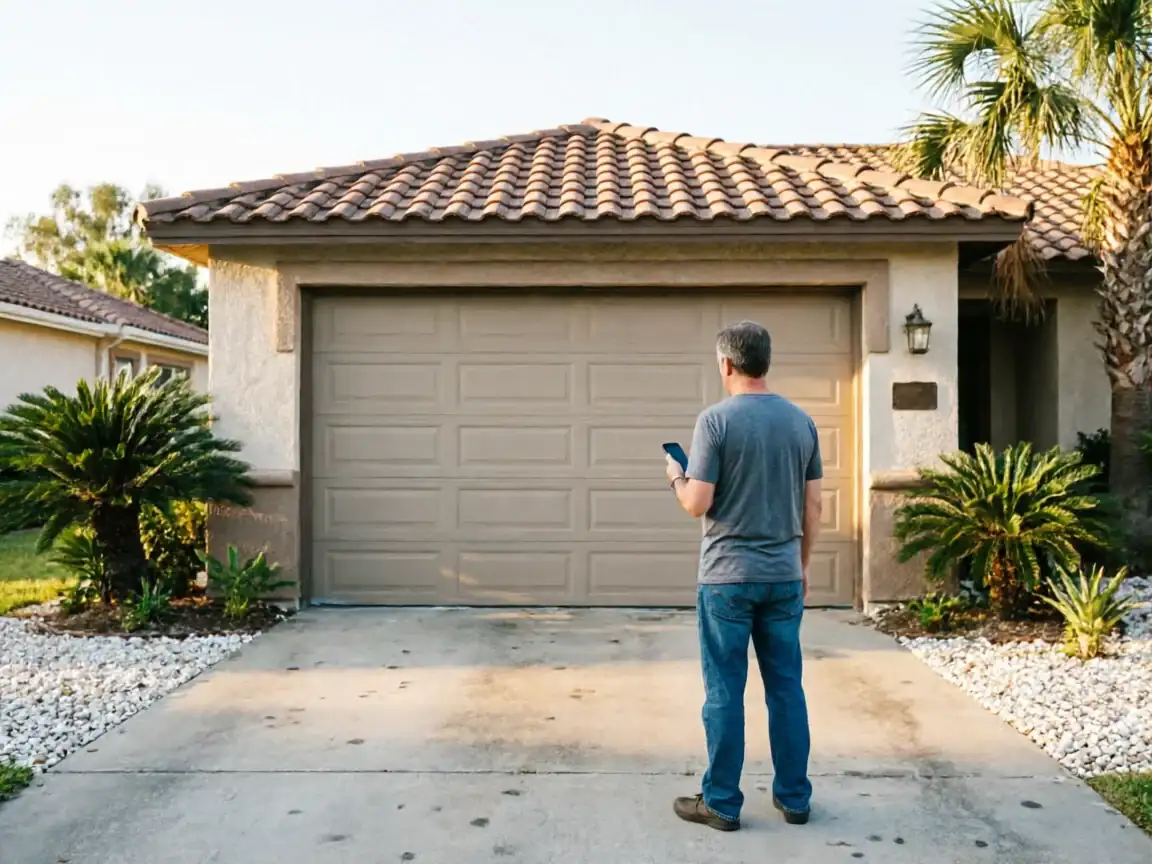
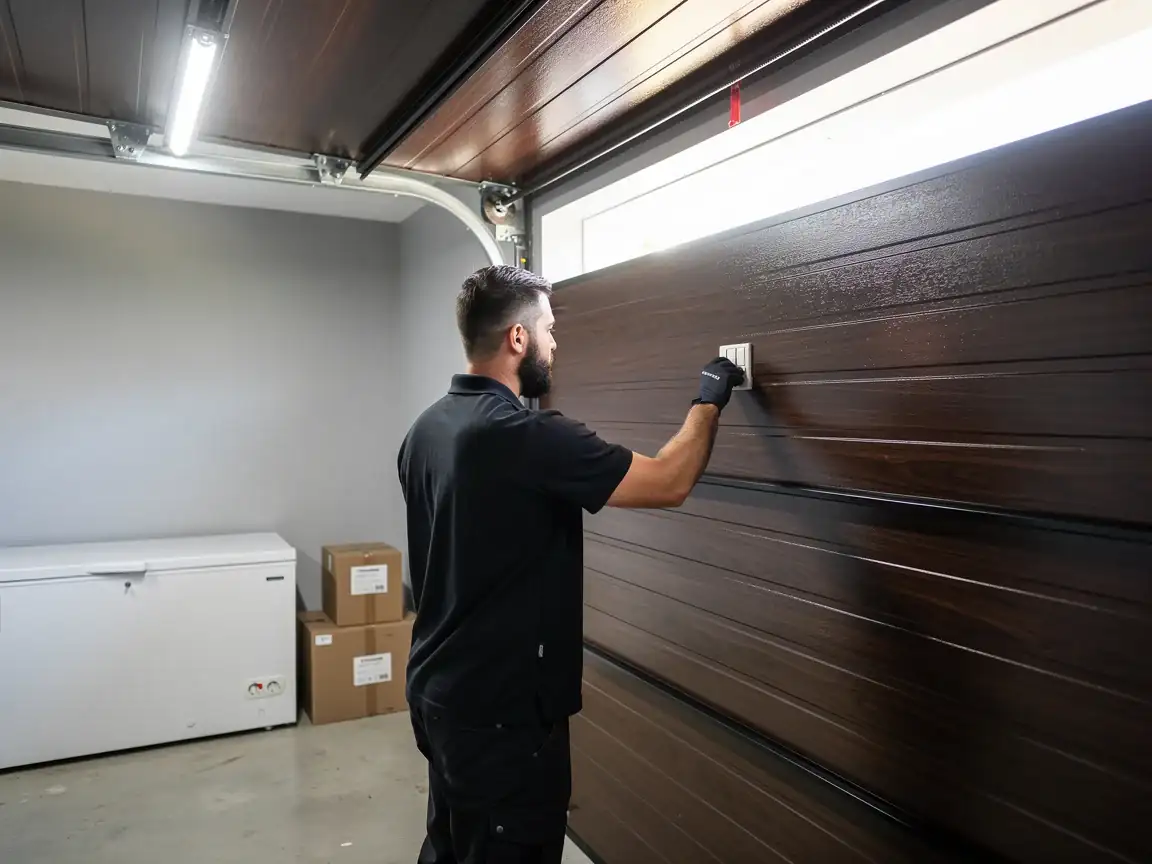
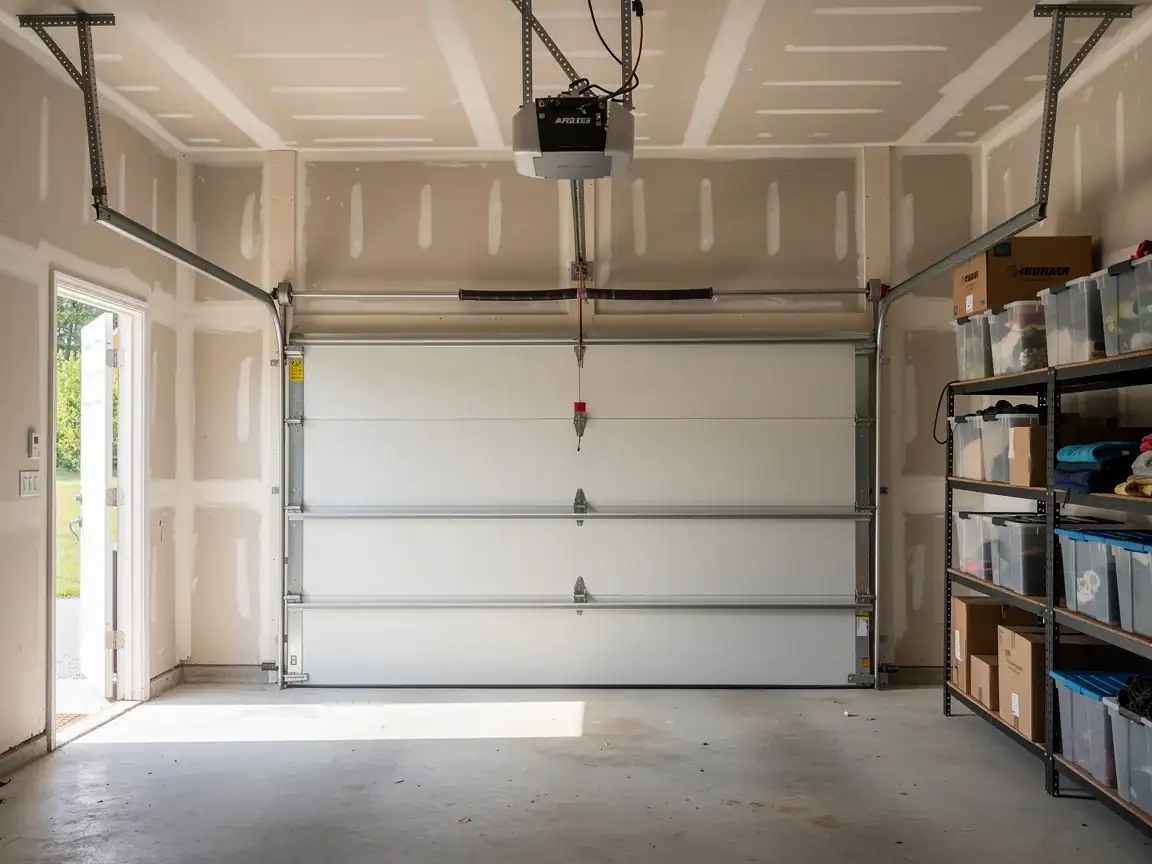
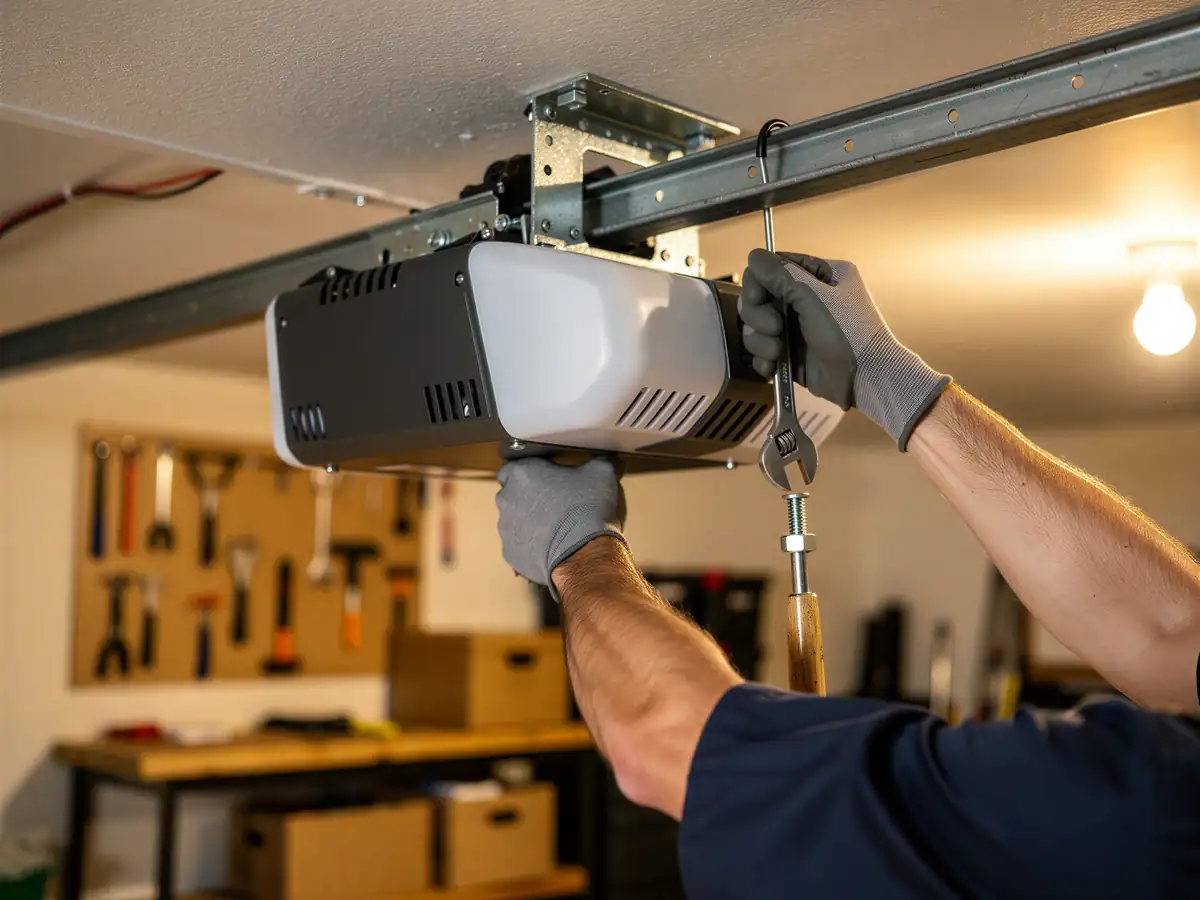
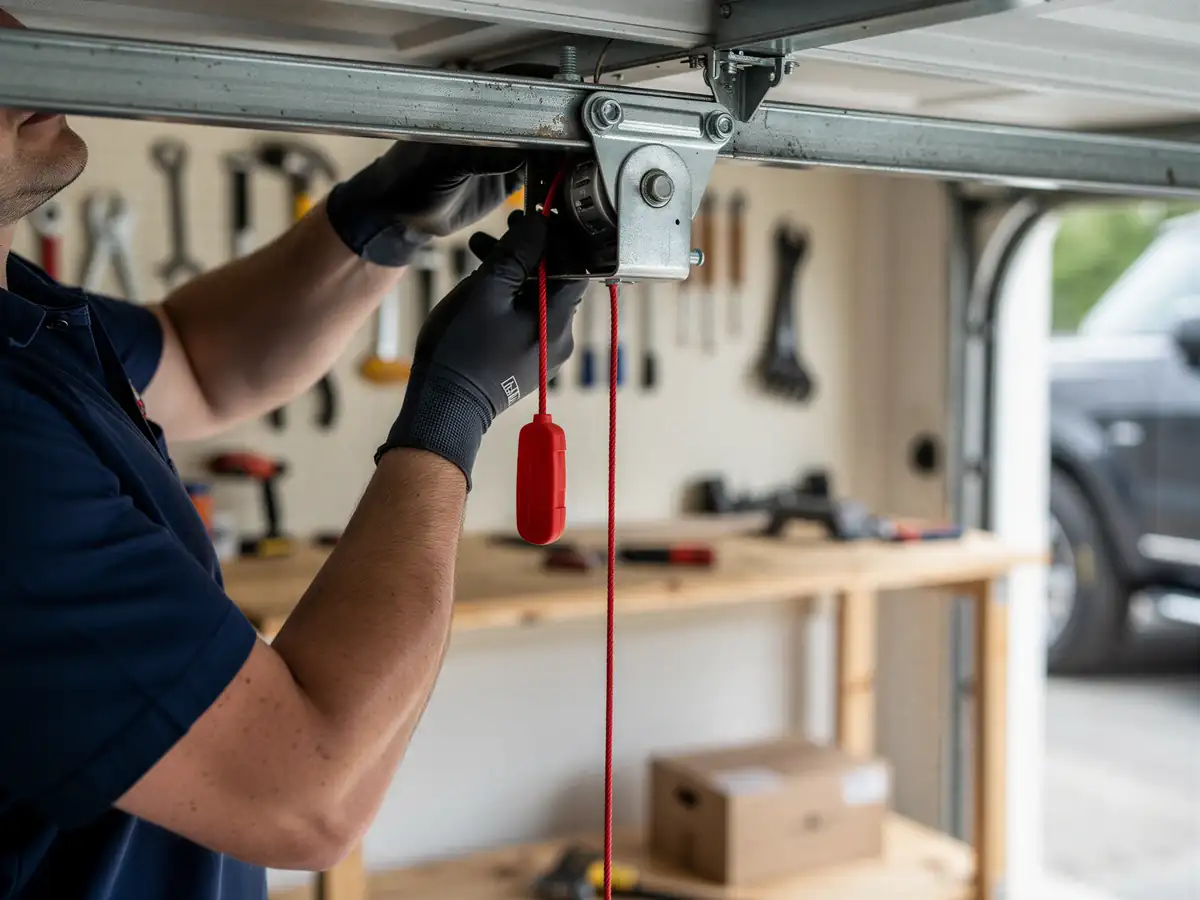
Opener trouble usually shows up at the worst time - door stuck open at night, or it won't budge when you're already late. When you call, tell us what the opener is actually doing: grinding, humming with no movement, lights blinking a code, or just dead silence. That tells us what to bring so we're not making a second trip for a part we should've had in the truck the first time.
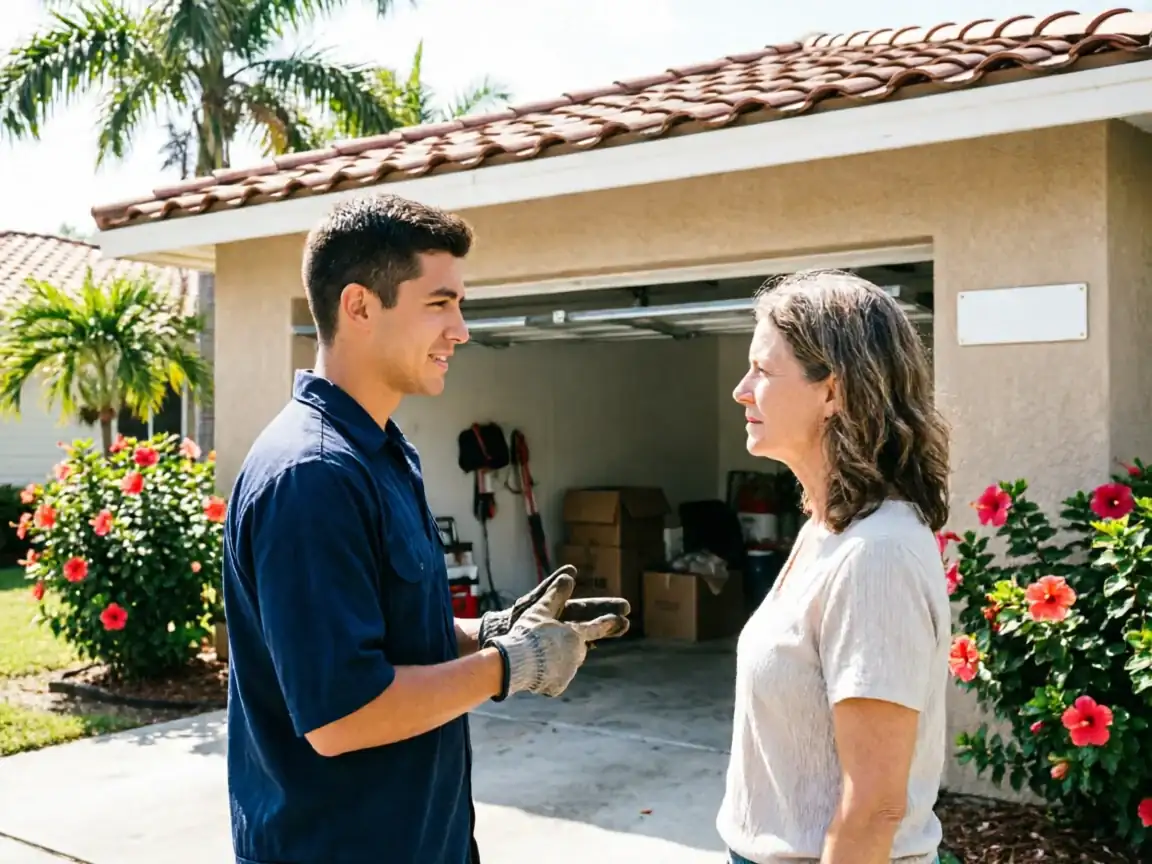
We work across the whole service area - Boynton Beach out to the nearby towns like Ocean Ridge, Golf, Manalapan, and Lantana - so we ask for a cross street or landmark near you when we schedule, since travel time varies more than people expect once you're a few miles out.
If your opener is original to the house and the logic board is fried, we'll say so up front rather than chasing a repair that won't hold. You can read more about the company on our home page.
One thing we won't do is promise a same-day slot before we've actually looked at the calendar. If we can't get to you today, we'll tell you that on the call, not after you've waited around for a truck that isn't coming.
What It Costs
We're not going to throw a number at you here, because opener repair cost depends on what's actually broken - a travel module, a gear set, a circuit board, or the whole unit - and that varies job to job. What we can tell you is what drives the decision: if the motor itself has failed on a unit that's 15-20 years old, which matches a lot of the opener stock in homes built here between 1965 and 2005, replacement is usually the better call than hunting down parts for a discontinued model.
The honest limitation: some older opener boards and gear kits are no longer made, and we're not going to quote you a repair on a part we can't source. If that's the situation, we'll tell you straight and talk replacement instead of stringing out a repair that won't last.
Across this service area, household income runs well above the state median, and a lot of owners choose to replace rather than nurse along a 20-year-old unit once the second or third part fails. That's not a sales pitch - it's just what we see when gear sets, capacitors, and boards start going one after another on the same opener.
The Symptom
The most common call we get isn't a door that won't open
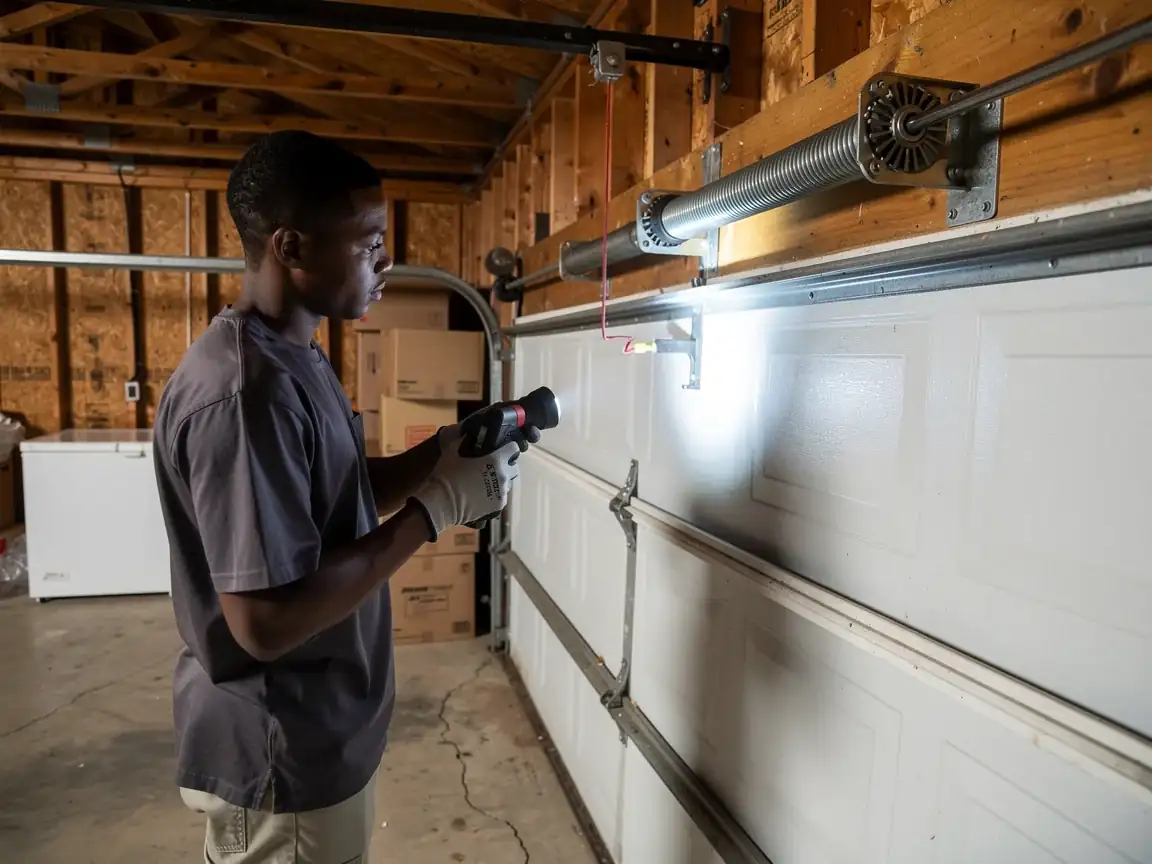
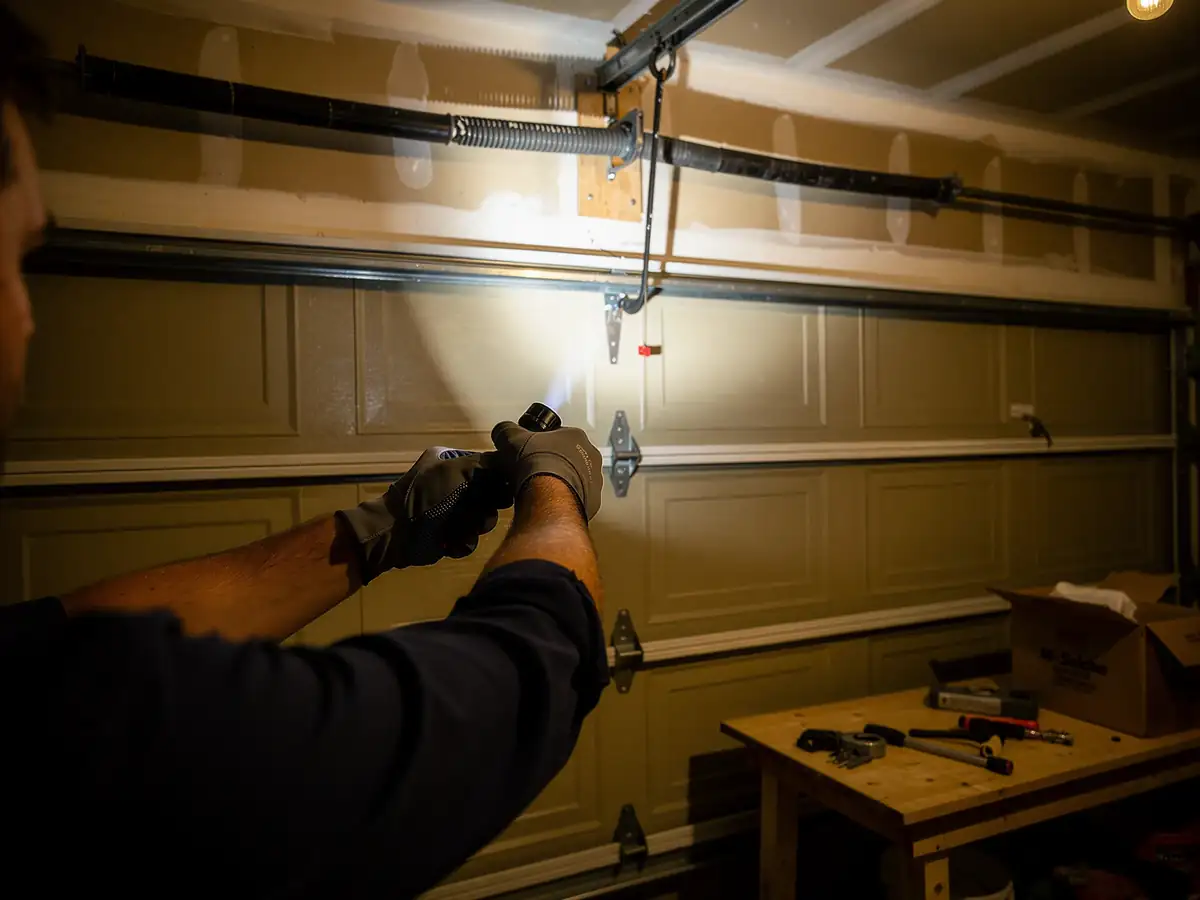
It's a door that opens partway, reverses for no reason, or runs but the light on the opener keeps blinking a number of flashes that doesn't mean anything to the homeowner. Underneath that is usually one of a short list: worn drive gear (plastic, and it strips with age), a safety sensor that's drifted out of alignment or gotten fogged with condensation, or a logic board that's taking voltage spikes it wasn't built to handle.
A door that groans but doesn't move is almost always the gear, not the motor
The motor spins fine, it just isn't connected to anything anymore. A door that reverses immediately on close is almost always the sensors, not the opener itself. People replace the whole unit for a sensor problem more often than they need to.
If the opener trips the breaker or smells hot, stop running it
That's not a worn gear - that's a short, and running it again risks the motor winding.
Why It Happens Here
Most of the housing across Boynton Beach and the twenty neighborhoods we cover went up between 1965 and 2005, with a lot of that stock dating back to the 1960s and 70s. That means a large share of garage openers in this area are original or close to it - units built for a different humidity load than what they actually sit in, day after day, in a garage that isn't climate controlled.
Boynton Beach sits in a mild temperate band, which sounds easy on equipment compared to places with hard freezes, but the trade-off is moisture. Garages here run humid for most of the year, and that's rough on circuit boards, sensor lenses, and the metal contacts inside a logic board housing. Corrosion creeps in slowly, then a board that worked fine for a decade starts throwing faults with no obvious trigger.
With 57,714 owner-occupied houses across this service area, a huge share of them are still running whatever opener came with the house - meaning the failure we see most isn't abuse, it's just age plus humidity doing what it does to anything with a circuit board sitting a few feet off a concrete slab.