Booking a Visit
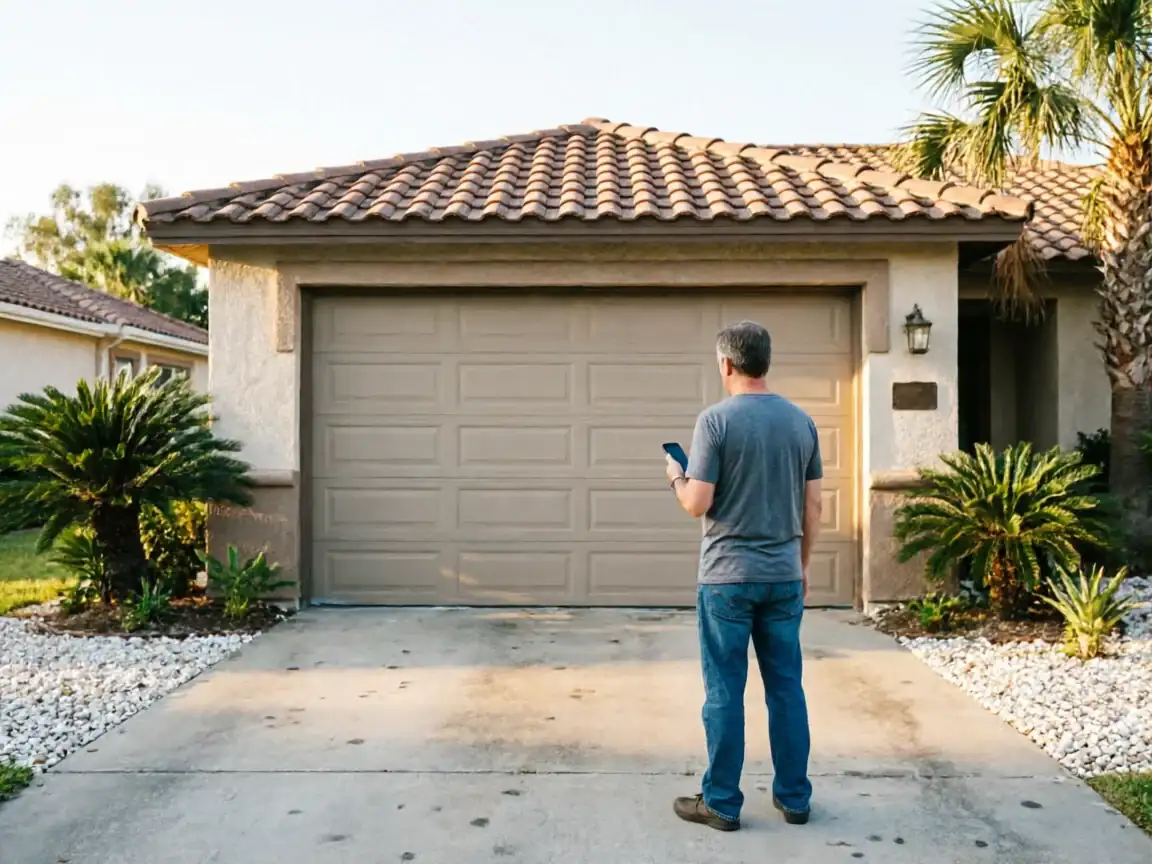
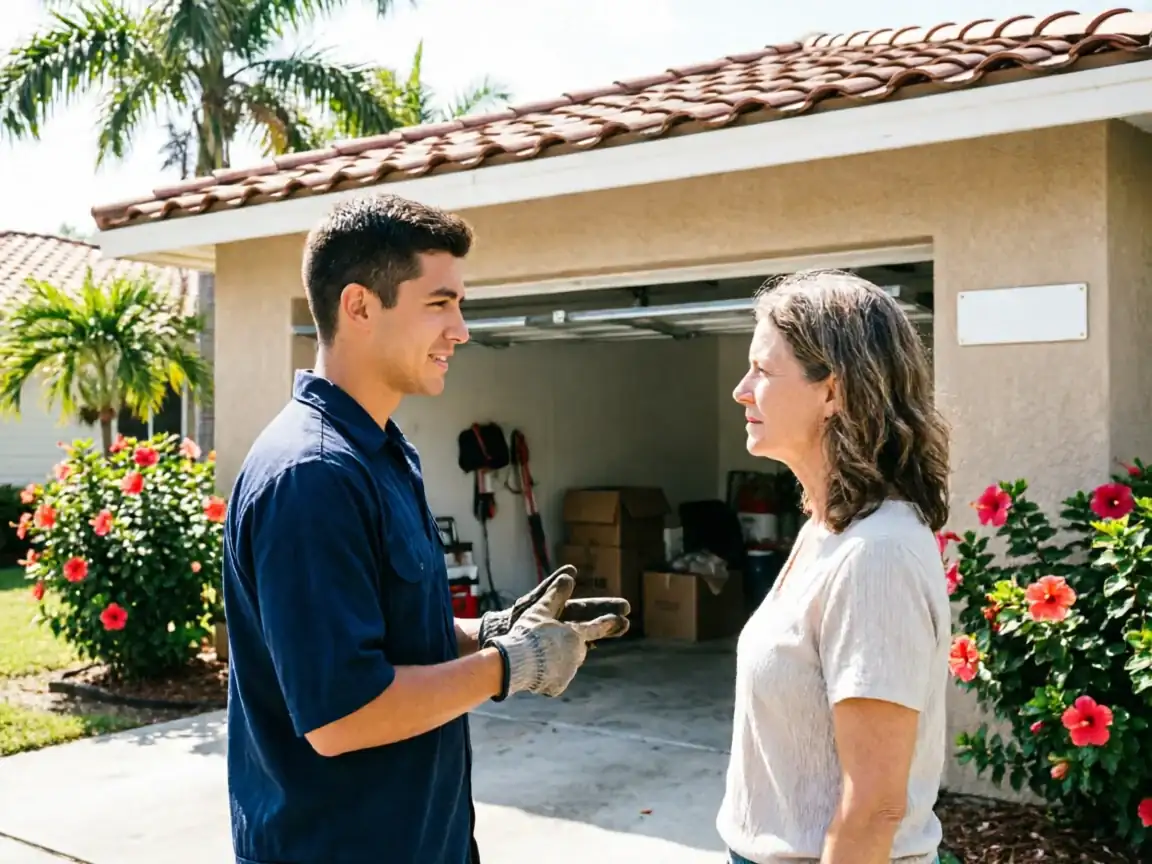
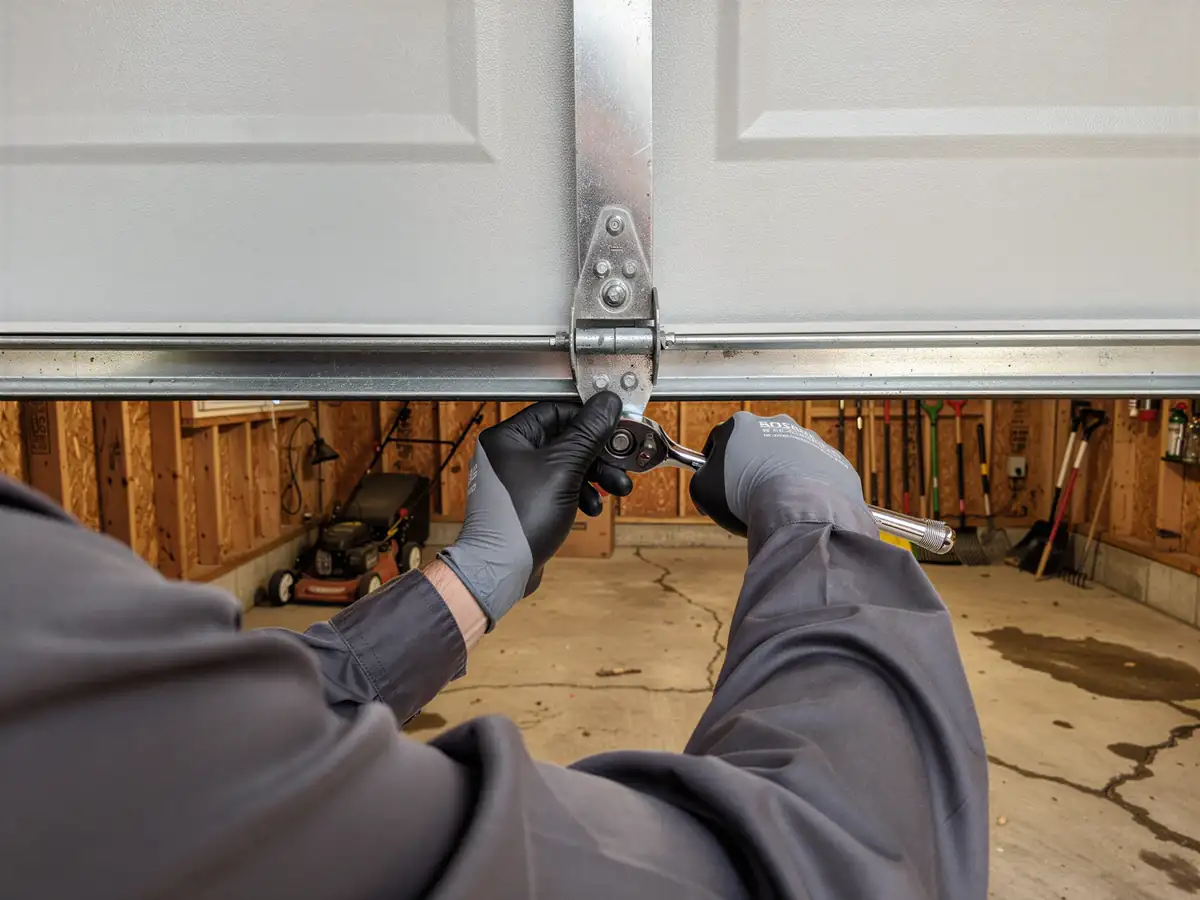
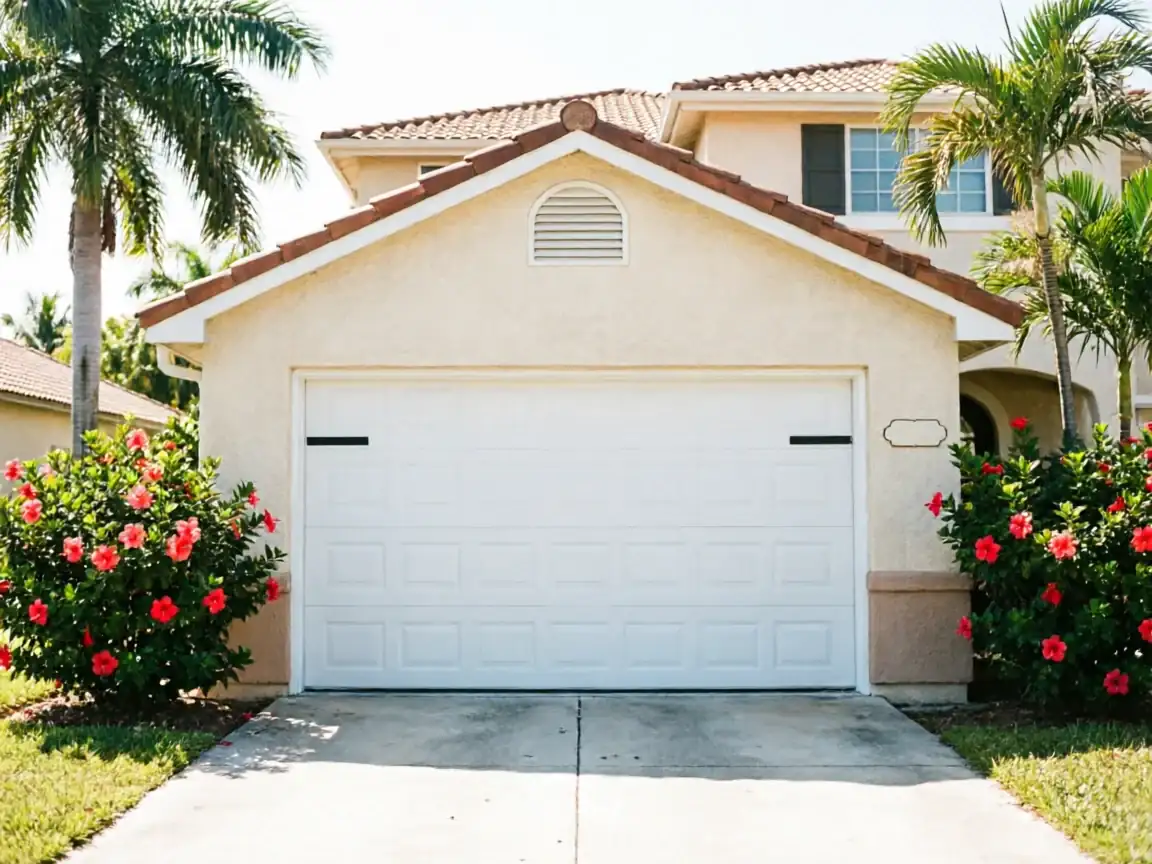
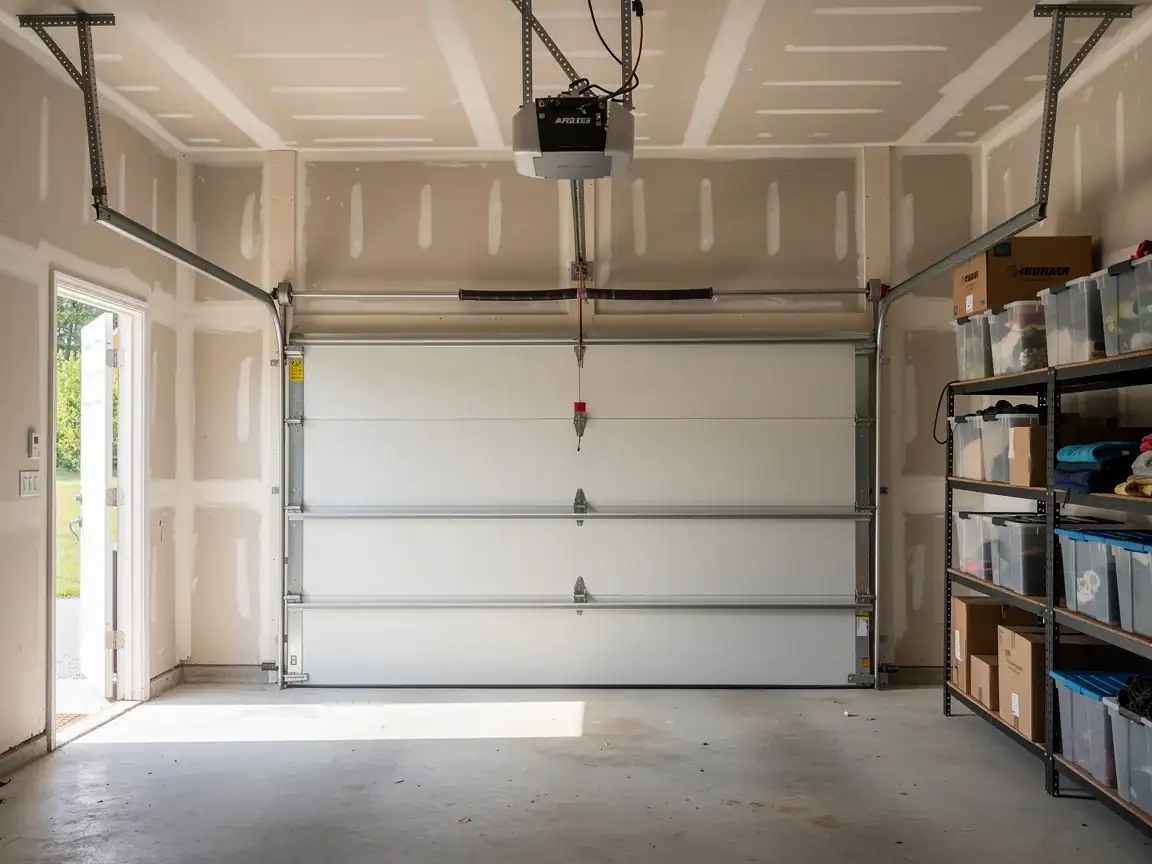
Call and tell us what the door is doing, or not doing, and we'll walk you through what a visit looks like before anyone shows up at the house. Most of Boynton Beach's housing went up between 1965 and 2005, with a lot of it concentrated in the 1960s-70s wave that runs through the twenty named areas that make up this town. That matters for a visit because it tells us roughly what track width, header height, and spring type we're likely dealing with before we open the truck. We'll ask for the age of the house and whether the door has been touched since you bought it. If you don't know, that's fine - we measure on site. One thing we won't do is quote a full replacement over the phone sight unseen; a door install needs an actual look at the opening, the framing, and what's left of the old hardware.
What It Costs
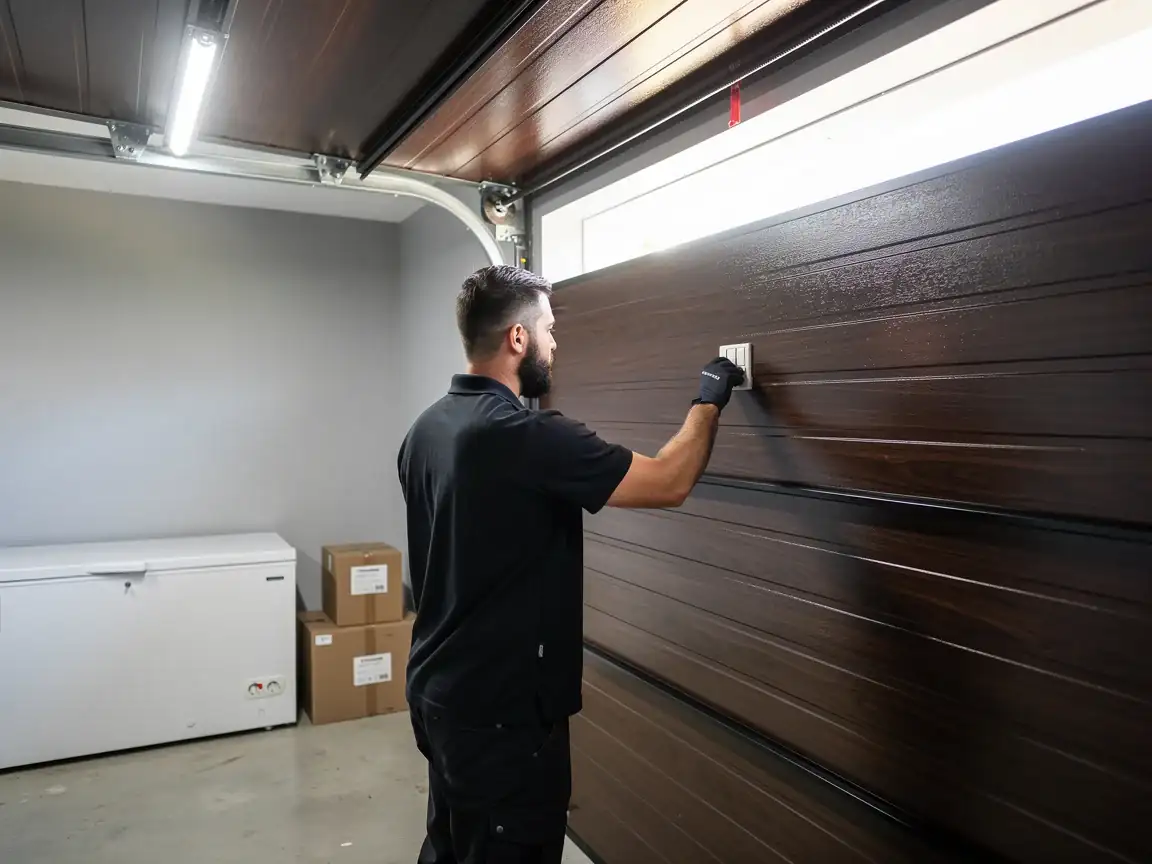
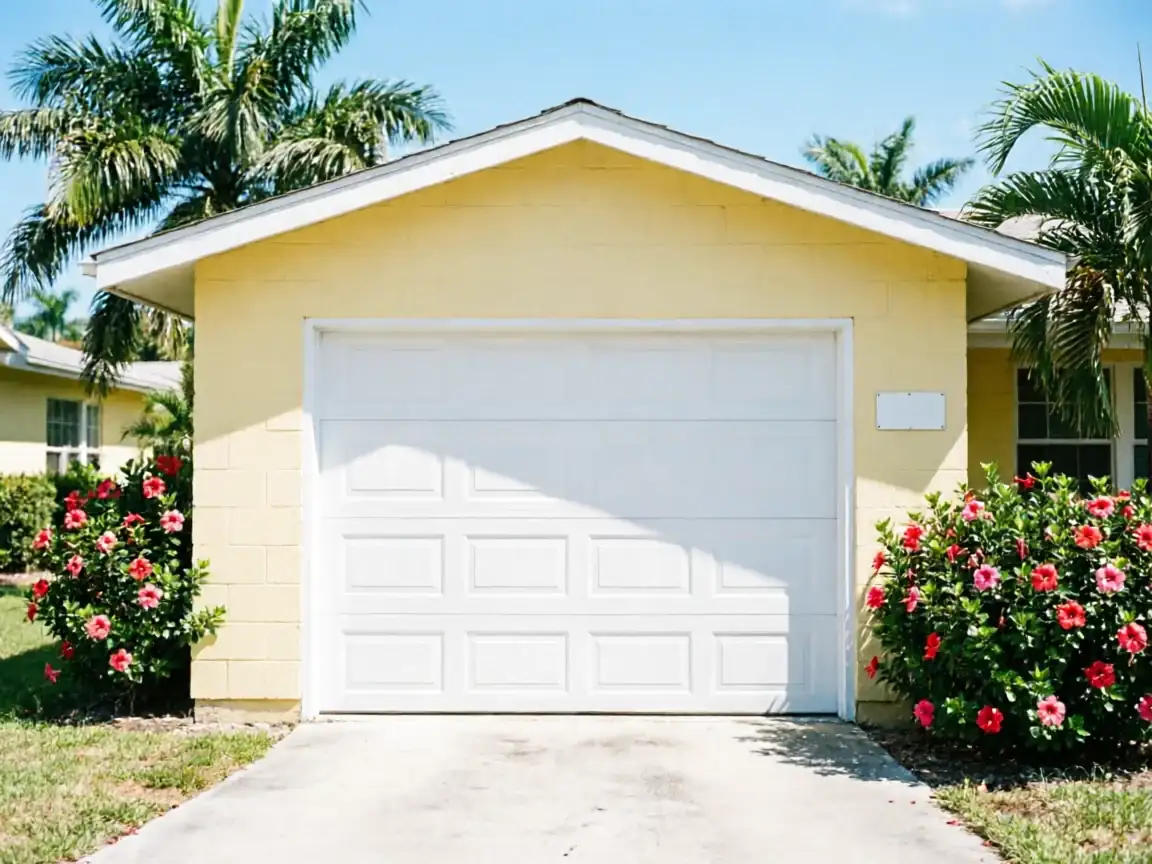
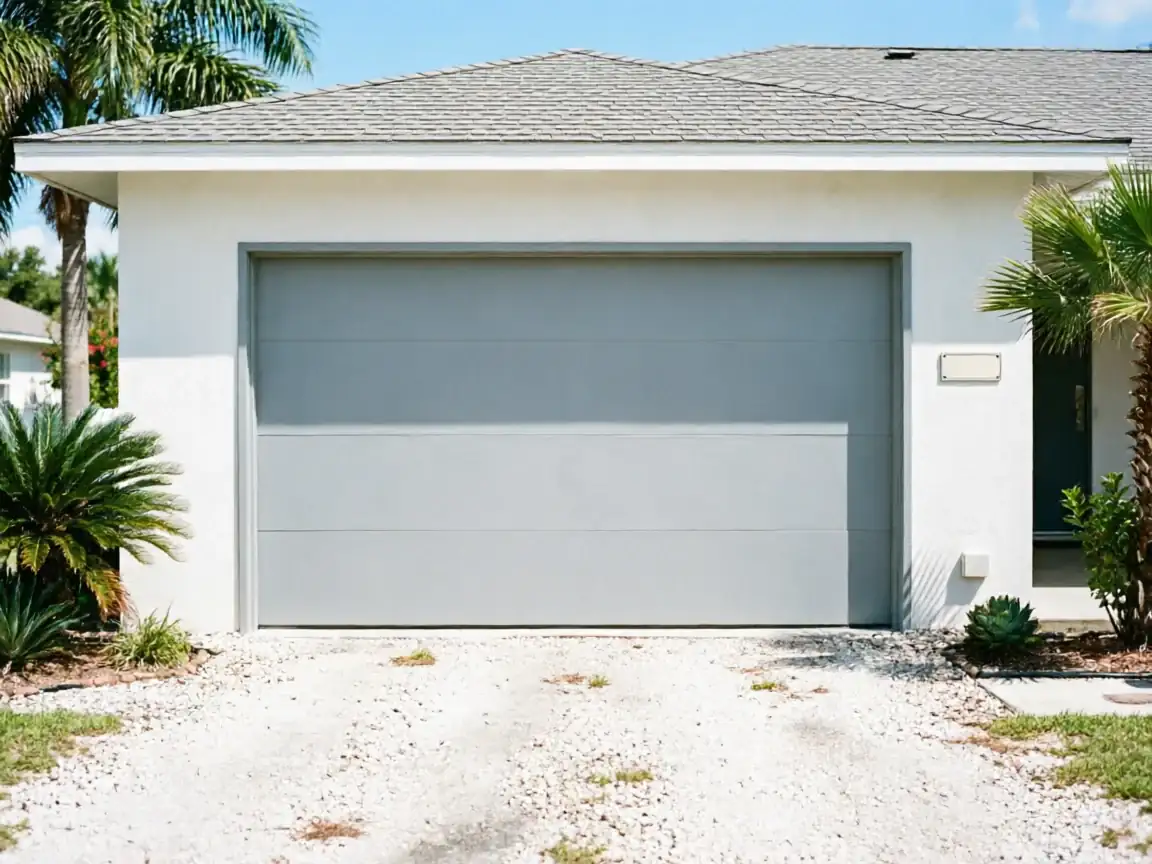
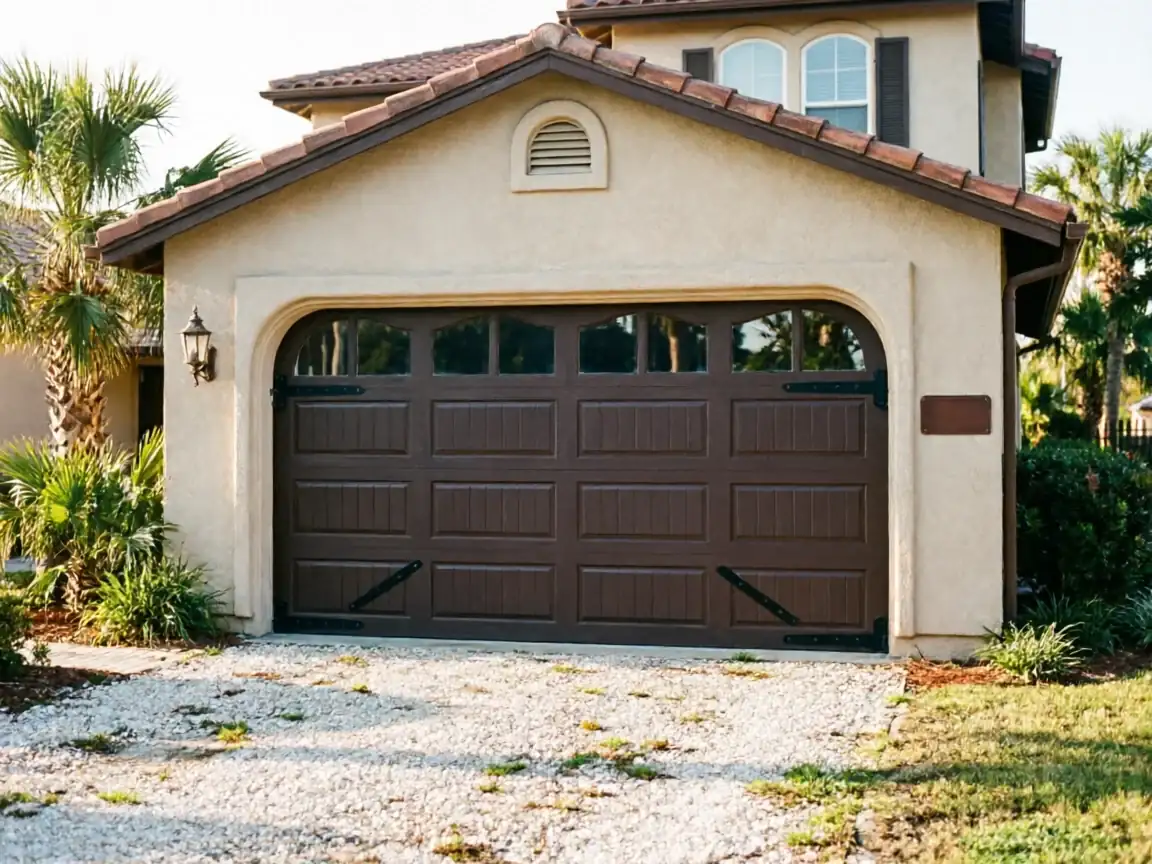
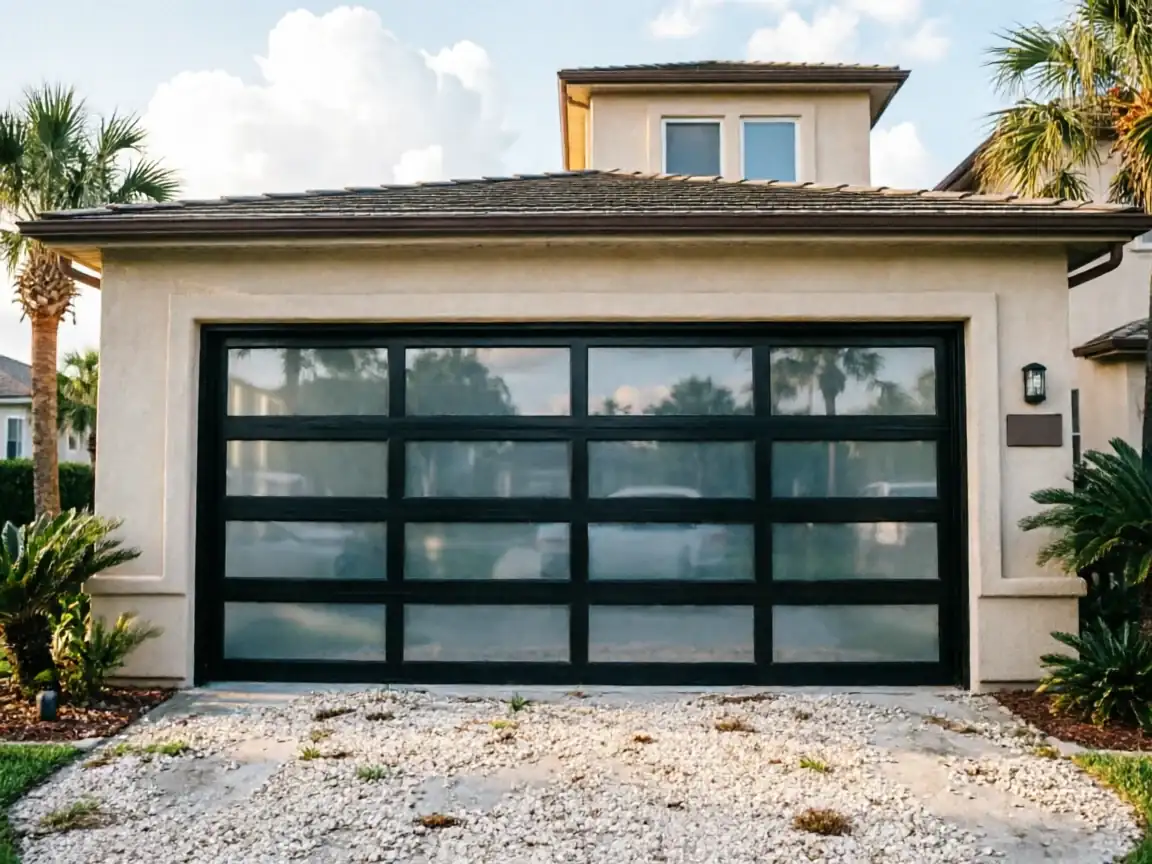
We're not going to throw a number at you here that isn't grounded in your opening, your door style, and what's salvageable versus what isn't - that's the kind of guess that turns into an argument later. What we can tell you is what drives the cost up or down: whether the existing track and spring system can stay or has to go, whether the opening needs reframing, and which door material you pick. Boynton Beach's median household income runs around $92,325, which puts a fair number of homeowners here into mid-to-upper-tier insulated steel or aluminum doors rather than the bare minimum, but plenty of people also just want a solid door that holds up in the heat and doesn't need babysitting. We'll give you a firm number after we've seen the opening, not before.
Why It Happens Here
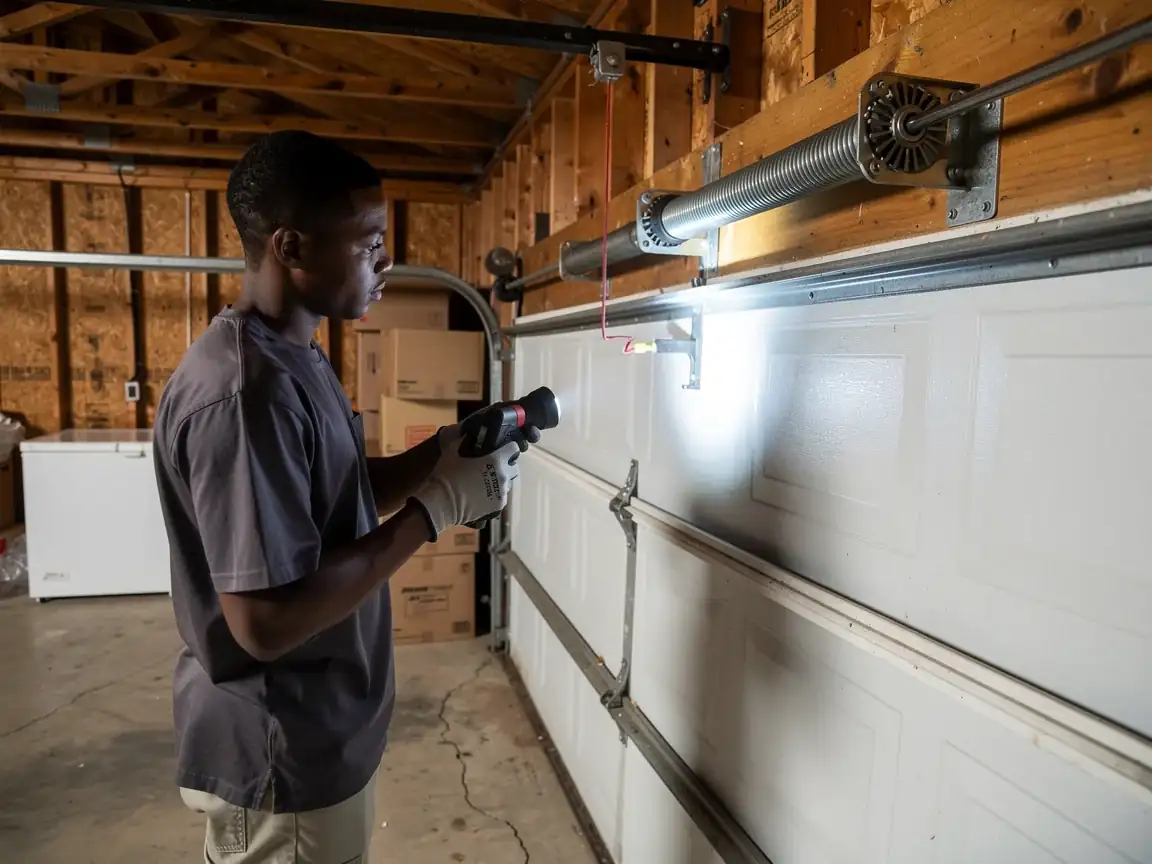
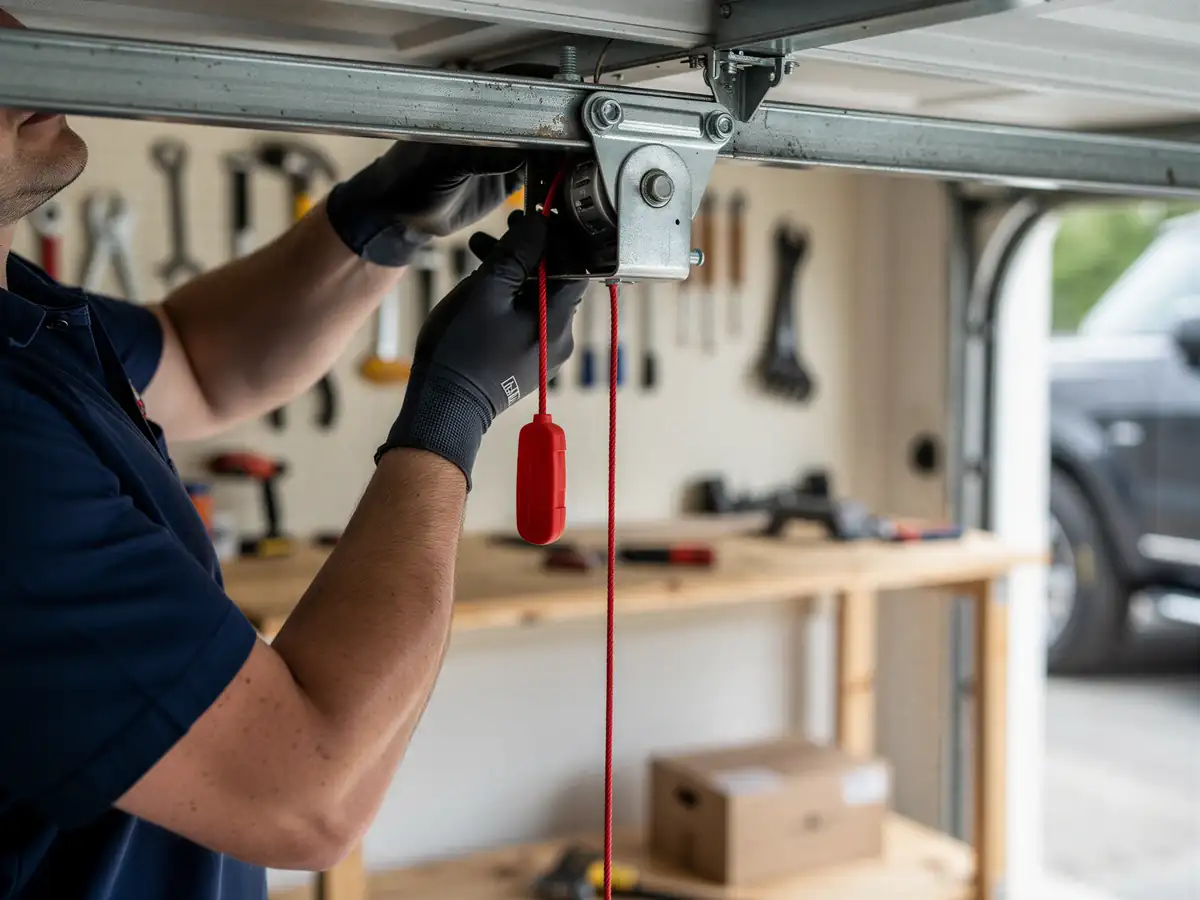
Boynton Beach sits in a mild temperate band, so we don't get the freeze-thaw cycling that cracks concrete aprons or snaps brittle hardware up north. What we do get instead is steady humidity and salt-tinged air working on steel and on the galvanized coating on springs and tracks, year-round, with no winter lull to slow it down. On a house built in the median year of 1977, that's close to fifty years of that same slow corrosion on whatever hardware hasn't already been replaced. Add in doors original to homes from the 1965-2005 build window, often sized and mounted to specs that predate current opener safety standards, and you've got a town where the common failure isn't storm damage - it's hardware that's simply outlived its coating in a climate that never gives it a break.