The Problem
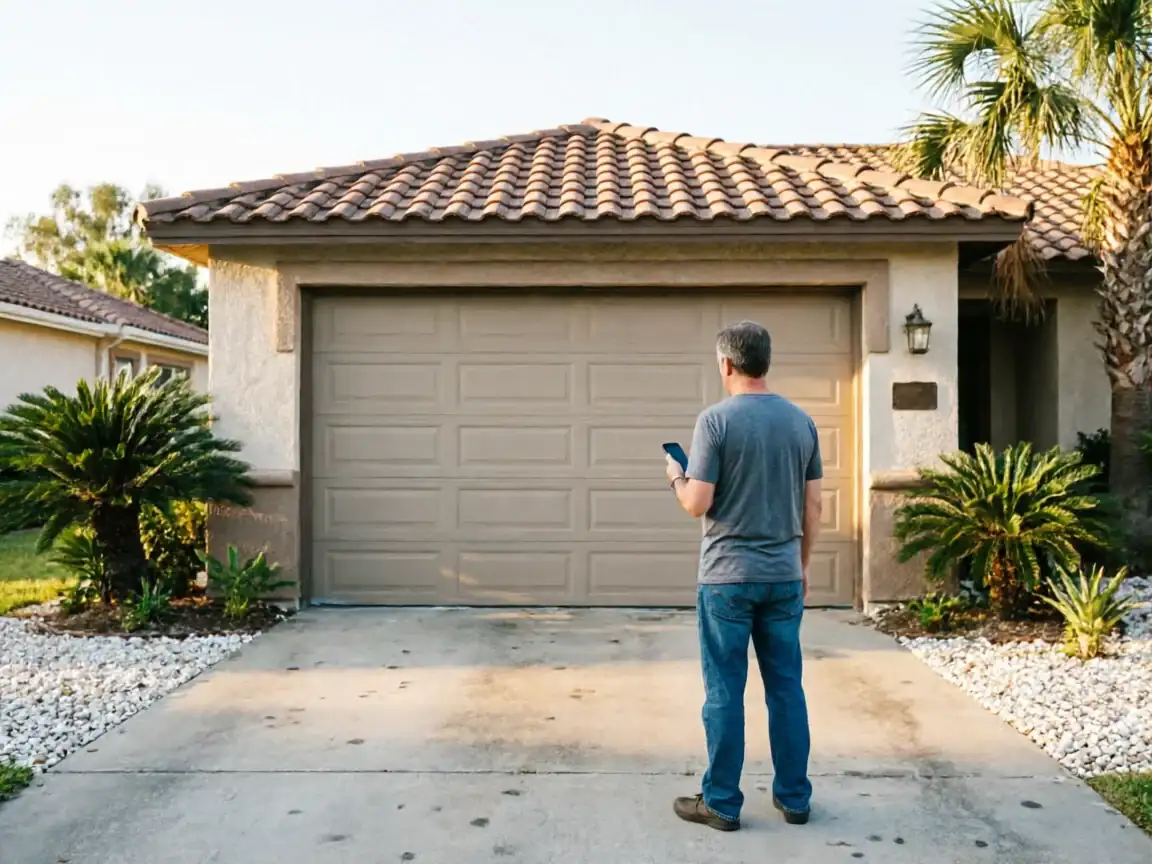
A lot of the houses in Boynton Beach were built between 1965 and 2005, with the typical build year landing around 1977. That matters here because a door that old has usually been through at least one hardware swap, sometimes none. When you hear a new noise, you're not hearing a random event. You're hearing a part of a system that's thirty, forty, fifty years old finally telling you it's done absorbing the slack.
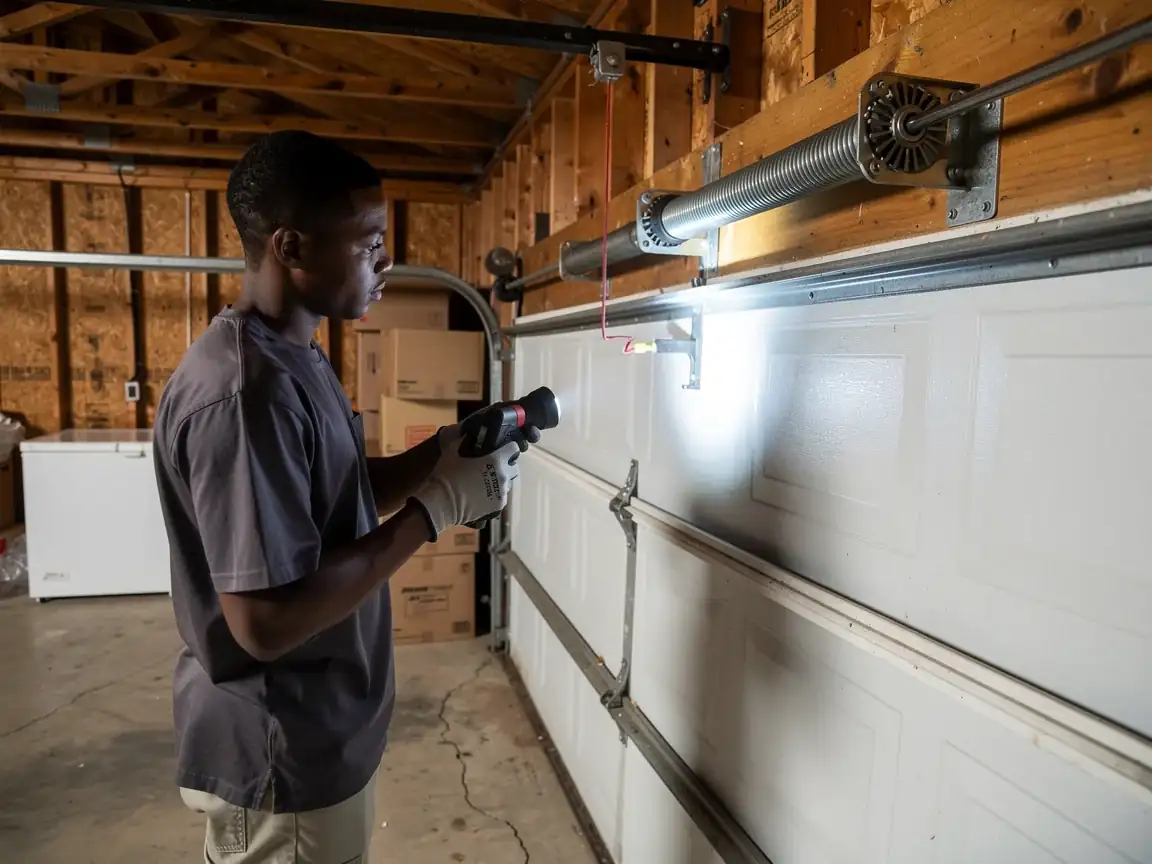
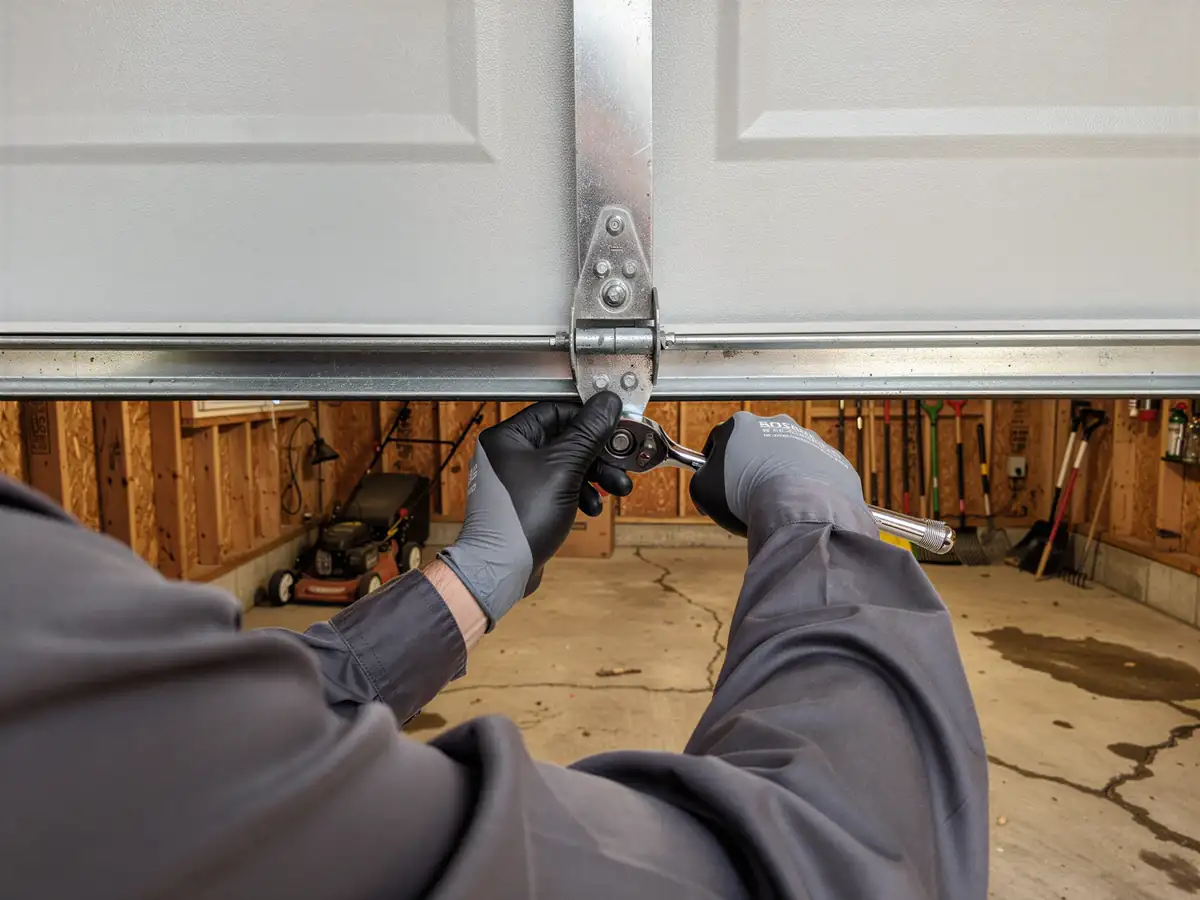
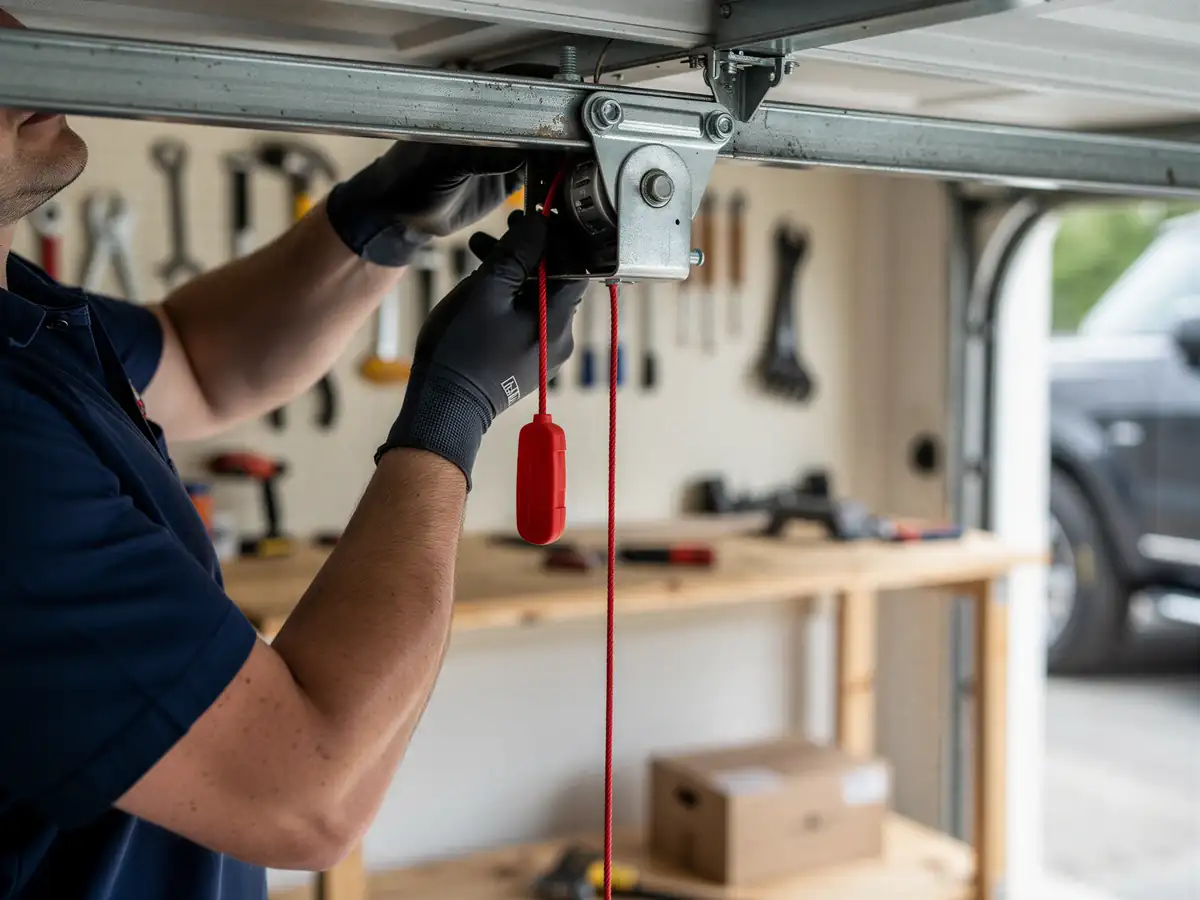
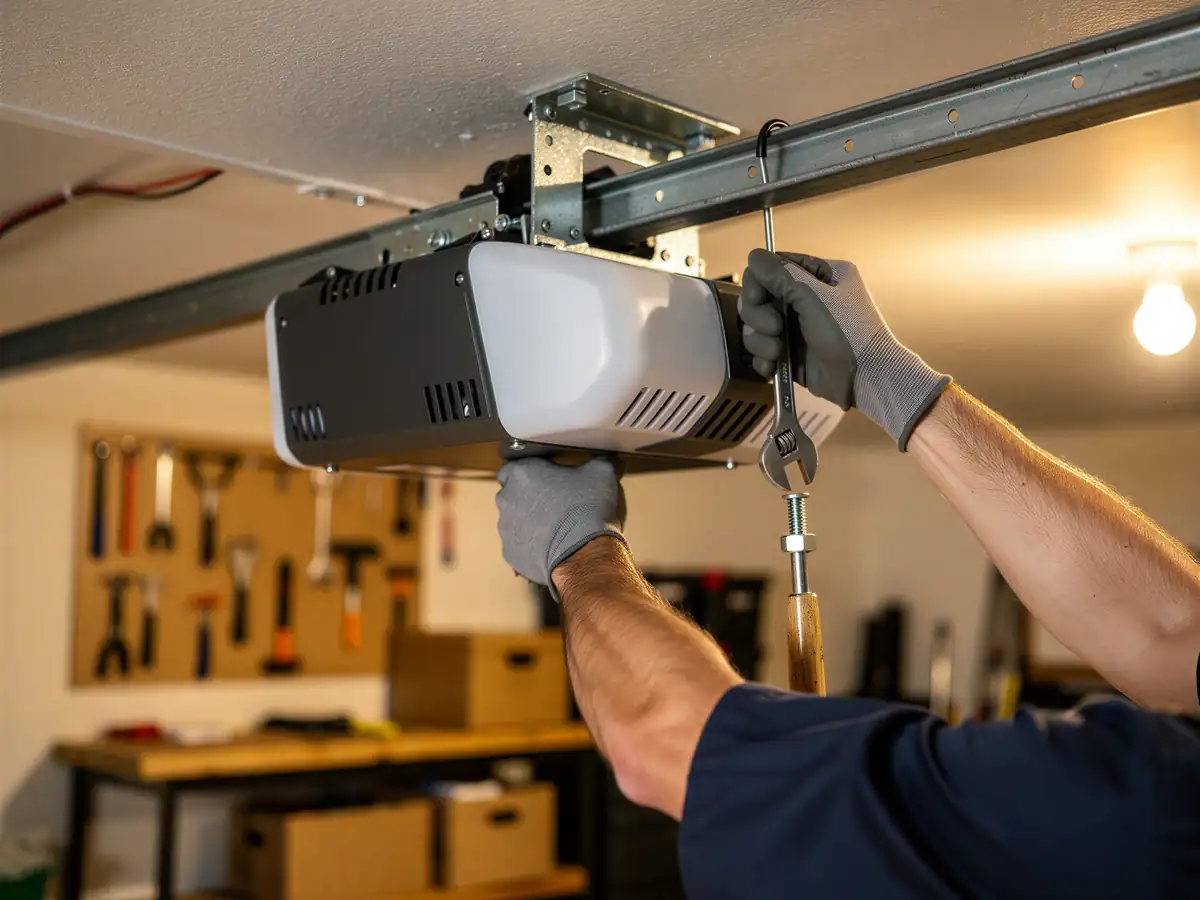
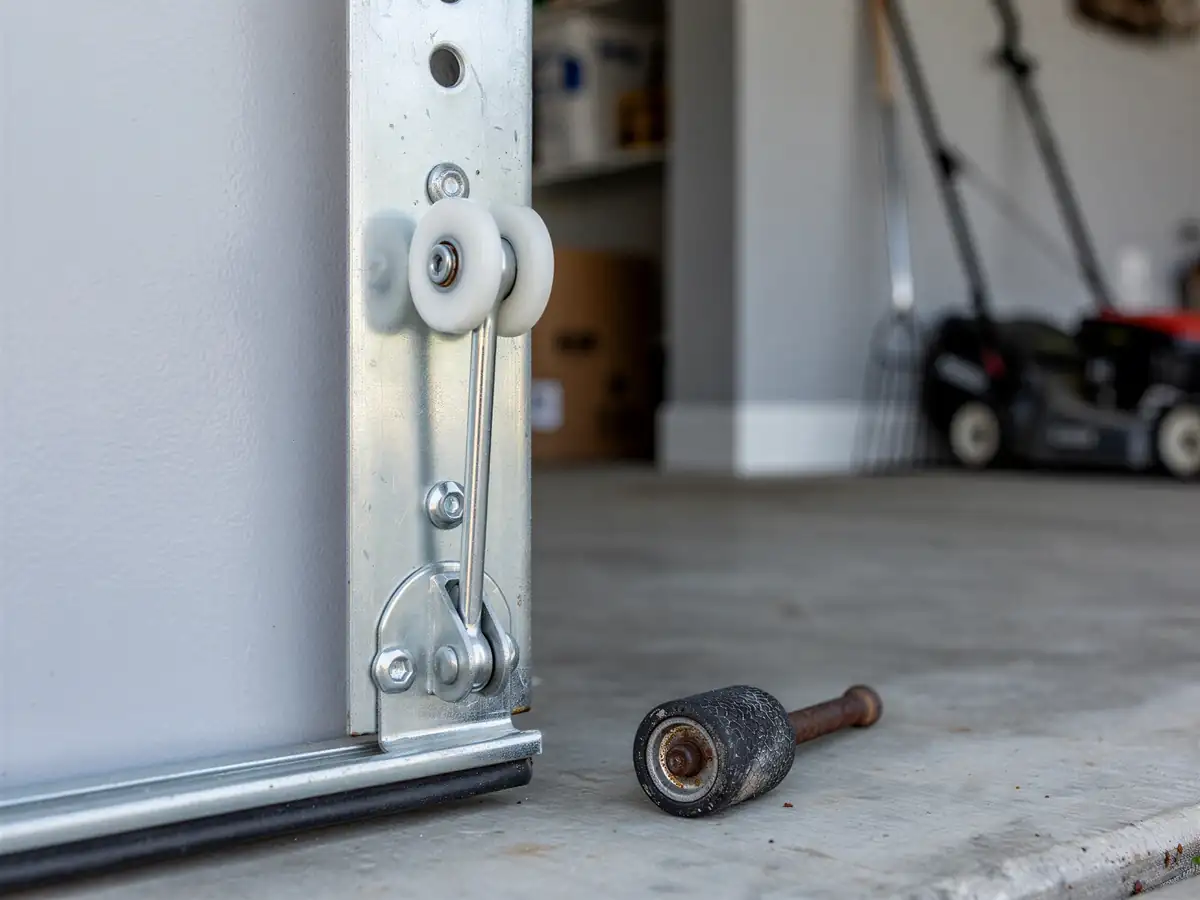
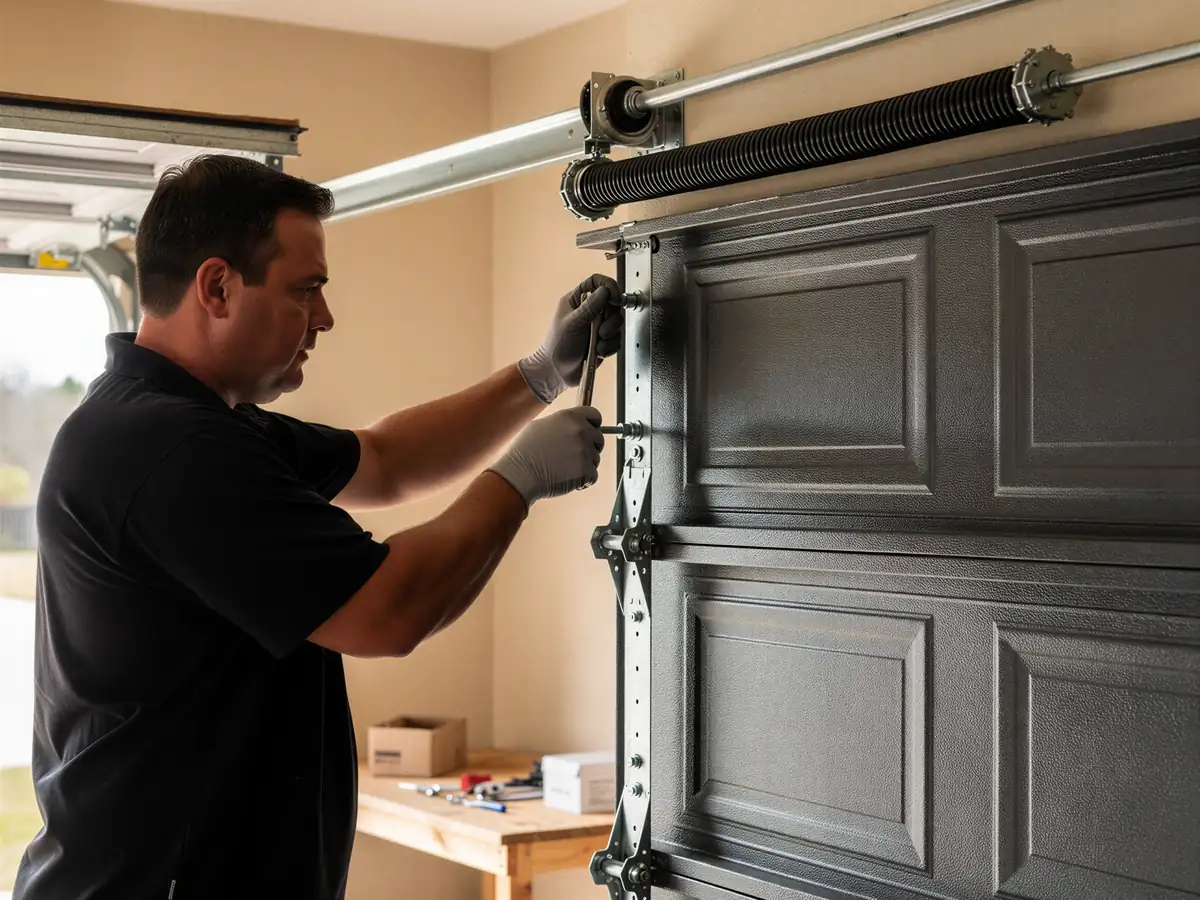
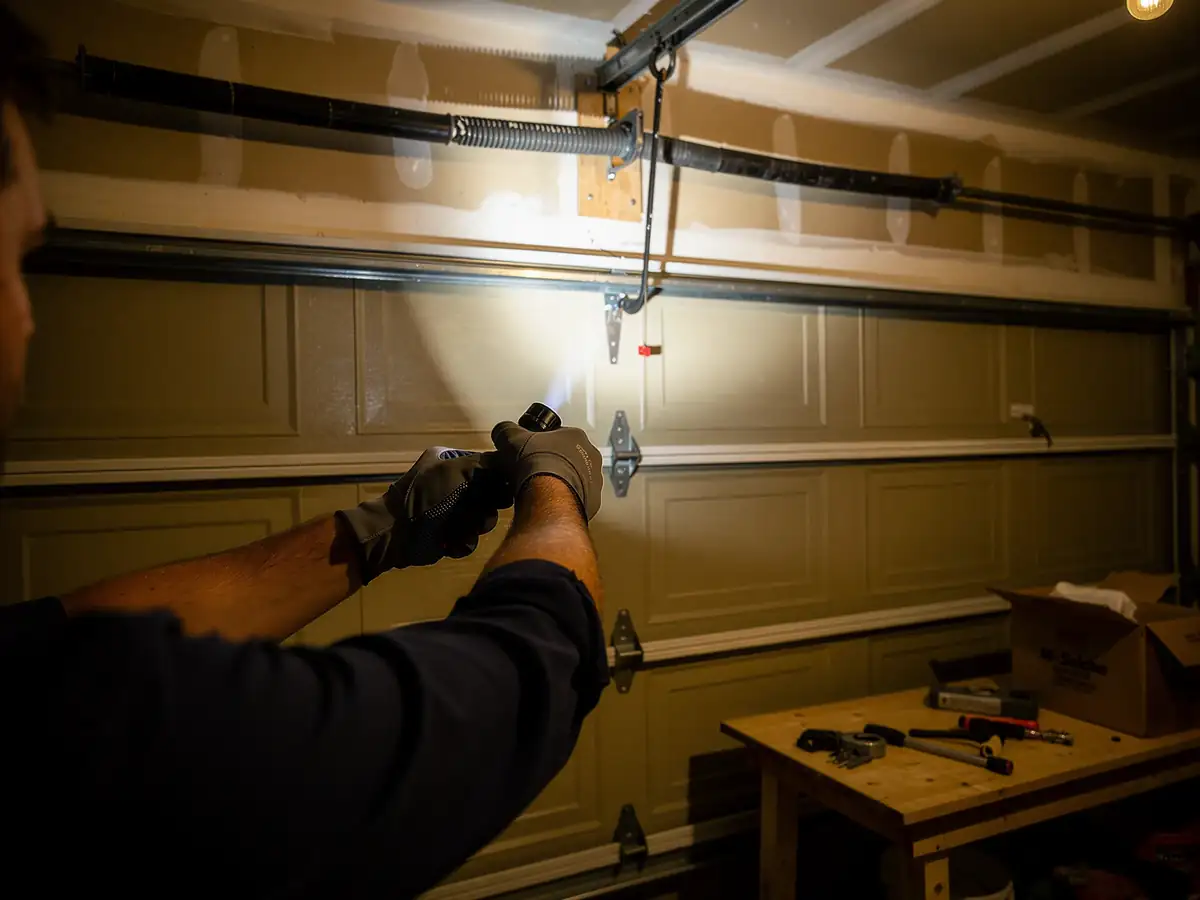
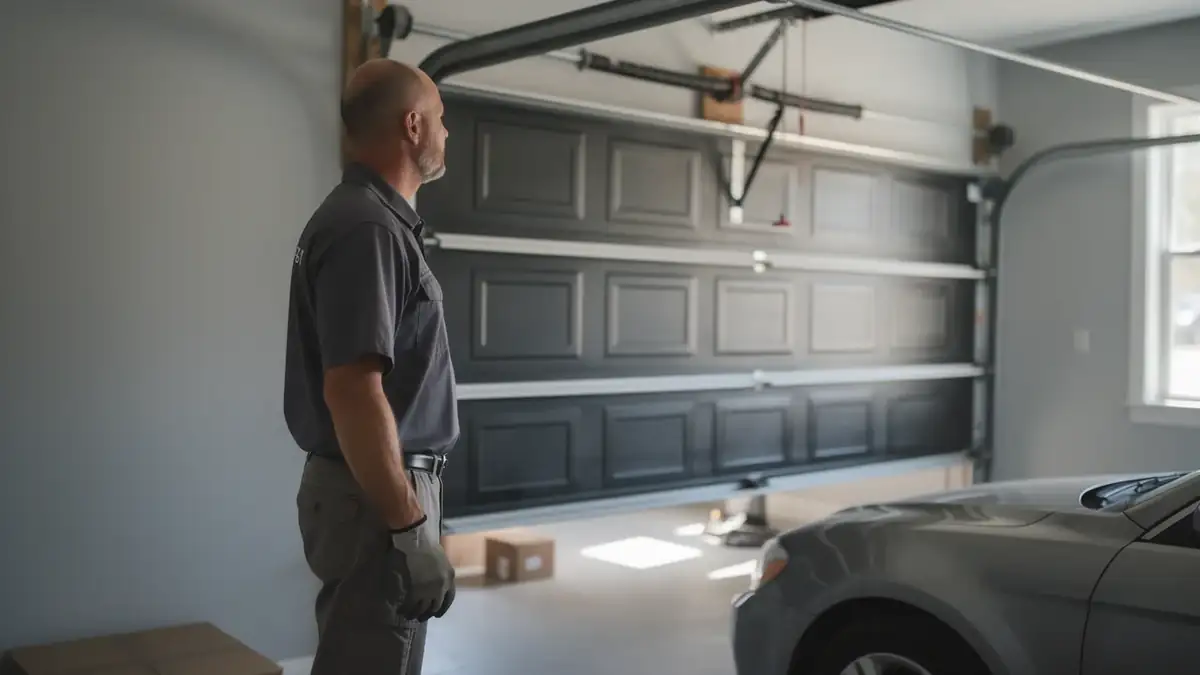
A rhythmic thump once per revolution of the door usually means a flat spot on a roller, and on original hardware from that era, rollers were often steel or cheap nylon that wears unevenly over decades. A sharp bang, usually once, almost always means a spring has let go, torsion or extension depending on how the door was set up when the house went up. A grinding sound that gets worse as the door moves tends to be a bearing plate that's dry or worn through its race.
We don't guess over the phone. The noise tells you where to start looking, not what to replace.
What It Costs
We're not going to hand you a number here that doesn't match what you'd actually be quoted, because it depends on what's making the noise and what's behind it once the panel's off. A worn roller is a different job than a spring that's let go on a door with original 1970s-era track still in it, and the two aren't close in price.
What we can tell you is how to think about it. A noise you catch early, a dry hinge, a roller starting to flat-spot, is cheap to deal with because it's one part. A noise you let run for a year becomes a job where that one worn part has already chewed into the track or thrown the door out of alignment, and now you're paying for more than the part that failed first.
Ask for the breakdown by part when you call. A straight answer on what's being replaced and why costs you nothing, and it's the only way to know if a quote is doing more than it needs to.
Doing Nothing For Now
Across the 57,714 owner-occupied houses in this service area
Plenty are still running springs, rollers, and cables that went in when the neighborhood was built sometime between 1965 and 2005. A noise on a door that old isn't cosmetic. It's a part reaching the end of its cycle count, and cycle counts don't reset because you've decided to wait until next month.
- 57,714 owner-occupied
Here's the honest limitation: not every noise needs a same-week call
A single squeak that goes away after you lubricate the hinges is not an emergency. But a noise that's new, that's getting louder, or that comes with the door feeling heavier or jerkier when it moves, is a part close to failing completely. A spring that lets go while someone's standing under the door is the scenario every garage door company in Florida has seen, and it's the one worth not testing your luck on.
If the noise is new in the last few weeks, that's the window to call
Waiting doesn't make the part cheaper to replace later.
What Local Conditions Do
Boynton Beach sits in a mild temperate band, which means this town doesn't get the freeze-thaw cycles that crack plastic housings and snap cold-stiffened springs overnight the way a northern winter does. That's actually useful information when you're trying to figure out what a noise means here: it's rarely a weather event. It's almost always wear, cycle count, or a part that was never quite right from installation.
That also means a noise in Boynton Beach tends to build gradually rather than show up as a sudden failure after one cold night. A roller that's starting to go will squeak for weeks before it seizes. A spring nearing the end of its life will often get louder on each cycle for a stretch before it actually breaks. That gives you a window most colder-climate homeowners don't get.
Homes two miles away in Ocean Ridge or Golf sit on roughly the same 1960s-70s build stock as Boynton Beach, so the same grinding-roller and dry-bearing noises show up there too. It's less about the specific street and more about what decade the garage was built in.