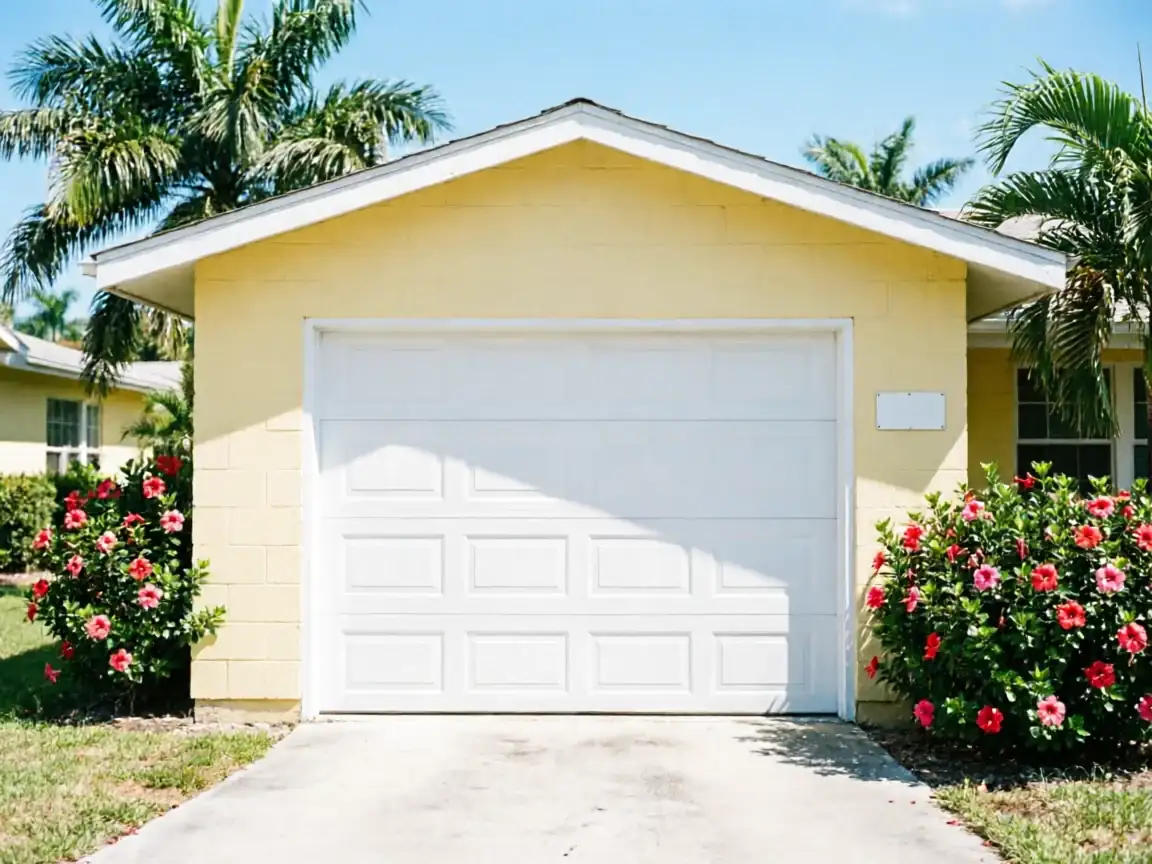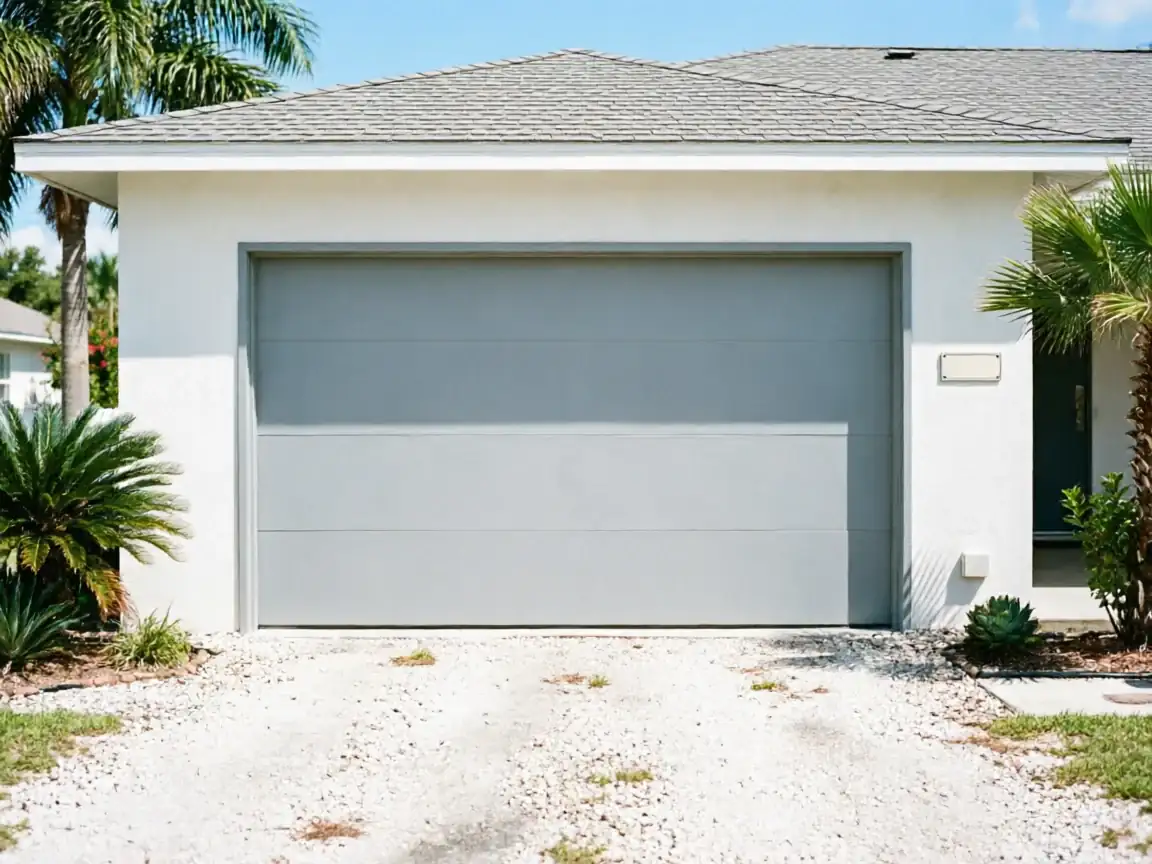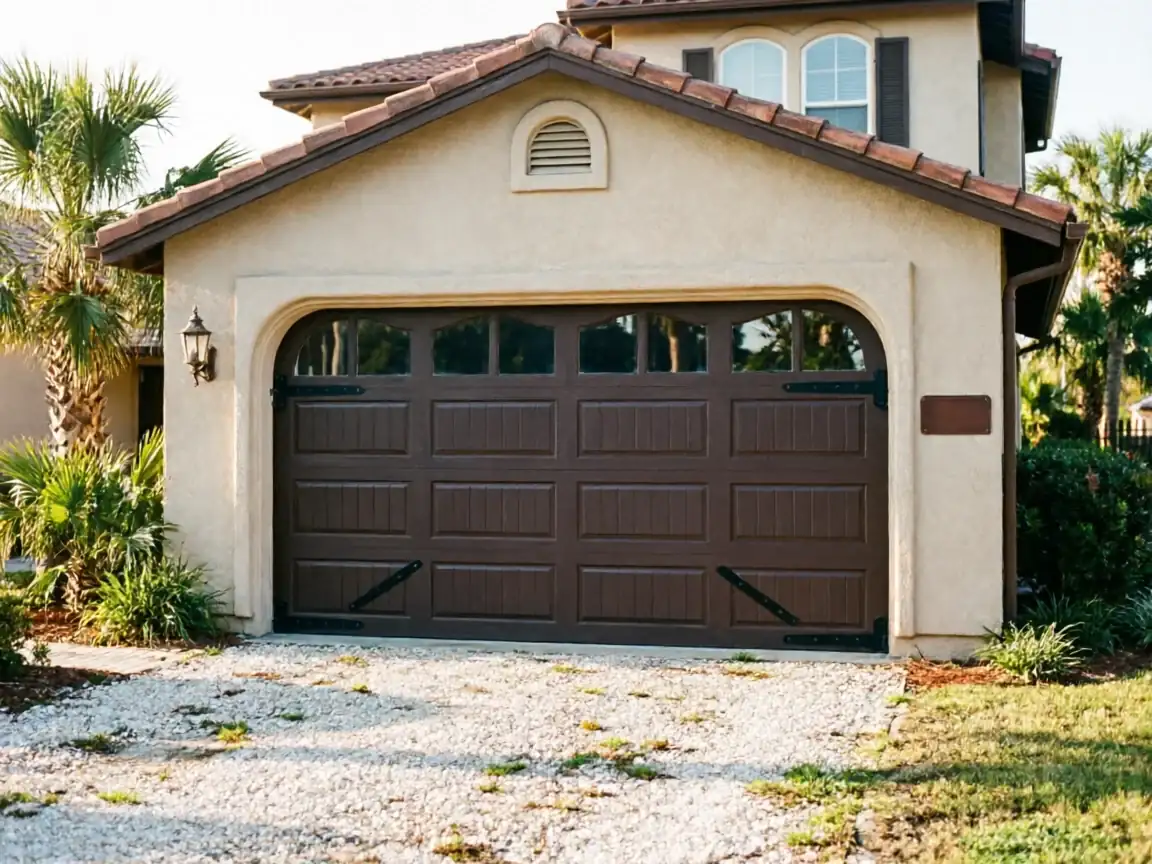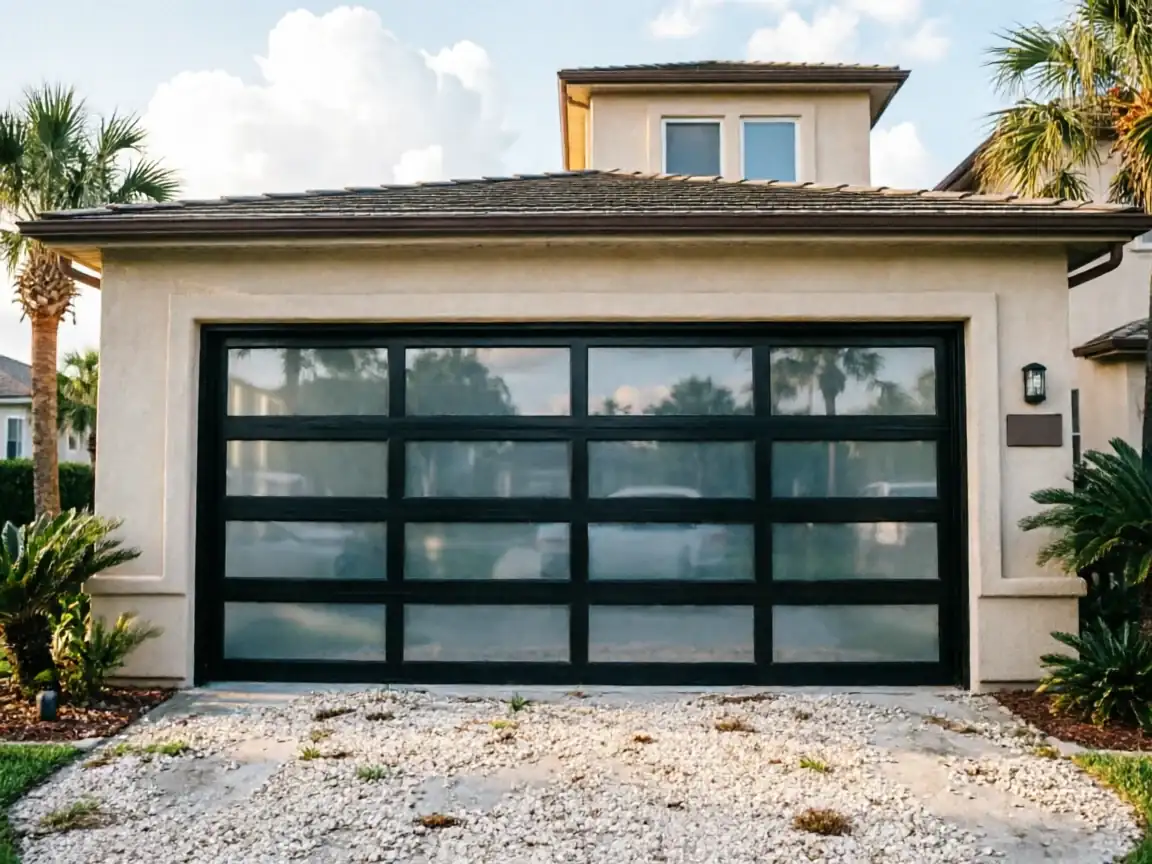
Older vs Newer Streets
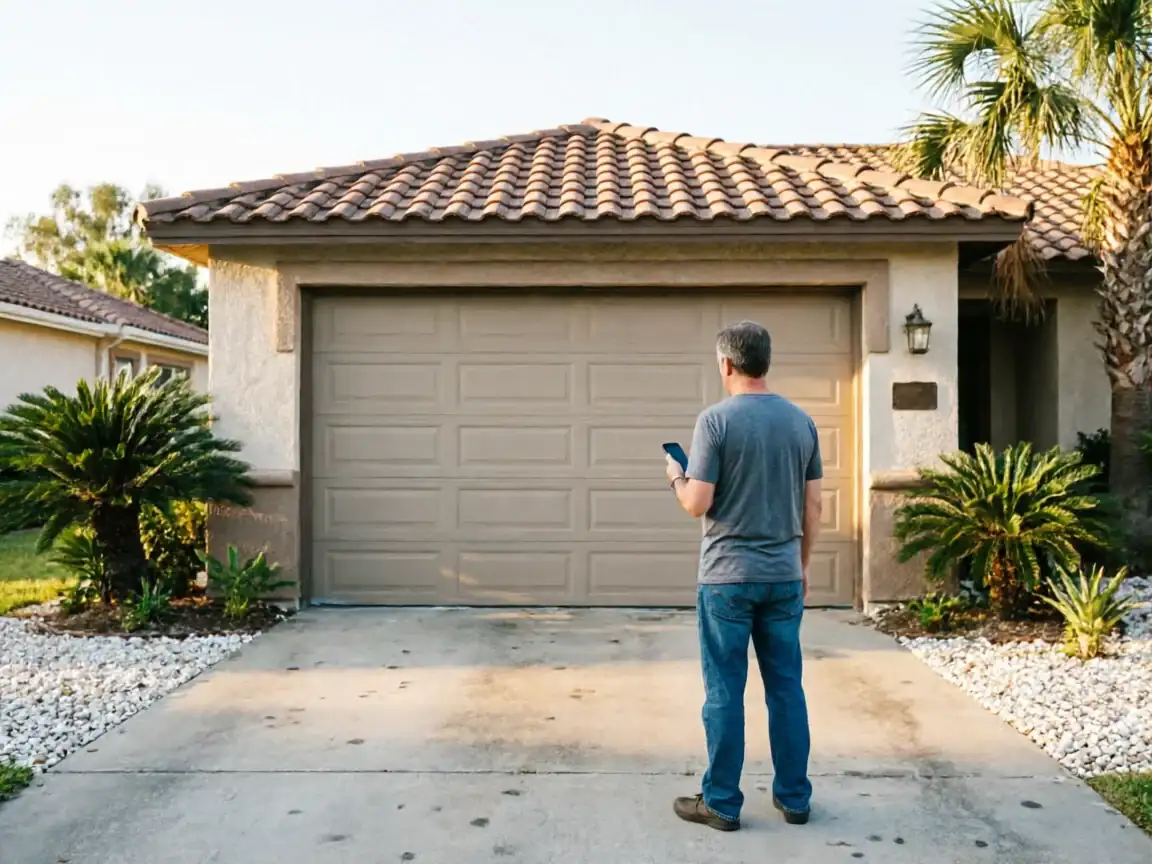
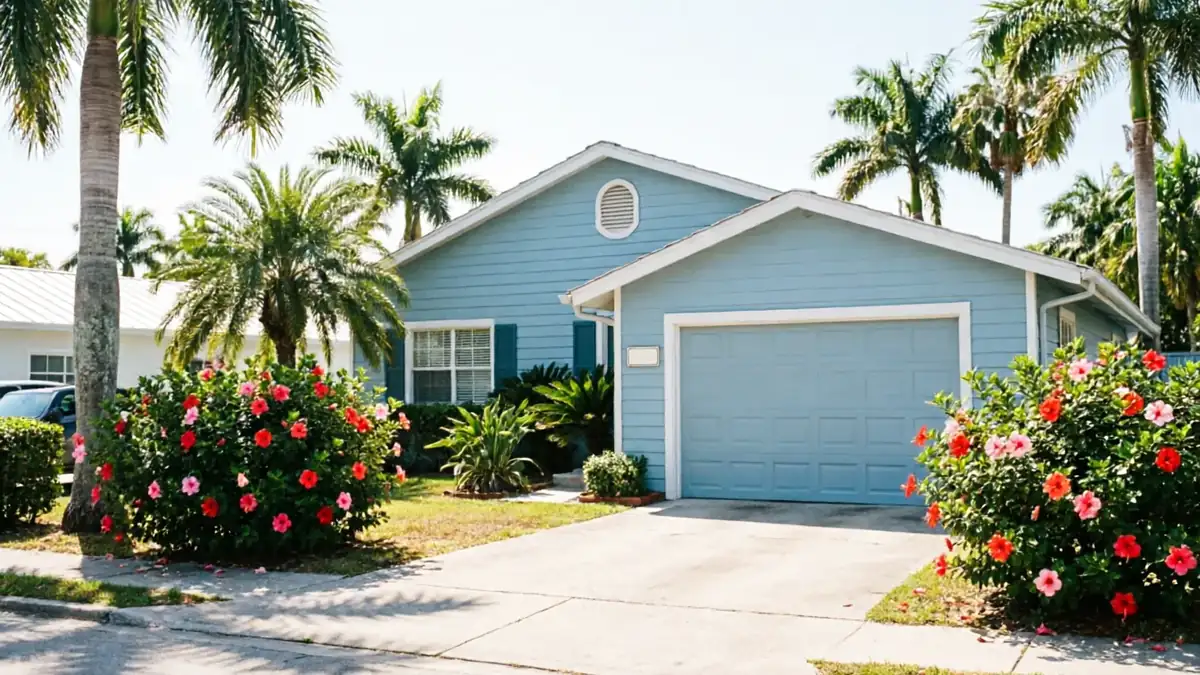
Most of our service area was built out in the 1960s and '70s - the median year across those twenty named communities sits at 1977. Wellington breaks from that pattern. The typical home here went up around 1995, which puts most of the neighborhood nearly two decades newer than what we see closer to the coast.
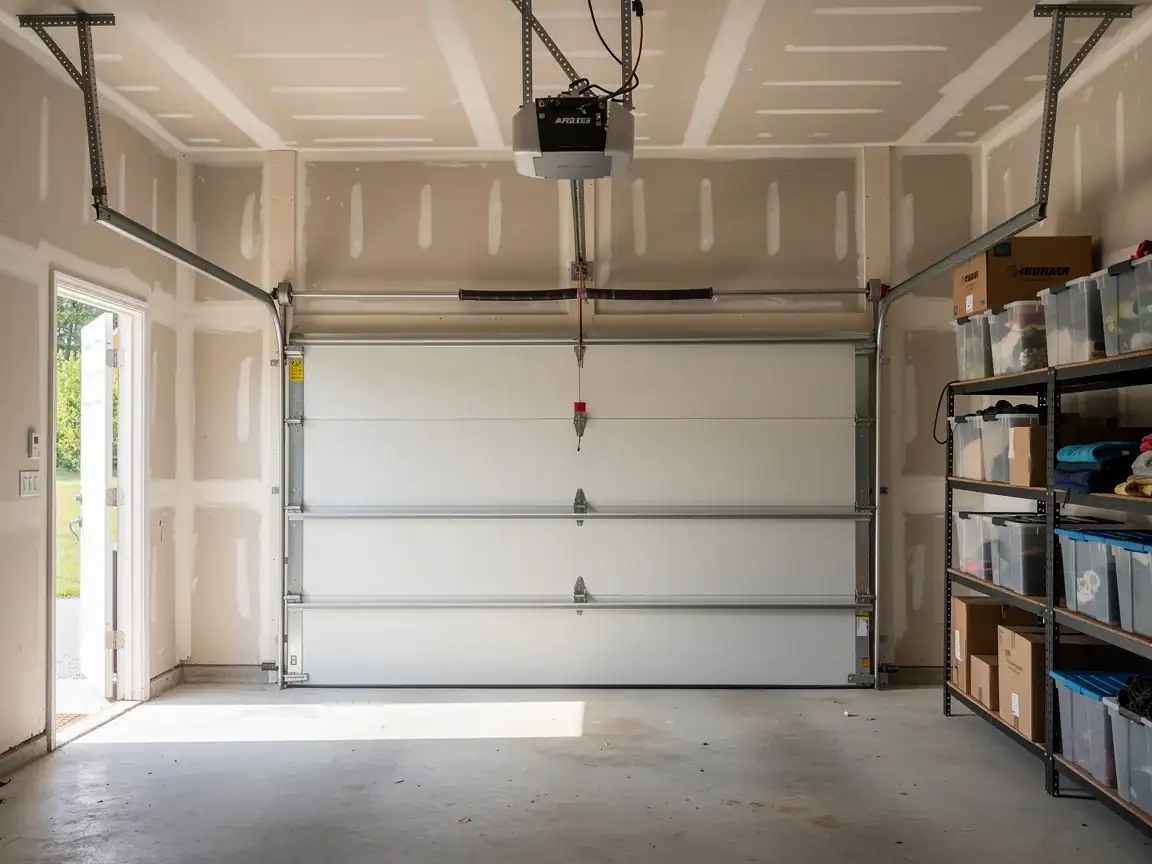
That gap matters more than it sounds like it should. A door and opener installed in 1995 is a different animal from one installed in 1968. Builders in the mid-90s were already putting in steel doors with factory-set torsion springs sized for heavier, insulated panels, and openers with circuit boards instead of pure mechanical relay logic. Houses from the 60s and 70s in the rest of the service area are far more likely to still have the original lightweight one-piece doors or early sectional doors on hardware nobody manufactures replacement parts for anymore.
So when we get a call from Wellington, we're not expecting the same failure we'd expect on a 1965 house in one of the older pockets. We're expecting newer hardware that's aged thirty years rather than sixty, and that changes what we bring on the truck.
Common Jobs Here
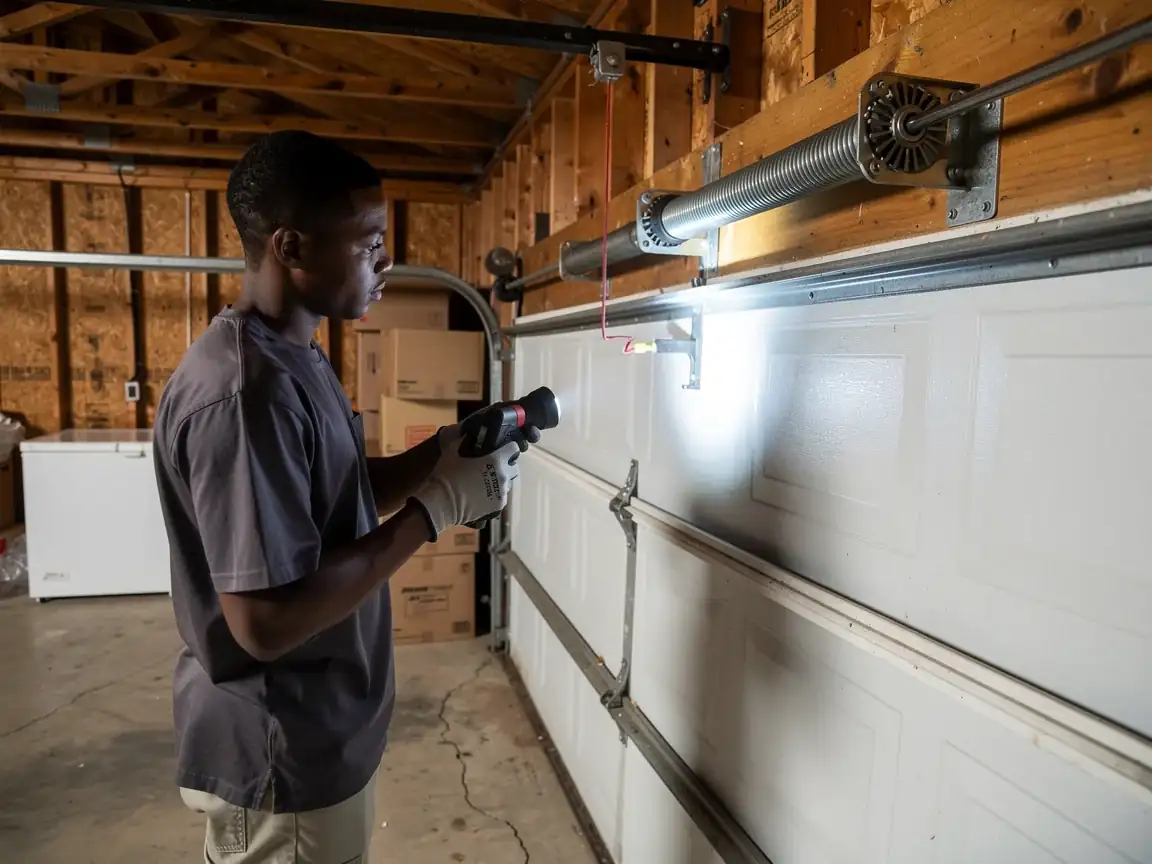
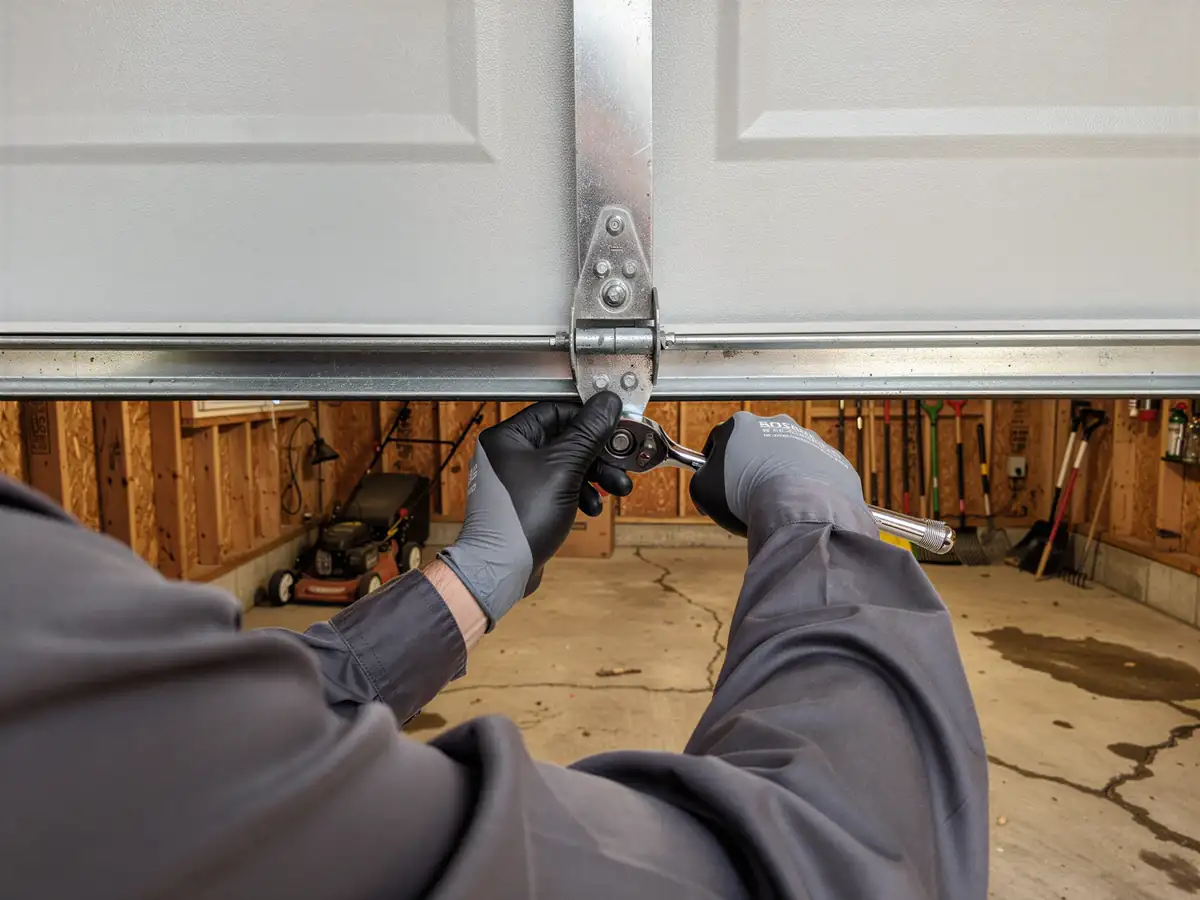
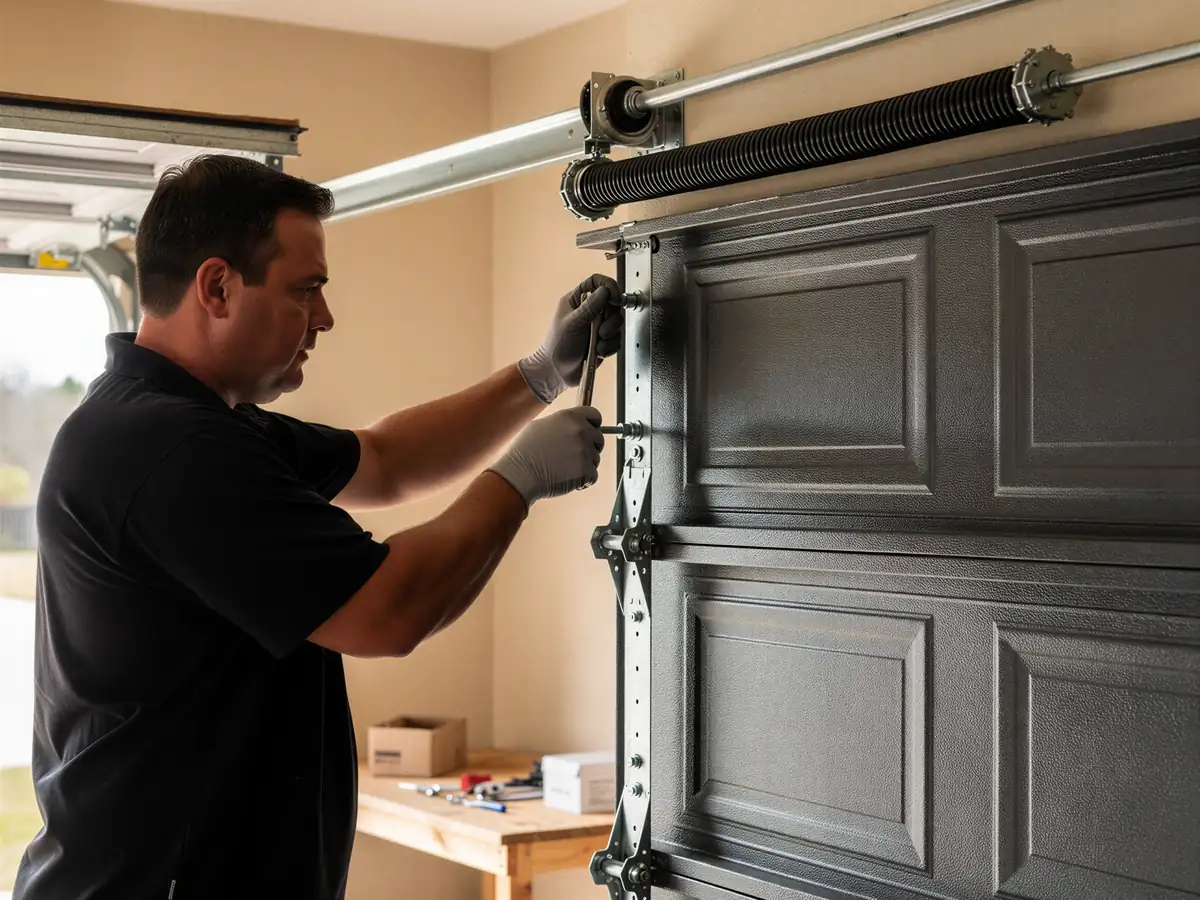
The jobs we run in Wellington tend to cluster around parts hitting the end of a normal service life rather than parts that were obsolete the day they were installed. Torsion springs from a mid-90s build are now roughly thirty years old - that's past the point where most springs are rated to perform, so broken springs on double doors are a steady call.
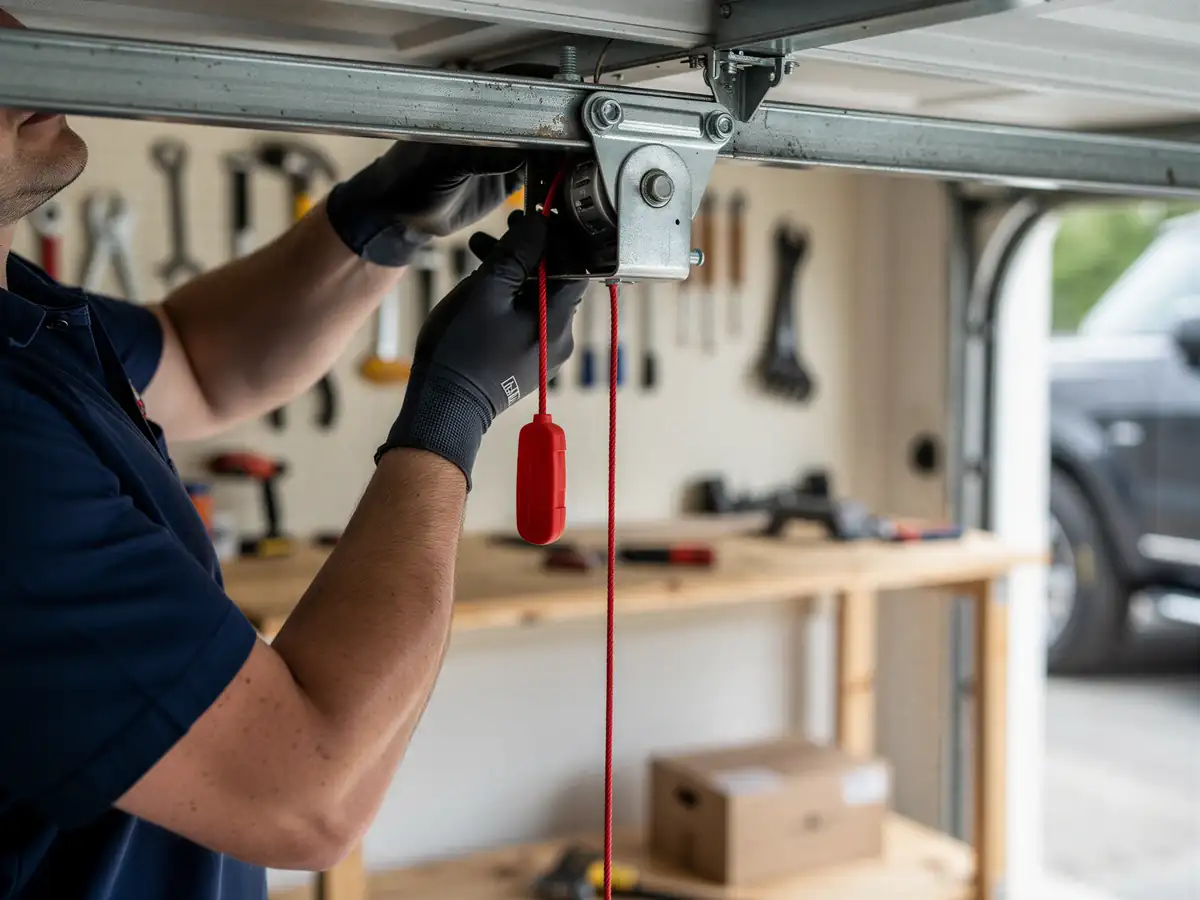
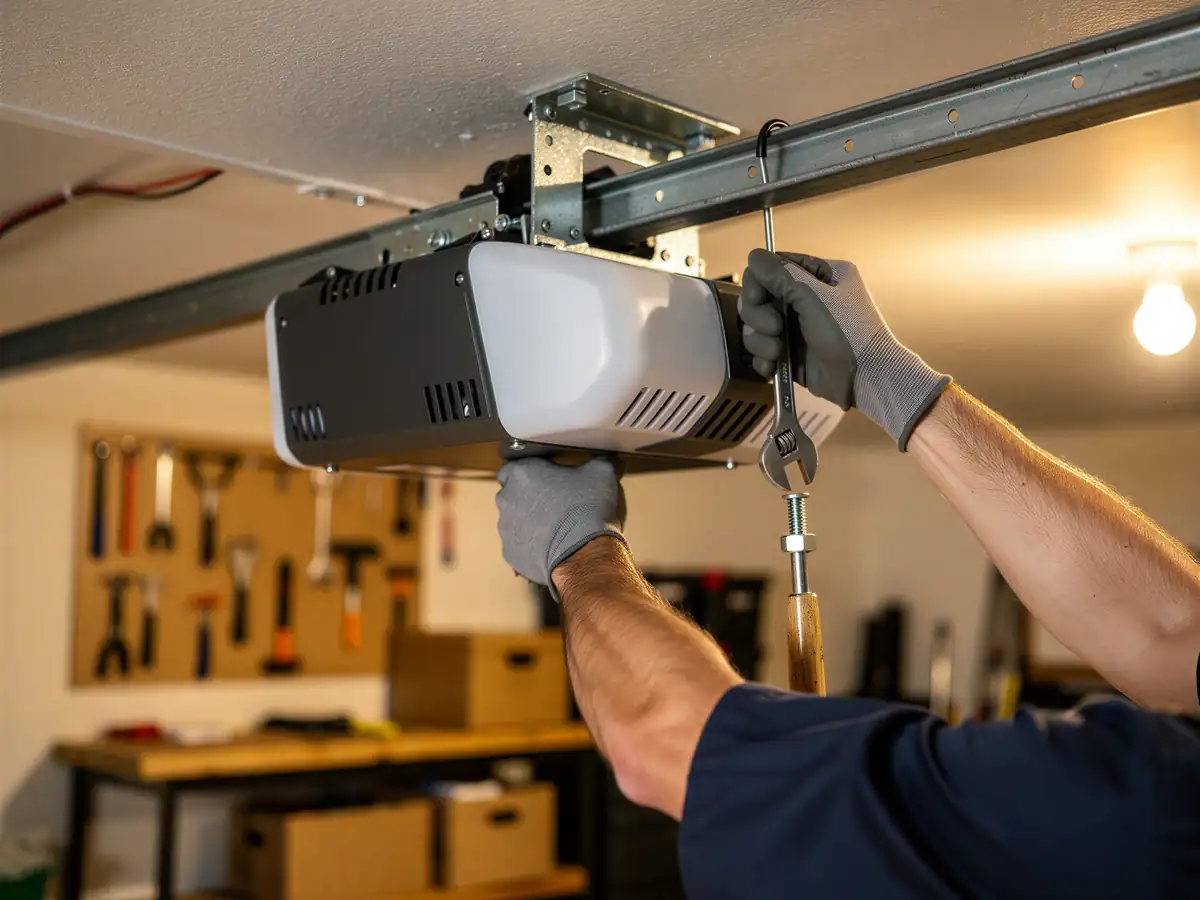
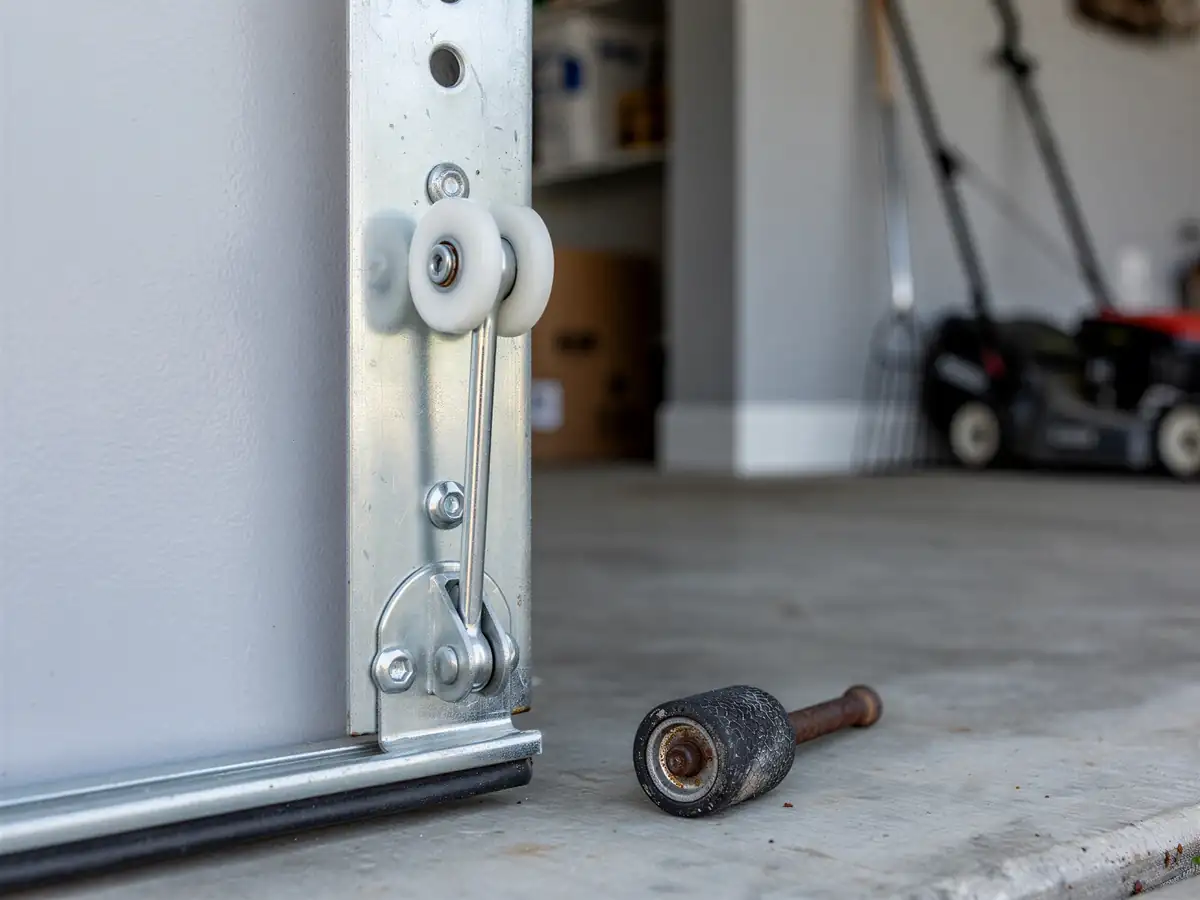
Openers from that era are also aging out. A lot of 1990s chain-drive units are still running on their original motor and gear set, and gears wear down well before anyone notices until the day the door won't budge. We also see worn rollers and bent track on doors that have had thirty years of daily use, plus photo-eye sensors that have drifted out of alignment or stopped working from age rather than damage.
What we don't see as much here is the structural rot or full-panel rust-through that shows up on much older steel doors closer to the water. Wellington's doors are old enough to need real repair work, but young enough that replacing the whole door outright is less often the right call than it is on the 1960s stock elsewhere in the area.
This Area's Housing
Wellington has about 21,604 households
And the money behind those households runs higher than the service-area average - median household income here is $110,294, well above the $92,325 figure across the roughly 149,301 households spread over the full coverage area. That tracks with the newer build dates: homes put up in the 90s tend to be larger and came with more finished garage space than the smaller houses built decades earlier closer to the coast.
Climate-wise, the whole service area sits in a mild temperate band
So we're not dealing with freeze-thaw damage to tracks or hardware the way a garage door company up north would. Humidity and sun exposure are the bigger long-term factors on any door down here, Wellington included.
One honest limitation
We don't keep a stock of every opener logic board from every 1990s brand on the truck. Some control boards for older units are special-order parts now, and if yours has failed, we may need a day or two to get the exact board rather than swapping it on the first visit. A universal replacement opener is often the faster, cheaper fix when that happens.
What That Means for Doors
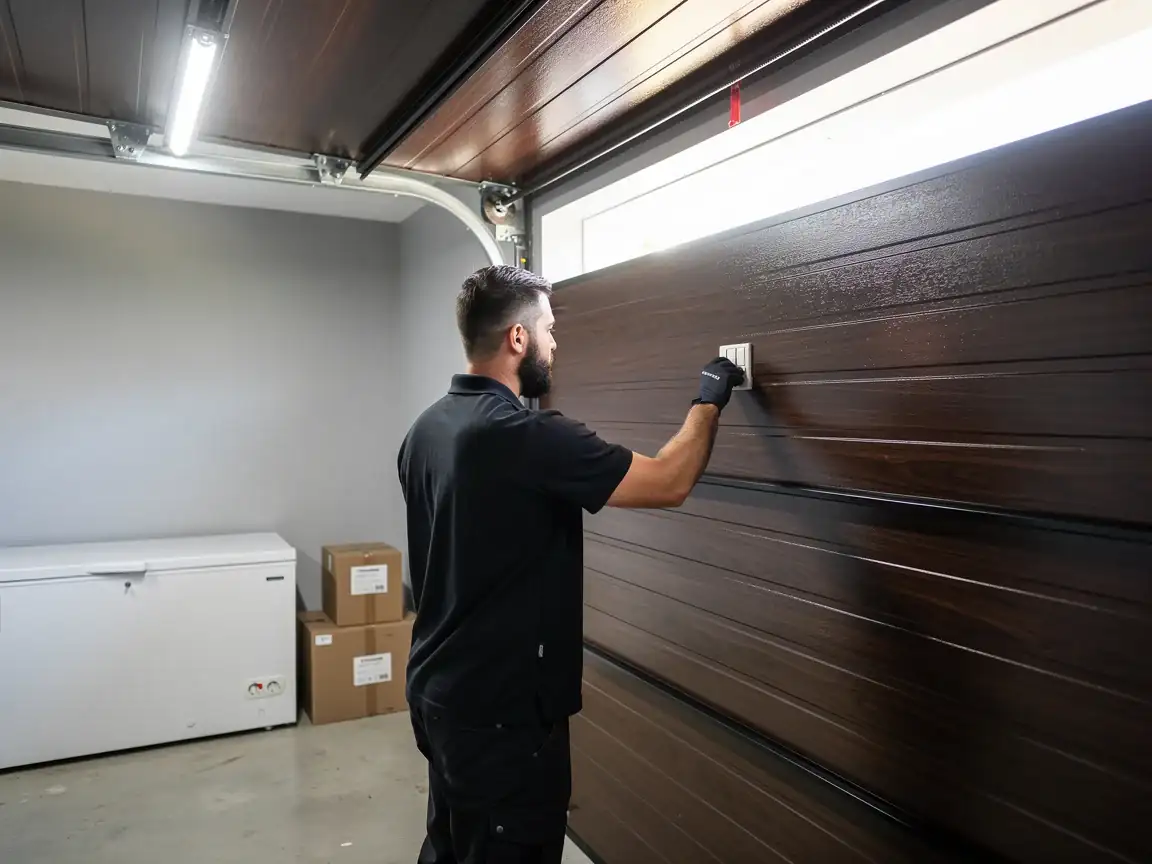
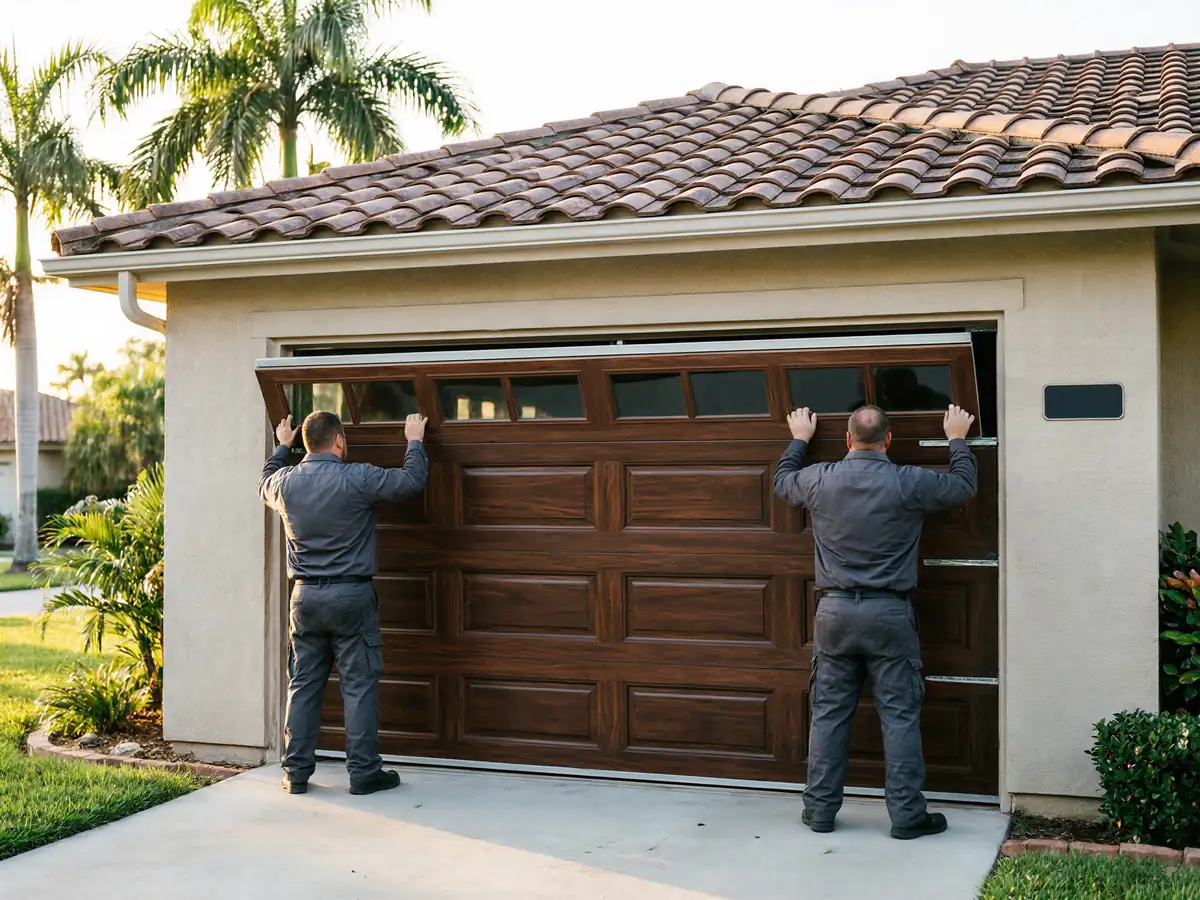
Because the typical Wellington home is about twenty years younger than the service-area median, the door problems we price out here lean toward component failure rather than full replacement. A broken spring, a dead opener logic board, a sensor that's lost alignment - these are fixable on a door that still has decades of life left in the panel and frame.
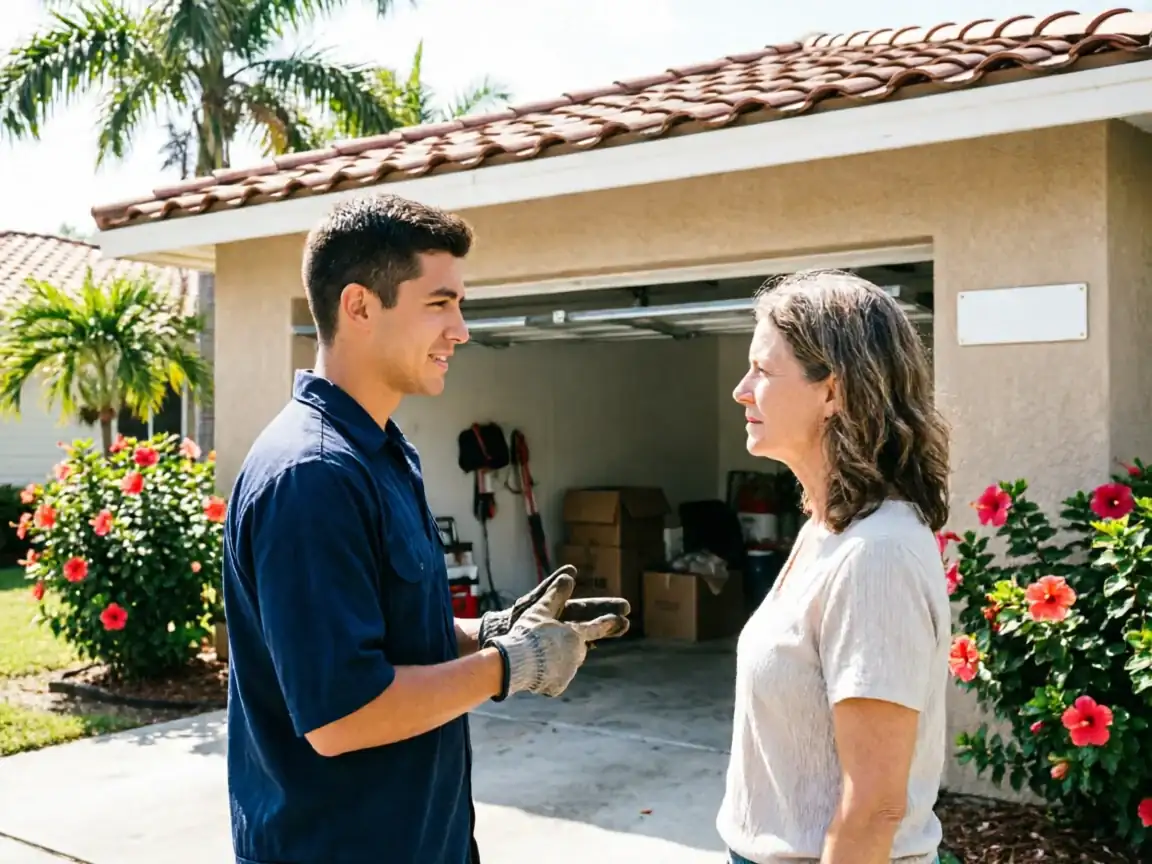
We drive about 14 miles from our Boynton Beach shop to get to Wellington, so we're not based in the neighborhood and we don't run a local depot here - every job is a trip out from Boynton Beach. That's worth knowing if you're calling about something urgent; we're not already around the corner.
If your door is original to a 1995 build and it's a double-door torsion setup, the spring size and cycle count are going to look different from a door built in 1968, and the opener's safety reversal logic is going to be built-in rather than retrofitted. That's the kind of detail that decides whether a repair is worth doing or whether the smarter move is a full opener swap.