What the Fix Involves
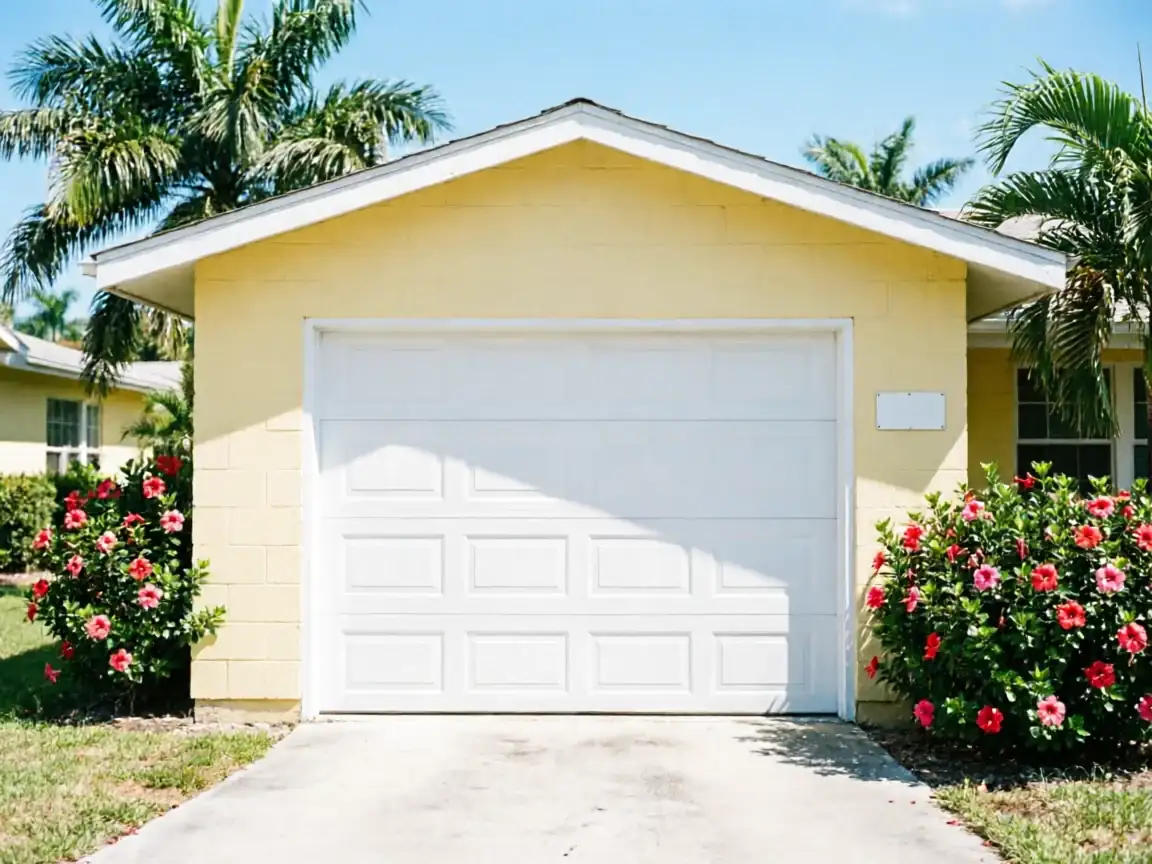
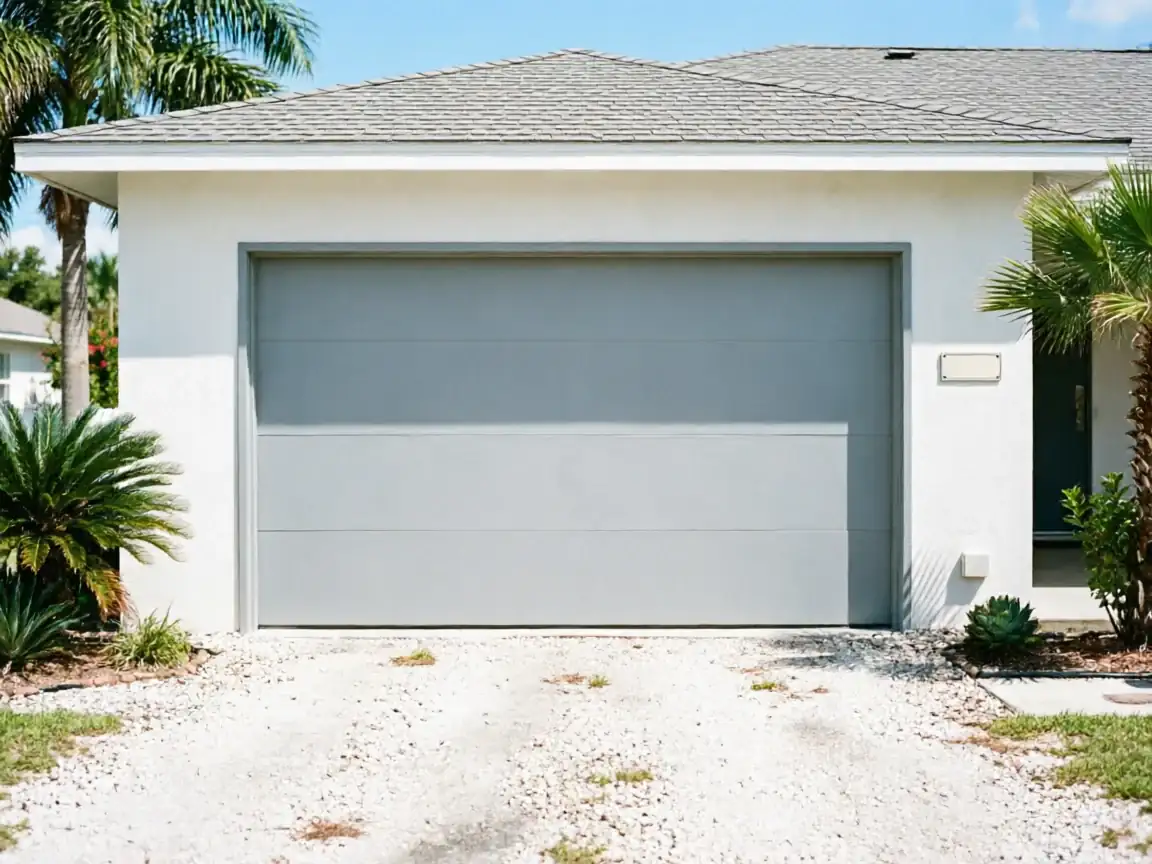
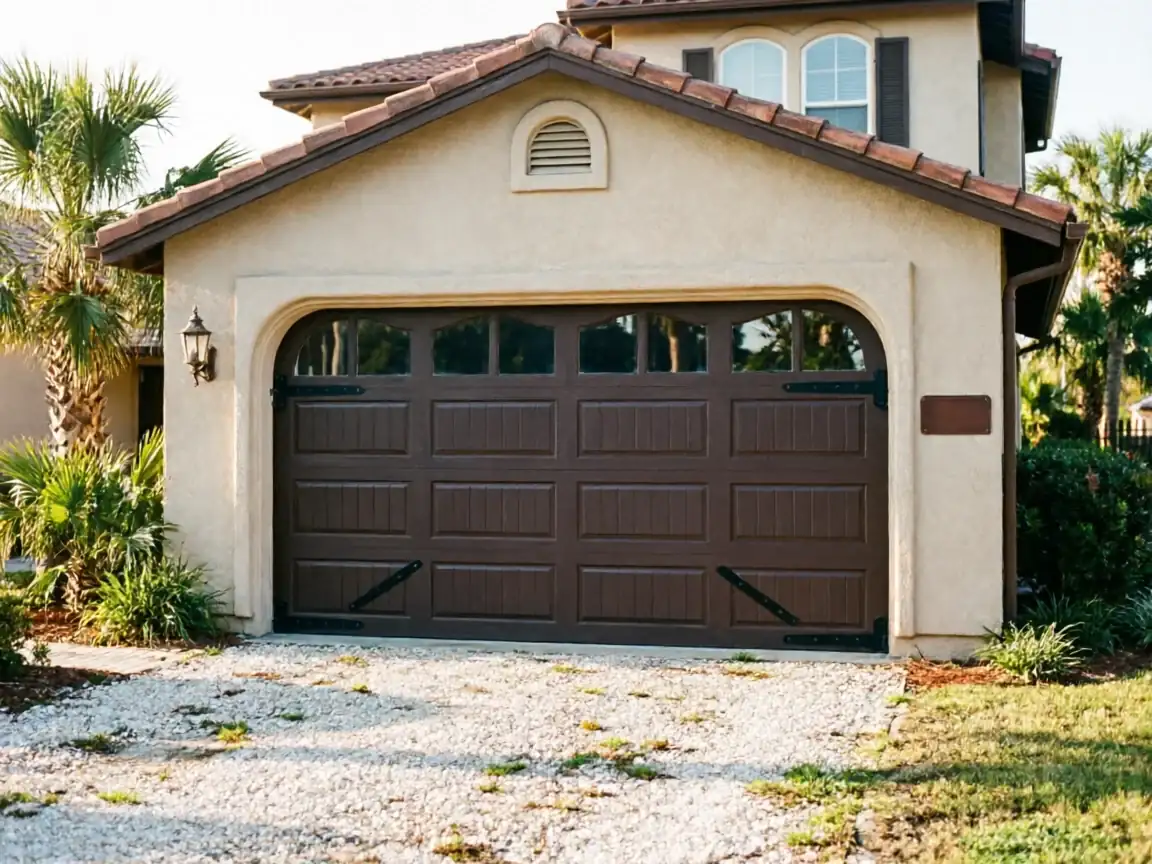
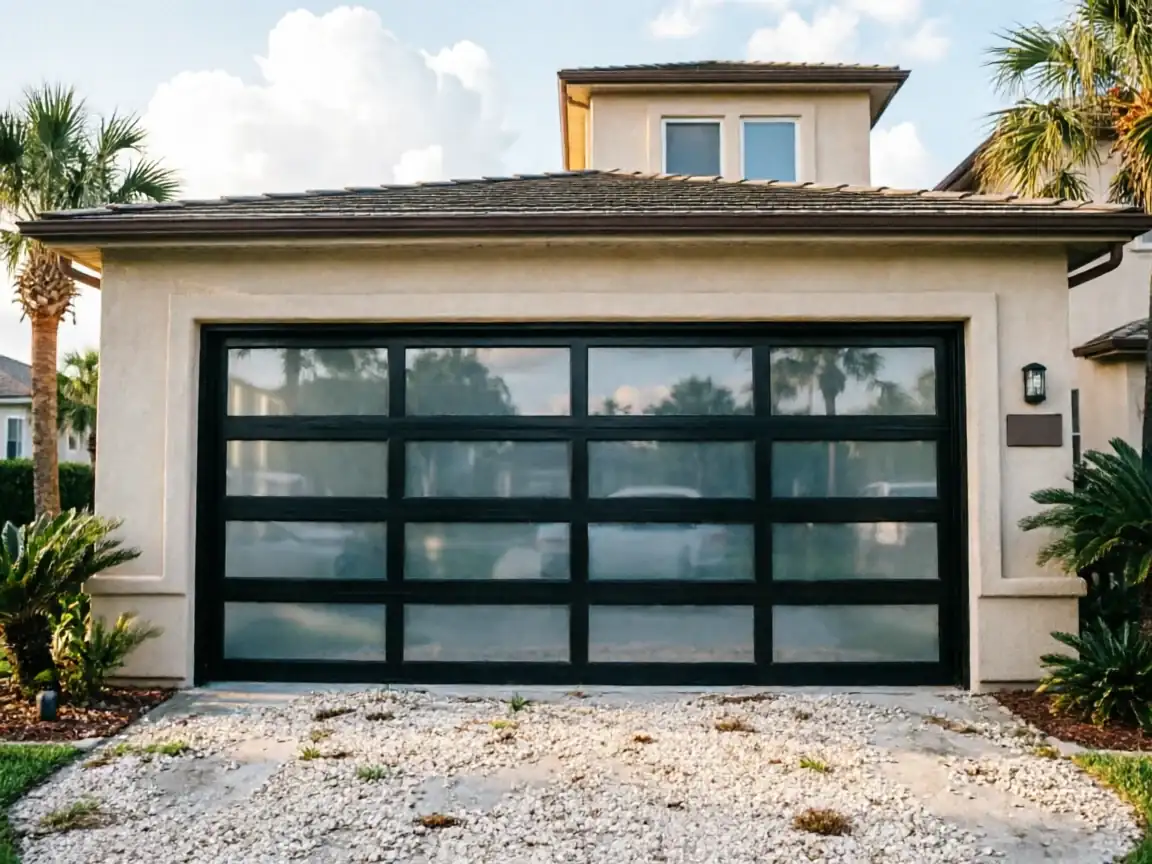
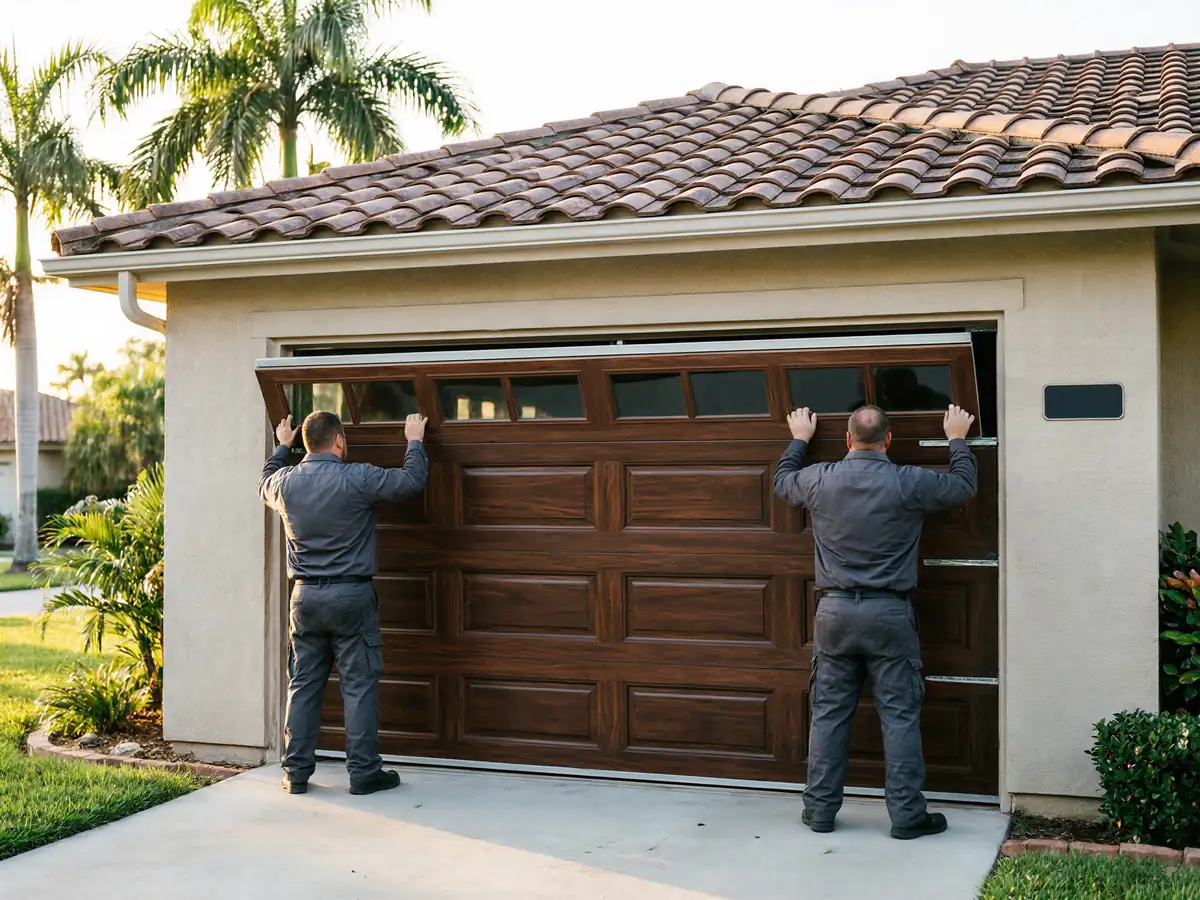
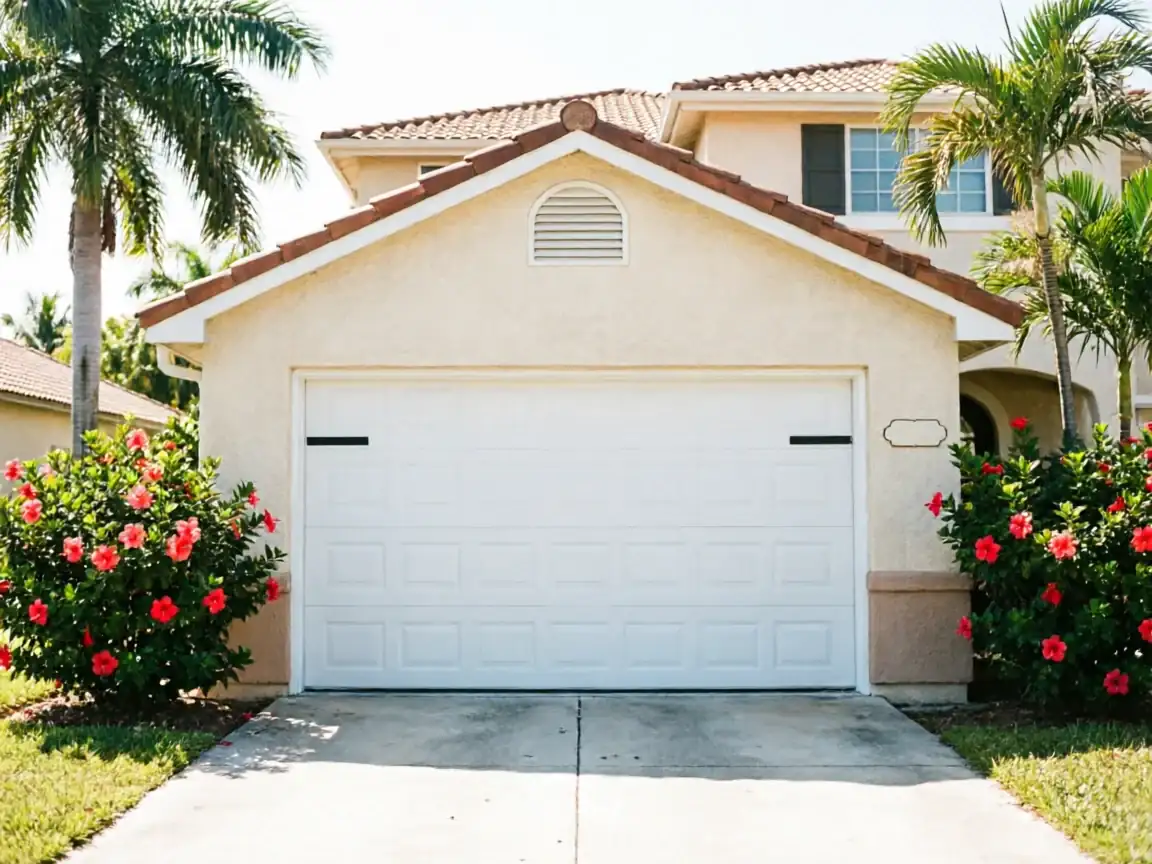
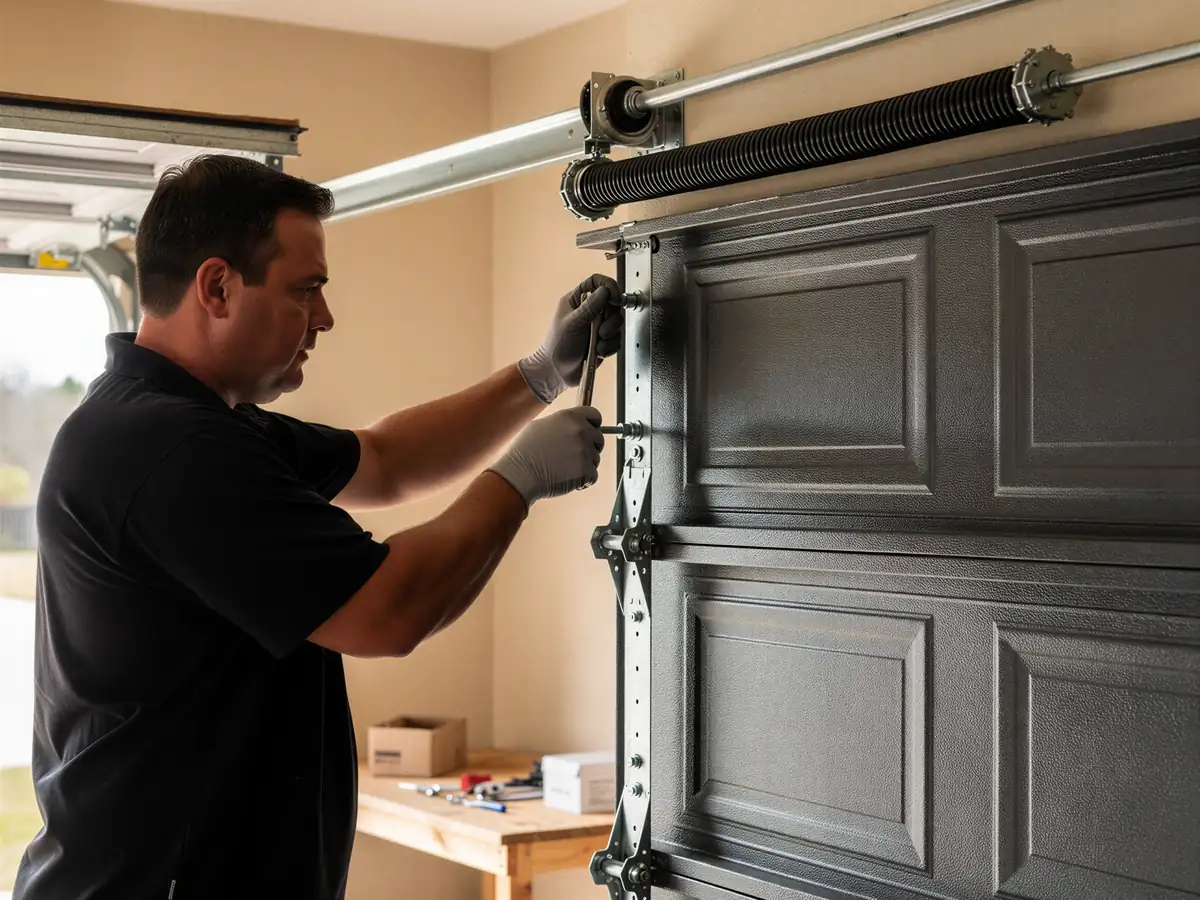
Most garage doors in Wellington went in after 1995, which puts them a generation ahead of the older stock closer to the coast. That means wider openings - a lot of two-car doors run 16 feet across instead of the narrower 9-foot single bays you see in older neighborhoods - and steel panel sections with factory insulation rather than solid wood or thin aluminum. The torsion spring setup is almost always a standard double-spring system mounted on a center shaft above the door, not the older side-mounted extension springs that show up in 1960s and 70s construction elsewhere in the service area.
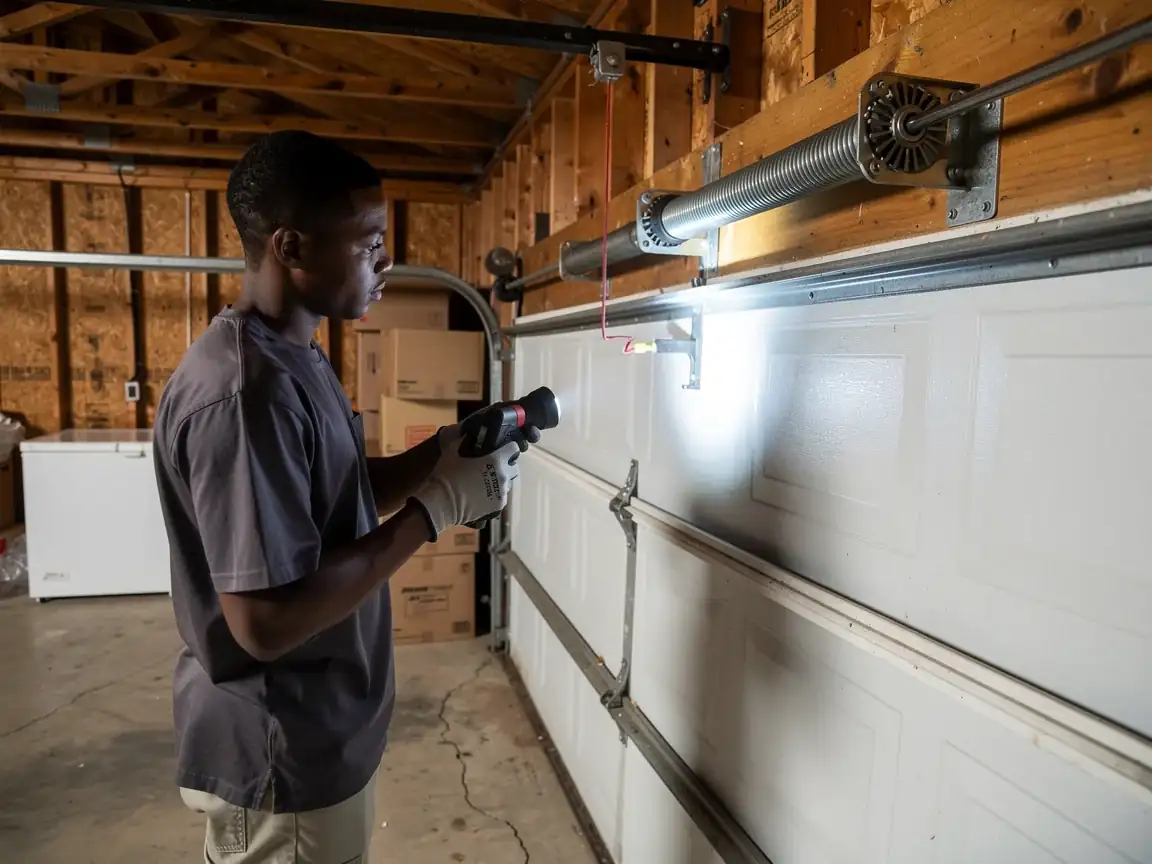
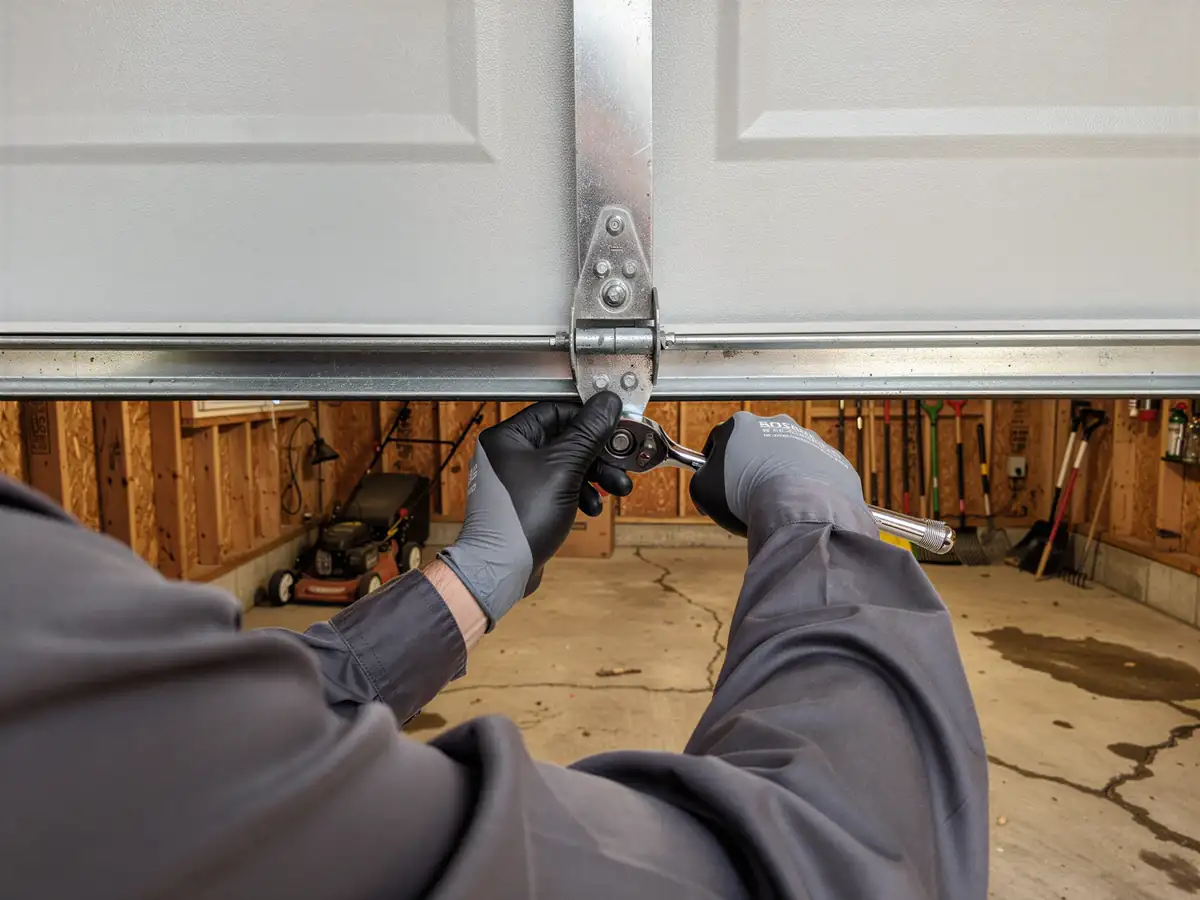
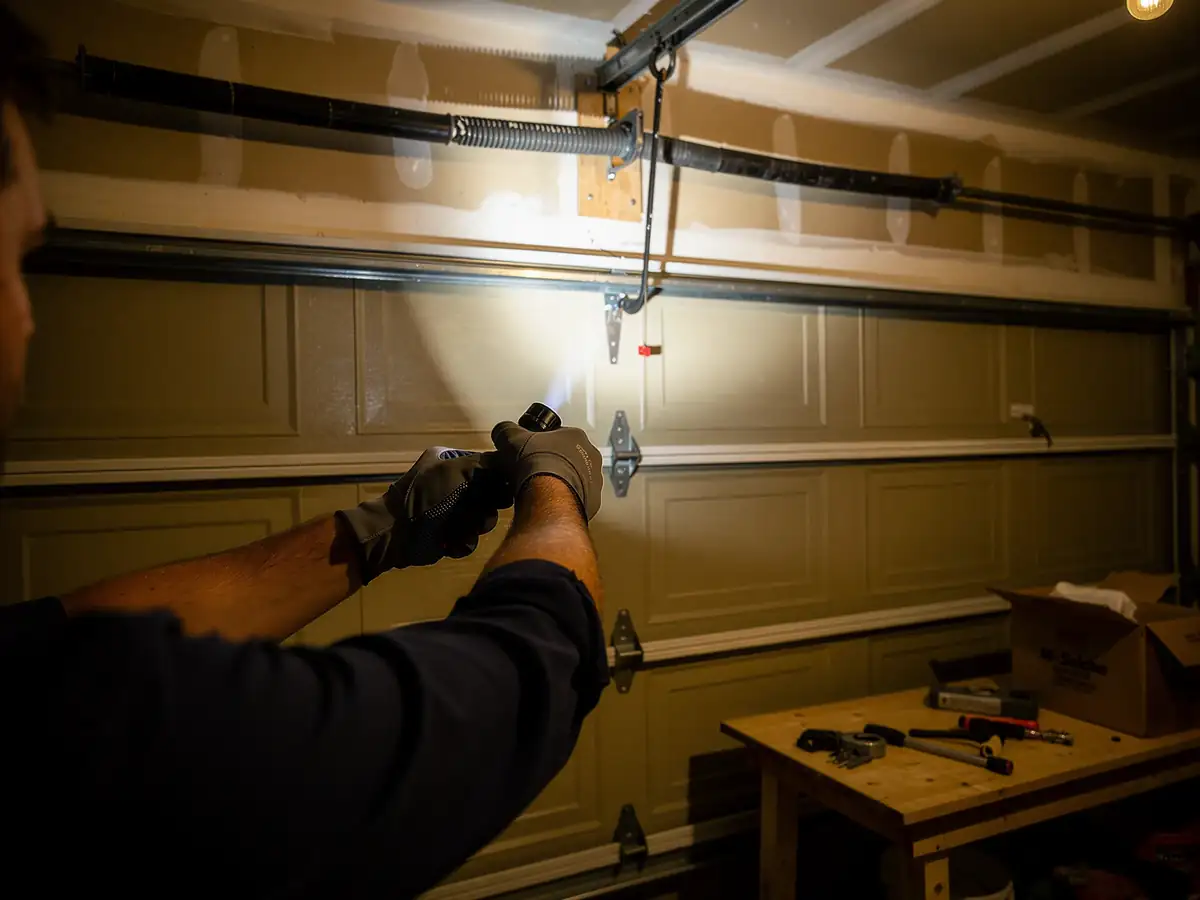
When a spring breaks on one of these wider doors, the two springs are usually matched by weight to the door, so if one goes, the other is close behind on wear. The fix is a full spring replacement sized to the door's weight and cycle count, not a patch job on the one that snapped. We check the cables, the drums, and the bottom brackets at the same time, since a broken spring under tension can nick a cable on its way down and you won't see it until the second failure a few weeks later.
Doing It Yourself
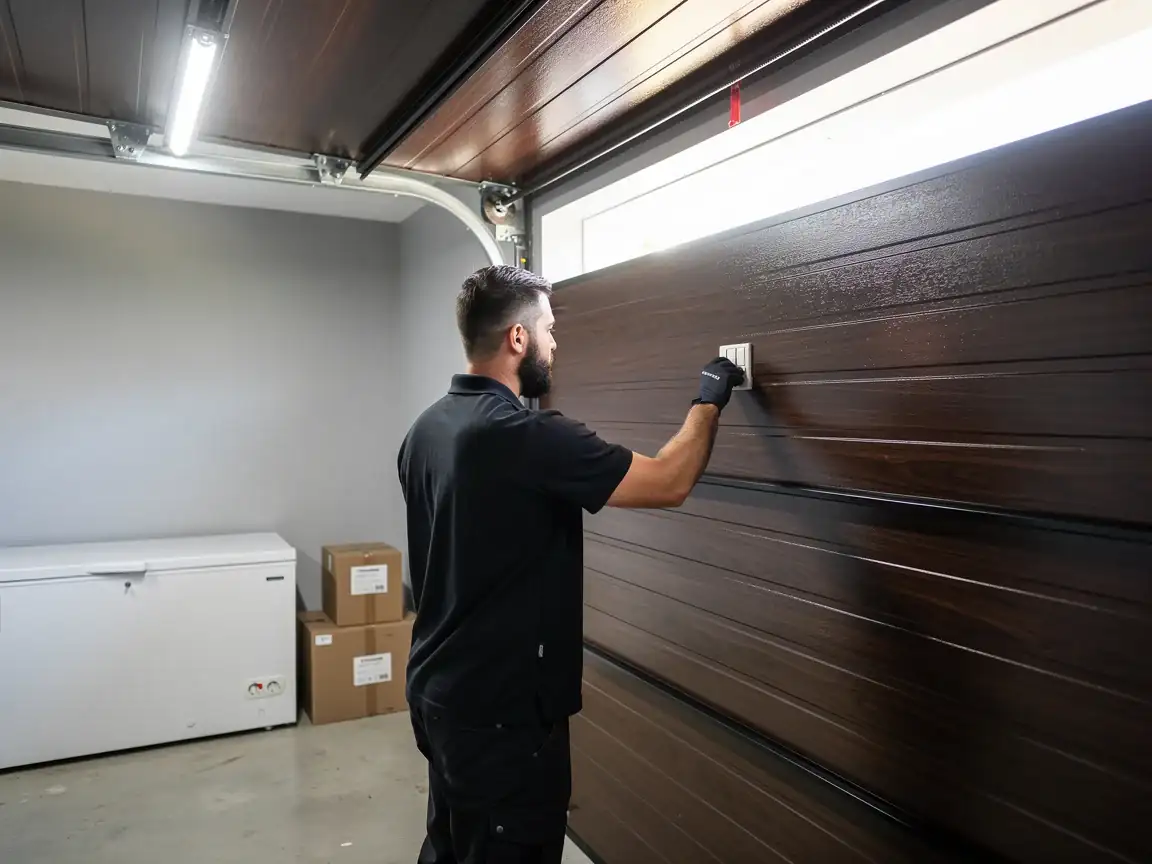
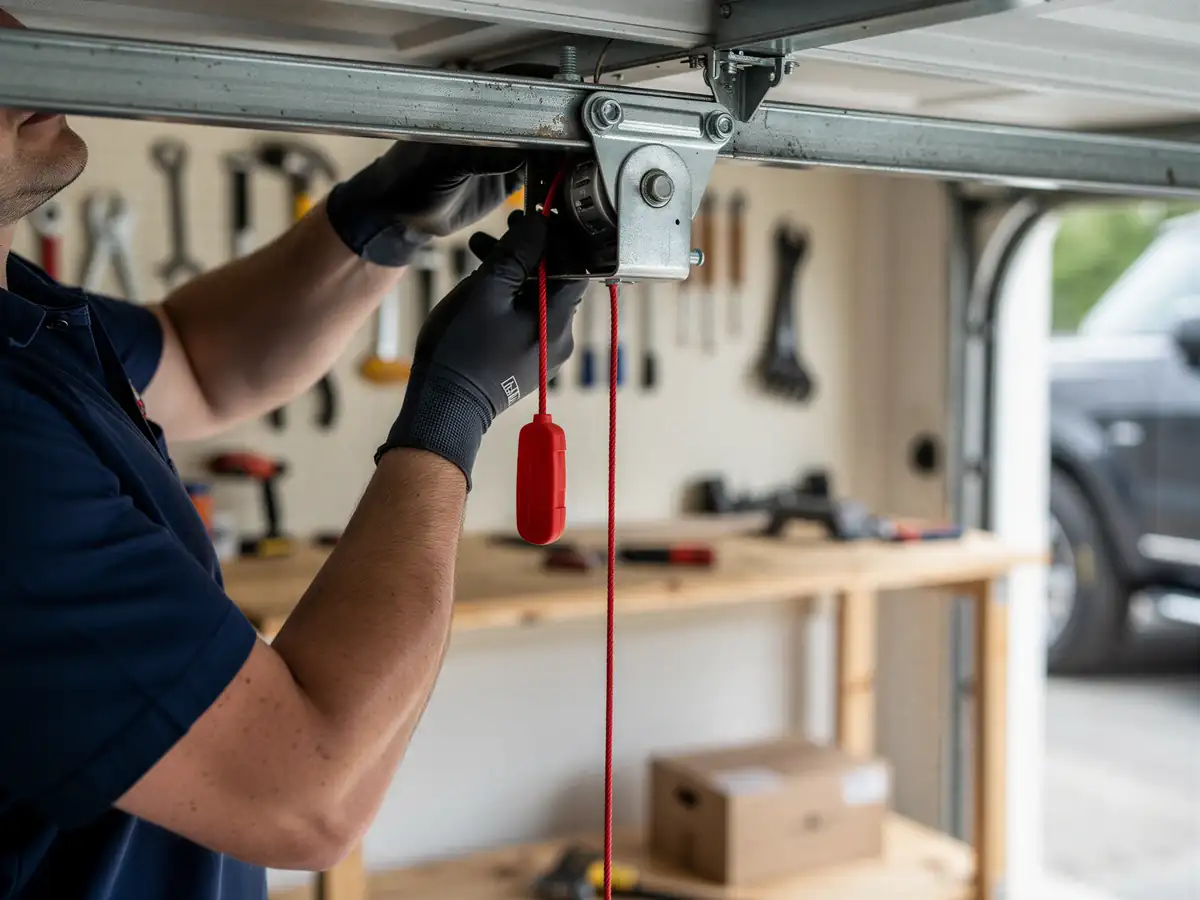
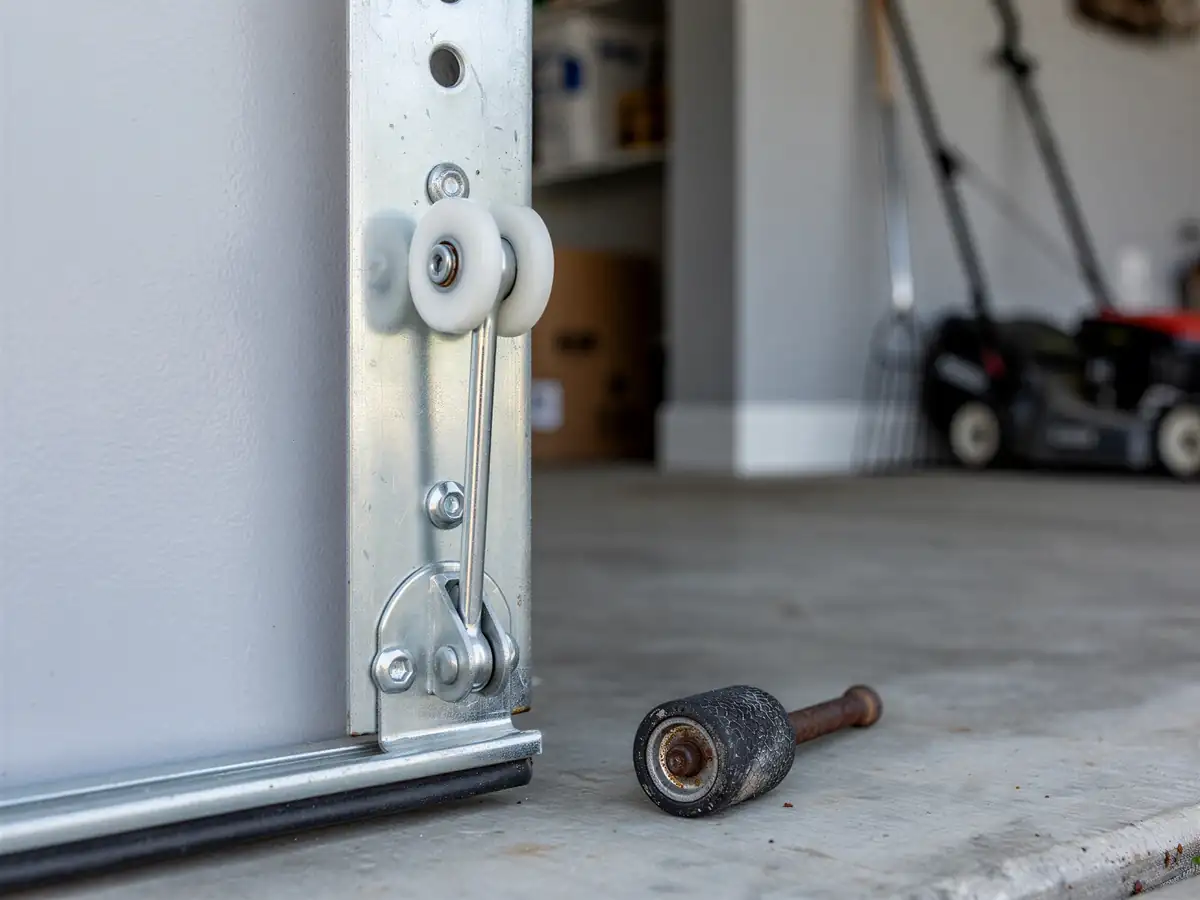
A stuck door with a broken torsion spring is not a DIY repair, period - the spring is wound under enough tension to break a hand or worse, and the center-shaft systems common on these newer, wider doors carry more stored force than the smaller single-car setups. What a homeowner can safely check first: the photo-eye sensors near the bottom of the tracks (a stray leaf blower or a box leaning against one will stop the door cold), and the wall button or remote batteries.
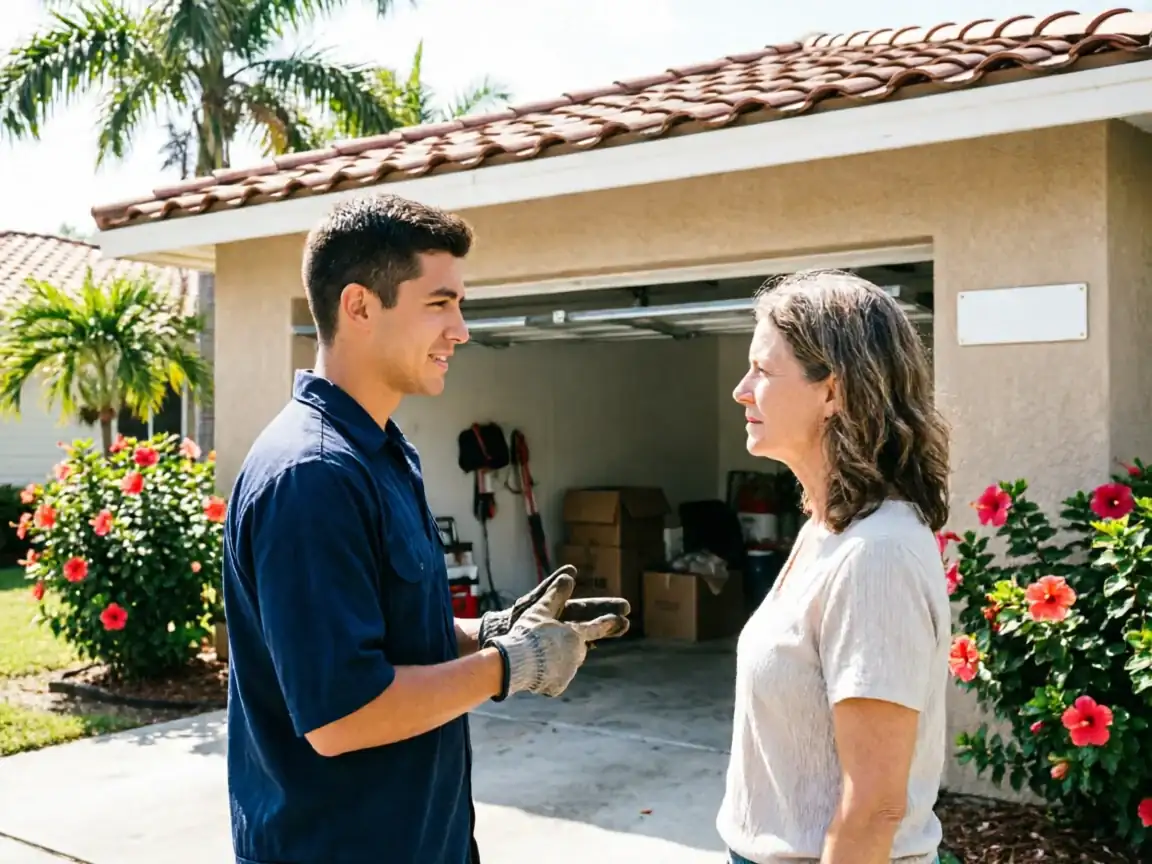
If the door won't budge and you hear a bang before it, that is almost always the spring. Leave it down, keep the opener off so the motor doesn't strain against dead weight, and call it in rather than forcing the manual release. We're honest that we don't do same-day parts miracles on unusual sizes - most standard torsion springs for these doors we carry on the truck, but if a door uses an odd custom width, that part can take longer to source.
The Symptom
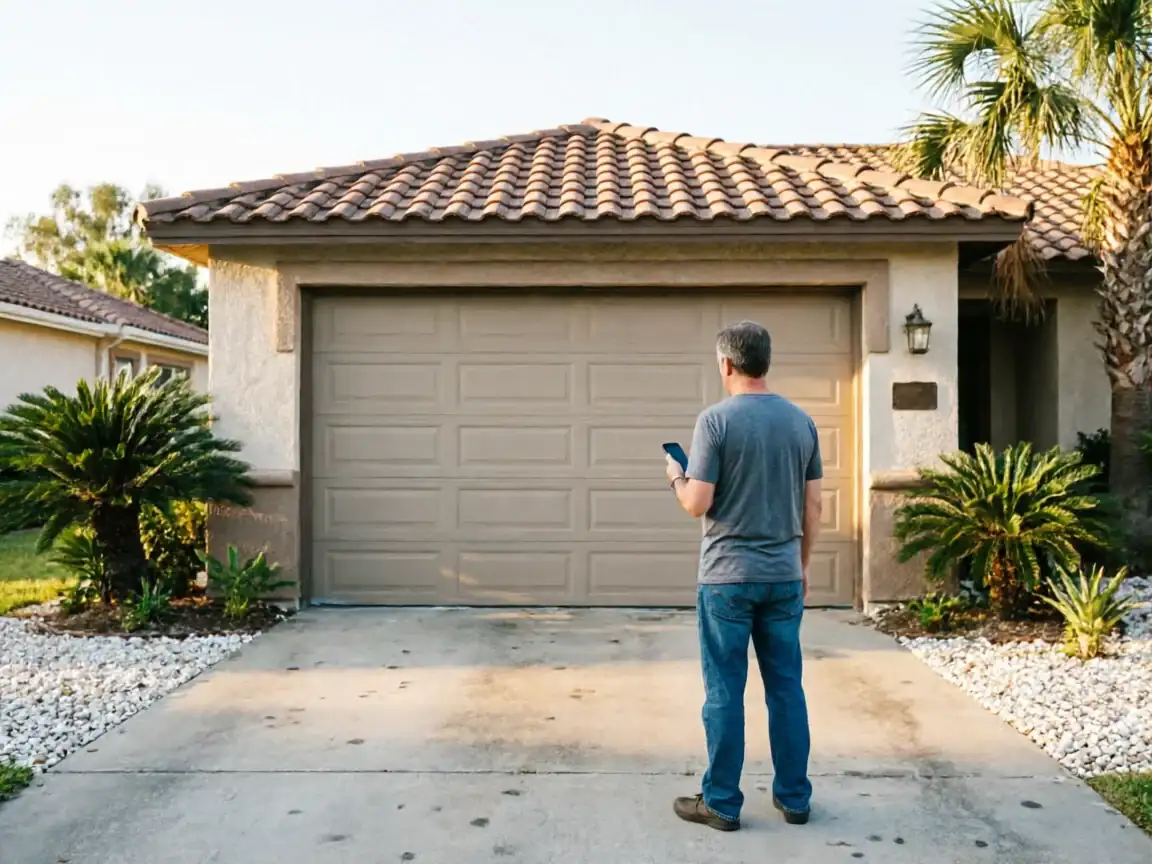
The call we get most from this area is a door that was fine yesterday and this morning either won't open at all or opens a few inches and stops
On a wider door, that dead stop is the tell - the opener motor isn't built to lift a 16-foot steel door without spring assist, so it tries, strains, and the safety reversal kicks in. Some owners hear the spring go the night before: a loud crack from the garage, sometimes mistaken for a car backfiring outside.
A second common pattern is a door that opens and closes but sags unevenly on one side
Which points to one spring still holding while its partner is already gone, or a cable that's slipped off a drum. Either way, the door stays dangerous to operate by hand until the spring set is replaced and balanced.
Why It Happens Here
Wellington sits inland, about 14 miles from our Boynton Beach shop, and the mild South Florida climate here doesn't put the same corrosion stress on hardware that coastal salt air does - springs and tracks generally last on cycle count and age rather than rust. With most houses dating to the mid-1990s and later, the springs installed at construction are now old enough, by cycle count, to be past their rated life even though the doors themselves still look new.
Household income in Wellington runs higher than the broader service area median, and a lot of these garages hold two full-size vehicles plus storage, which means the door cycles more often than a single-car setup in an older, smaller home. More cycles on a 25-year-old spring is exactly the combination that leads to sudden failure rather than a slow warning.