What the Fix Involves
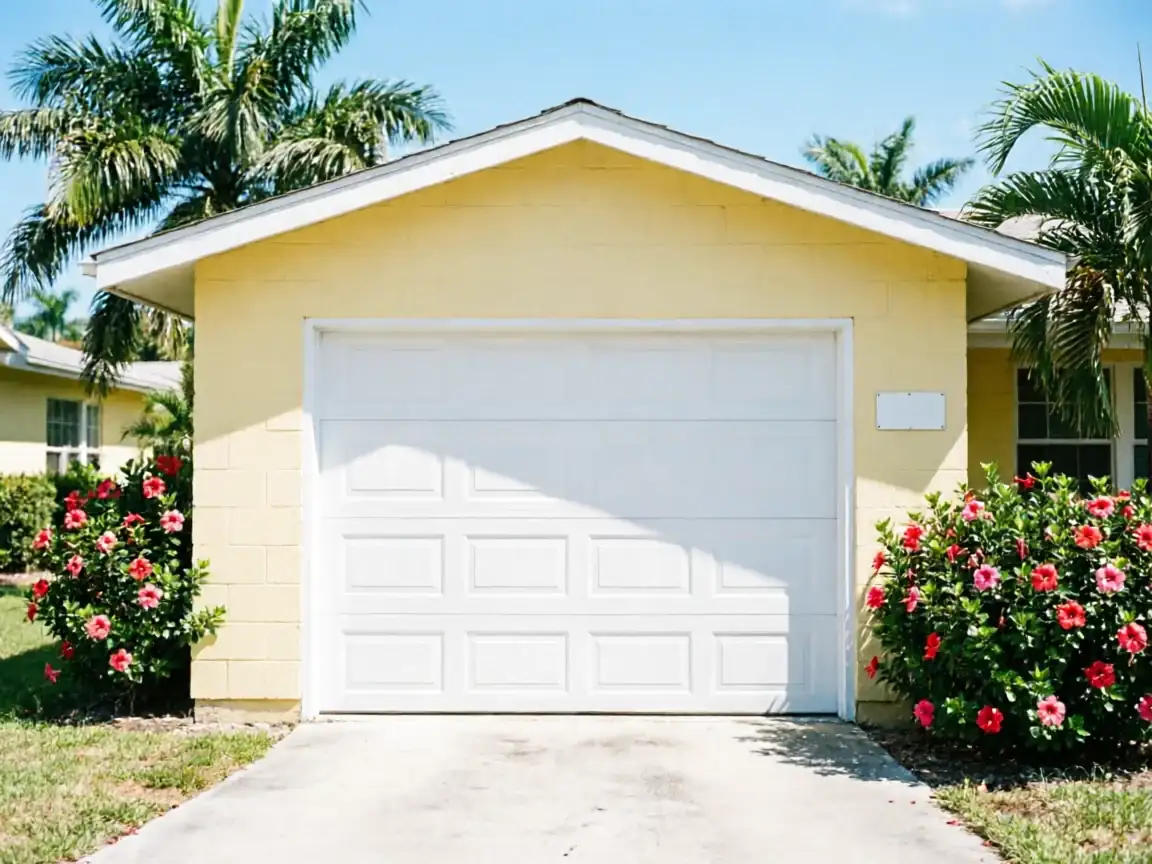
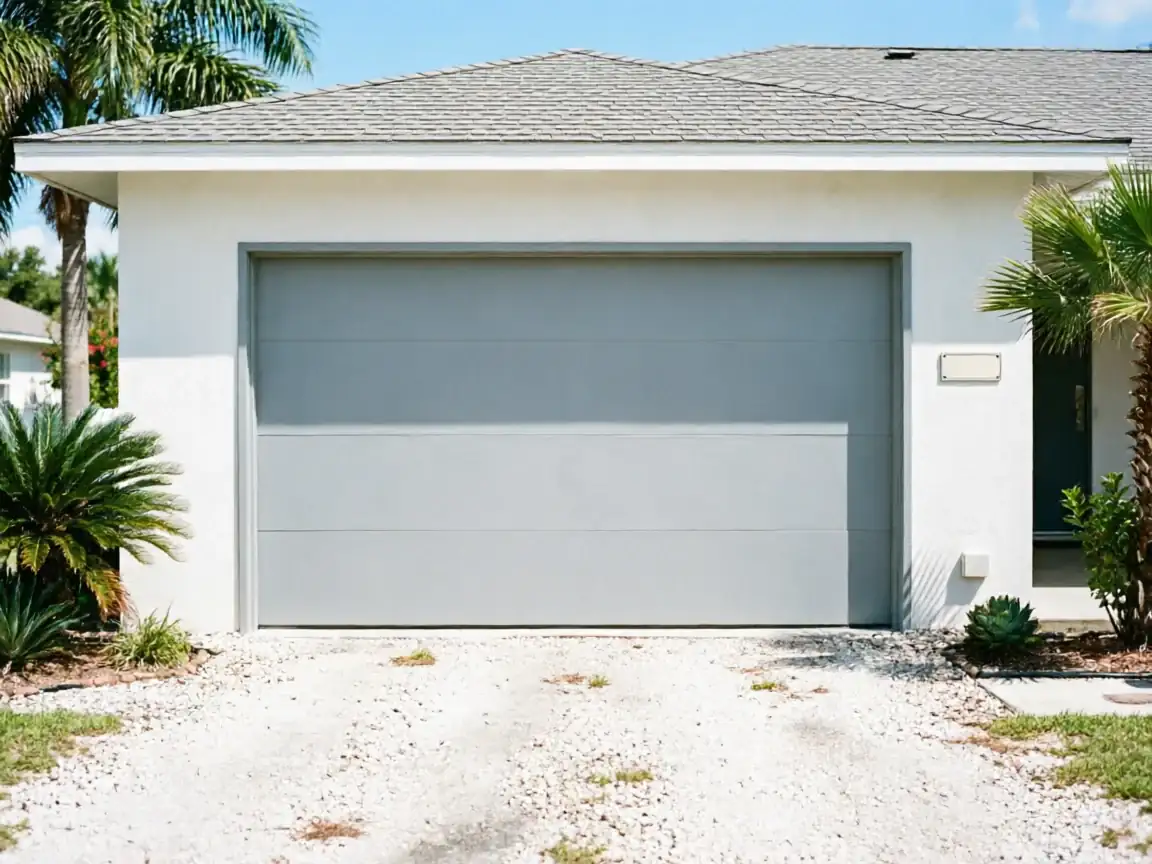
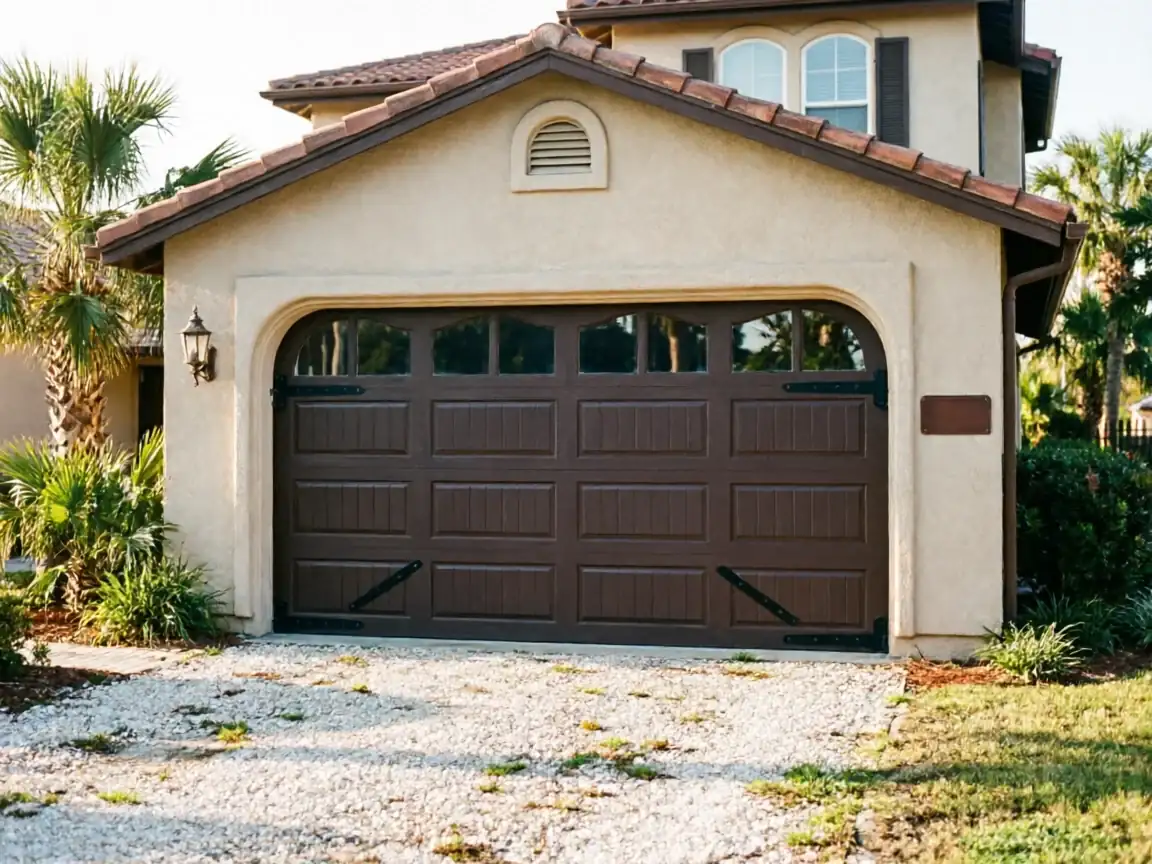
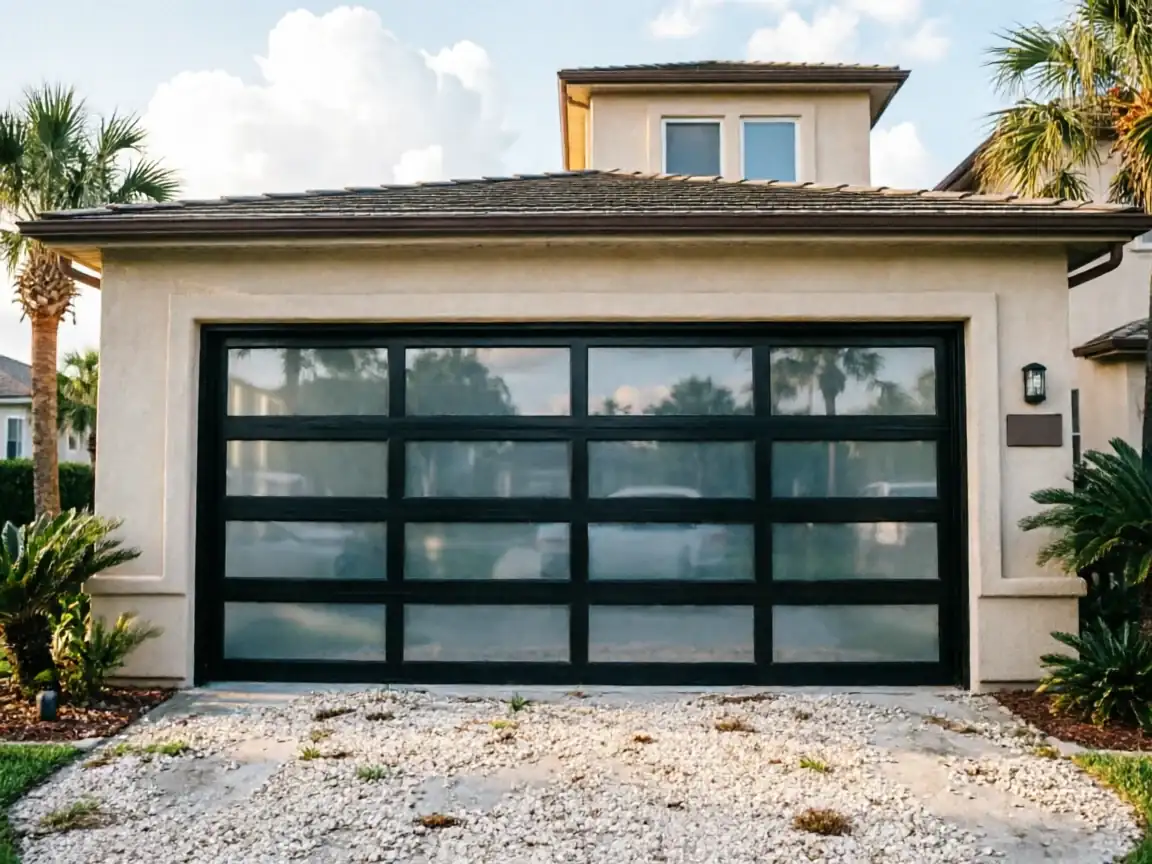
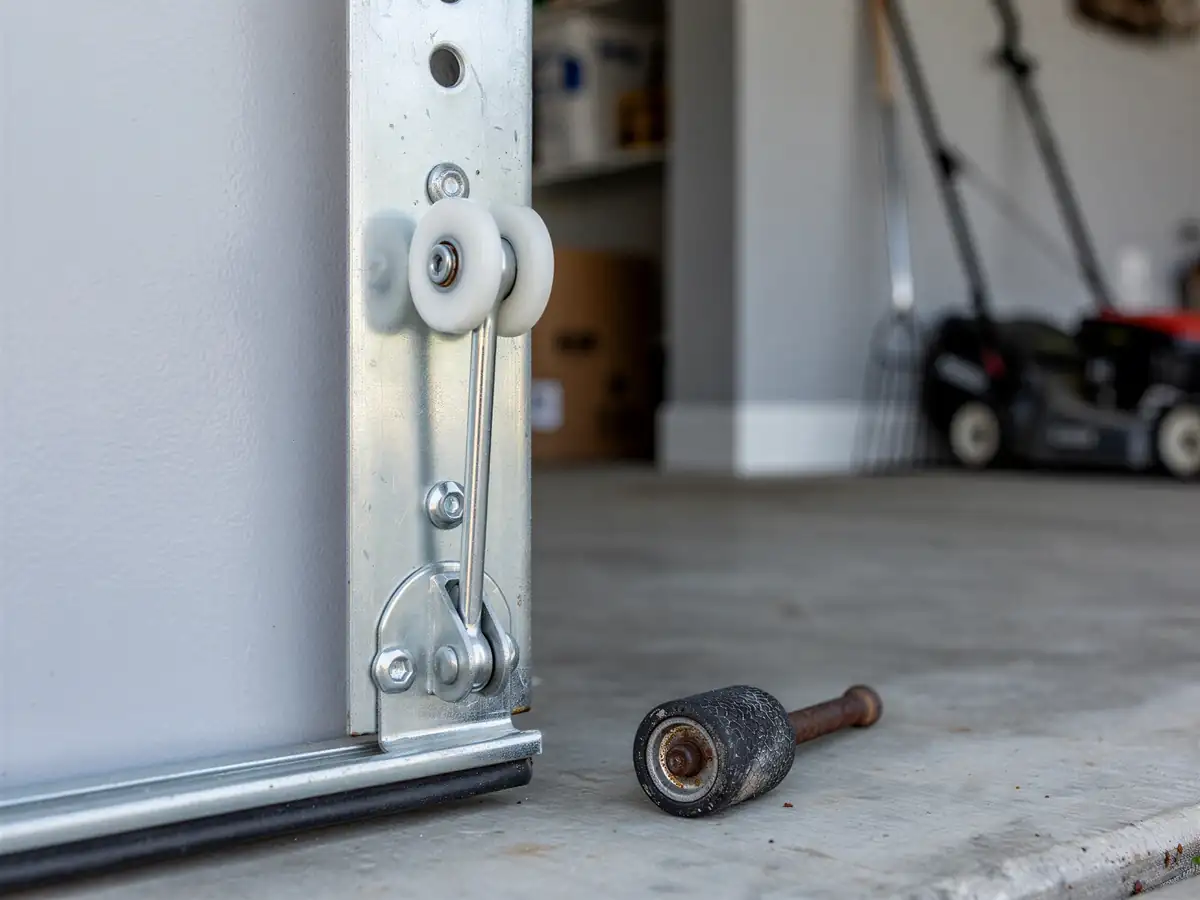
Most garages in Wellington went up around 1995, which puts them in a specific hardware generation: galvanized torsion springs on steel tracks, chain-drive openers with early circuit-board logic, and nylon rollers instead of the steel ball-bearing rollers that came later. That's different from the 1960s and 70s stock common closer to the coast, where one-piece doors and side-mounted hardware are still showing up on service calls.
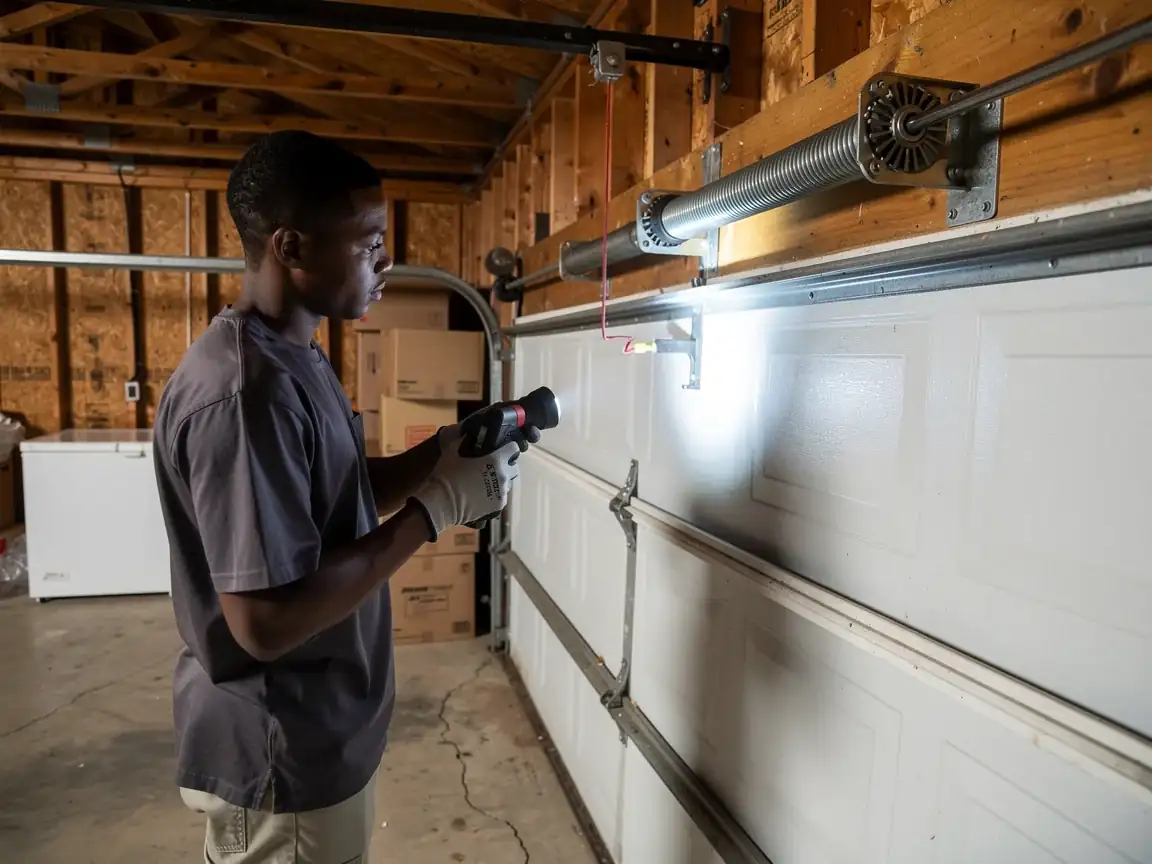
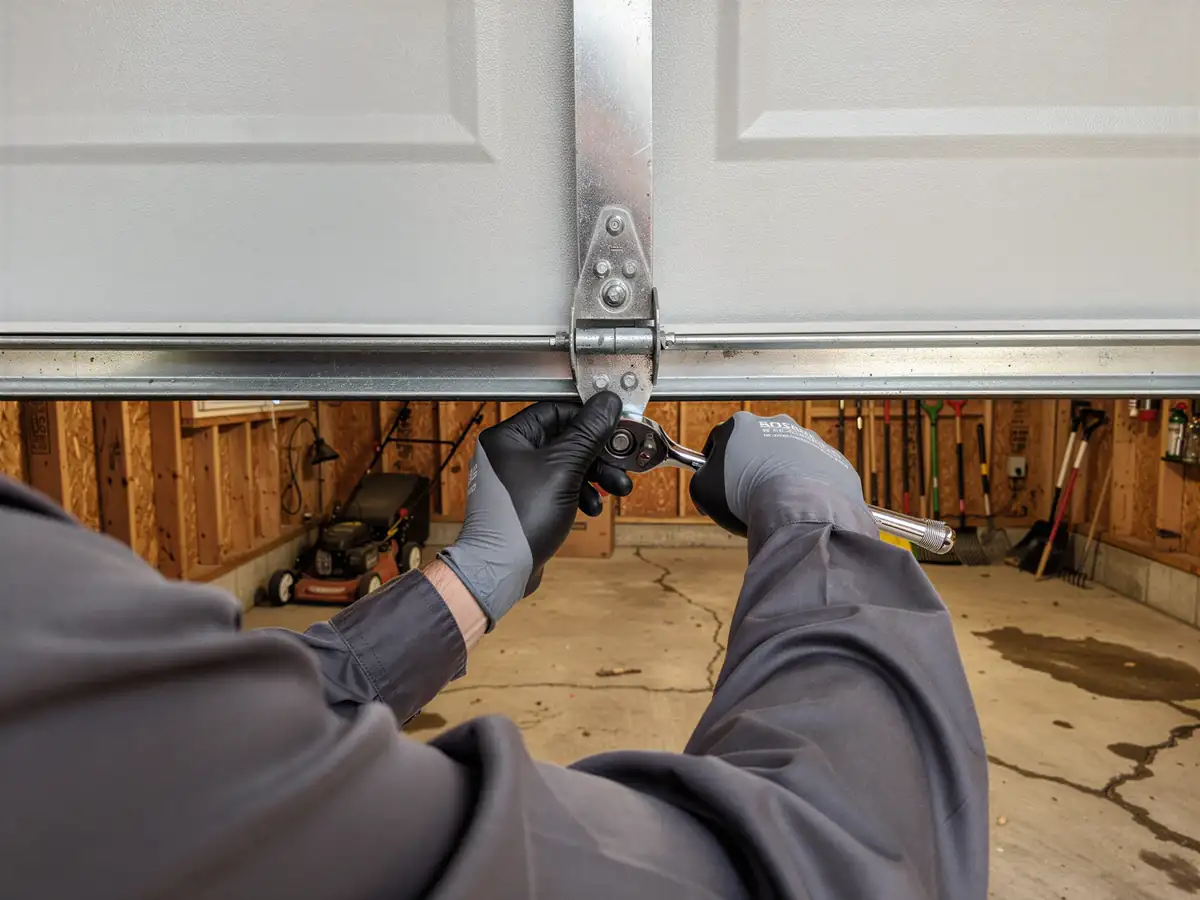
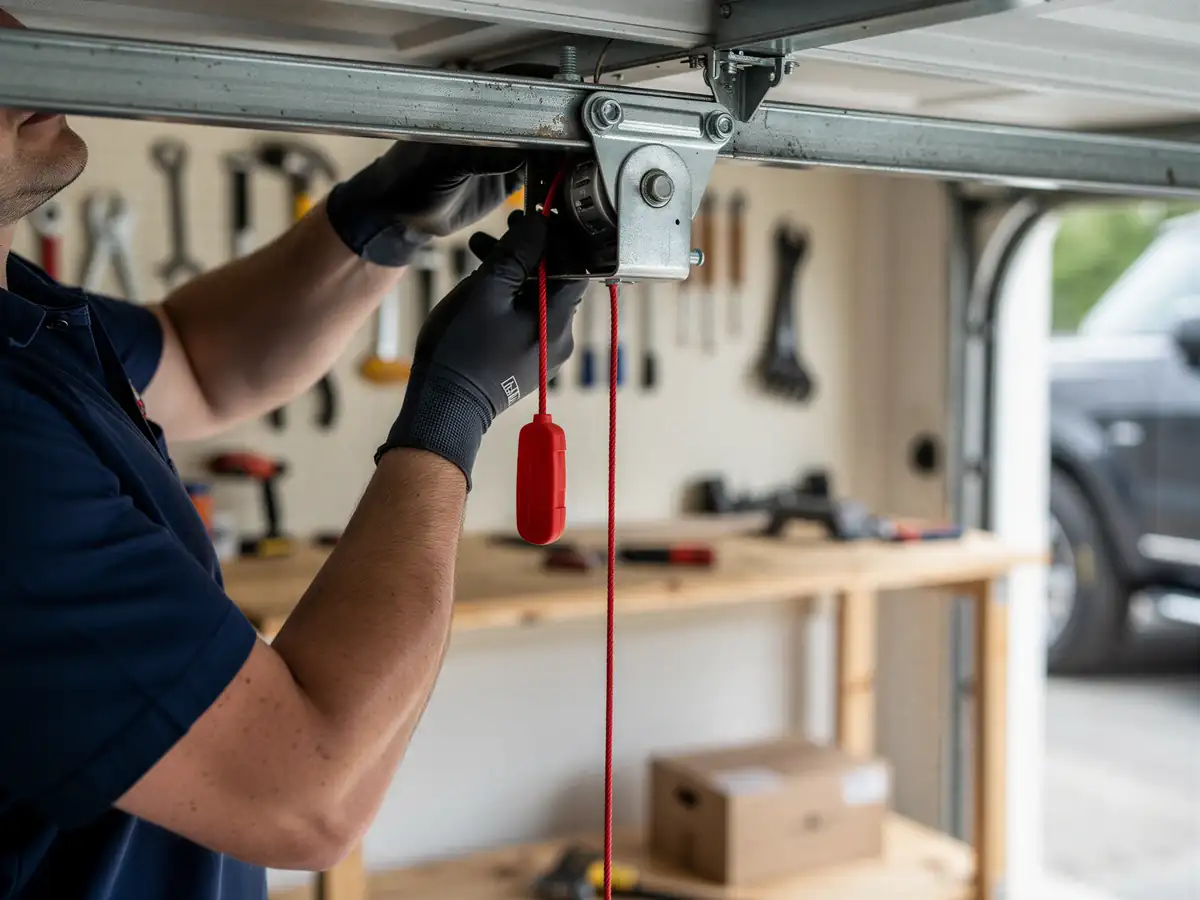
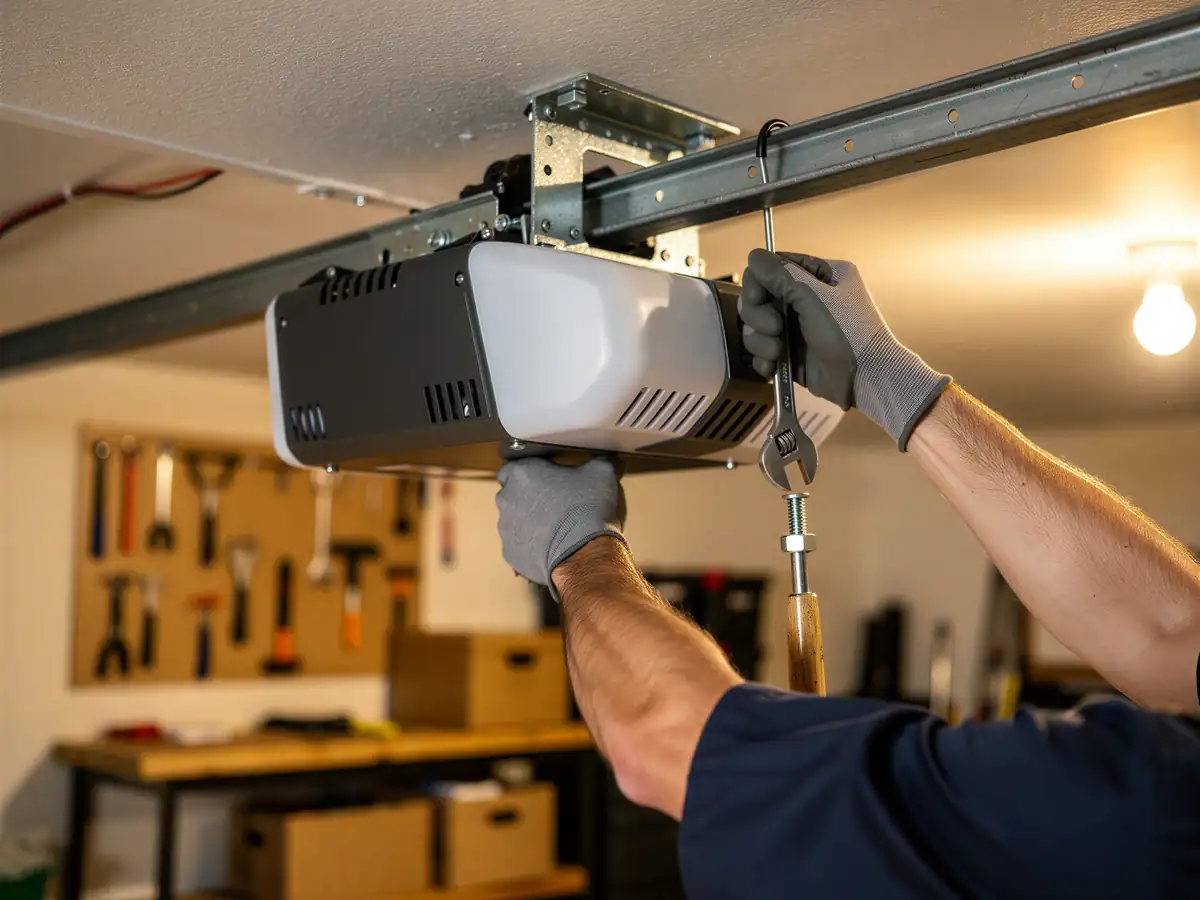
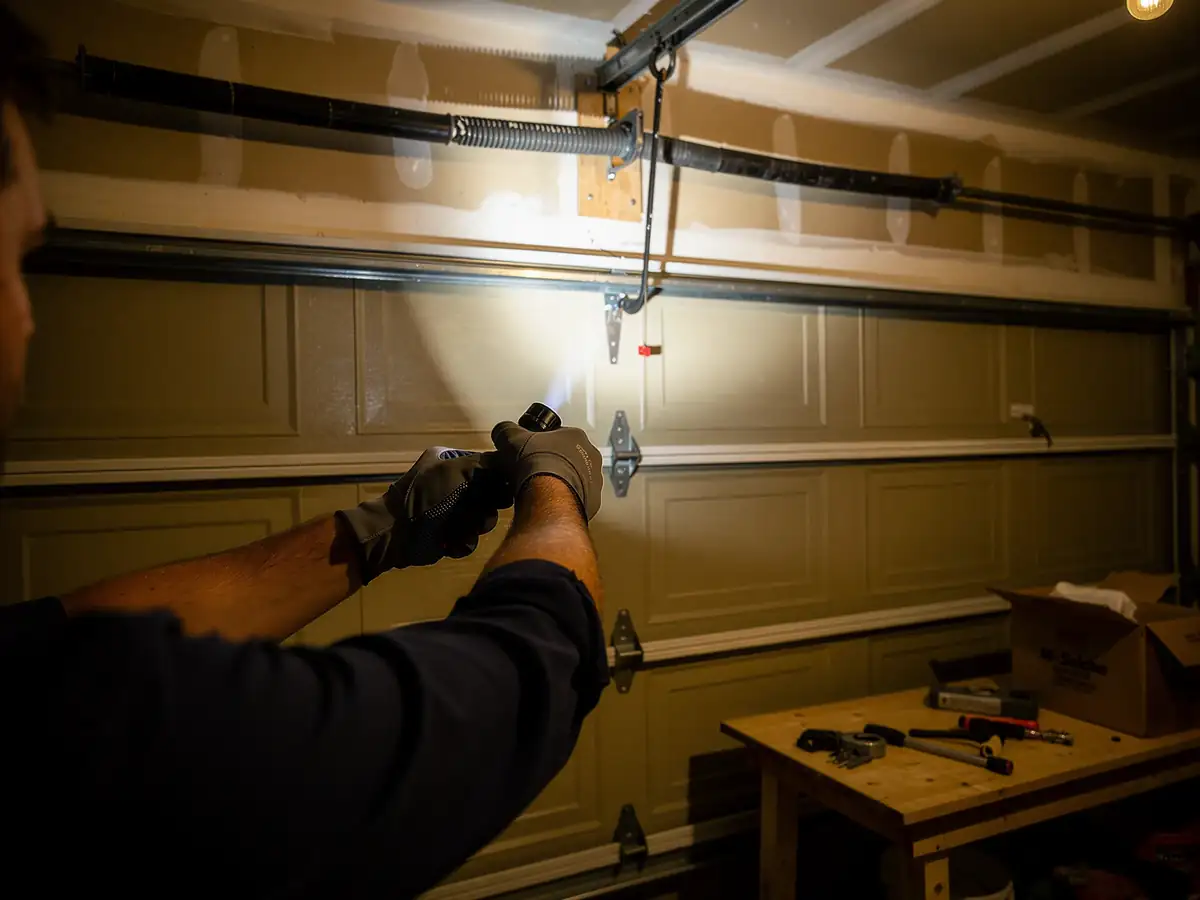
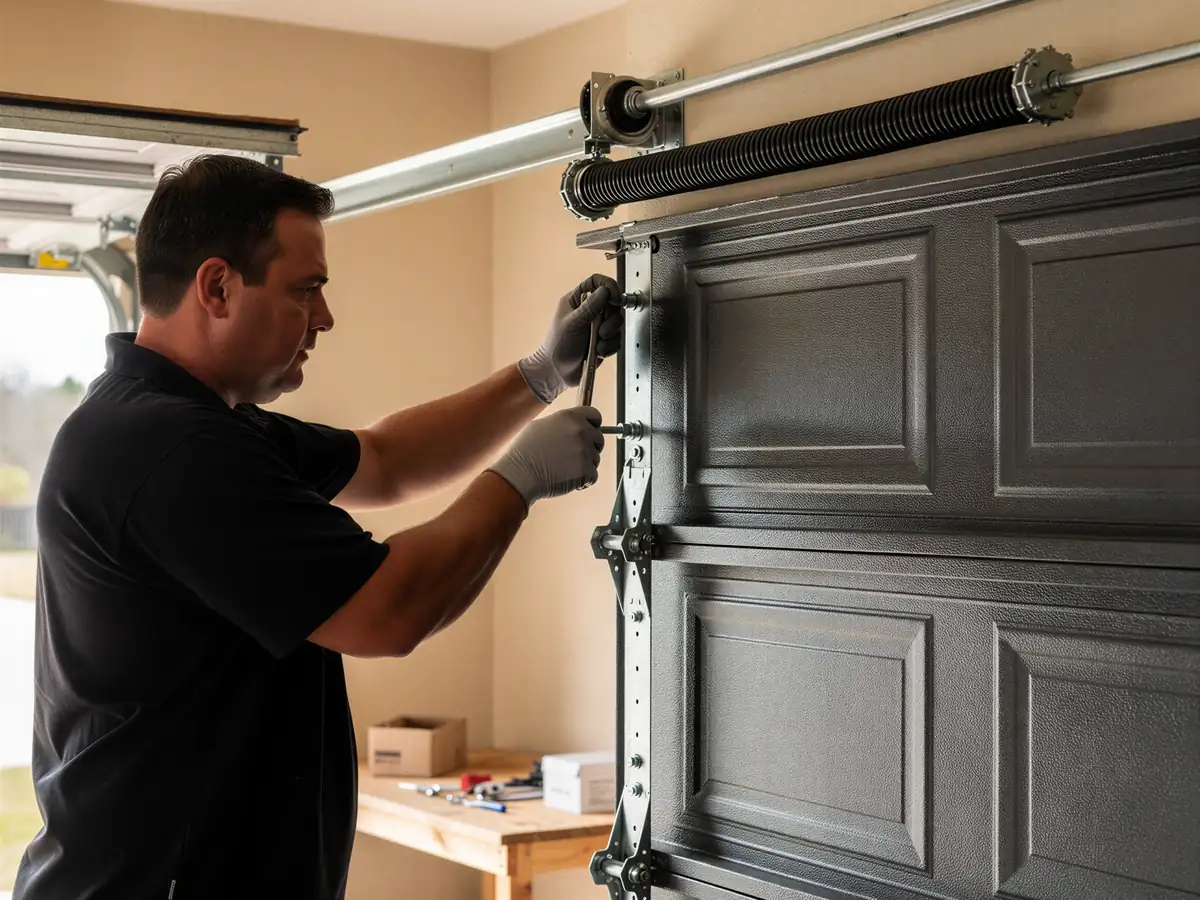
A real maintenance visit on a door this age covers torsion spring tension and winding cone wear, roller condition (nylon degrades with UV and heat long before it cracks visibly), track alignment and lag bolt tightness, cable fraying at the drum, and the opener's travel limits and auto-reverse force. We also check the logic board connections, since boards from this era are the first part to drift out of calibration, not necessarily the motor itself.
We don't replace parts that are still within spec just because they're old. A tensioned spring with life left in it gets left alone. The point of the visit is to find what's actually failing, not to sell a full hardware swap on a door that's running fine.
Doing It Yourself
You can do some of this yourself. Wipe down the tracks, check that the rollers spin freely instead of dragging, and run the auto-reverse test by setting a 2x4 flat under the door and watching whether it stops and backs up on contact. Lubricate the hinges and rollers with a garage-door-rated lubricant, not household oil, which attracts grit.
What you shouldn't do yourself is touch spring tension. A torsion spring on a double door holds enough stored force to break a bone or worse if the winding cone slips, and there's no safe amateur version of that adjustment. If a spring looks stretched, rusted at the coils, or the door feels heavier to lift by hand than it used to, that's a call, not a weekend project.
One honest limitation: if your opener's circuit board is the original from a 1990s install, replacement boards for some of those models are no longer stocked by the manufacturer. In that case the fix is a full opener swap, not a board repair, and we'll tell you that up front rather than order a part that isn't coming.
The Symptom
The pattern we see most on doors from this build era isn't a dead spring, it's a door that runs unevenly
Shaking or hesitating partway through the cycle instead of traveling smooth top to bottom. That's usually worn nylon rollers binding unevenly in the track, not the opener motor losing power, and it's easy to misdiagnose as a motor problem if you're just listening to it struggle.
The second common one is an opener that reverses for no reason
Closes partway and kicks back open. On boards this old that's often a sensor alignment or a logic board that's drifted out of calibration with age, rather than anything wrong with the door itself. Chasing it by replacing the motor doesn't fix it; checking the board and the safety sensors does.
Neither of these is an emergency in the sense of a spring snapping outright
But both get worse the longer they run, because a door fighting its own rollers puts extra load on the cable and drum that weren't built to carry it.
Why It Happens Here
Wellington's housing stock centers on 1995, newer than the 1965-2005 span typical across the wider service area, and well past the 1977 median for the region as a whole. That means the hardware generation here is fairly uniform street to street, which is useful: a technician coming out of Boynton Beach, 14 miles away, is usually looking at the same roller and opener-board issues on consecutive jobs rather than a mix of eras.
The climate here is the mild, temperate band common to the wider area, but mild doesn't mean static. Daily heat and UV cycling is still hard on nylon rollers and on the lubricant inside a chain-drive opener's gear housing, and that wear adds up over 25 to 30 years even without freeze-thaw damage. It shows up as roller noise and chain slack long before anything breaks outright.
With 21,604 households in Wellington, most settled into homes from that same 1990s wave, and a median household income of $110,294, we see more full two-car doors in regular daily use here than smaller single-bay setups, which means more cycles a year running through the same aging bearings and tracks.