What the Fix Involves
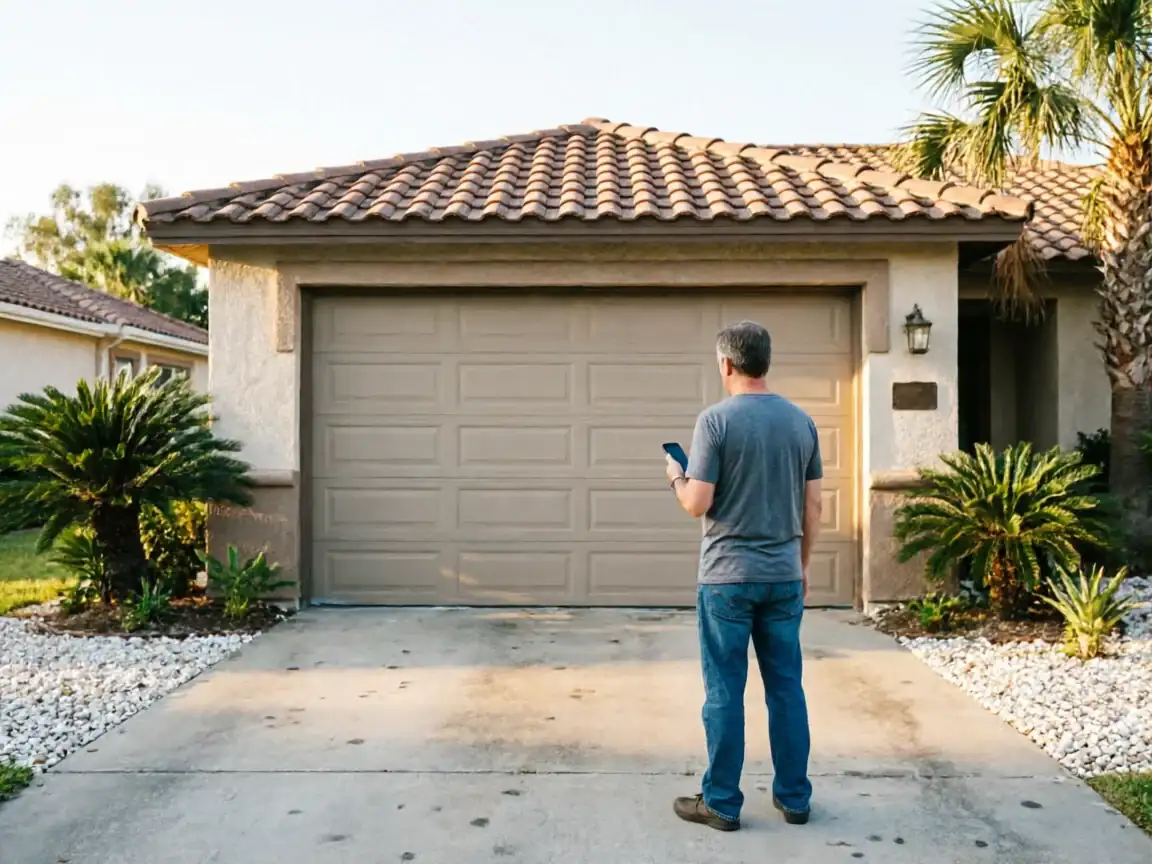
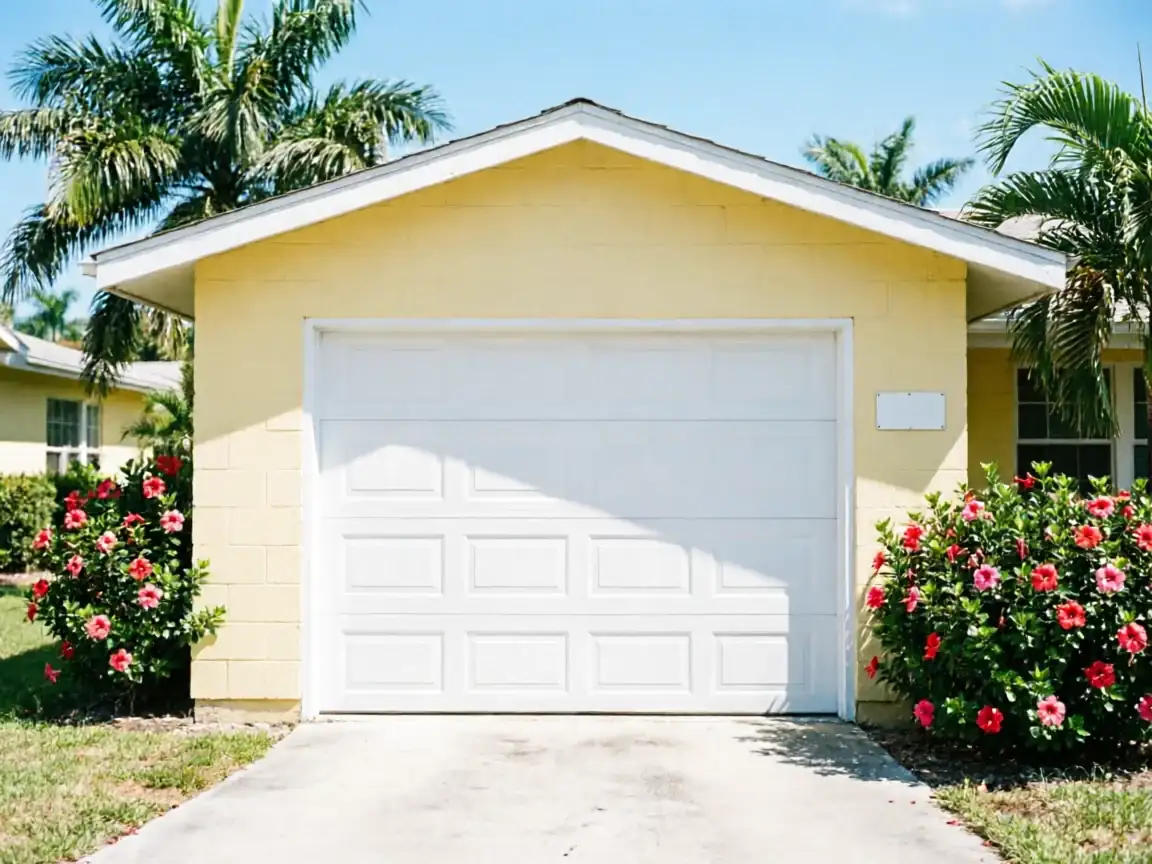
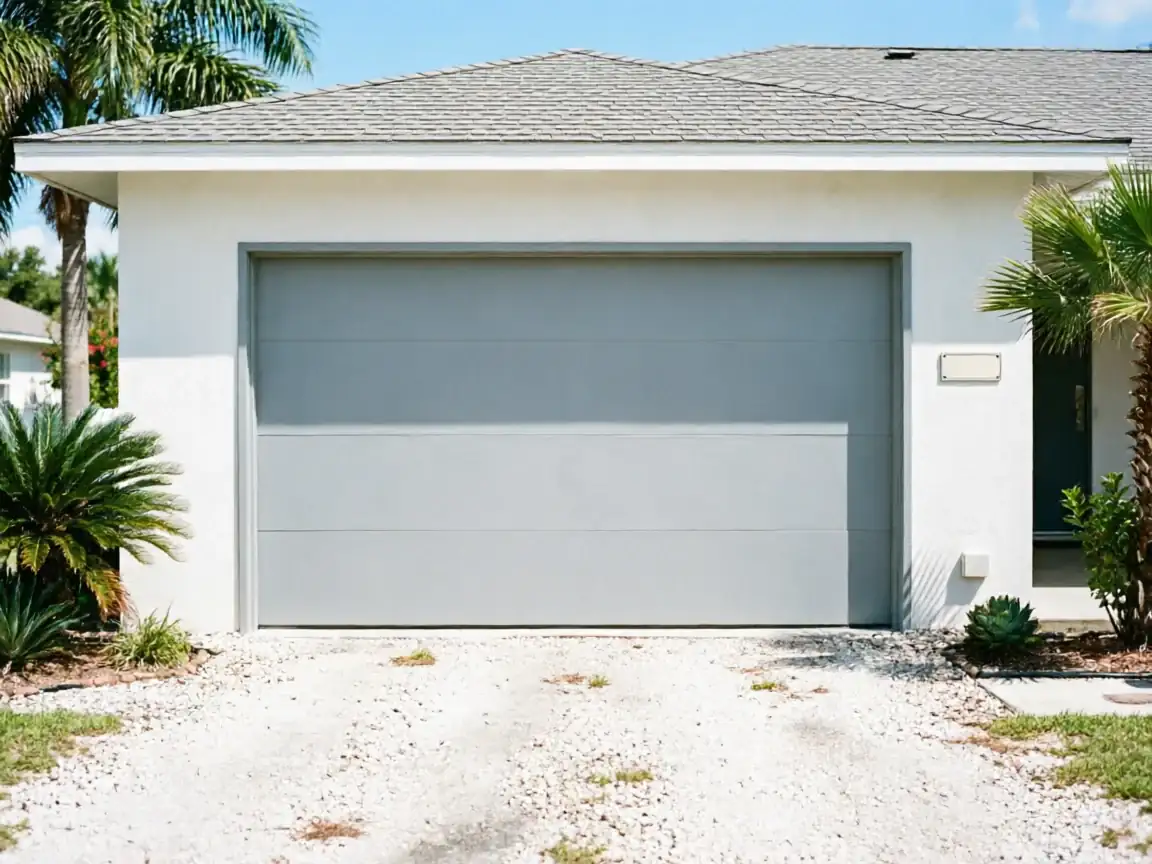
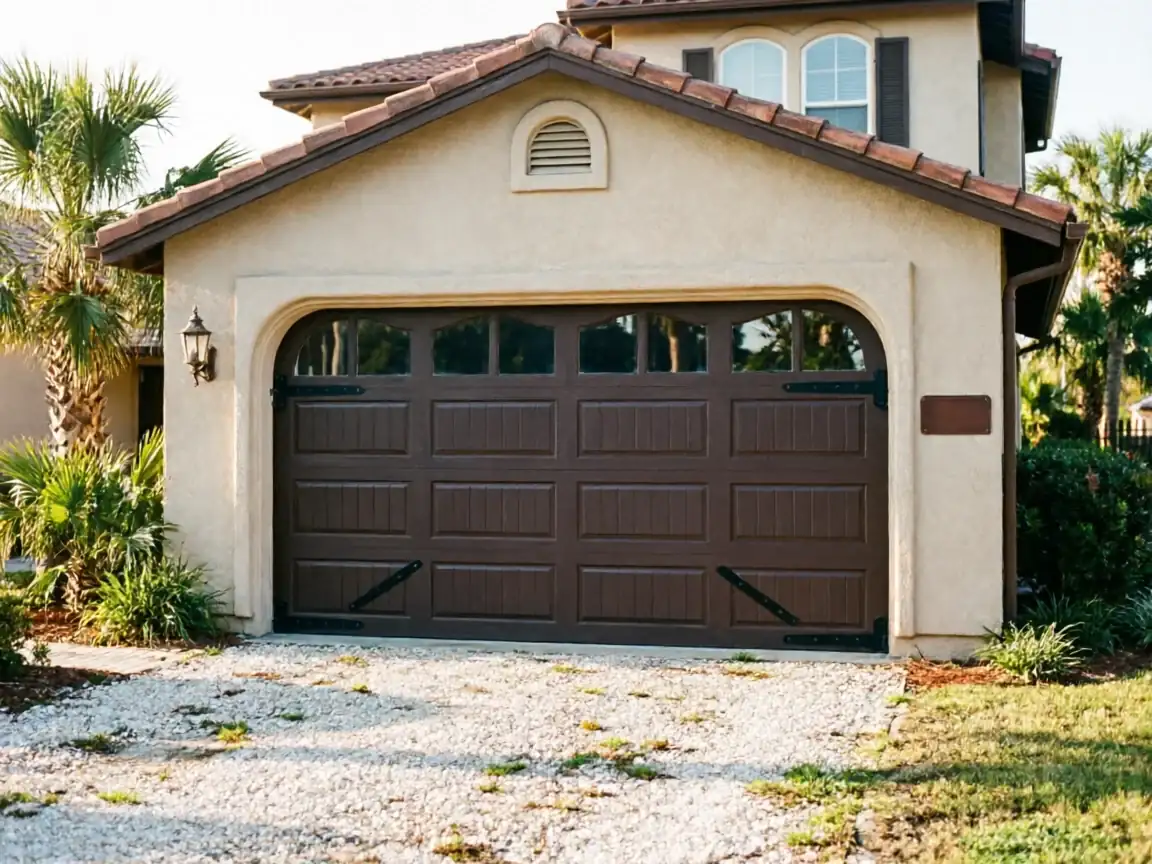
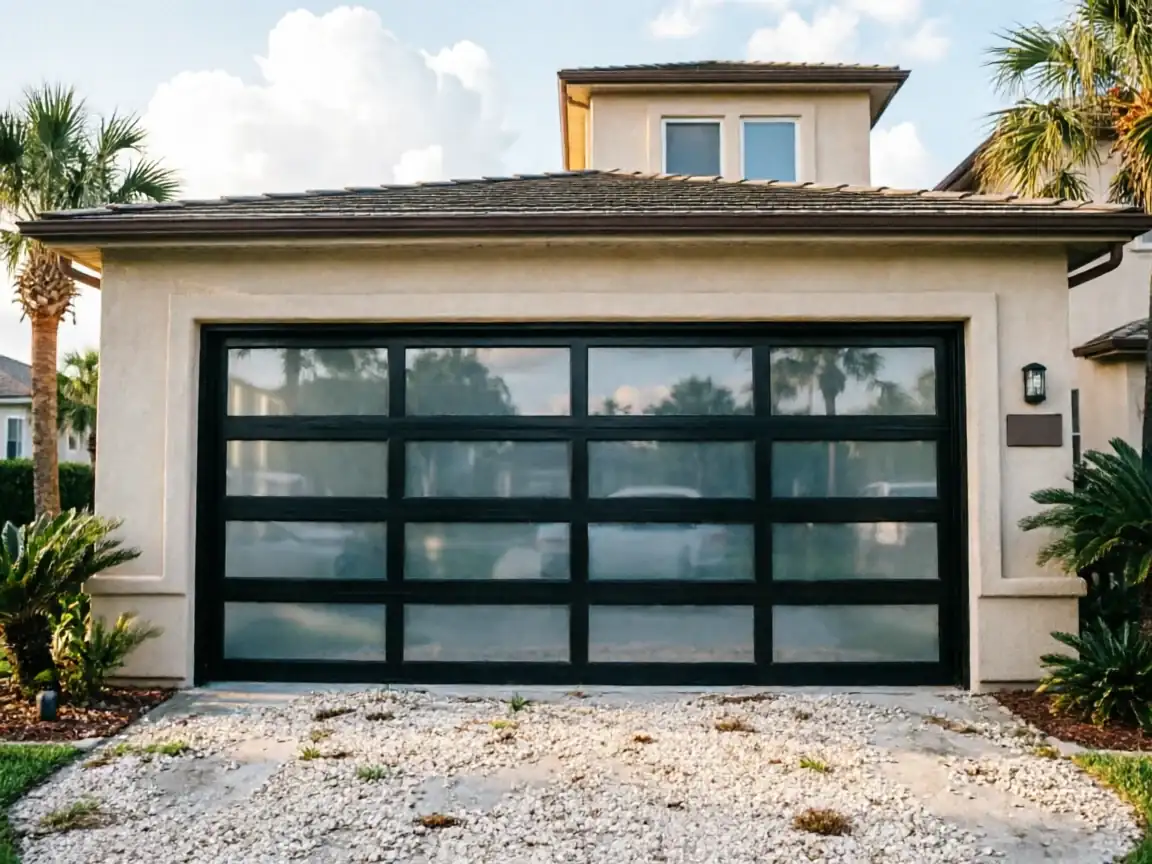
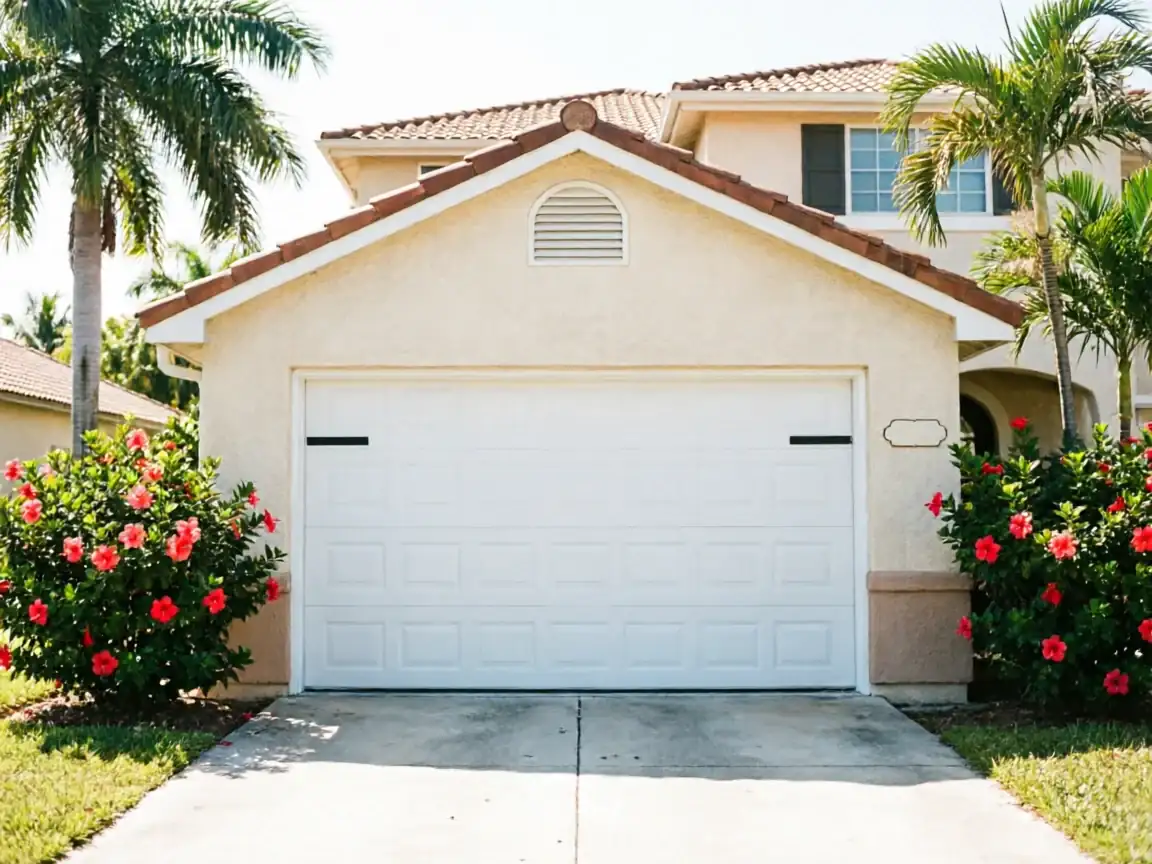
Most of the calls we take from Wellington are for doors and openers that went in when the house was built - and the median home here dates to about 1995. That means a lot of steel sectional doors on torsion springs that are now pushing thirty years of cycling, paired with openers that are on their second or third logic board if they've been maintained at all, or still running the original one if they haven't.
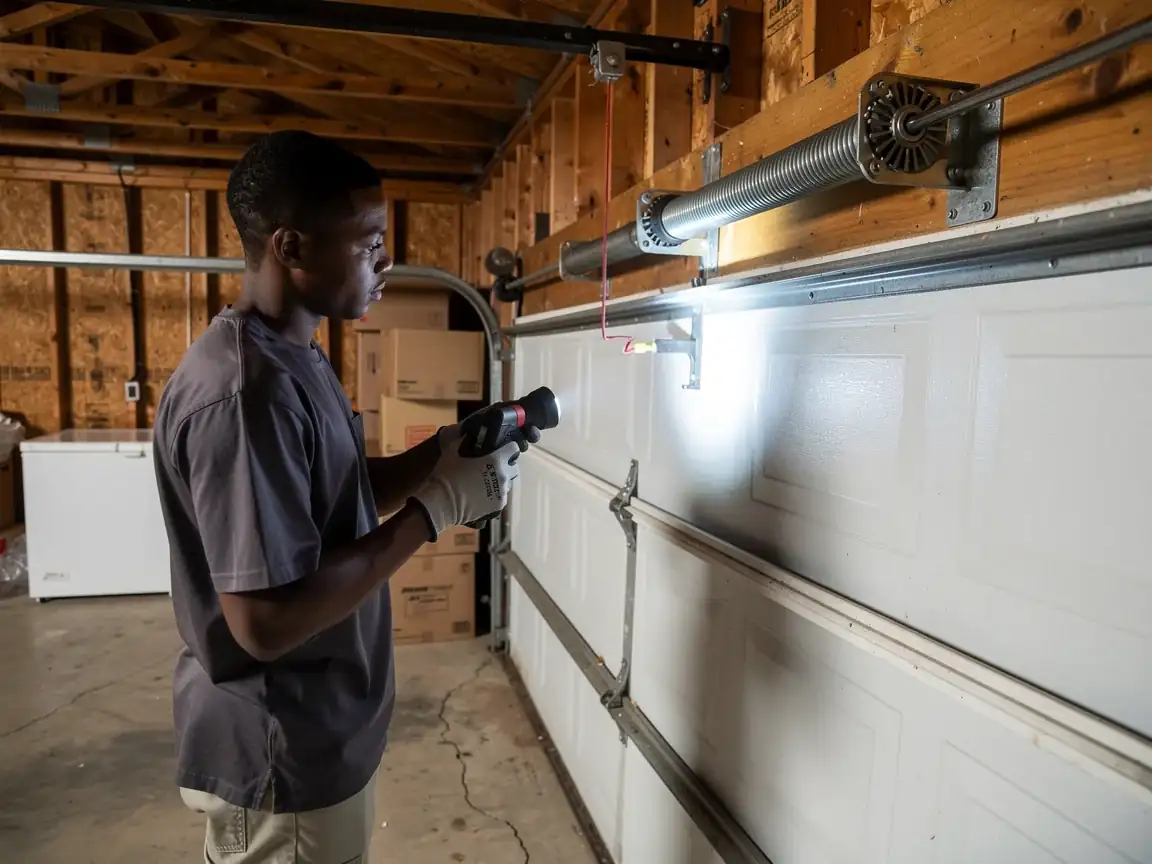
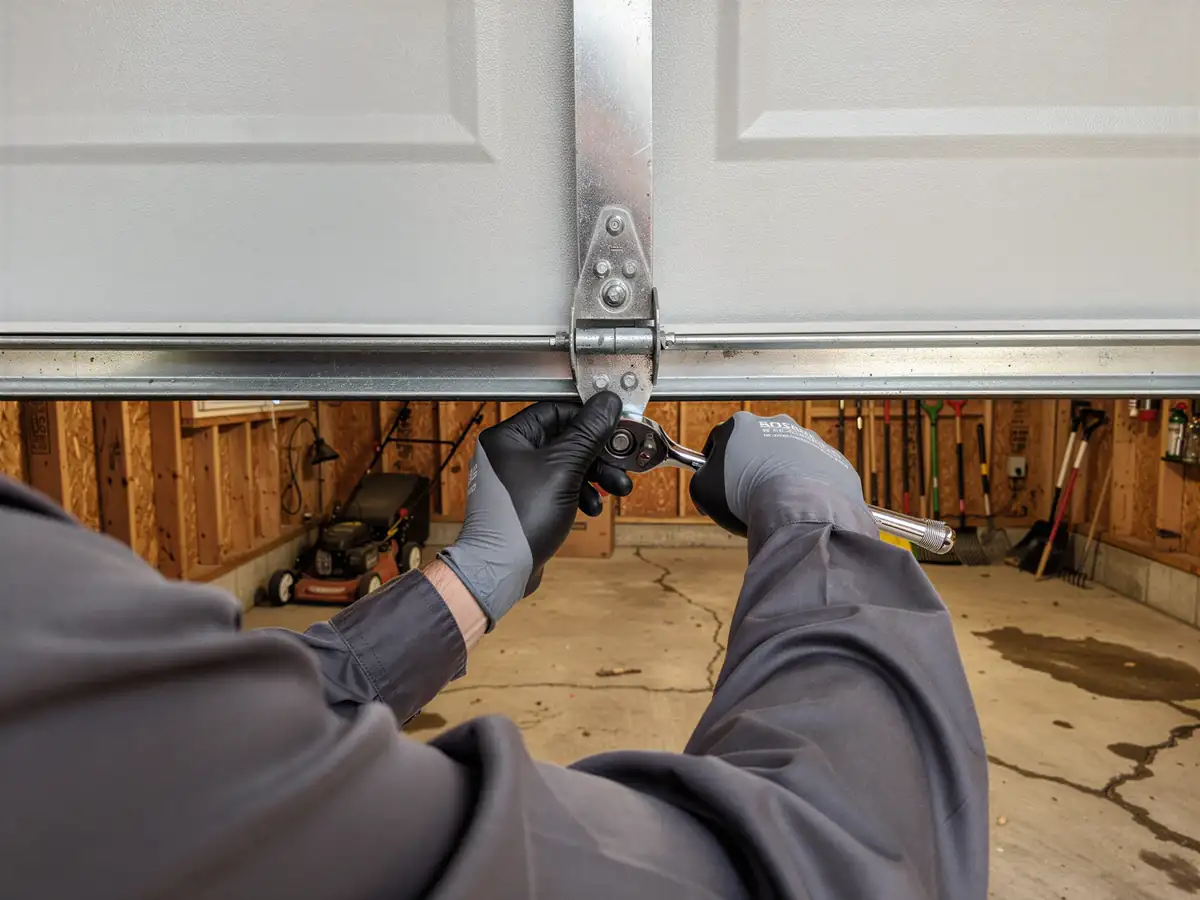
The fix usually isn't exotic. It's a torsion spring at the end of its rated cycle count, a worn drum or cable that's starting to fray, or an opener whose gears have stripped under a door that's gotten heavier to lift as the rollers wear. On the wider service area, housing runs from 1965 to 2005 with a lot of 1960s-70s stock mixed in, so when we're told the address is Wellington, we already expect newer gear than a lot of our other stops - later-generation springs, later-generation openers, fewer of the oddball original hardware setups you find on an older door.
We bring springs, cable, and common opener parts that fit this era of door. What we don't stock on the truck is every obsolete part from a house this age that's had three different openers installed over time - if your setup is a mismatch of generations, we may need a day to source the right piece.
Doing It Yourself
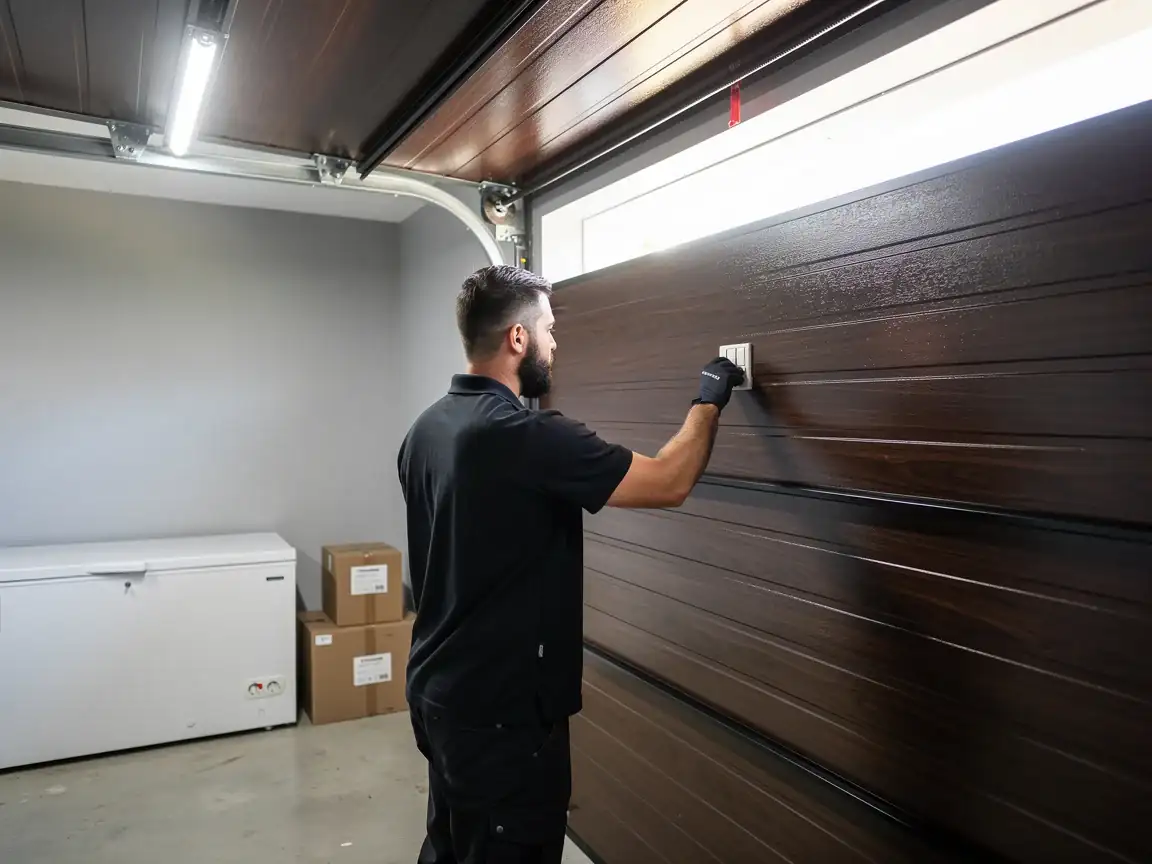
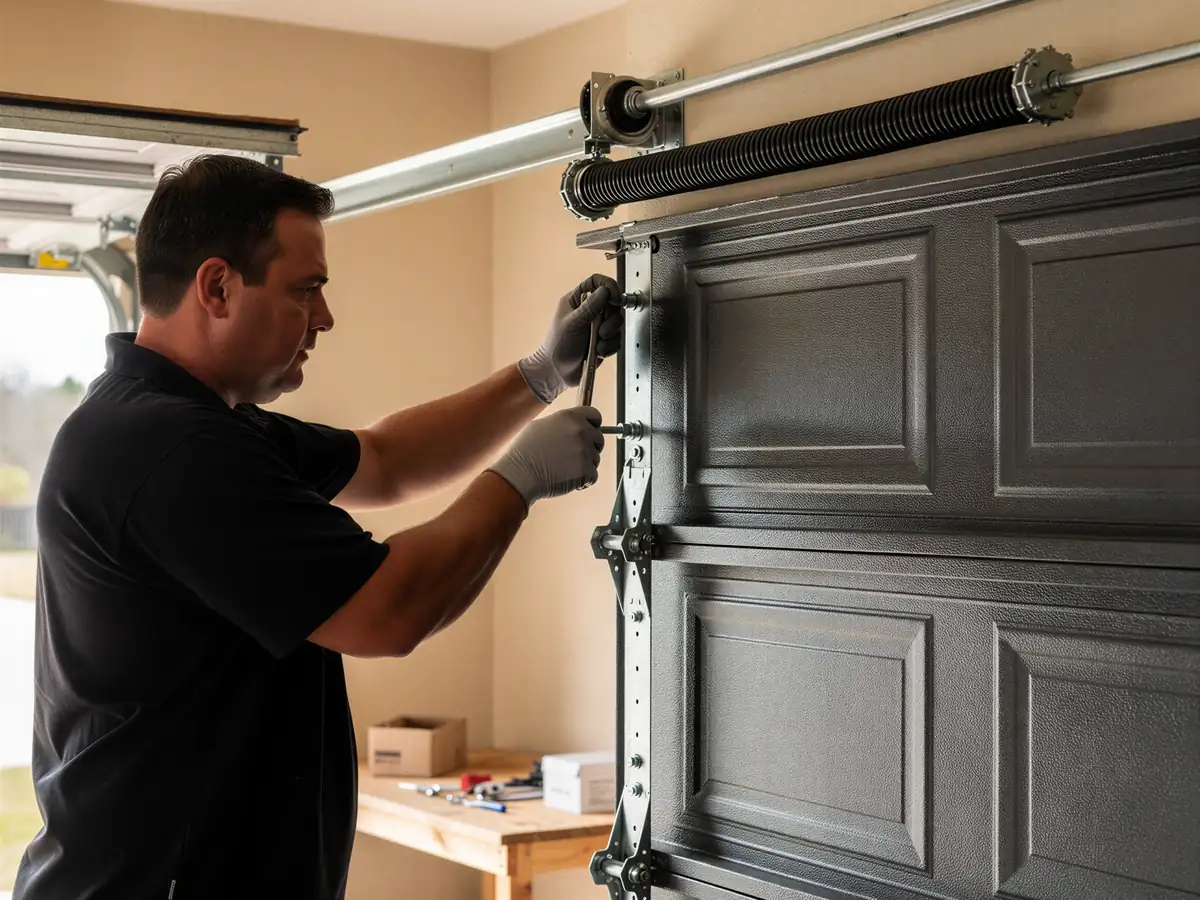
A torsion spring under load can take a finger or worse, and on a door this age the spring has had thirty years to fatigue - it's not where to start learning. What a homeowner can safely check first: the photo-eye sensors near the floor track, since a knocked-out-of-alignment sensor is the single most common reason a door that worked yesterday won't close today, and realigning it takes two minutes and no tools.
Lubricating hinges and rollers with a garage-door-specific lubricant (not WD-40, which washes grease out rather than adding it) is also fair game and worth doing once or twice a year given how mild the climate stays here - there's no deep freeze cracking seals or shrinking metal the way it would up north, so most wear here is slow and mechanical rather than weather-driven.
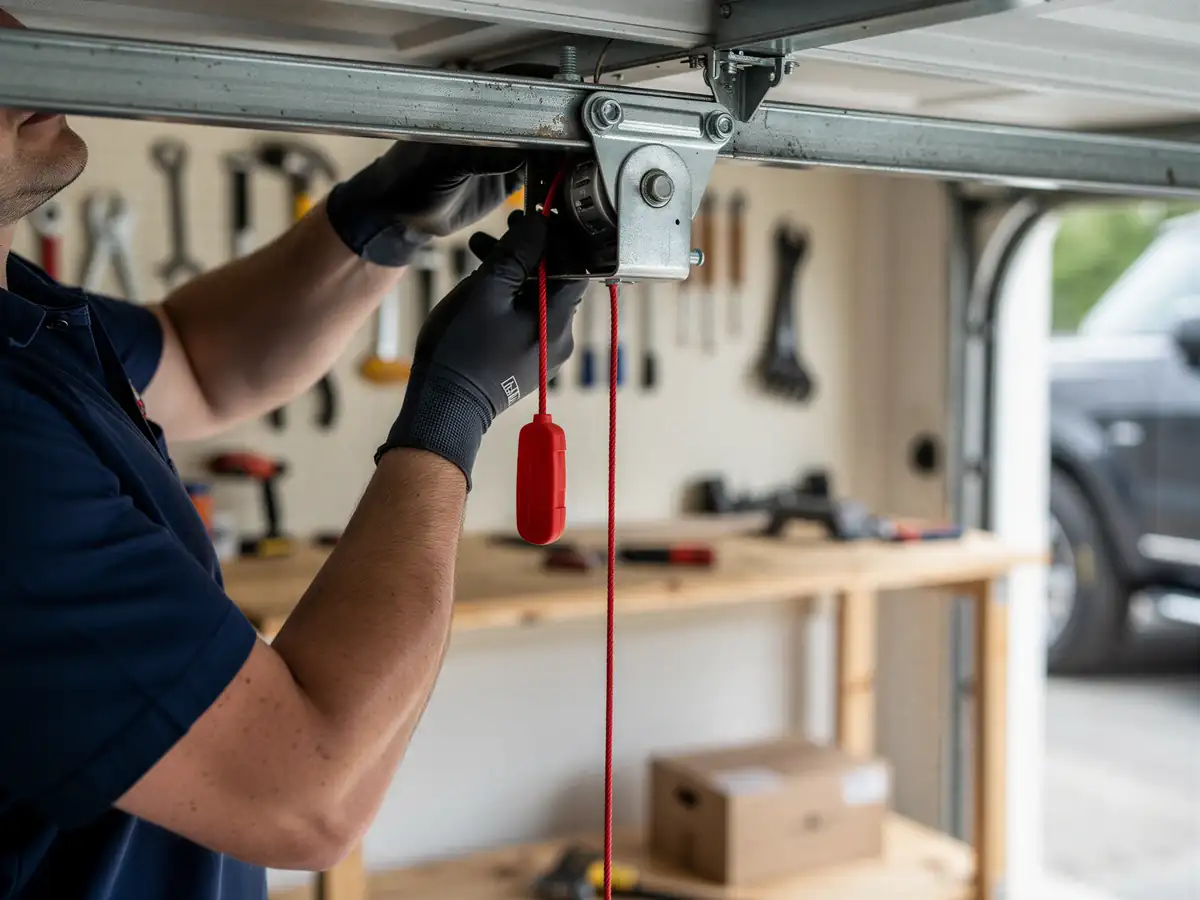
What we'd leave alone: the spring itself, the cables, and anything involving the opener's motor housing. If the door is noticeably heavier to lift by hand than it used to be, that's the spring losing tension - a sign to call, not a sign to adjust the bolt yourself. Replacing a spring wrong is how people end up in the emergency room, not how they save a service call.
The Symptom
The pattern we see most in Wellington
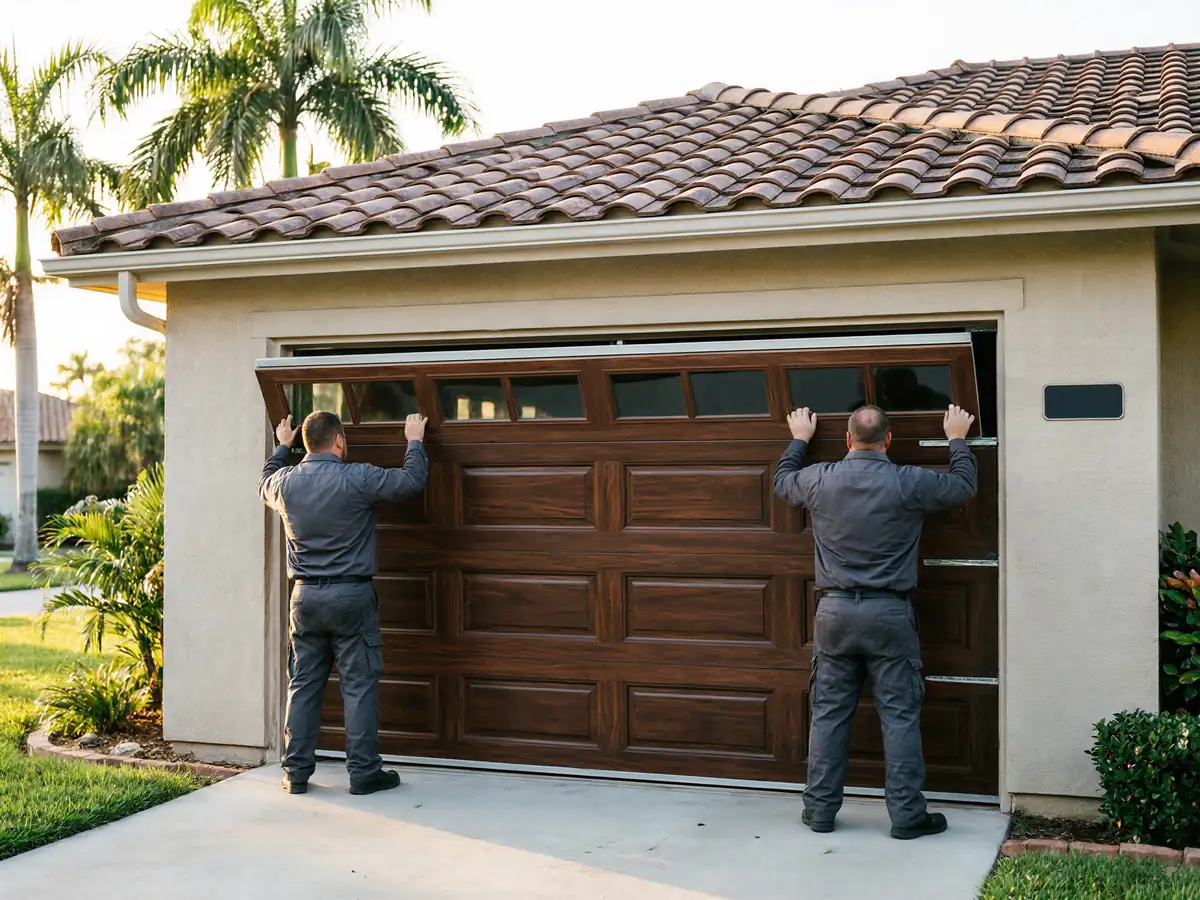
The door closes fine but reverses partway, or it closes a few inches and pops back open. That's almost always the photo-eye or the opener's force setting, not the door itself - and it shows up more here than in older neighborhoods because 1990s openers were among the first generation built with mandatory reversing safety sensors, and those sensors are now old enough to drift out of calibration or get knocked loose by a stray bike or trash can.
The second most common symptom is a door that groans or bangs on the way up
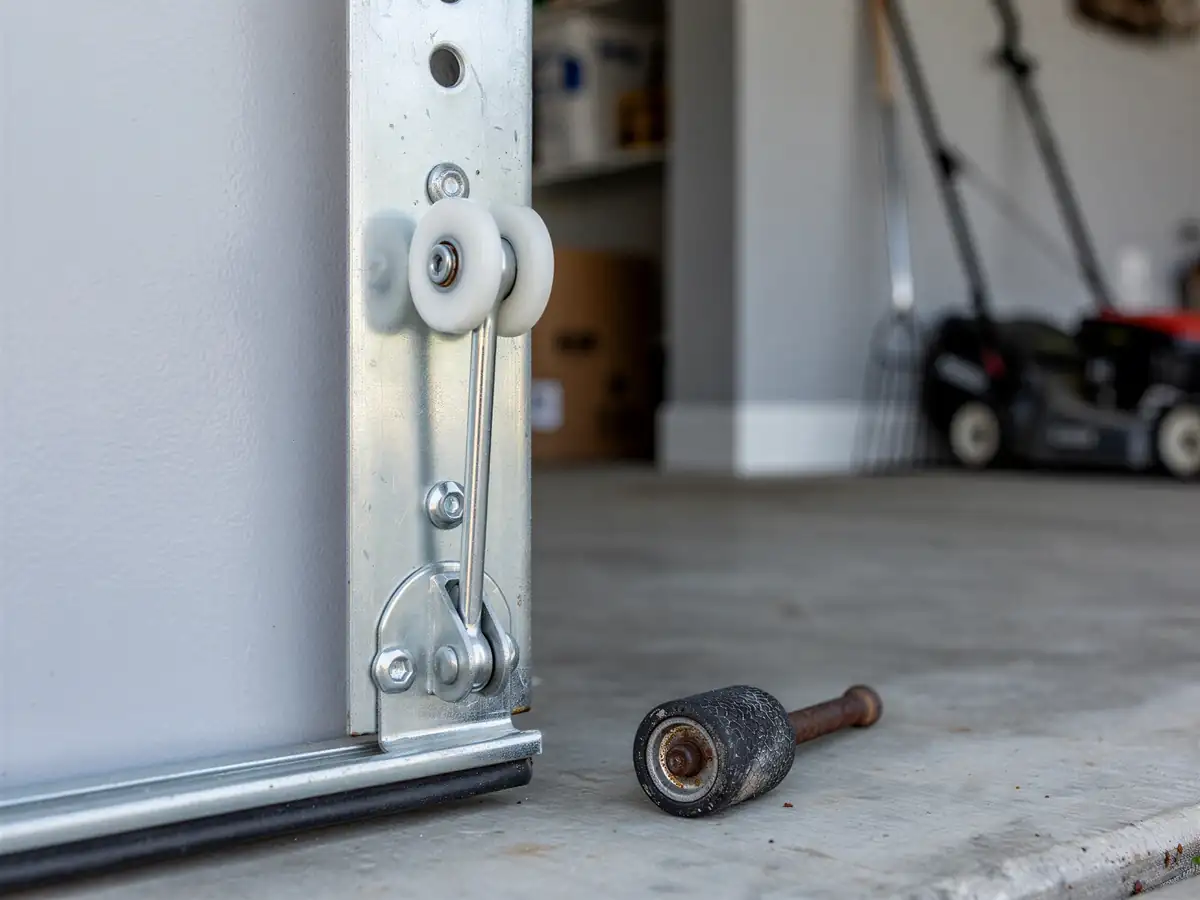
Which usually points to rollers original to a 1995-era build finally giving out - nylon rollers from this period typically last fifteen to twenty years of regular use, so a lot of Wellington's stock is now past that window.
Less often, we get a dead opener with no sound at all
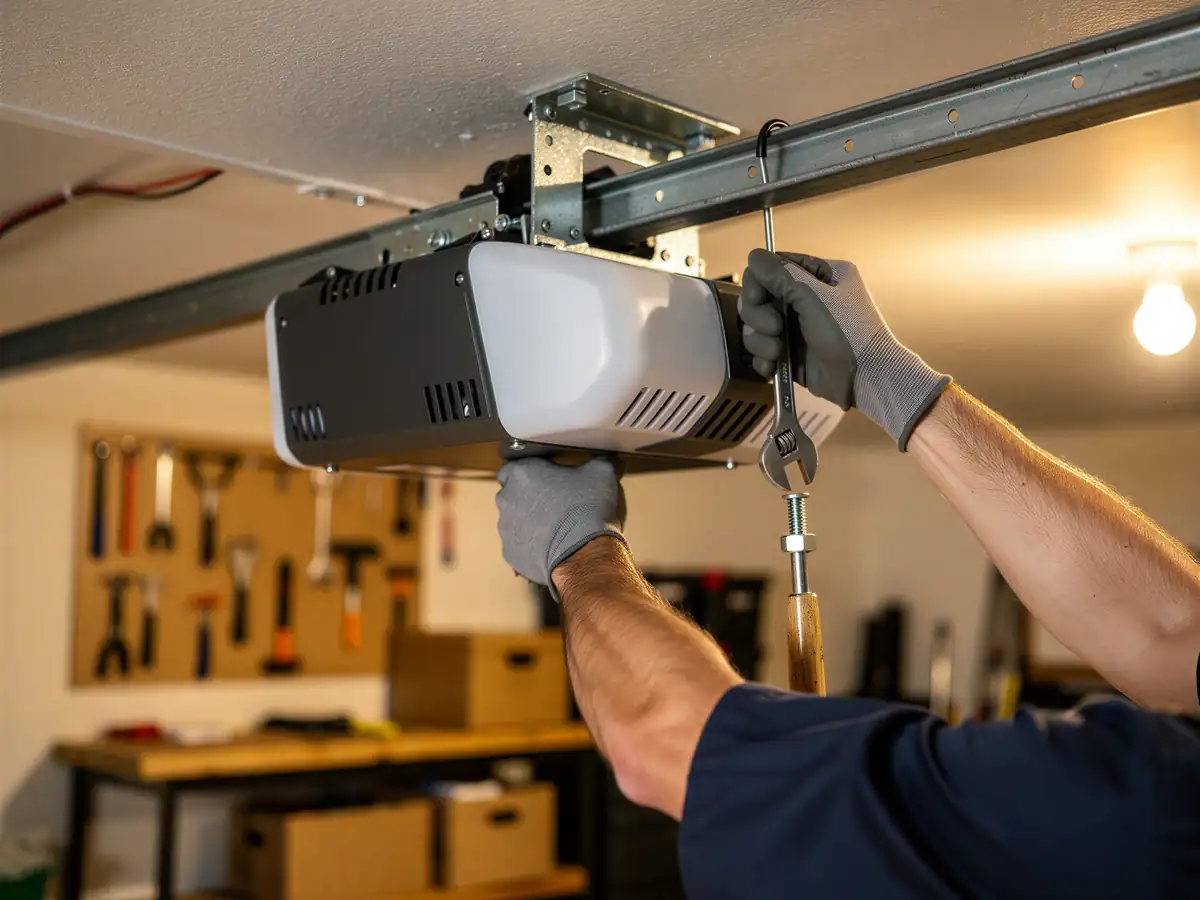
Which on a house this age is frequently a worn-out capacitor or a drive gear that's stripped from running an unbalanced door for too long. Catching the roller noise early is cheaper than waiting for the gear to go.
Why It Happens Here
Three things set Wellington apart from some of our other stops. First, the build era: a median year of 1995 puts most doors and openers in a specific generation of hardware, different from the 1960s-70s stock common elsewhere in the wider service area, and different again from anything built before the mid-60s. Parts, failure points, and expected lifespan all track that difference.
Second, the income profile. At a median household income of $110,294, noticeably above the $92,325 median across the broader service area, more Wellington homes we see have upgraded to insulated steel doors or added a second opener for a side door - which means more weight on the spring and more wiring on the opener circuit than a bare original door would carry.
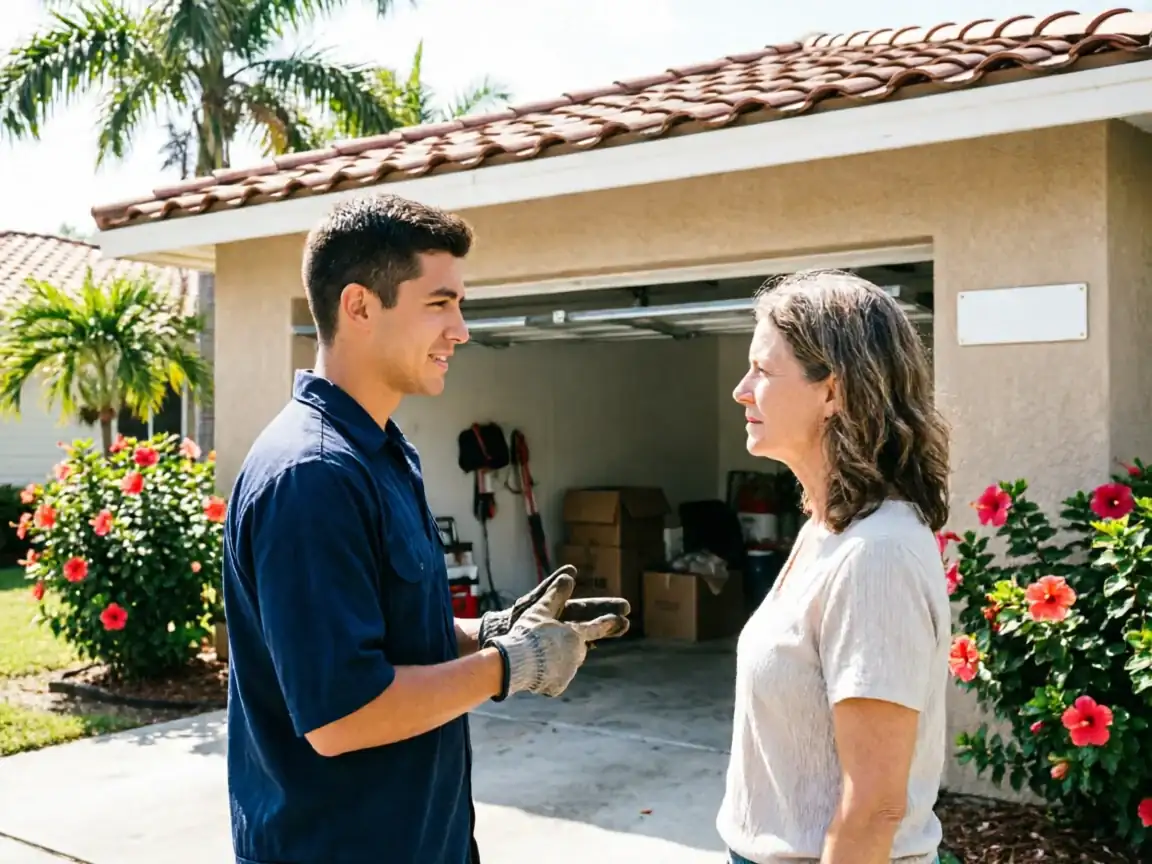
Third, climate does less damage here than people expect. The mild temperate band means no freeze-thaw cycle stressing seals or metal, so most of what we find is straightforward mechanical fatigue from age and use, not weather-driven failure. We're in Boynton Beach, about 14 miles out, so we plan the trip rather than treat it as a same-neighborhood stop.