The Problem
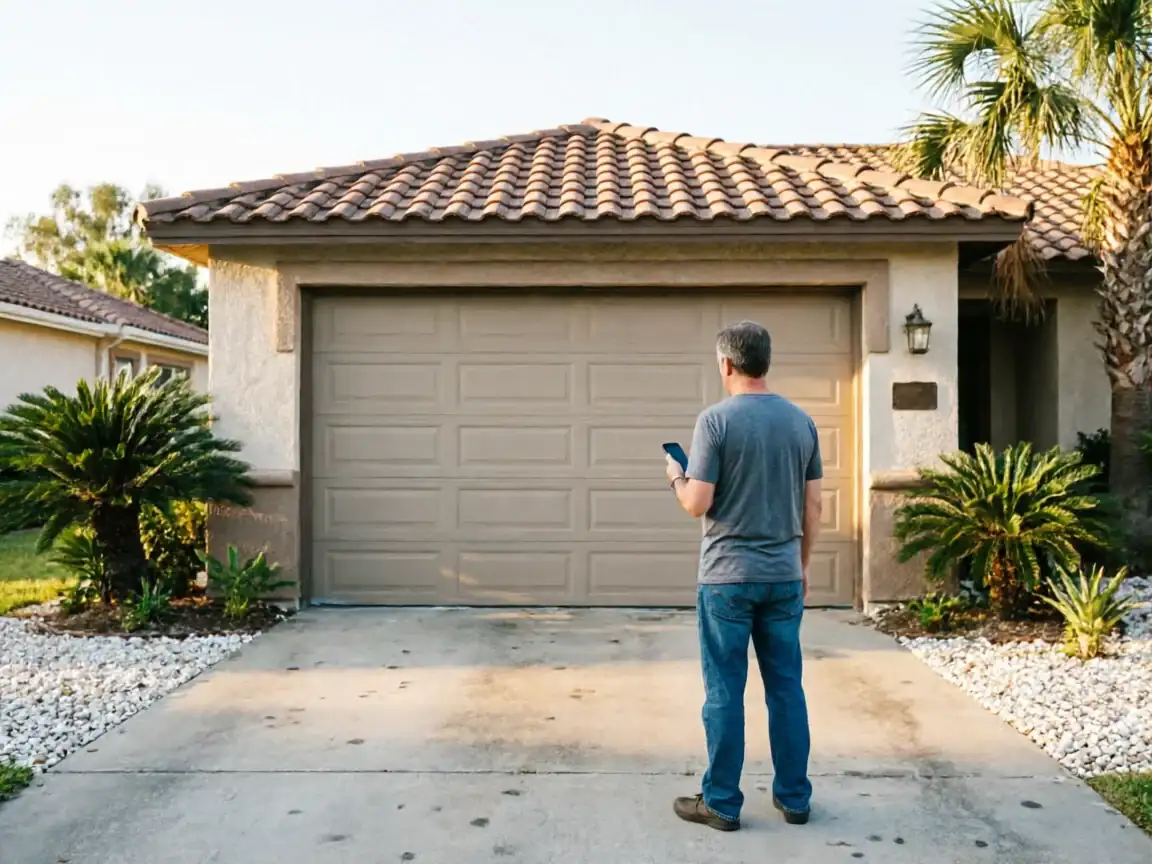
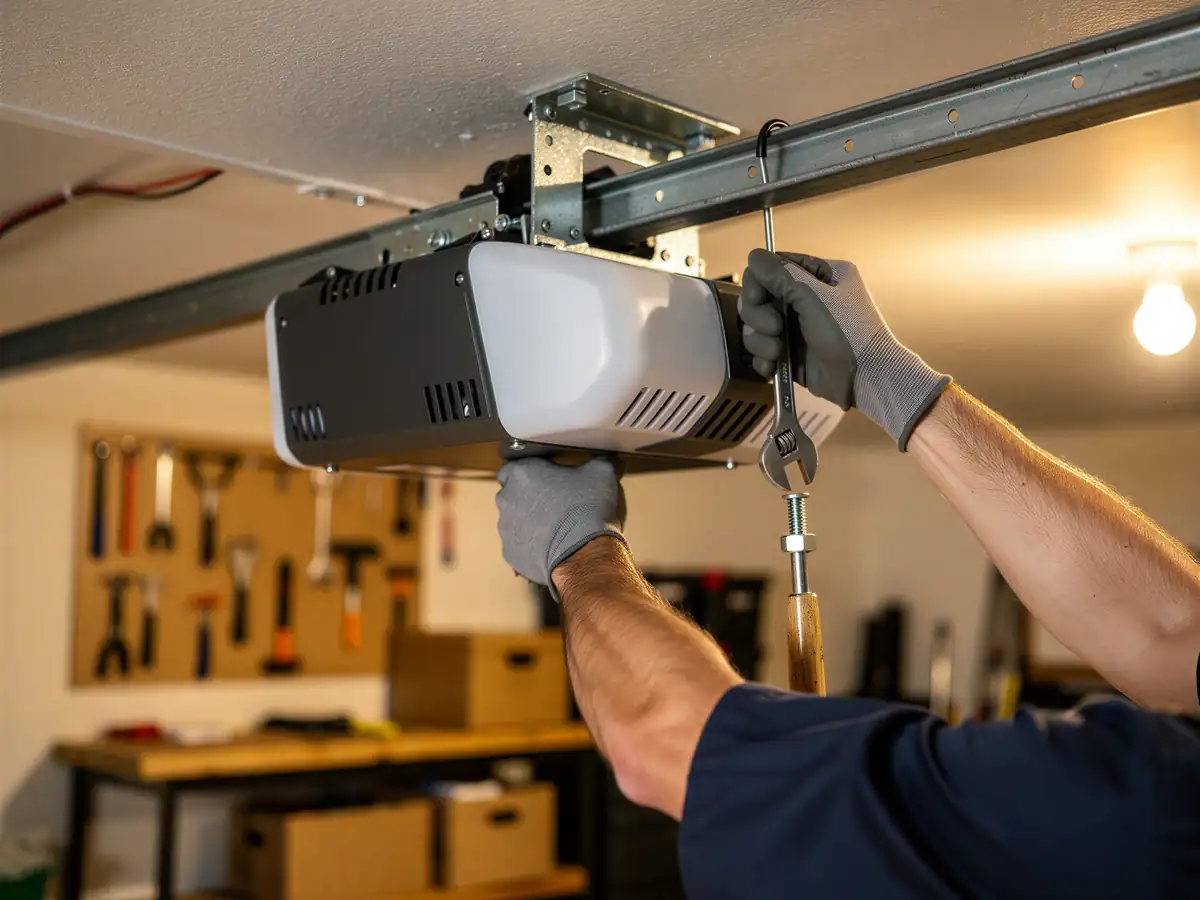
Boynton Beach housing runs 1965 to 2005, with a median build year of 1977 and most of the stock across the area's 20 named neighborhoods dating from the 1960s and 70s. That spread matters because garage door openers have gone through several hardware generations since then, and a lot of these houses are still running whatever got installed at the last replacement, not the first one. Chain-drive units from the 80s and 90s are common, and plenty of them were never swapped for a model with a battery backup.
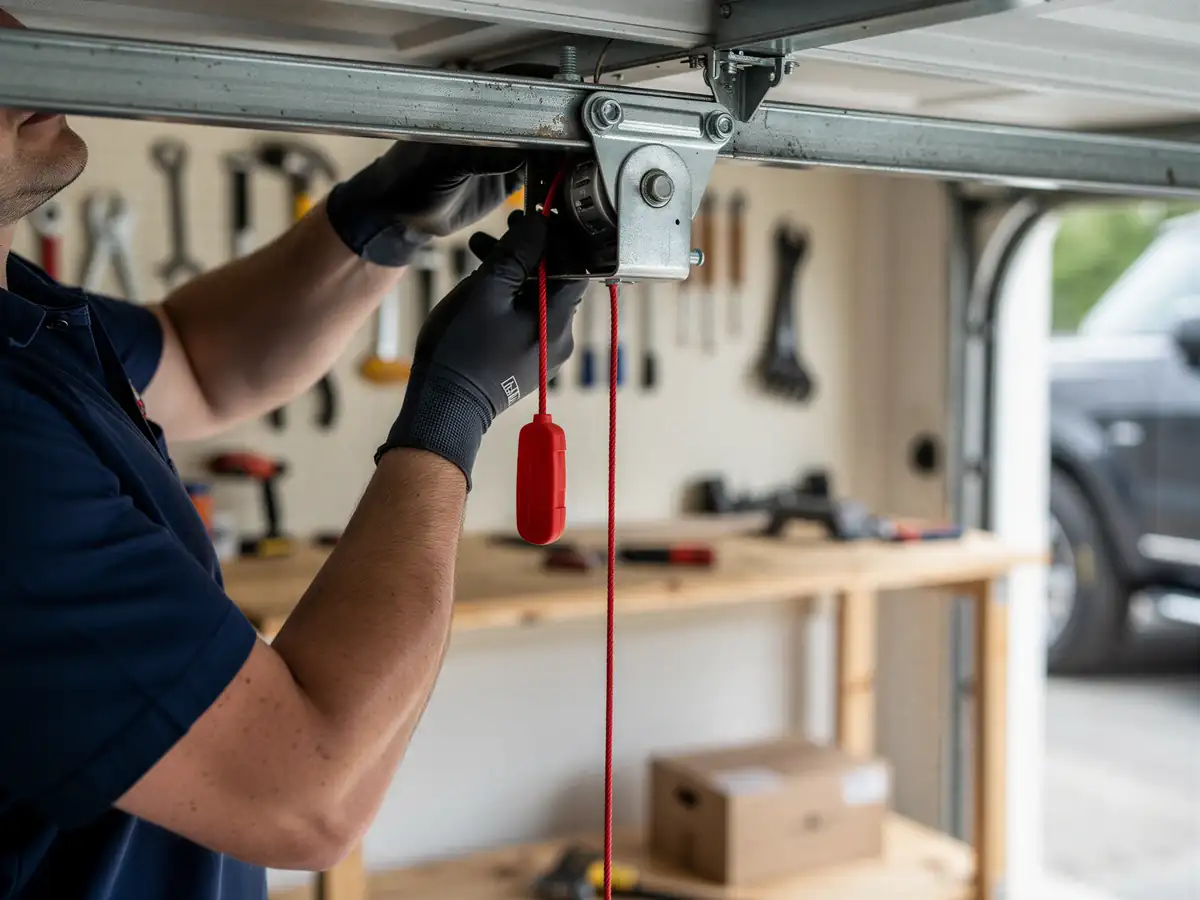
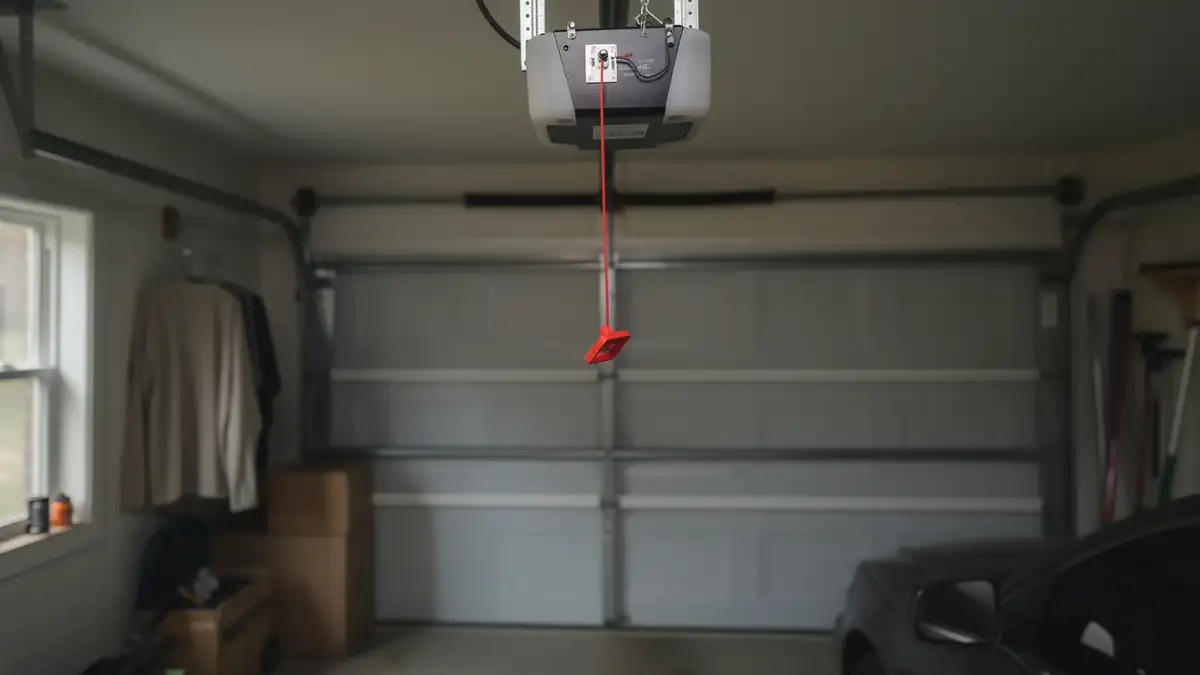
That's the part that bites during a power cut. No backup battery means the opener is dead weight the second the grid drops, and the only way in or out is the manual release cord and your own back. Newer units handle outages fine. Older ones just sit there. We see this split constantly on service calls - the opener itself might be mechanically sound, but it's wired for a world where outages were rare enough not to plan for.
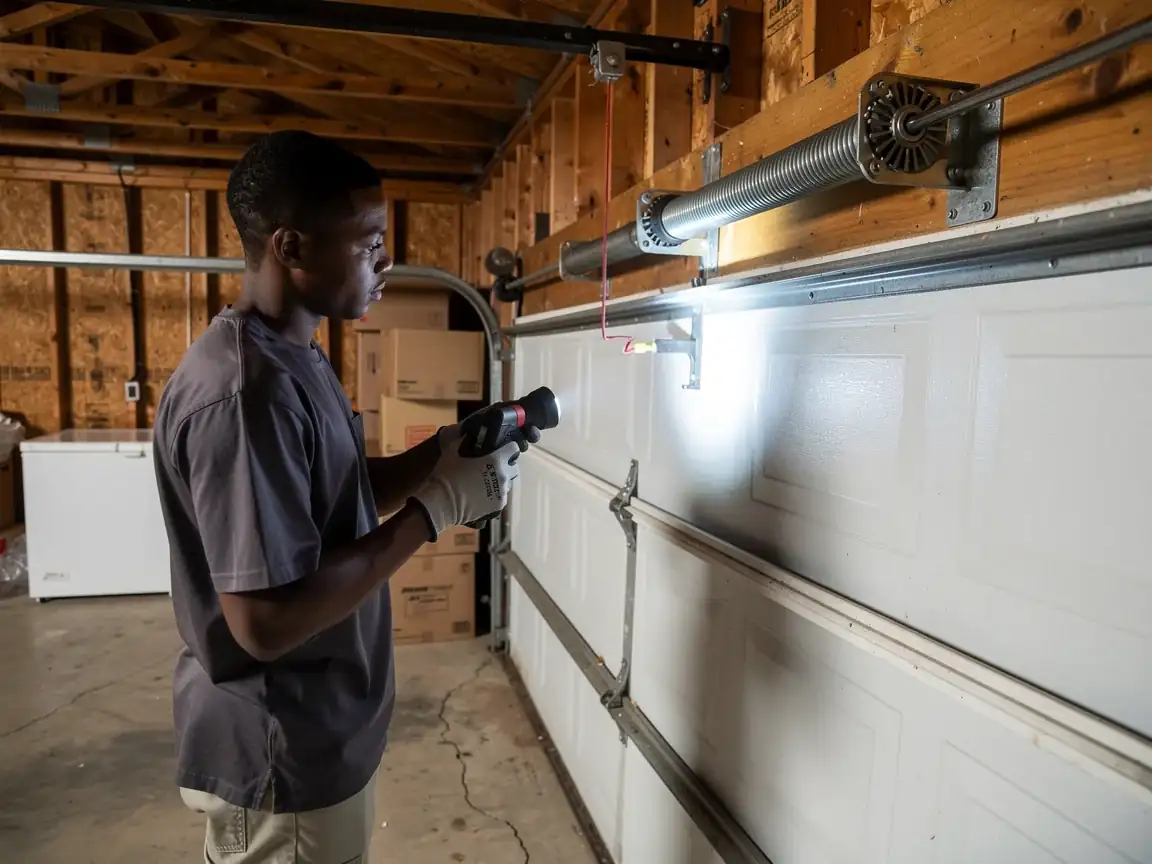
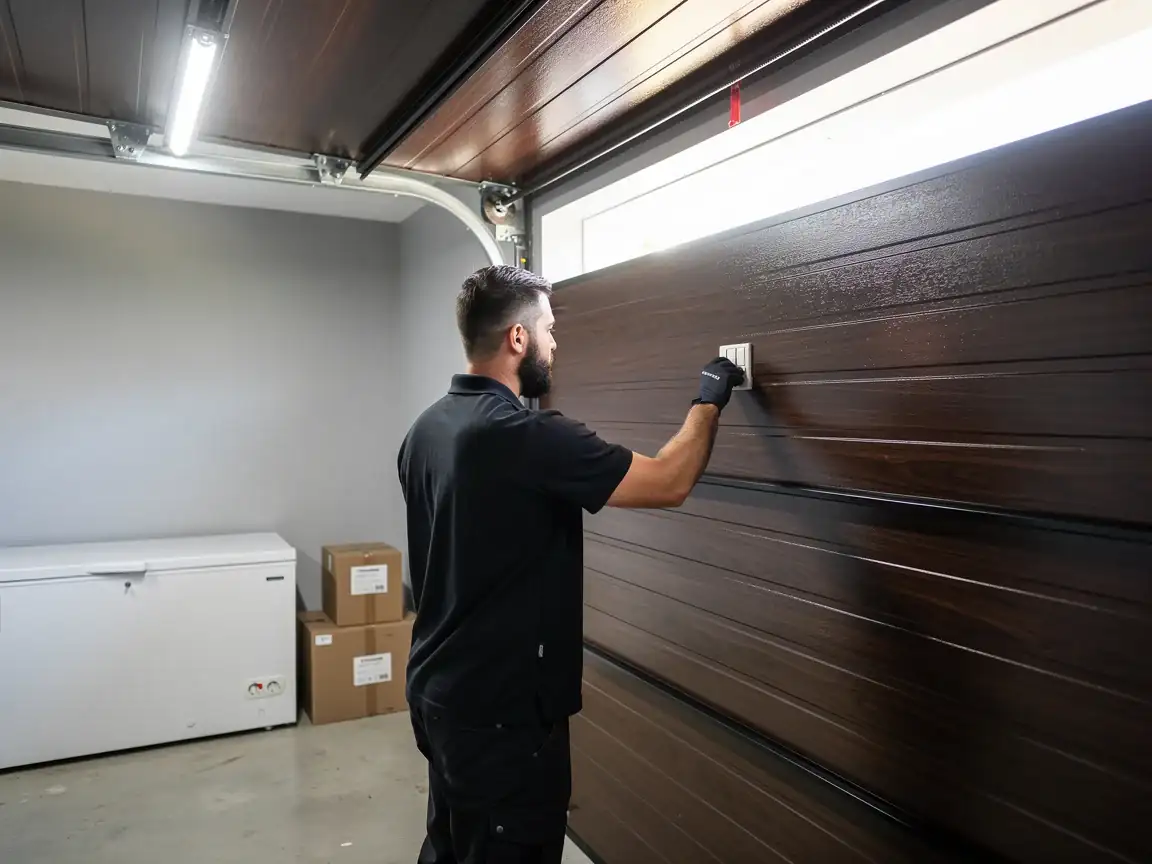
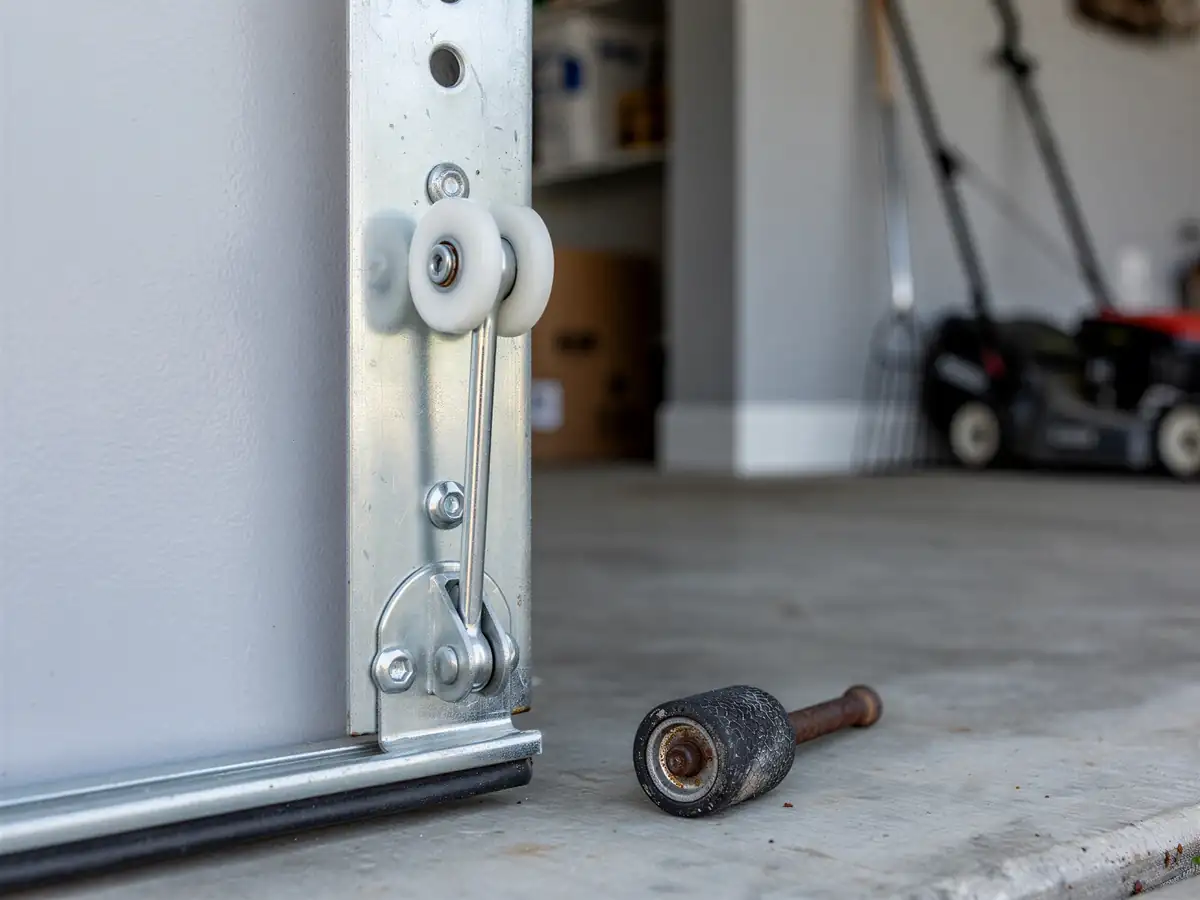
Sensor alignment is the other recurring issue on older installs. Units from this era weren't built with the auto-reverse safety sensors standard today, and retrofits don't always get mounted at the same height or angle as factory spec, so the door reverses when it shouldn't or won't close at all.
What It Costs
We're not going to put a number here that isn't accurate for your specific opener and door combination, because the cost swings a lot based on whether you need a new logic board, a full opener swap, or just a battery backup unit added to what you've already got. What we can tell you is what drives the number: the age and drive type of the existing opener, whether the wall wiring is original or already been touched, and whether the sensors need realignment or full replacement.
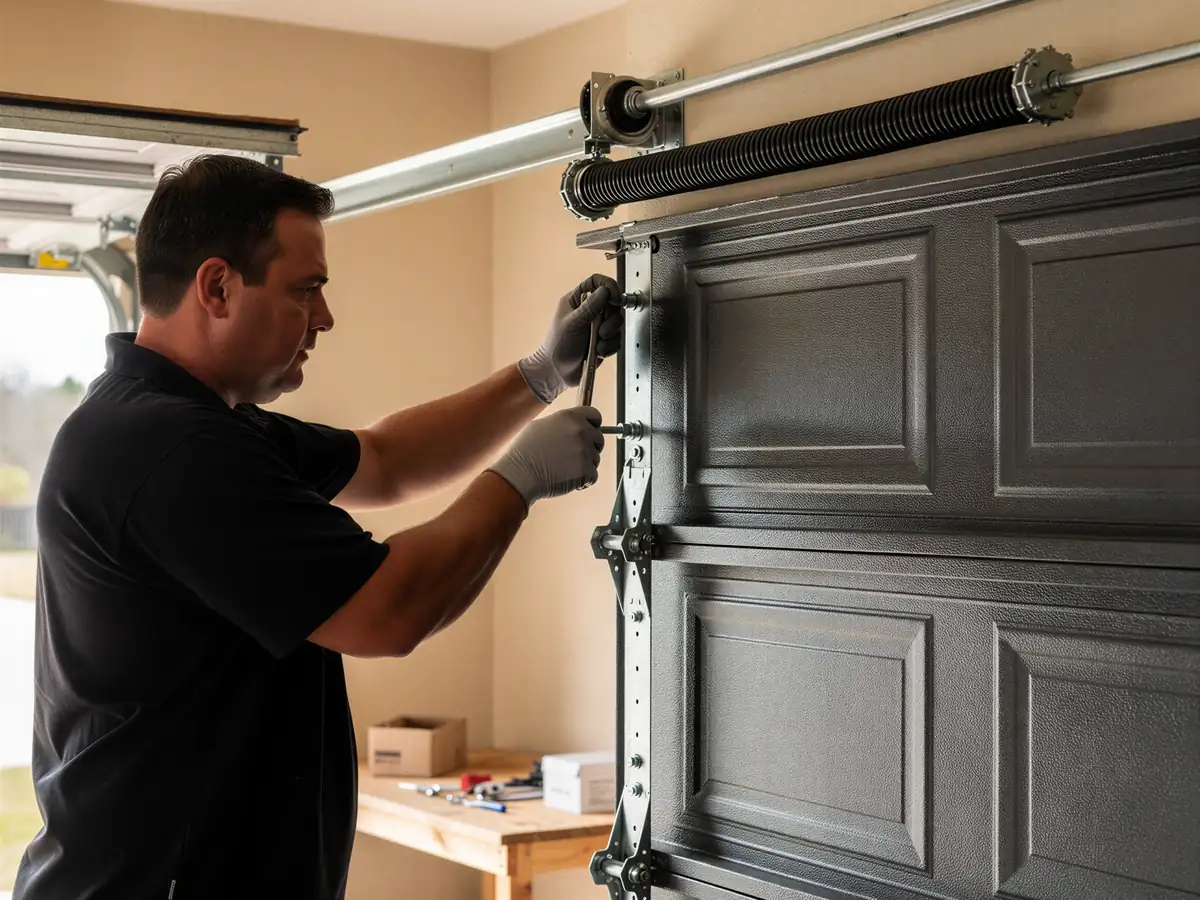
Homes built before the mid-80s often need more than a part swap, because the opener bracket and header clearance were set up for hardware that doesn't match current mounting standards. That's a labor cost, not a parts cost, and it's the kind of thing that's hard to quote without seeing the ceiling.
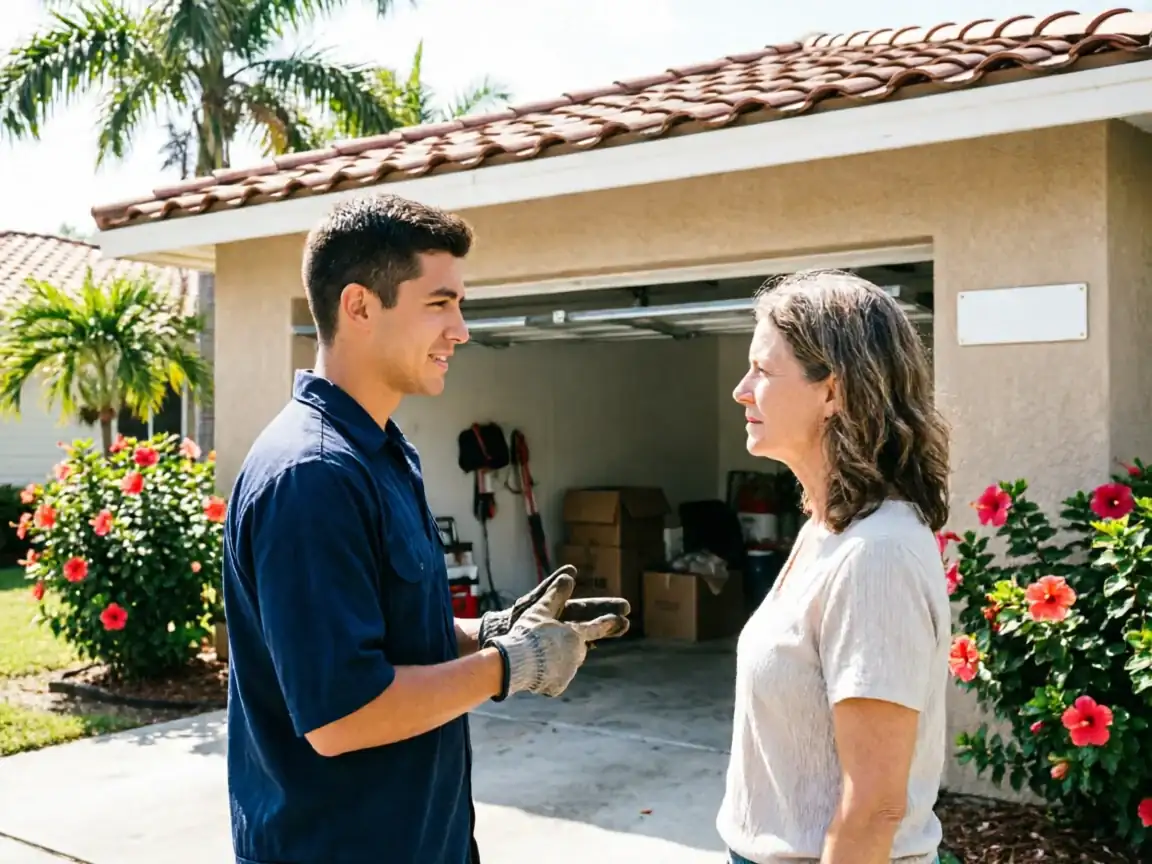
If you want a real number, the fastest way is a look at the unit in place. You can reach us through the site at /.
Doing Nothing For Now
If your opener still opens the door most days, it's tempting to leave it alone
For a lot of houses built in the 1965-2005 window, that's a reasonable call - these aren't units that fail without warning most of the time, they degrade. You'll hear it in the motor before you lose it entirely.
The real risk isn't the opener failing on a sunny Tuesday
It's failing during a power cut, when you need the door to move and the backup battery that would have handled it was never installed. With 57,714 owner-occupied houses in the service area and most of them sitting in that same original-to-early-replacement opener window, this isn't a rare setup - it's the default for a big share of the neighborhood.
- 57,714 owner-occupied
Doing nothing costs you nothing until the day it doesn't
If the unit is chain-drive, pre-dates auto-reverse sensors, or has no battery backup, that's the information that should decide the timeline, not how it sounds running today.
What Local Conditions Do
Boynton Beach sits in a mild temperate band, which is kinder to opener hardware than a lot of climates - no deep freeze cycling the gearbox, no frost heave under the slab. But mild and humid isn't the same as mild and dry, and the steady moisture here works slowly on circuit boards, relay contacts, and sensor lenses over years rather than destroying them in one event.
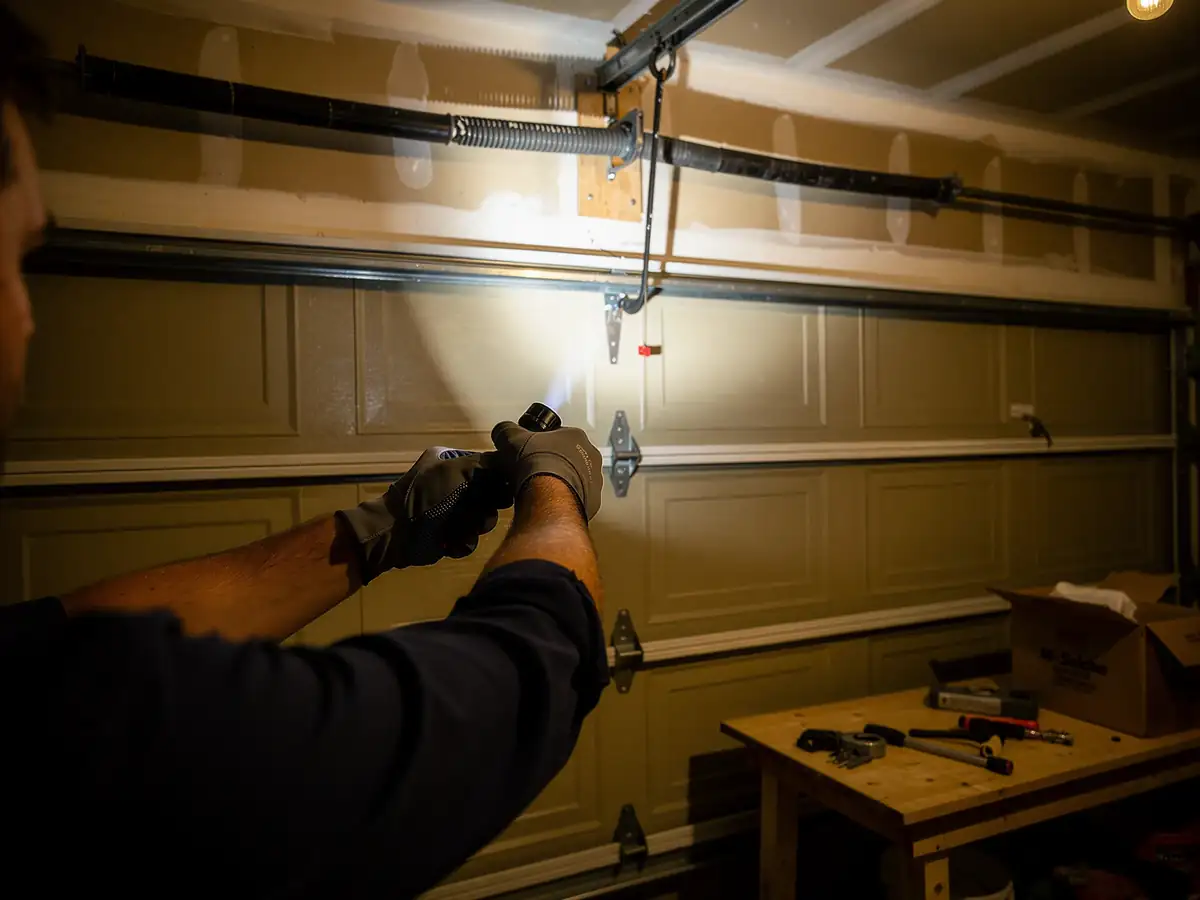
That slow corrosion is part of why openers from the 1960s-70s stock that still make up most of the area's housing tend to show electrical gremlins before mechanical ones - a logic board that intermittently drops the signal, a sensor eye that fogs and clears. It's not dramatic, which is exactly why it gets ignored until the day the opener won't respond at all, often timed with a power cut rather than a clean failure.
We're not going to tell you there's a hurricane angle or a flood angle here, because that's not in what we track for this page, and we'd rather leave it out than guess. What we can tell you is that the age of the housing stock and the steady moisture are the two things actually shaping opener life in this area, not extreme weather events.