The Symptom
We run this job from Boynton Beach, six miles up the road, and the six miles matters less than what's waiting in the garage when we get there. Lake Worth Beach's housing stock centers on 1968, which puts it on the older edge even for a service area where the broader median build year is 1977. That gap shows up as a specific pattern: chain-driven openers from the 1970s and 80s, half-horsepower motors straining on doors they were never sized for, and safety reversal systems that predate the photo-eye sensors required on anything installed today. A lot of these units still run. They just don't stop when they should, and the owner has no idea until something or someone is standing in the wrong spot at the wrong time. The symptom we hear most isn't "it broke" - it's "it's loud and it's slow and I don't trust it anymore." That's usually the right instinct. An opener built before current safety-reversal standards existed isn't a convenience upgrade when you replace it. It's catching up to code that didn't exist when the house was built.
Time on the Job
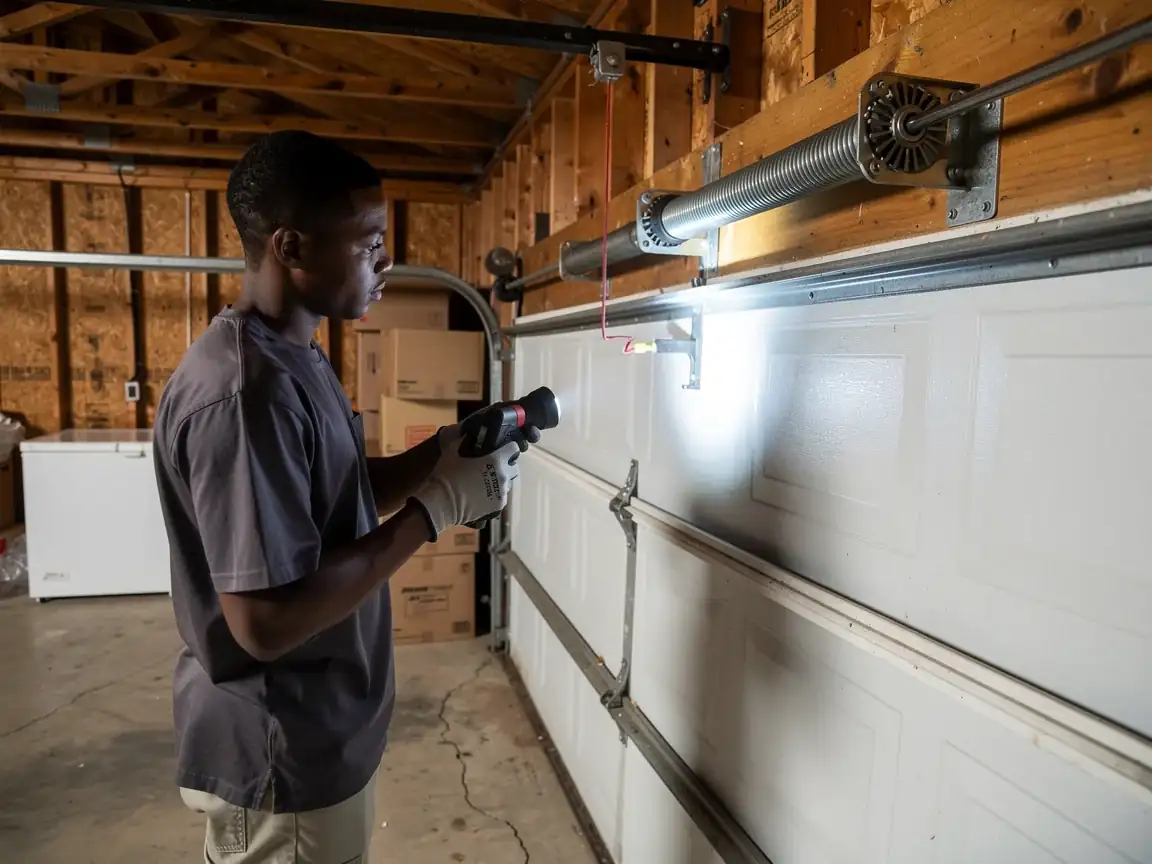
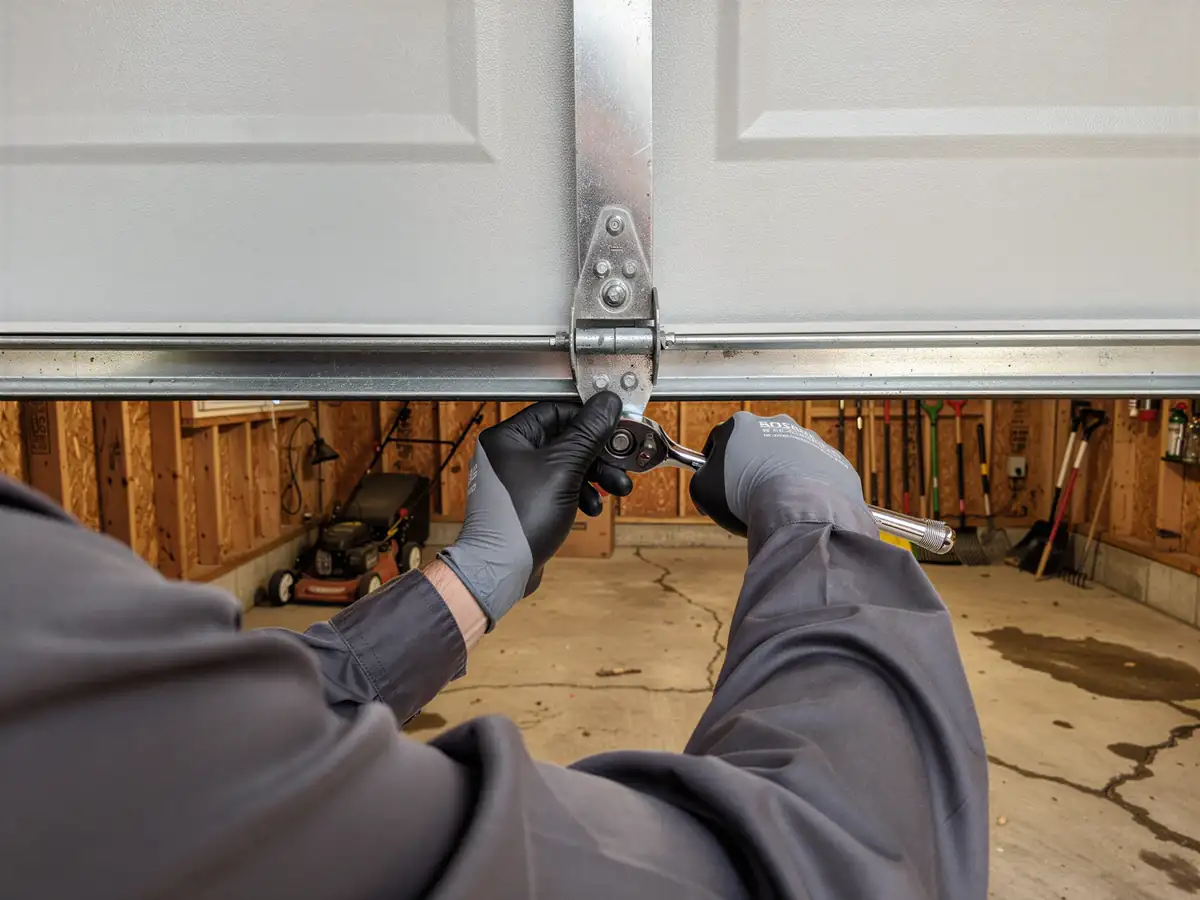
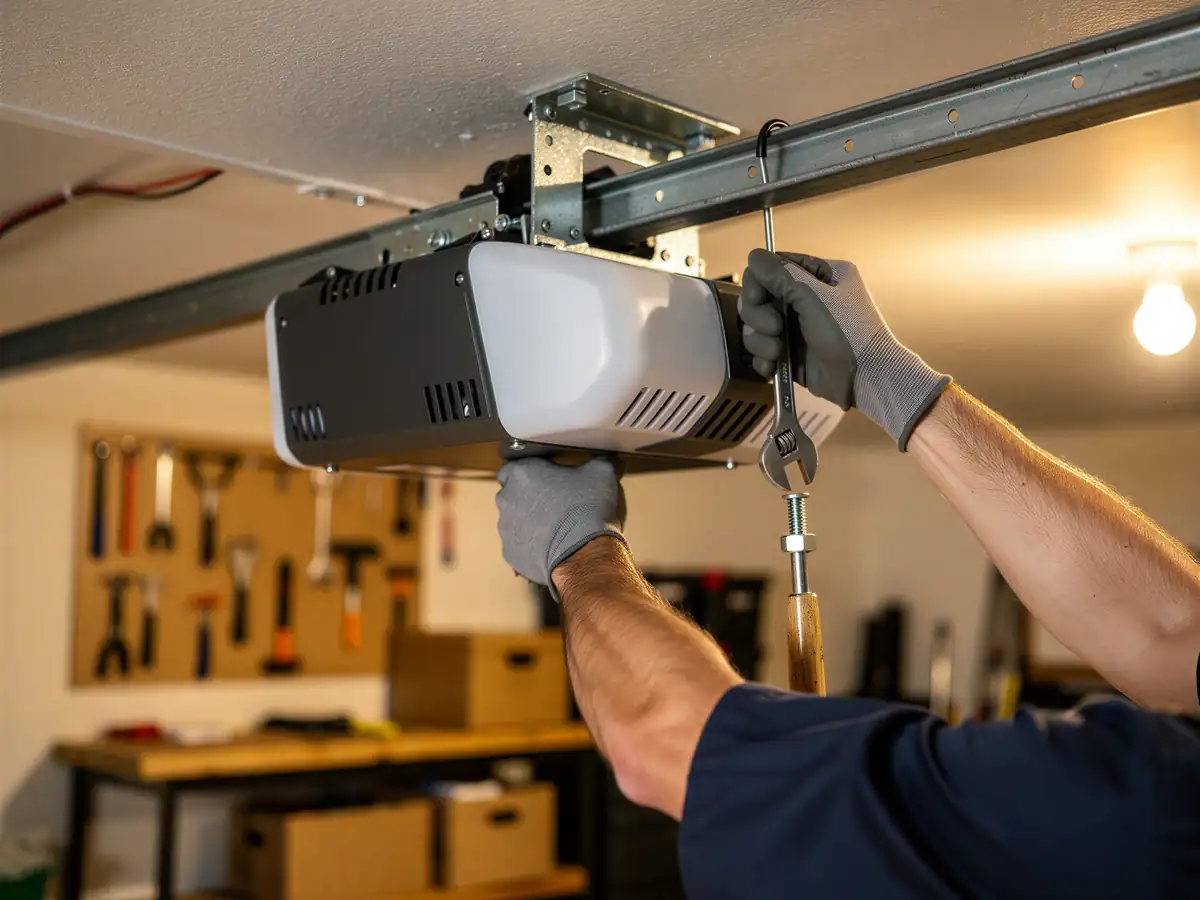
The drive from Boynton Beach adds time before the job even starts, so when we schedule an opener install here we build the six miles into the window instead of pretending it isn't there. Once the truck's in the driveway, a straight swap on an existing door - same track, same header clearance, new motor unit - runs close to what it would anywhere else in the service area. What stretches the clock in Lake Worth Beach specifically is the 1968-era bracket and rail hardware we often find bolted to the ceiling joists: non-standard spacing, header clearance that doesn't match a modern bracket kit, or a jackshaft setup from a prior low-headroom fix. None of that is unusual for a house this age, but it means the tech is often adapting hardware on site rather than bolting a new unit straight onto what's there. We'd rather tell you that up front than have the job run long with no explanation.
Stocked Parts
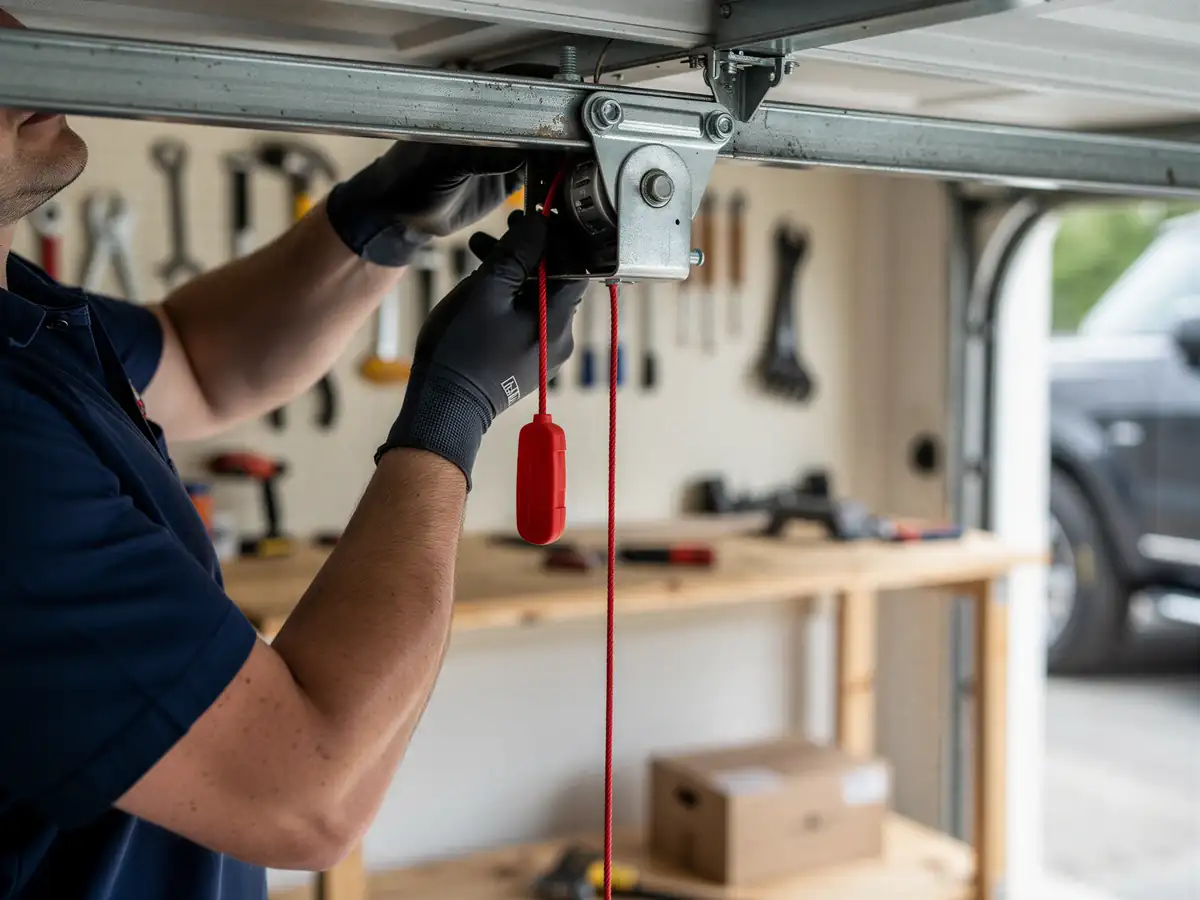
Because we travel in from Boynton Beach rather than running a branch inside Lake Worth Beach itself, what's on the truck matters more than it would for a company working out of a local storefront. Given the 1968 median build year here, we stock the bracket adapters, longer rail sections, and wiring harnesses that bridge an older chain-drive mount to a current belt or screw-drive unit, plus the photo-eye sensor kits that a lot of these original installs never had. One honest limit: if a house needs a genuinely obsolete part - a specific control board for a motor model that's been out of production for years - that's a special order, not something sitting in the van, and we'll tell you the lead time instead of guessing at it.