The Symptom
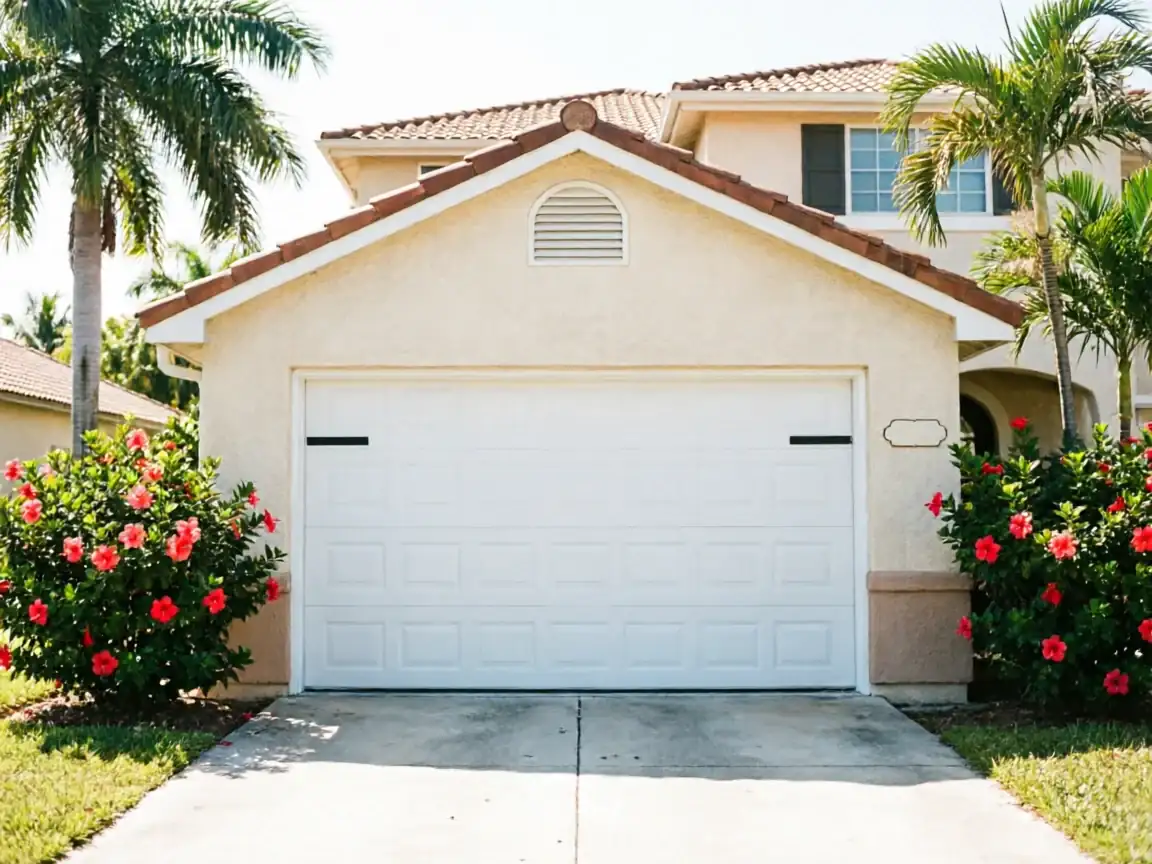
Lake Worth Beach is a smaller town inside our coverage area - about 15,229 households, compared to the roughly 149,301 across the whole territory we work. That smaller base means fewer calls, but the calls that come in tend to look alike, because the housing stock here bunches tightly around one era instead of spreading across decades.
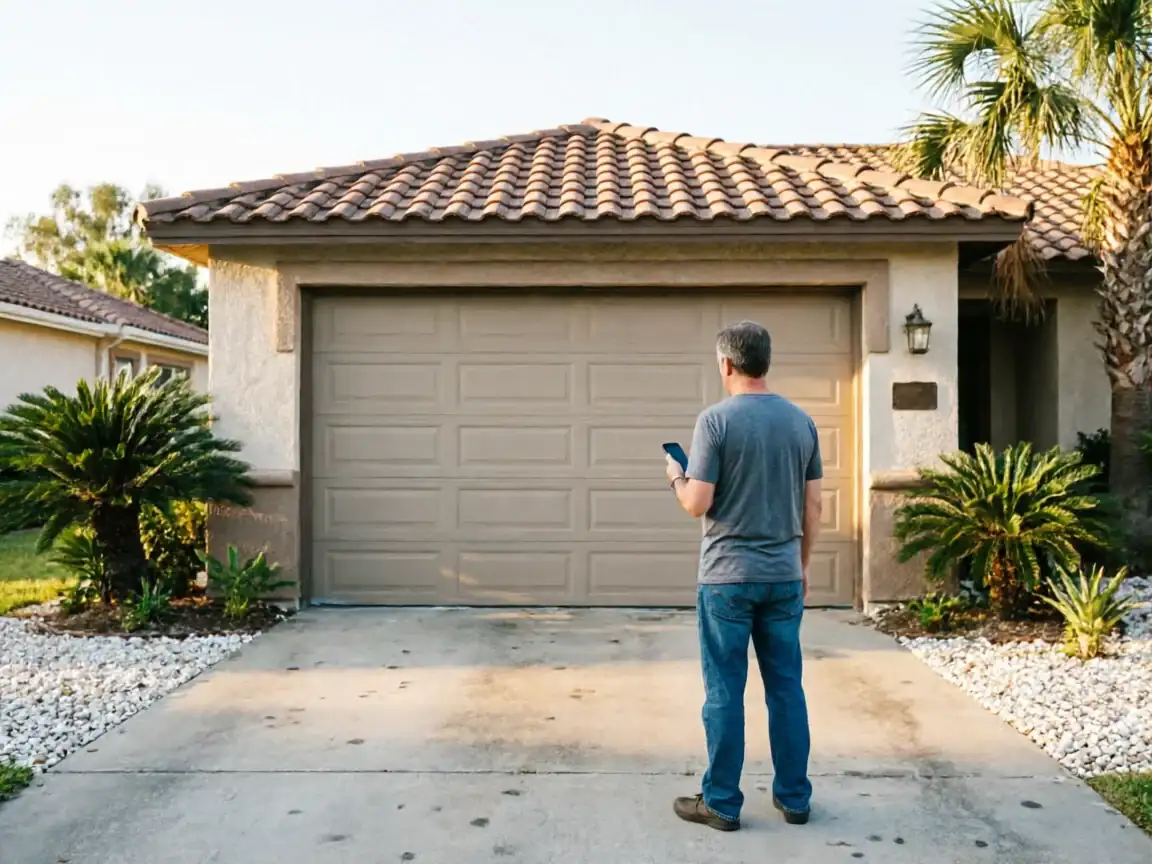
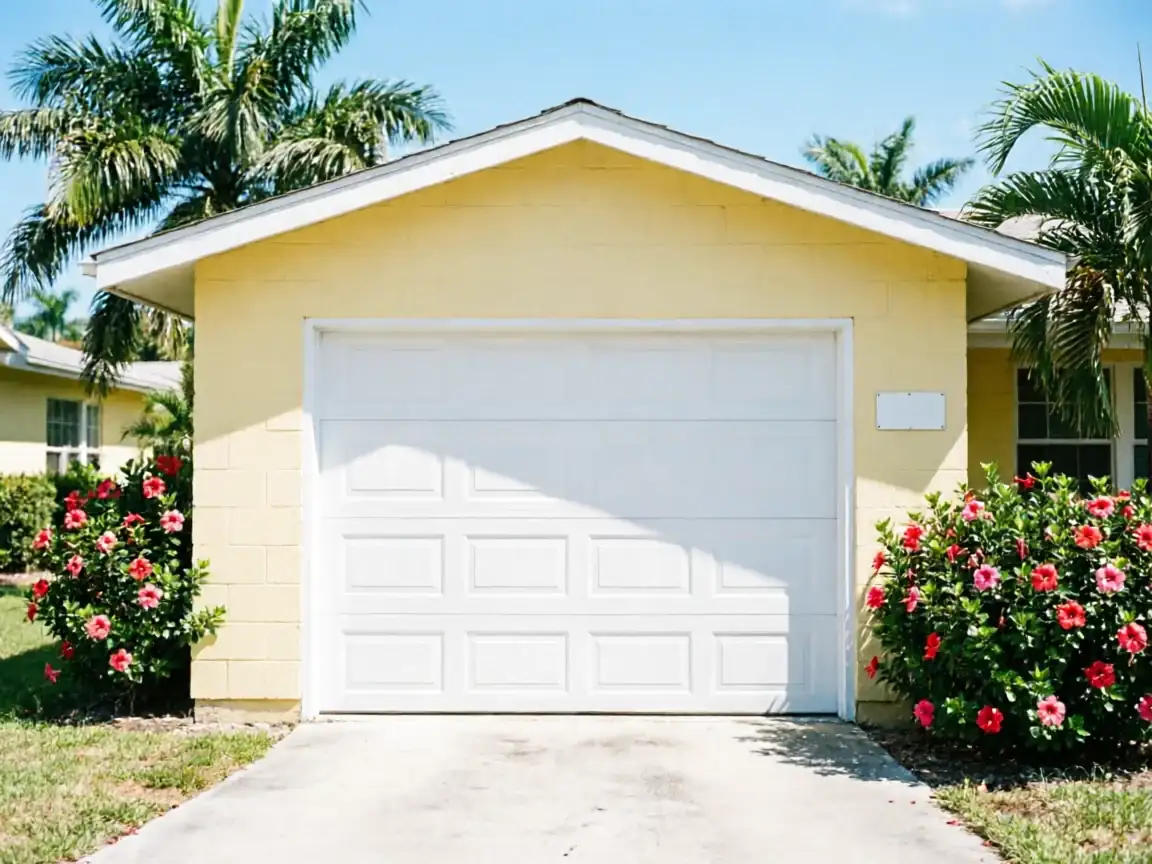
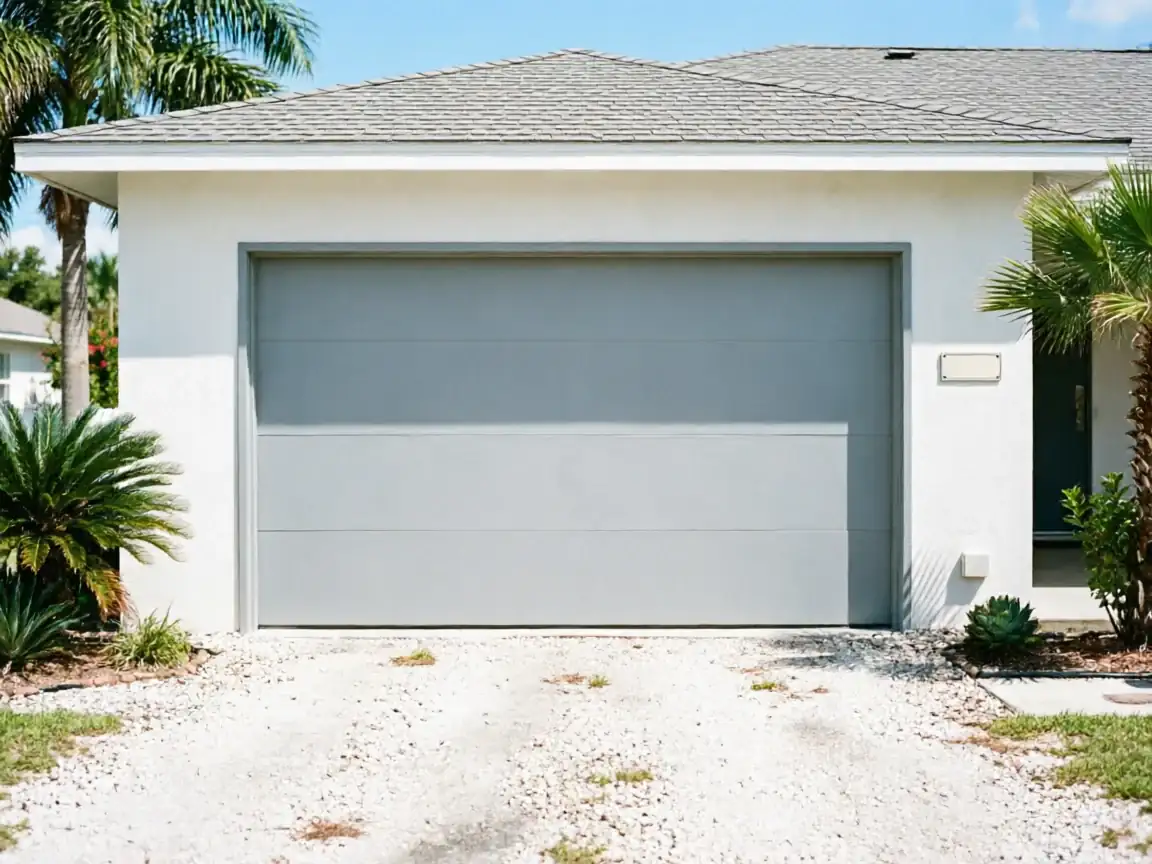
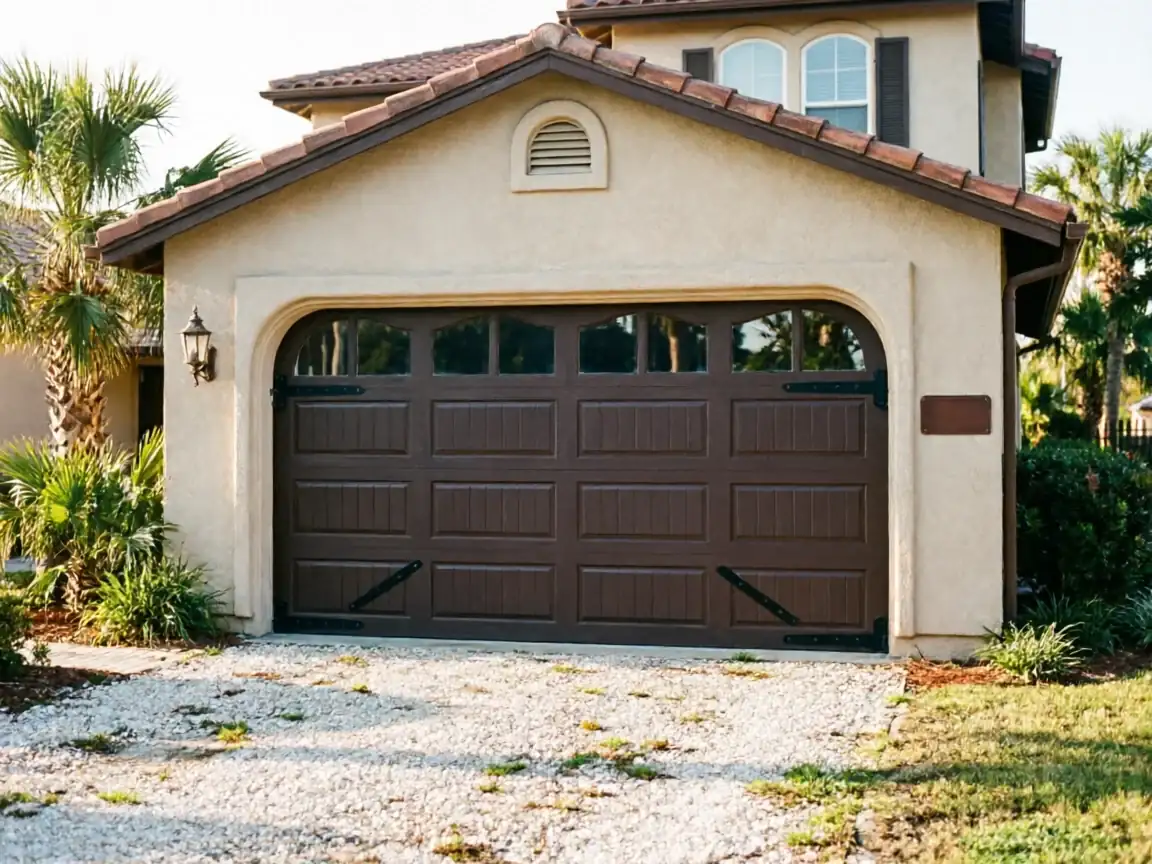
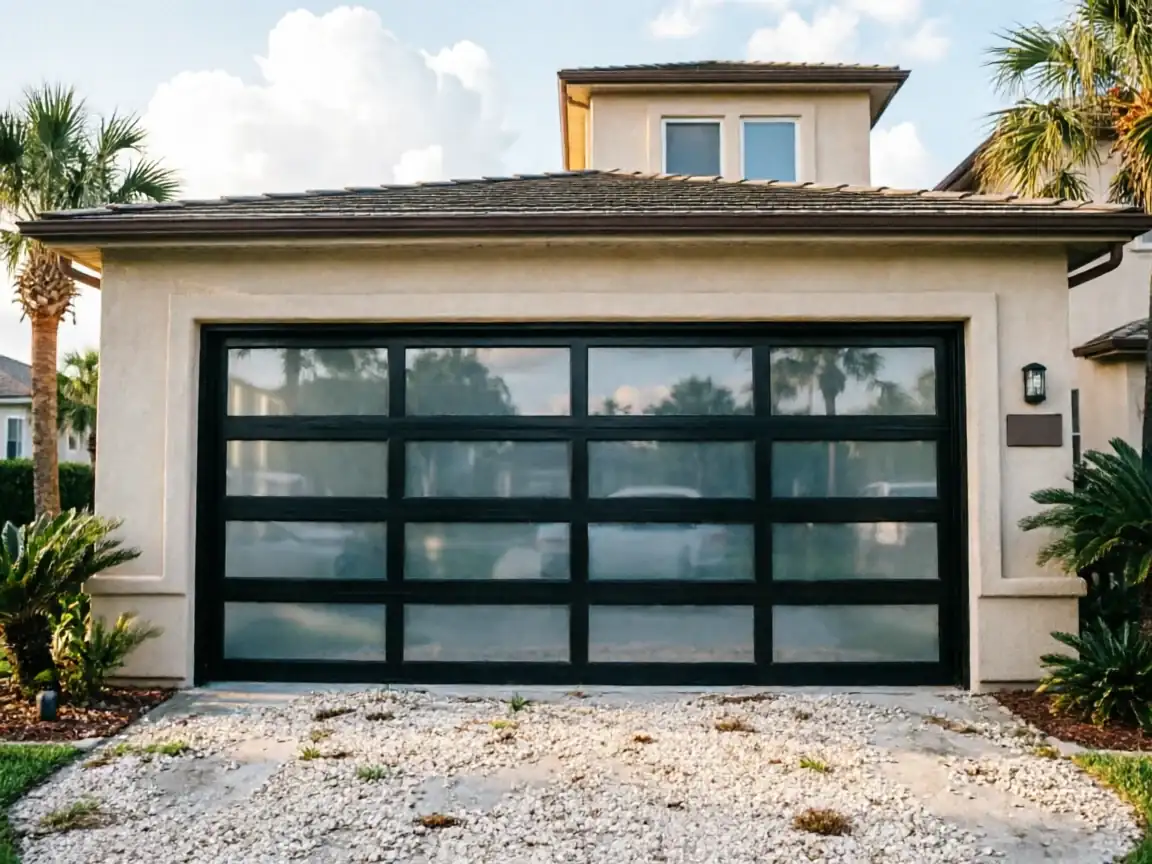
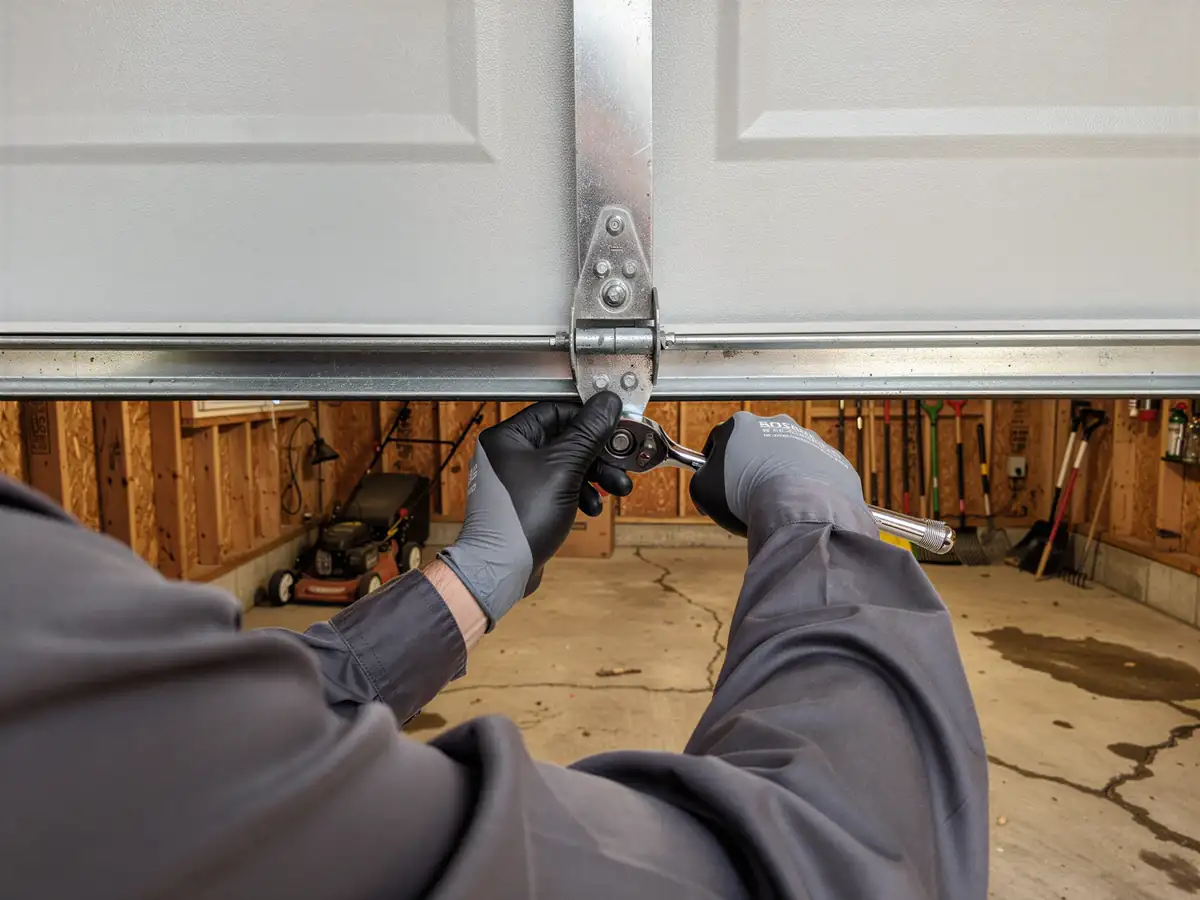
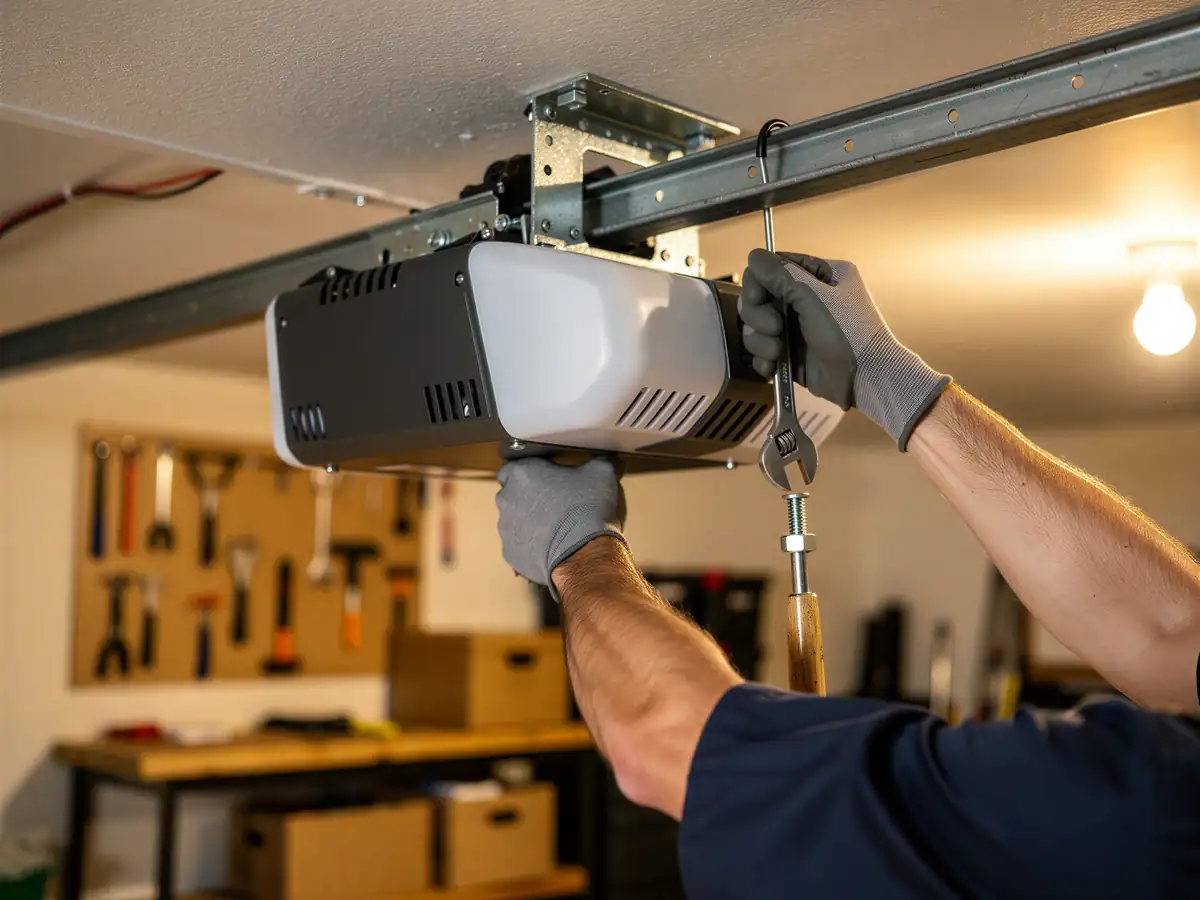
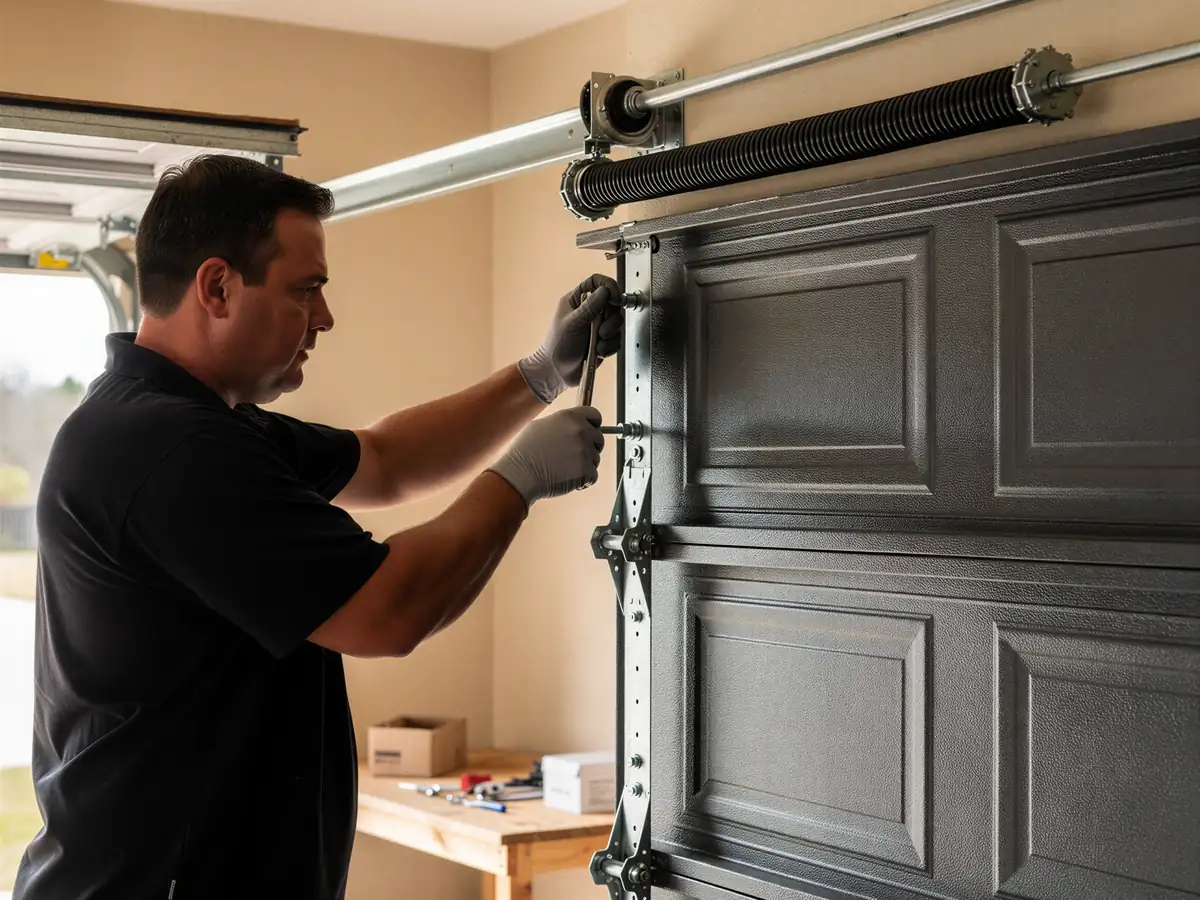
Most houses in this part of our service area went up in the 1960s and 70s, and Lake Worth Beach's own median build year sits at 1968. That's a specific generation of opener mounting: chain-drive units bolted to wood headers that have shrunk and shifted over fifty-plus years, with travel limits set by mechanical screws instead of circuit boards. The common failure we see isn't a dead motor - it's a door that reverses off a limit switch that's drifted, or a opener that hums but won't lift because the header it's hanging from has sagged a quarter inch since install.
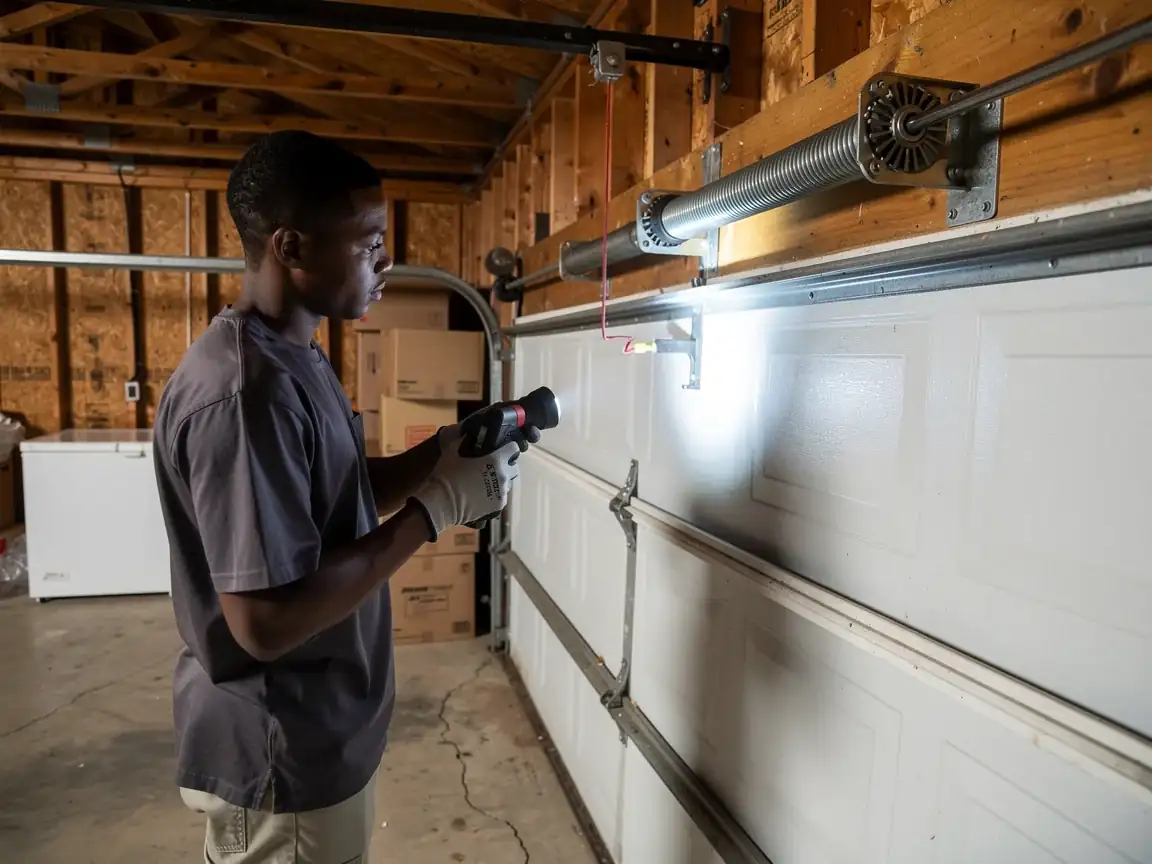
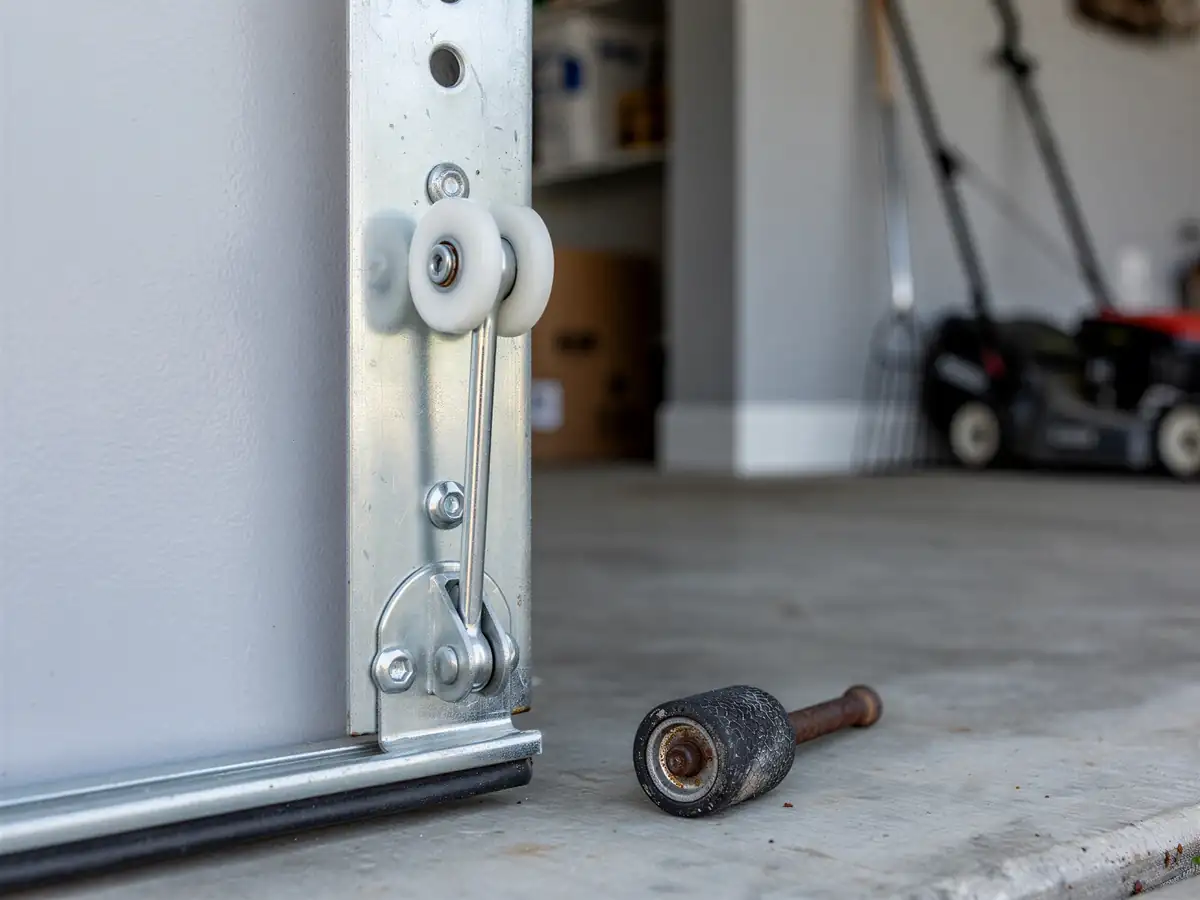
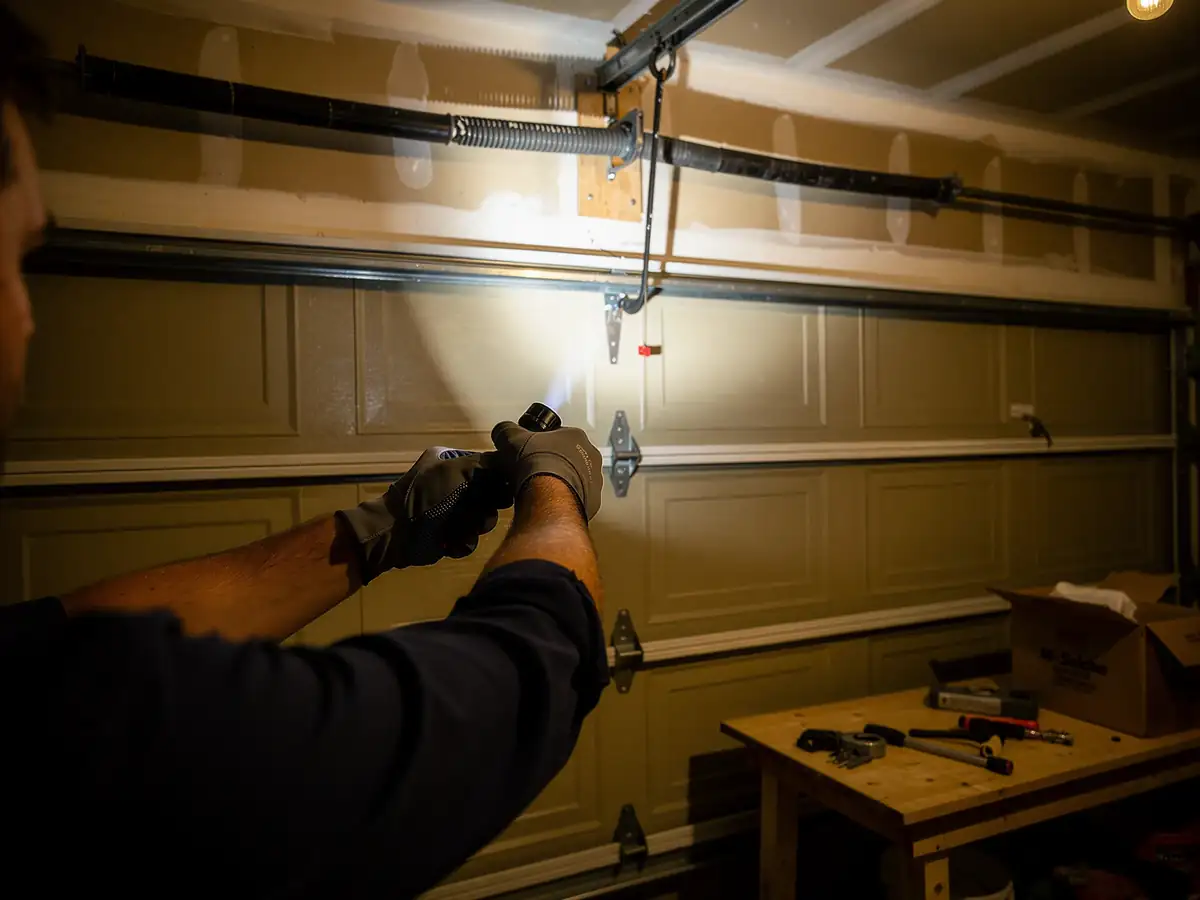
If your opener trips the safety reversal every time, or runs for a second and stops, that's usually the limit or force setting fighting an old frame, not a bad logic board. We check the mechanical side before we touch the electronics, because on a house this age the mechanical side is almost always where the fault starts.
Time on the Job
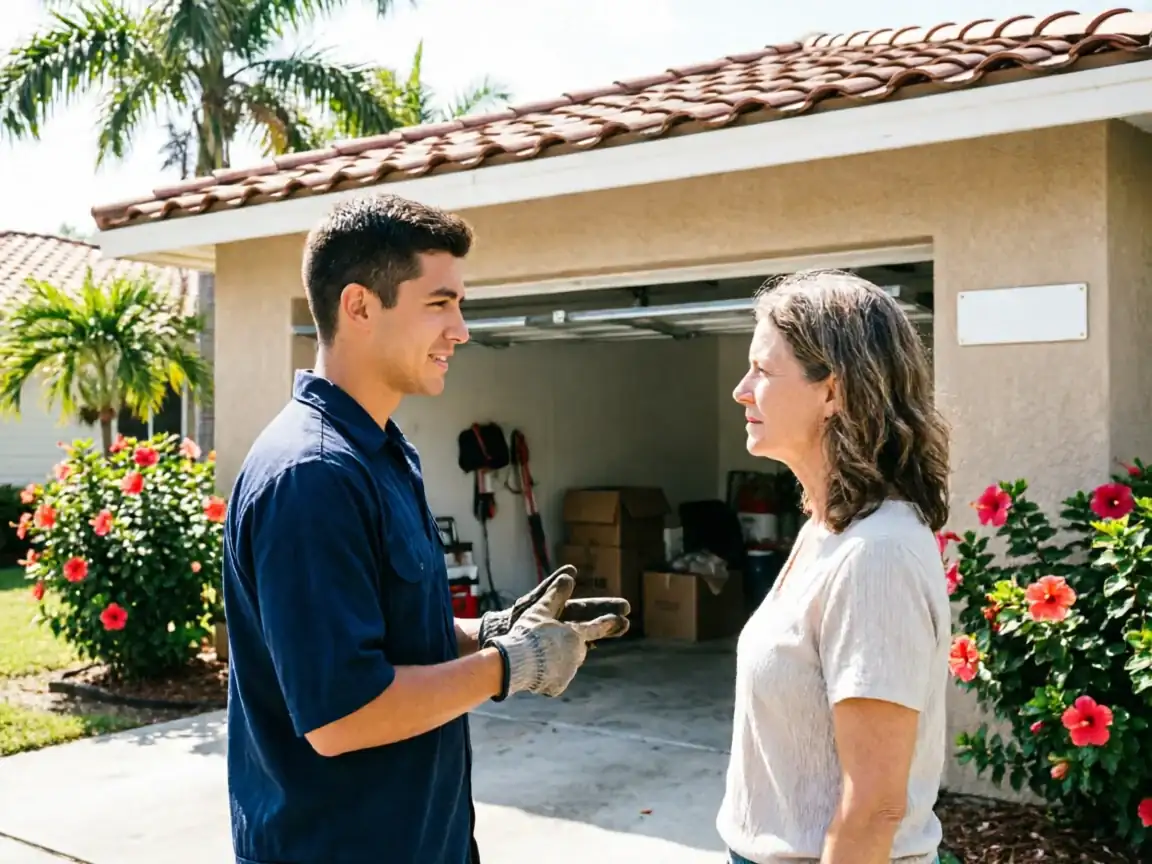
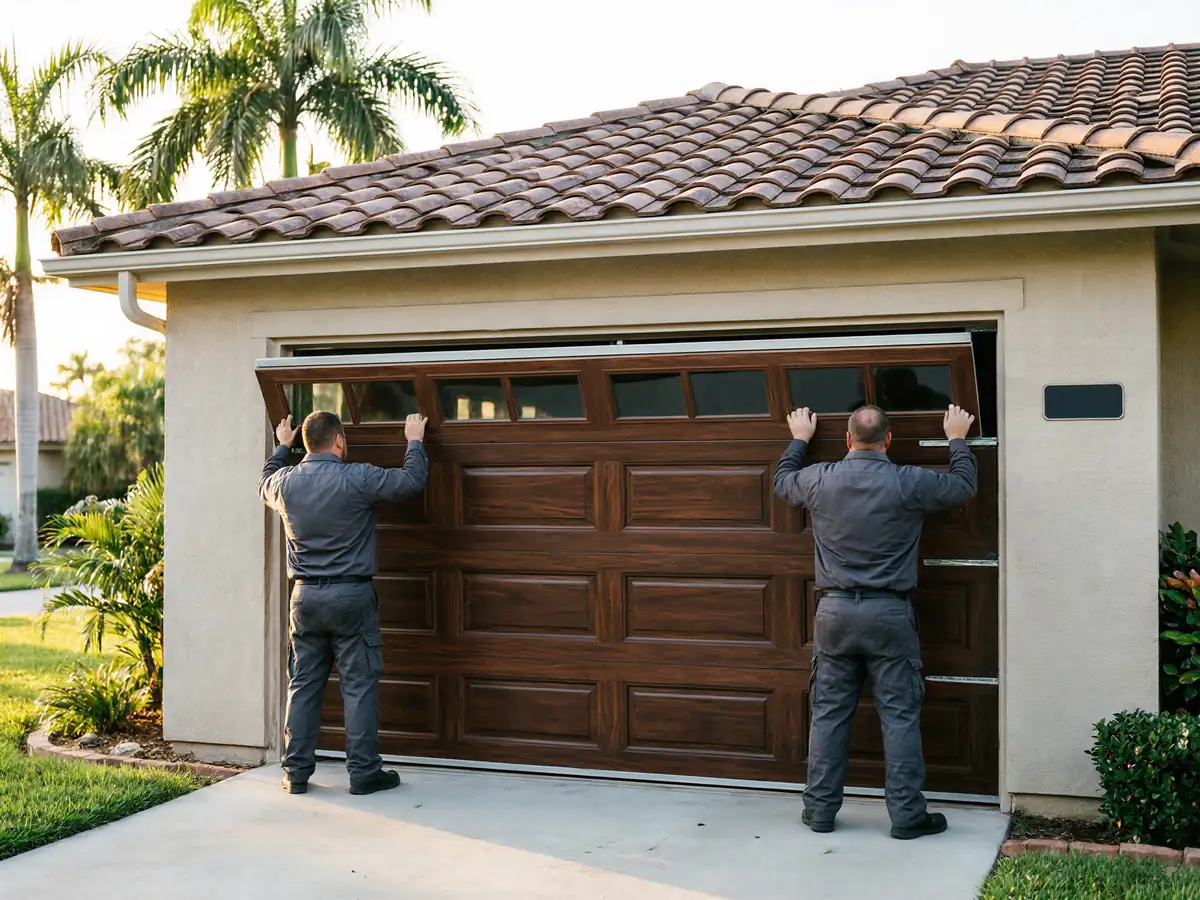
We run out of Boynton Beach, about 6 miles up the road, so there's no local branch or depot in Lake Worth Beach - we drive the job in on the truck we stock, same as every address in this part of the county.
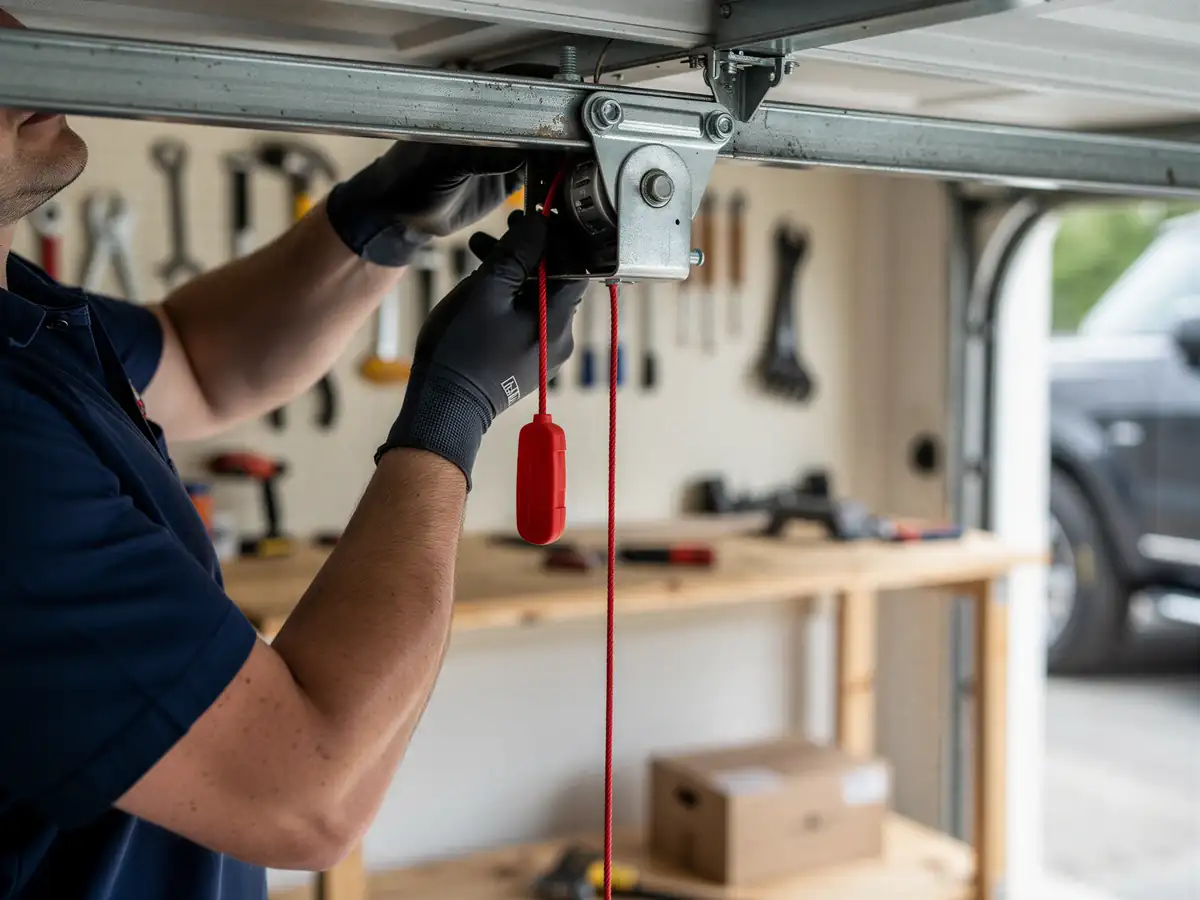
Once we're at the door, most opener calls here split into two kinds of work. The first is diagnostic and adjustment: resetting travel limits, replacing worn sensor eyes, tightening a loose header mount. That's usually the faster visit. The second is swapping a motor unit or logic board on a chain-drive opener old enough that its parts have stopped being made in the original spec - more teardown, more time confirming the new unit matches the existing rail and drum.
Florida's mild, humid climate plays a role too. Circuit boards and wiring harnesses in openers that have sat in an unconditioned garage near the coast for decades corrode faster than the manuals assume, so we budget time to check connectors and contacts even on a call that sounded like a simple motor failure over the phone.
What It Costs
We don't quote a number without seeing the opener and the mount it's hanging from
A sensor realignment and a motor replacement are not the same invoice, and we're not going to pretend otherwise here.
What we can tell you is how the decision usually gets made on a house like the ones common in Lake Worth Beach
The median household income in this town runs lower than the service-area average - $60,978 here against $92,325 across the wider territory - and that gap shows up in the calls themselves. More owners here ask us to repair the existing chain-drive unit rather than replace it outright, and on a unit from this era, that's often the right call: the motor and gearset are usually fine, it's the limit switch, capacitor, or sensor wiring that's failed.
We'll tell you straight when a repair isn't worth it
If the logic board is gone on a unit old enough that the board costs nearly what a new opener does, replacing it beats repairing it, and we'll say so before we start.
Stocked Parts
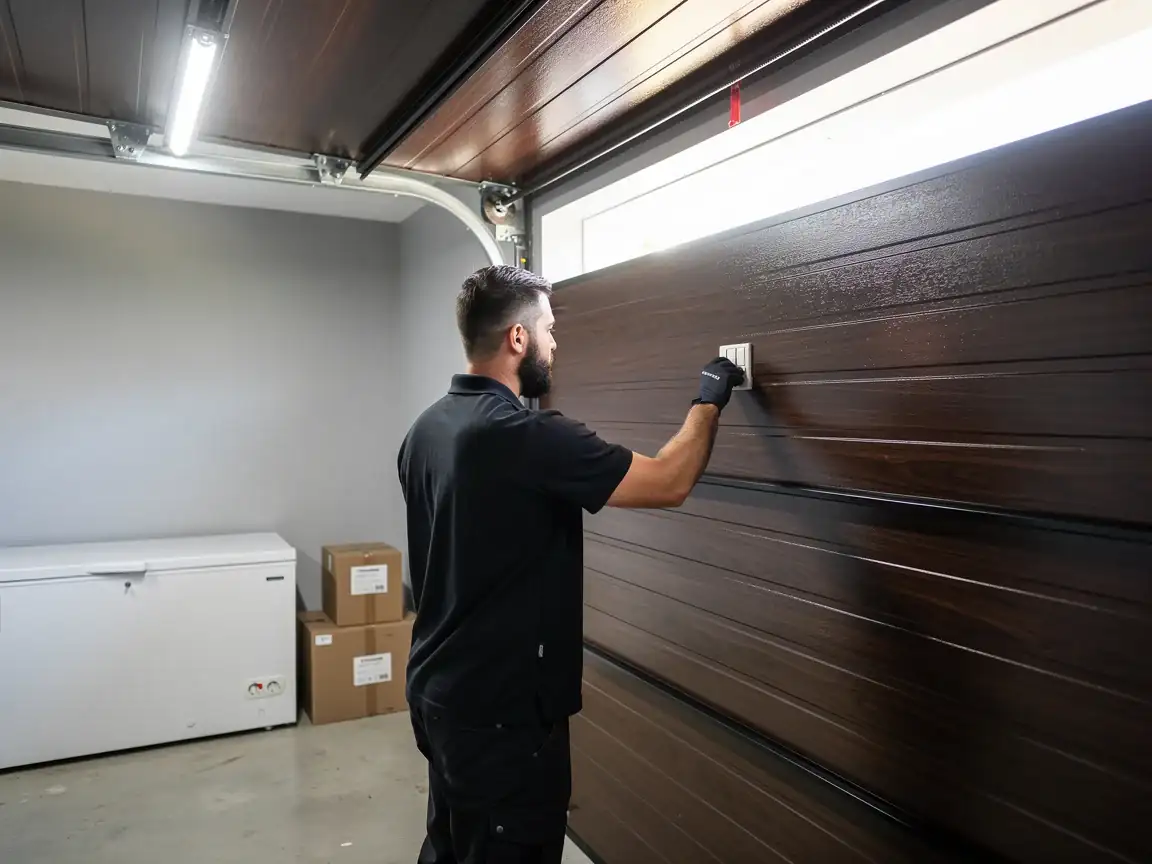
The truck carries the parts that fail most on the opener generation common to this part of our coverage area: travel limit switches, photo-eye sensor pairs, drive gears and sprockets for chain-drive units, and wall control stations that match the terminal wiring used on openers from the 1960s and 70s build era.
What we don't carry on the truck is a logic board for every discontinued model. Some chain-drive openers from houses built in the late 1960s used control boards that the manufacturer stopped making years ago, and on those jobs we sometimes have to order the part and come back, rather than finish in one visit. We'll tell you up front if your unit is one of those rather than let you assume a same-day fix.
For the parts we do stock, the advantage of the mild coastal climate cuts both ways - it's gentler on belts and plastics than a freeze-thaw climate would be, but the humidity still shortens the life of sensor wiring and circuit contacts faster than a dry inland town would see.