Booking a Visit
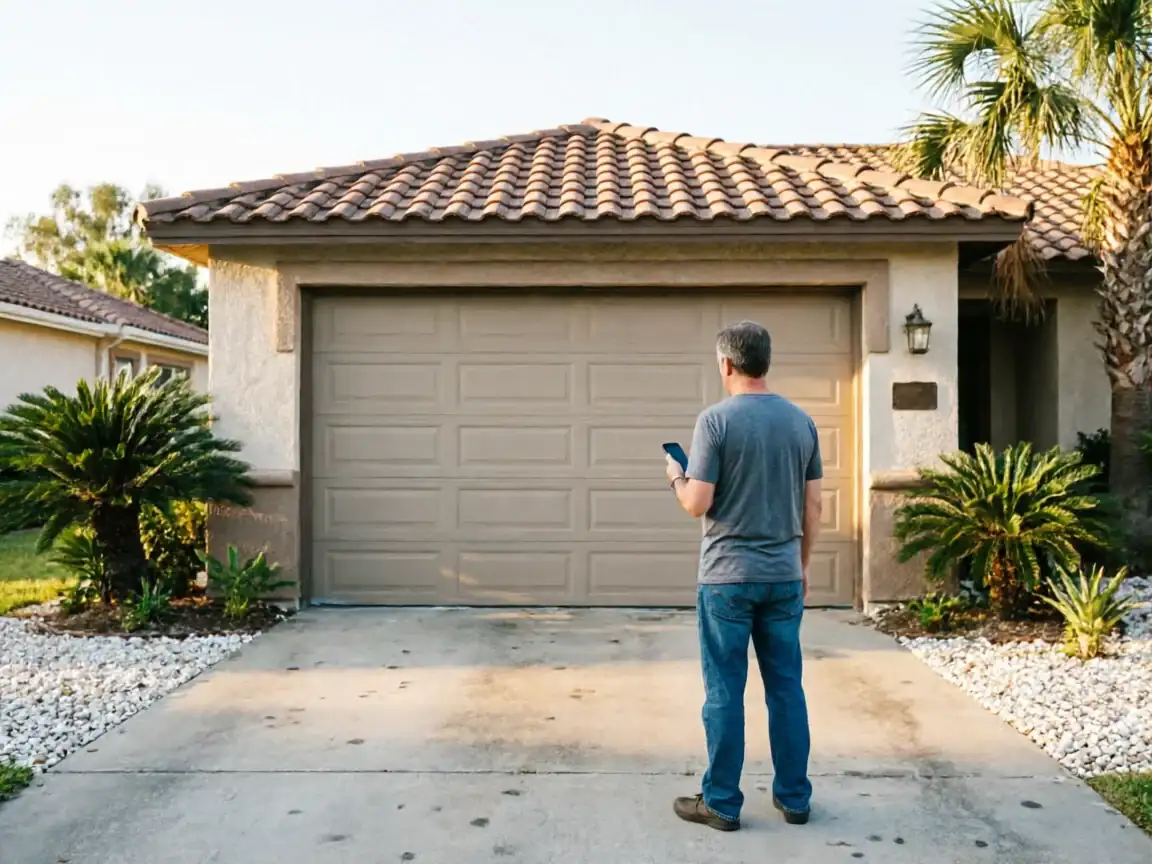
Most of the calls we get from Ocean Ridge start the same way: a door that still opens, barely, but doesn't look or sound like it used to. That's not surprising given the age of the stock here. The median home in Ocean Ridge went up around 1972, which puts it squarely in the 1960s-70s run that covers most of the service area. Doors from that era were built to different opening sizes and different spring setups than what gets installed today, so a straight swap isn't always as simple as it sounds.
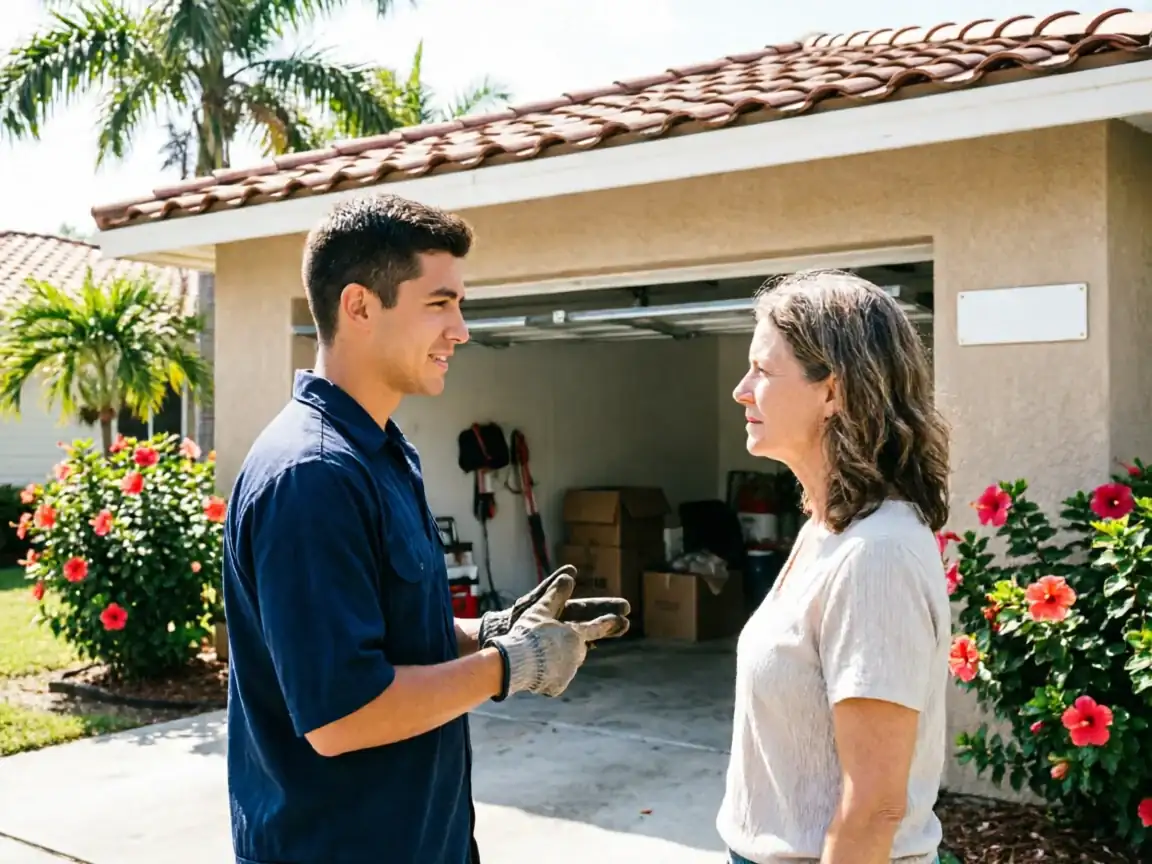
We come out from Boynton Beach, about 2 miles up the road, so there's no separate branch or crew based in Ocean Ridge itself - just a short drive. When you call, we ask for the rough age of the house and a few measurements of the current opening so the right door and hardware are on the truck the first time, not the second. We don't quote a fixed arrival window here since that depends on what's already booked that day out of Boynton Beach.
Time on the Job
A straightforward single-door swap on an opening that hasn't been altered takes less time than a double door that needs new track run to match a wider header. Houses built around 1972 sometimes have headers and framing sized for doors that aren't made anymore, which can add time to squaring up the new unit rather than just hanging it.
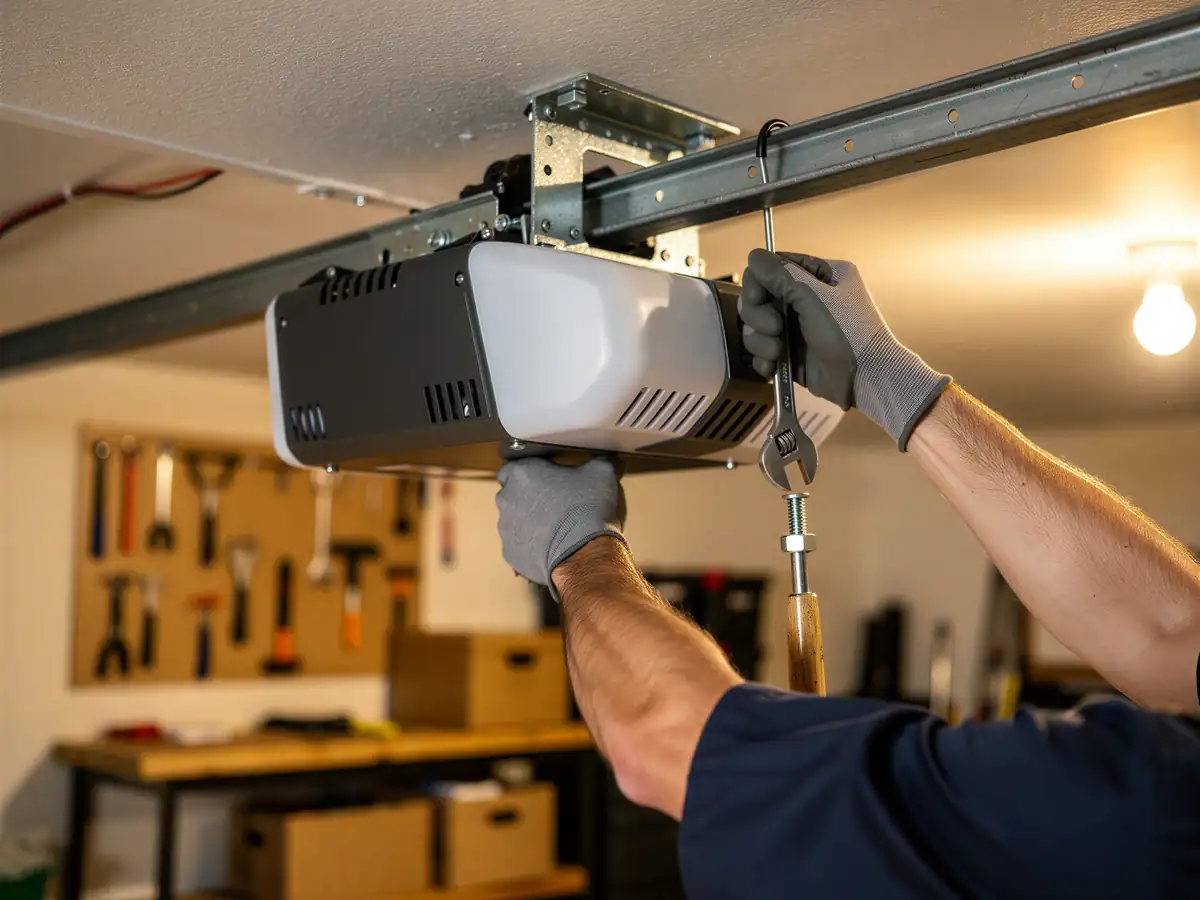
Insulated doors take a bit longer to set than bare steel because of the extra weight and the way the panels seat against the frame. If your opener is original to the house, we'll also check whether it's worth reusing or replacing at the same time - an old chain-drive opener paired with a new, heavier insulated door is a mismatch that shows up fast as noise and drift.
We won't give you a number of hours here because it depends on what we find once the old door's out and the opening is exposed. Special-order sizes, if your opening is nonstandard, also mean a wait on the panel itself before install day can even get scheduled.
What the Fix Involves
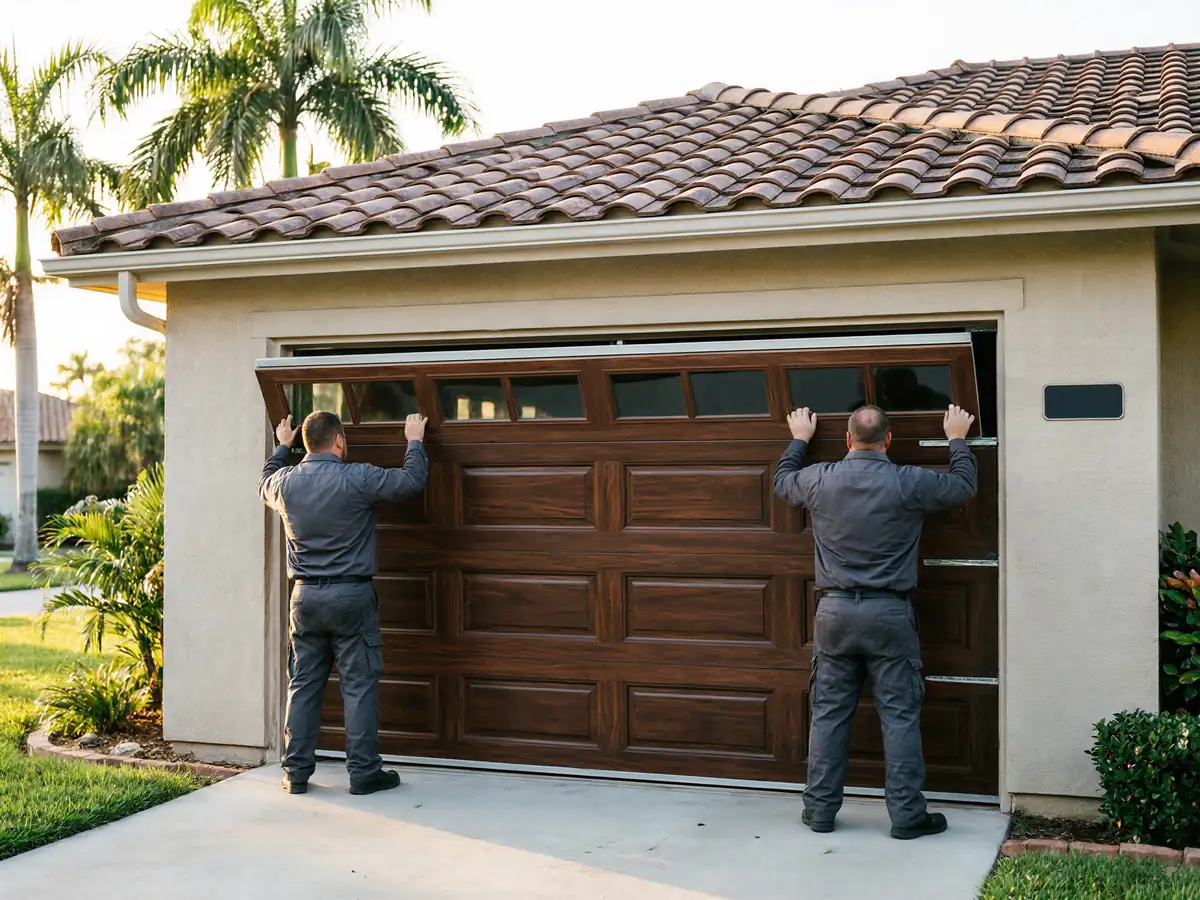
Swapping out a door built to a 1972-era opening usually means more than unbolting the old panels
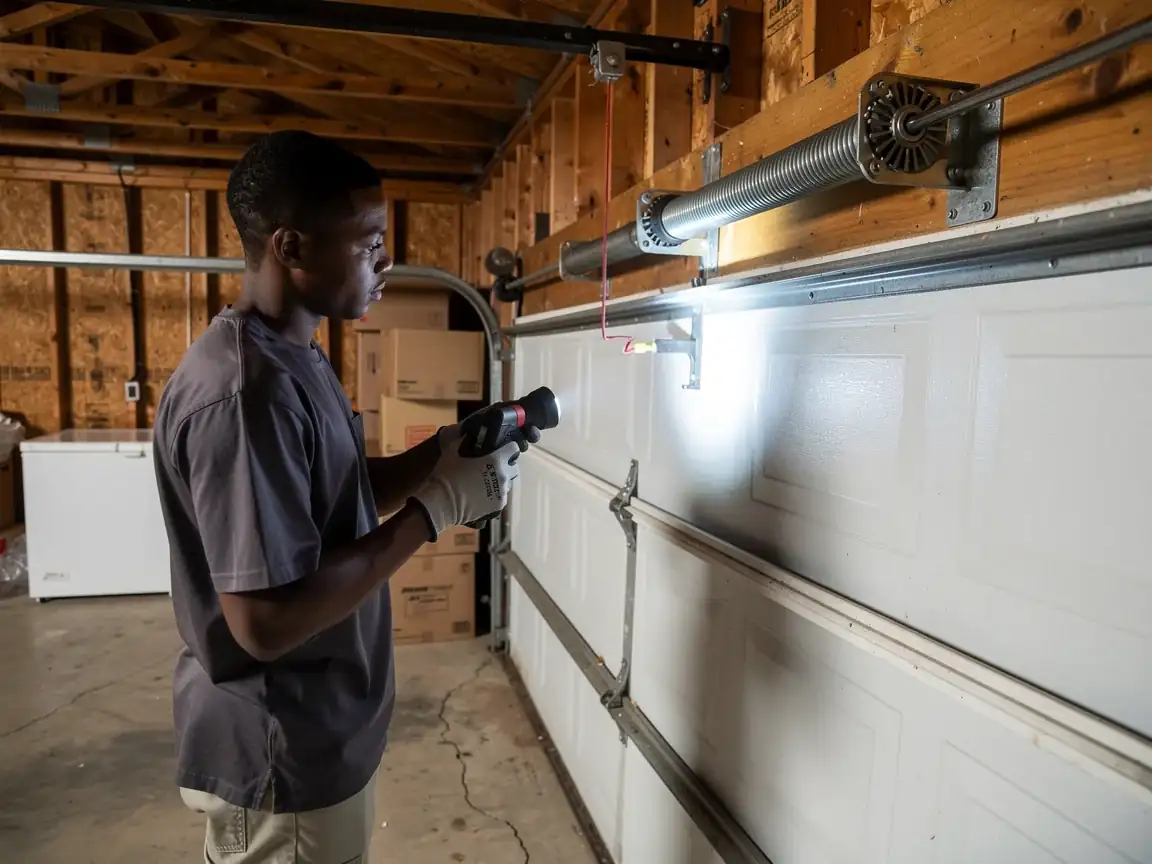
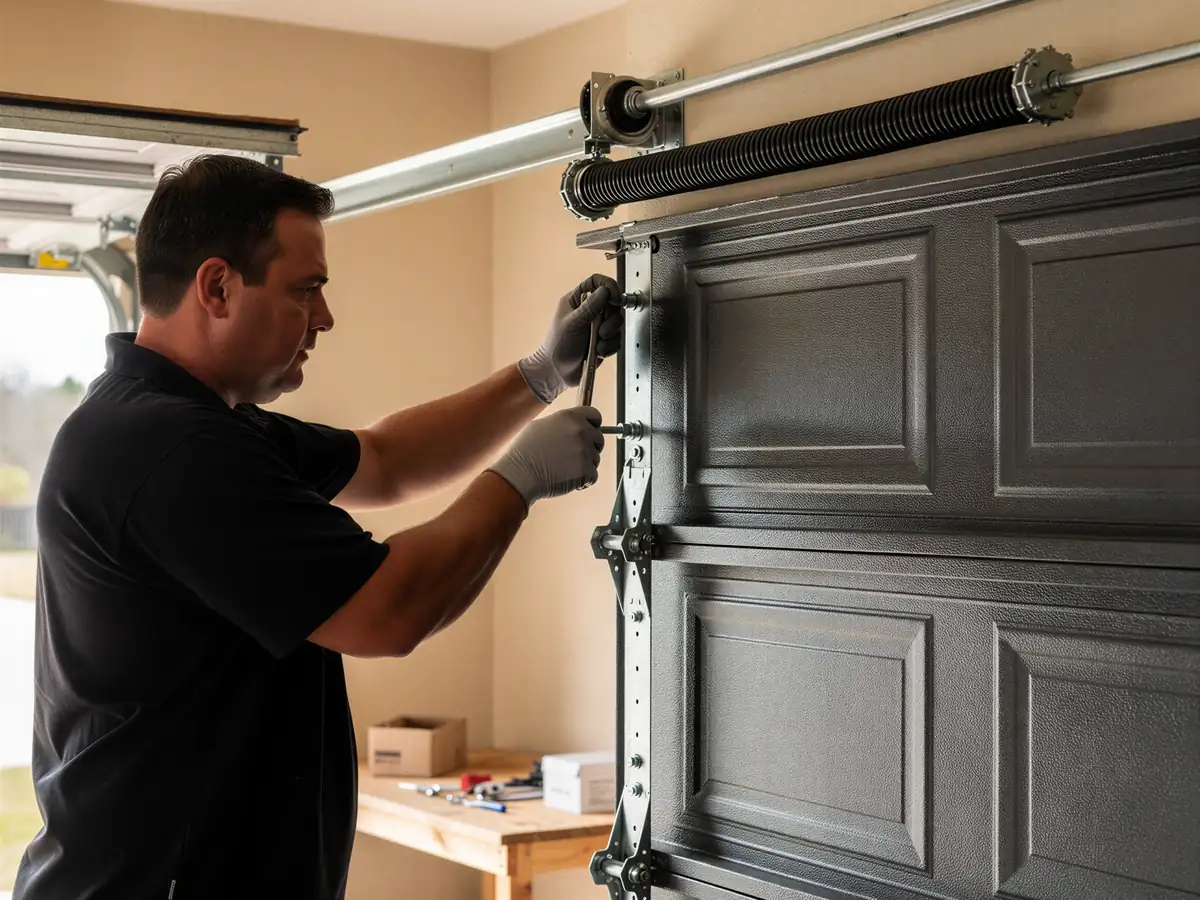
The track width, the header clearance, and the spring mount all have to be checked against what the new door actually needs, because manufacturers haven't held those dimensions steady over fifty years. We measure the rough opening, check headroom for the spring and drum assembly, and confirm the jamb is still square before anything new goes up.
For homes in this part of the service area
That's where the mild climate works in your favor rather than against you - there's no need to plan around extreme cold or heavy snow load when sizing panels or sealing the bottom edge, which simplifies that part of the job compared to installs we do further north.
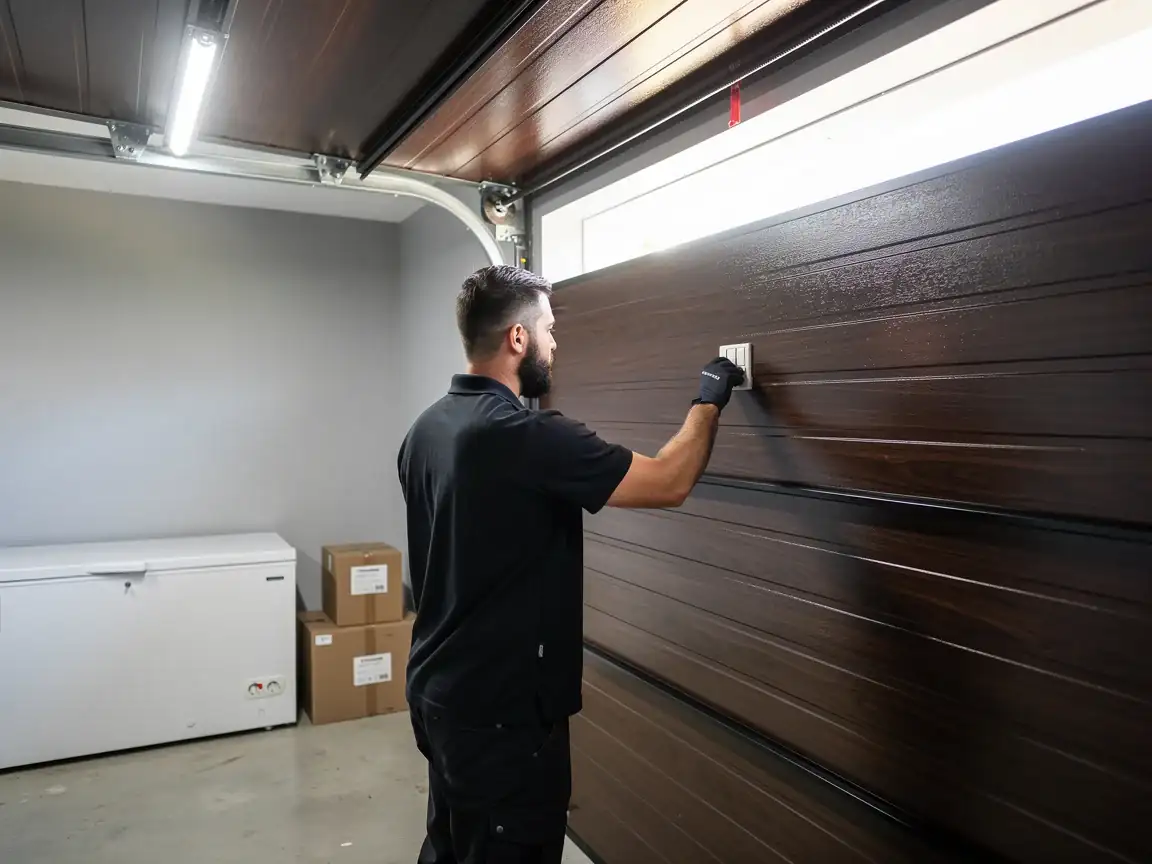
Once the new door is hung, we balance the springs to the actual weight of the panel, not a generic setting, and run the opener through its full travel to make sure it reverses correctly before we call the job done
Doing It Yourself
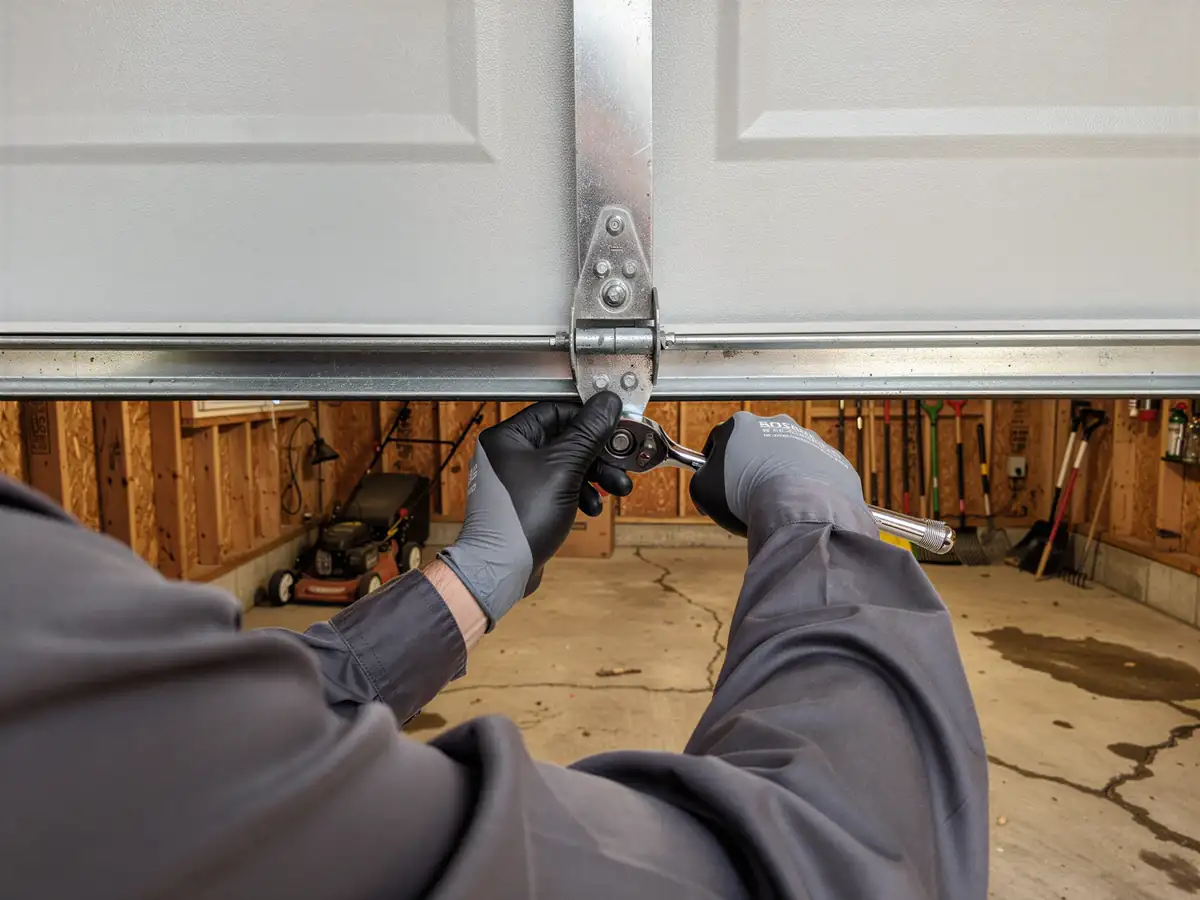
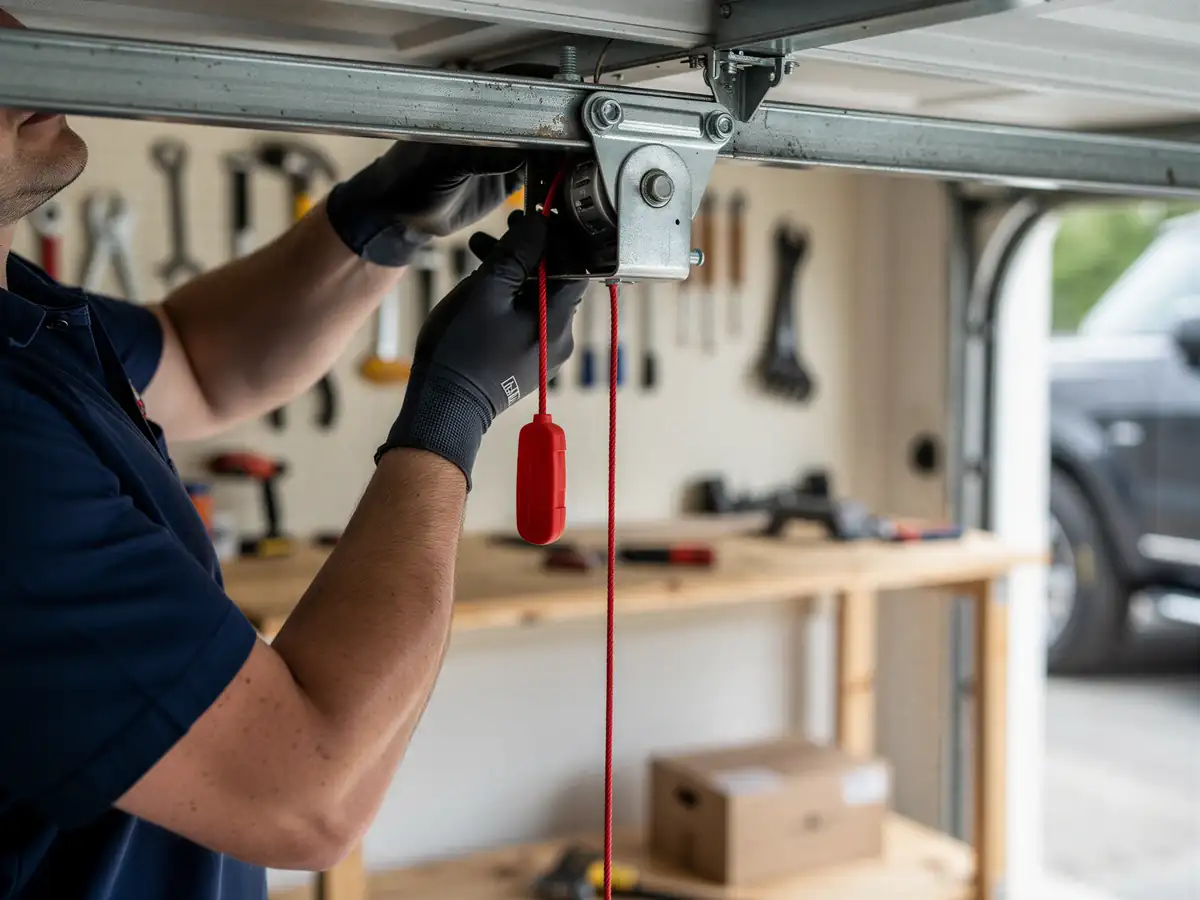
We'll say it plainly: a full door replacement isn't a solo weekend project, and the torsion spring is the reason why. A spring under tension that lets go while you're adjusting it can break bones or worse, and the tools to wind it safely aren't something most garages have lying around. Panel alignment and track plumb matter too - get the track even a little off-square and the door will bind or wear through rollers fast.
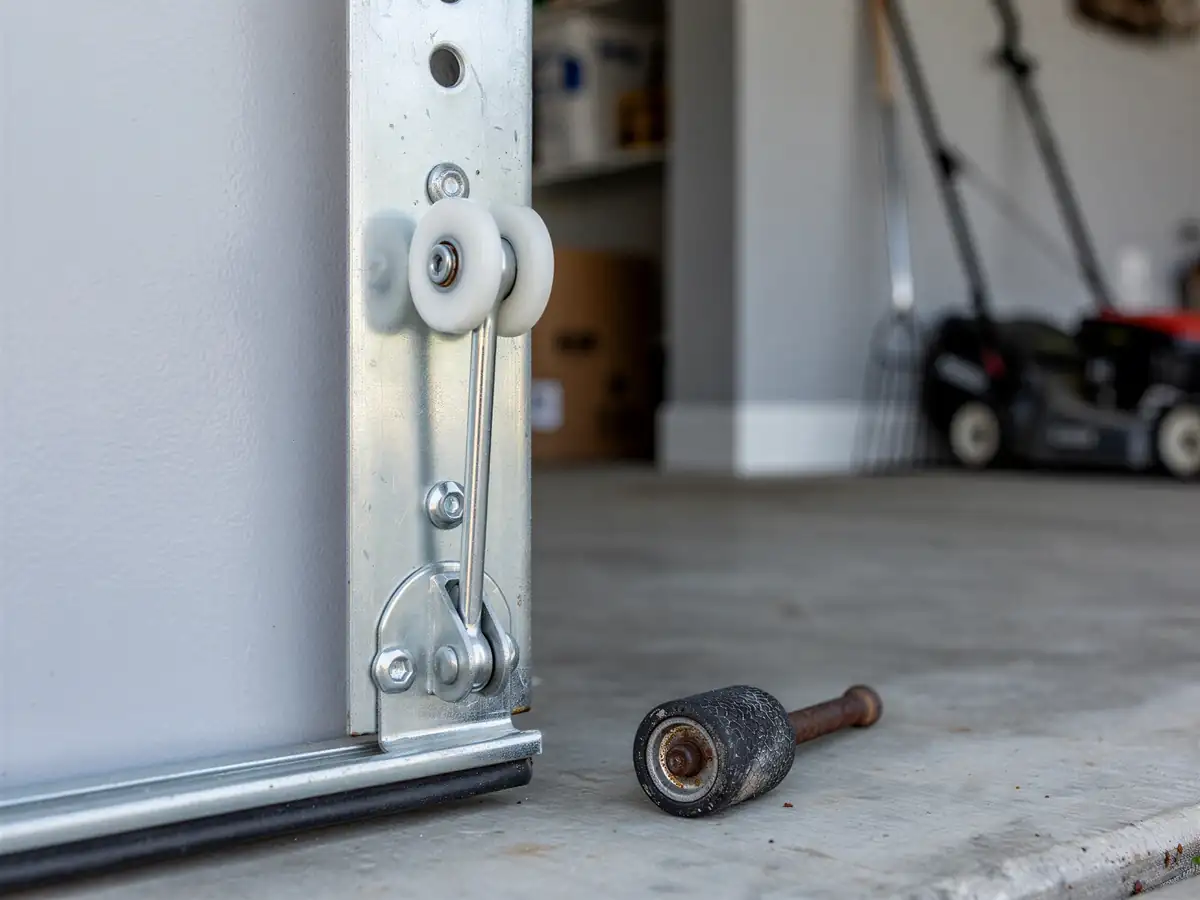
What you can reasonably check yourself first: whether the noise or sag you're seeing is really a full-door problem or just a worn roller or loose hinge, which costs a lot less to fix. If the door is original to a 1972 build and the track hardware is pitted or the panels have started to delaminate, that's usually past the point where patching makes sense, and we'll tell you that straight rather than charge you for a repair that won't hold.
Stocked Parts
The truck that comes out from Boynton Beach carries the hardware that fits what's actually on the road in this area - rollers, cables, torsion springs in common sizes, and standard-width track sections. Because so much of the housing here dates to the same general stretch, 1960s through the 1970s, a lot of openings share similar dimensions even across different towns in the service area, which means common parts cover most jobs without a special order.
Where it gets slower is a nonstandard opening or a door panel in a size that isn't kept in regular stock - those get ordered in, and we'll tell you up front if that's the case rather than promise same-day on something we don't have. We'd rather say that plainly than have you waiting on a truck that was never going to show up with the right panel.
The Symptom
The complaint we hear most from this part of the service area is a door that drops unevenly when it closes
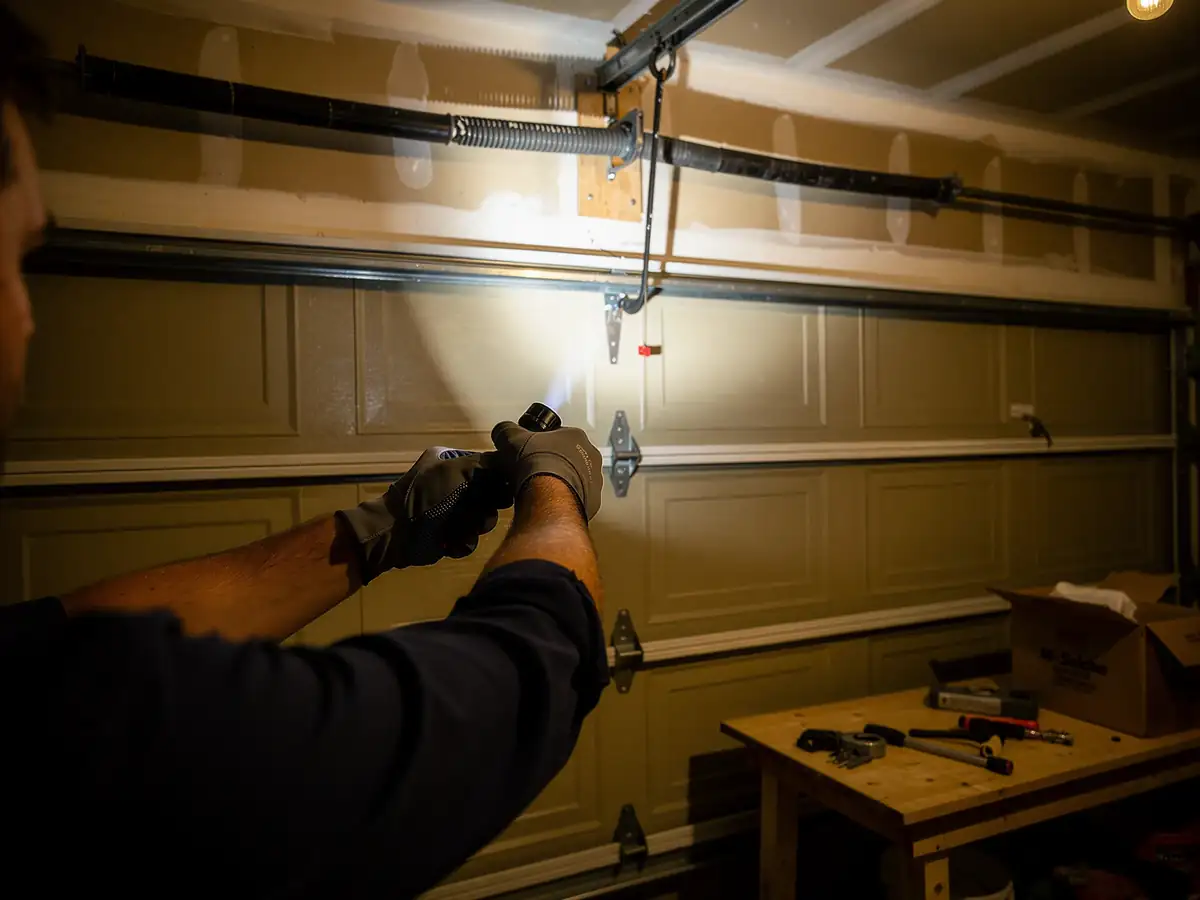
Or one side that visibly lags the other. On a house from the early 1970s, that's often original hardware - springs that have cycled for decades past their rated life, or a track that's bowed slightly from years of a slightly-off roller. Steel panels from that era, if they're single-layer and non-insulated, also tend to show rust along the bottom edge and a visible sag in the middle where the panel's thinnest.
Household income in Ocean Ridge runs well above the service area median
$111,023 against $92,325 across the wider territory - and that shows up in the calls: more owners here choose to replace with insulated, heavier-gauge doors outright rather than patch the original steel panel one more time. Either path is reasonable, but once the panel's delaminating or the track is bent, repair stops being the cheaper option.