Booking a Visit
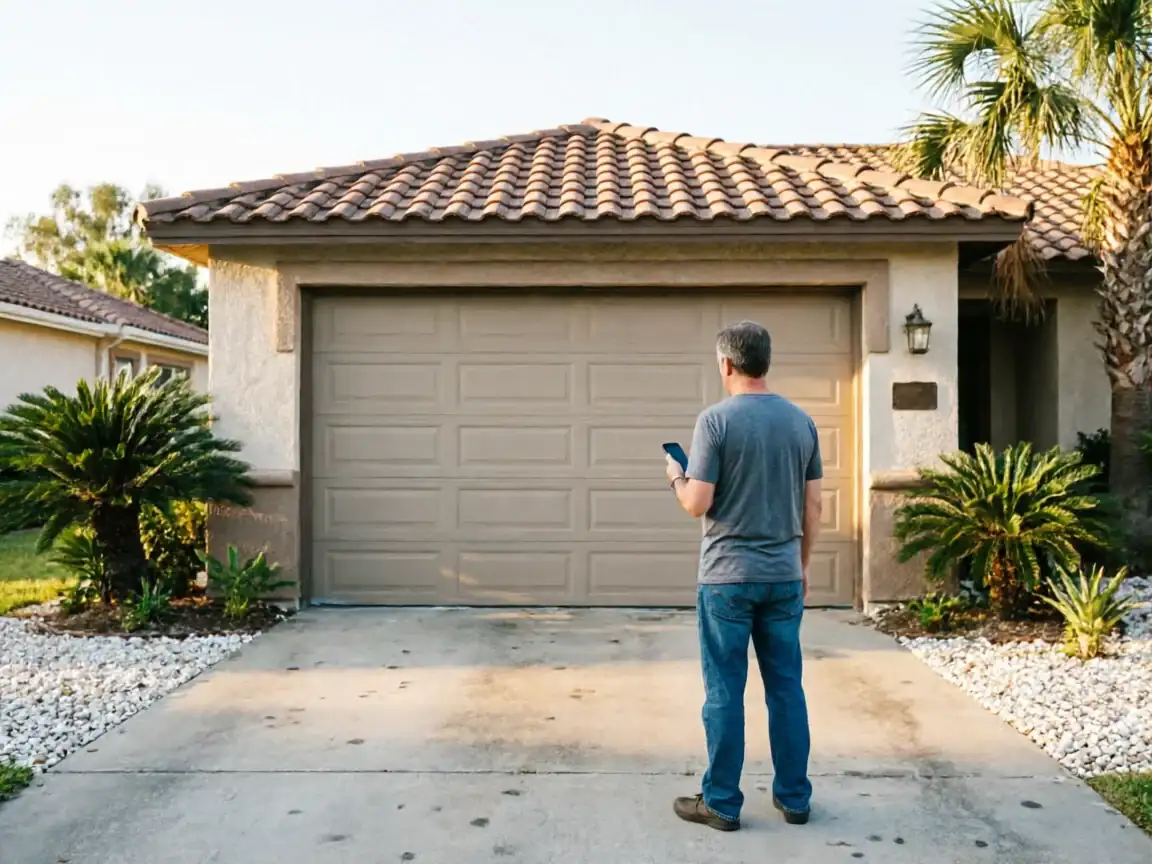
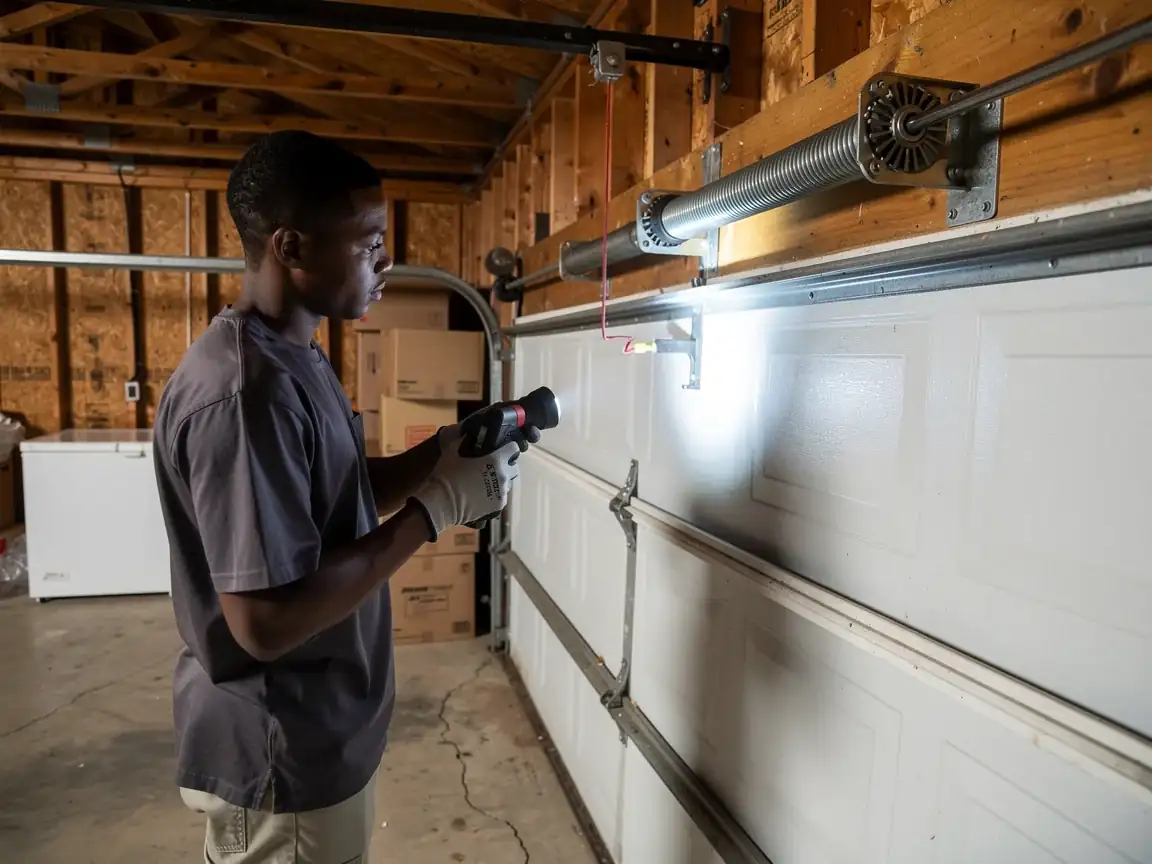
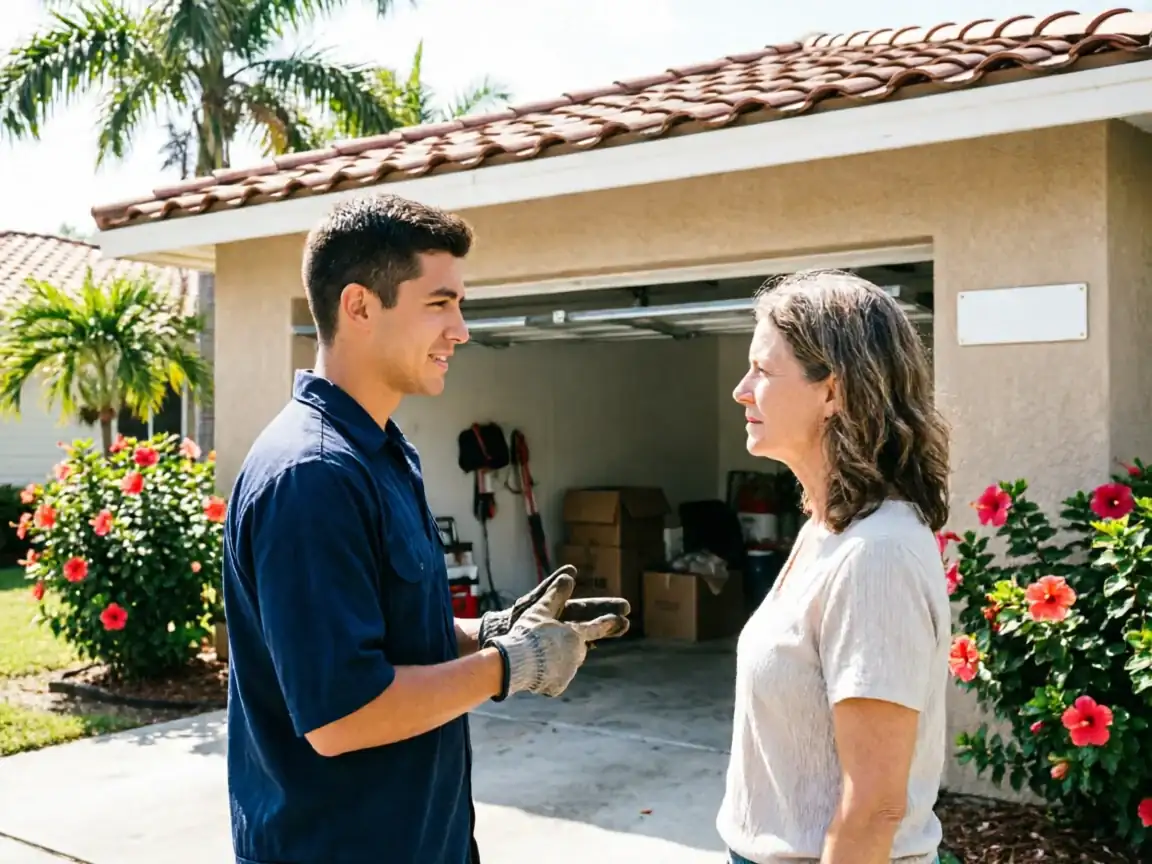
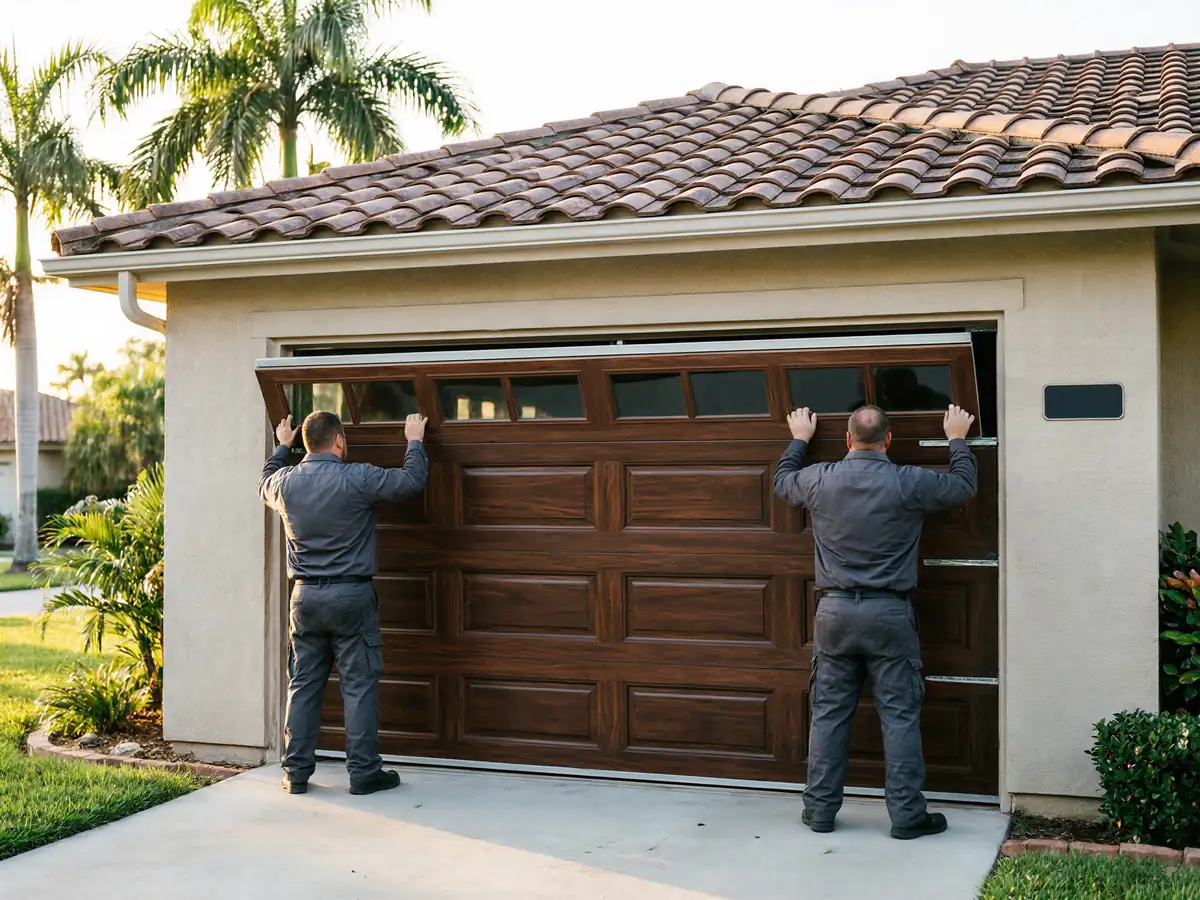
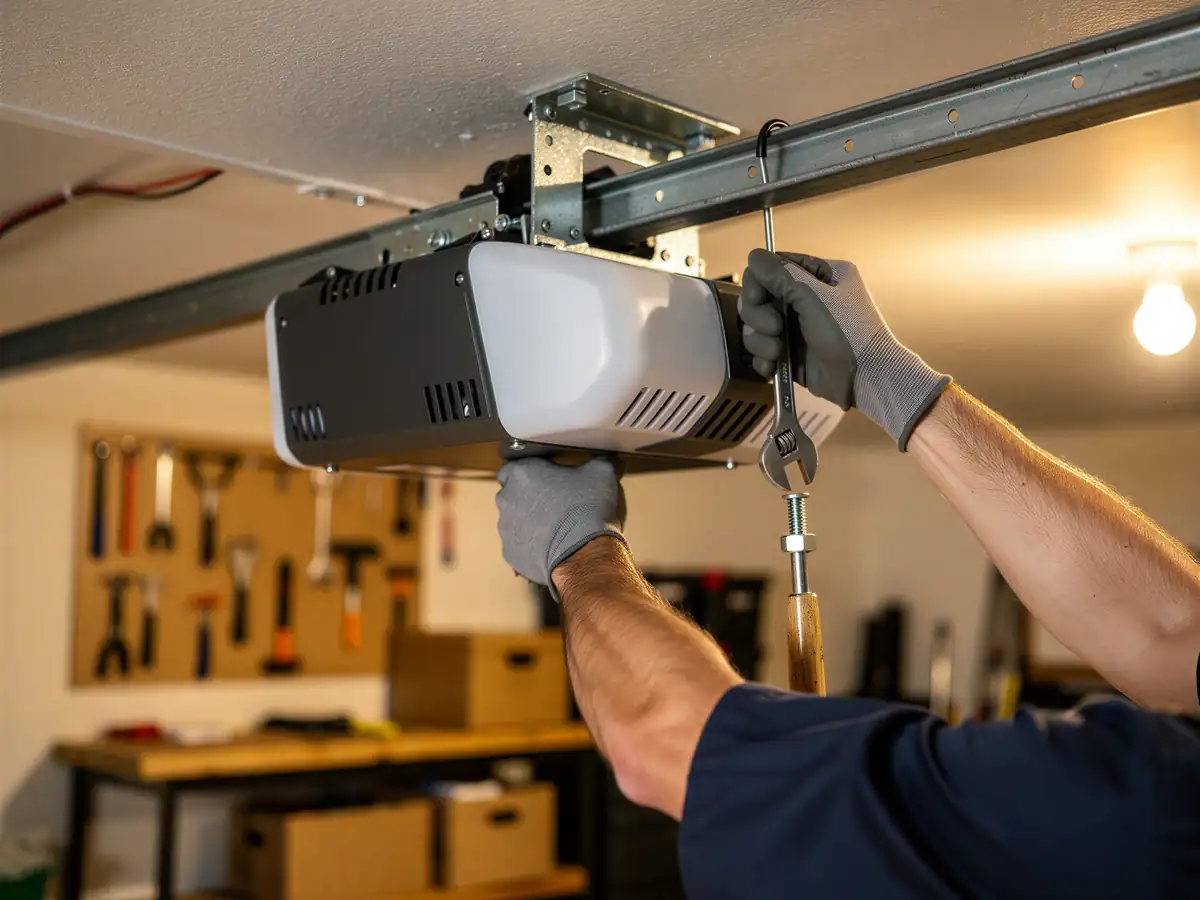
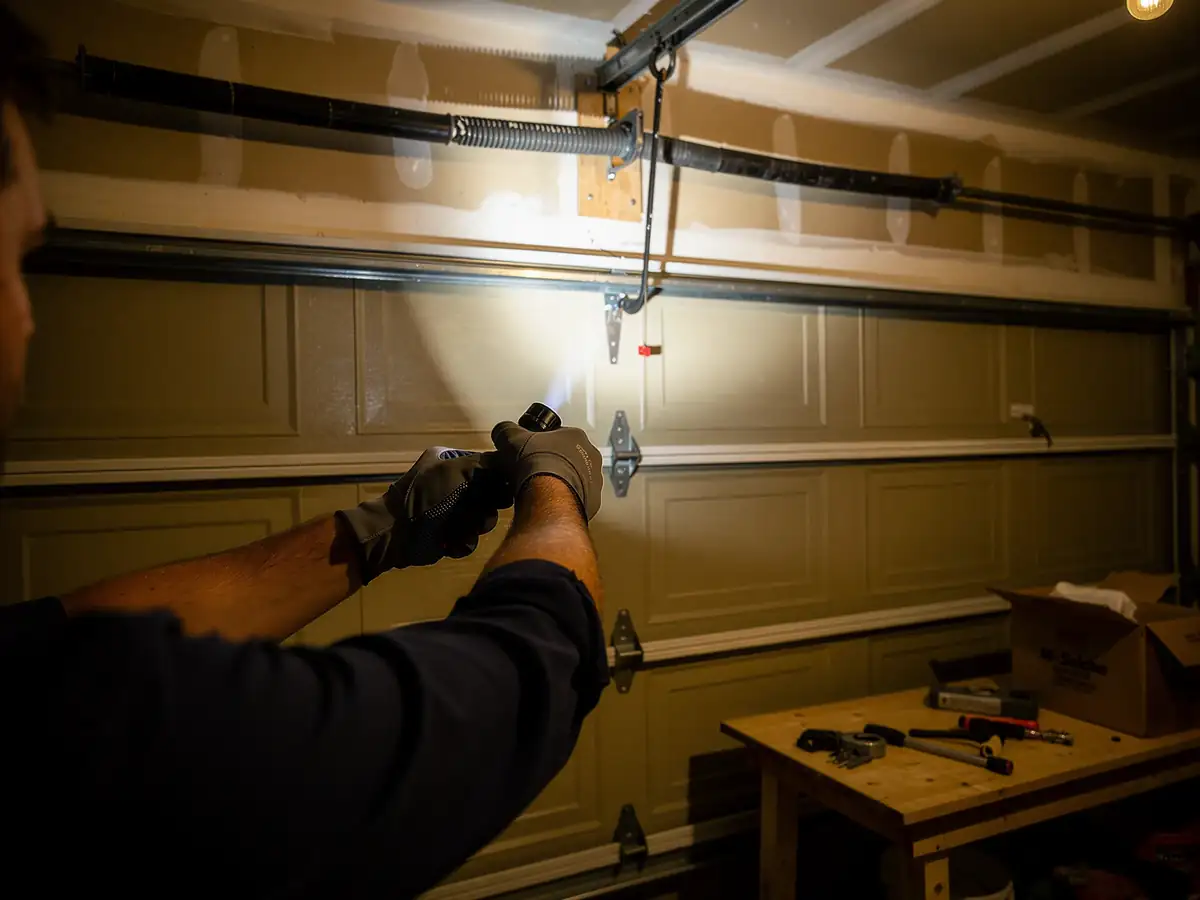
Atlantis sits about 5 miles from our Boynton Beach shop, close enough that getting a truck to one of the roughly 857 households here isn't a logistics problem - it's a parts problem. Before we come out, we ask what the door is doing: won't open, opens crooked, makes a grinding noise on the way down, or just sits dead. That one answer tells us whether to load a spring kit, a cable, or an opener board before we leave. We don't run a dispatch center out of Atlantis itself; every visit starts from Boynton Beach, so the call you make is the one that sets the truck in motion. If you can send a photo of the track and the spring assembly ahead of time, it saves a second trip for the wrong part.
We book by the job, not by the hour, so a same-day slot depends on what's already on the schedule that morning. If your opener is dead but the door itself still rolls by hand, that's a lower-priority call than a spring that's let go and left the door sitting on the floor of the garage.
Stocked Parts
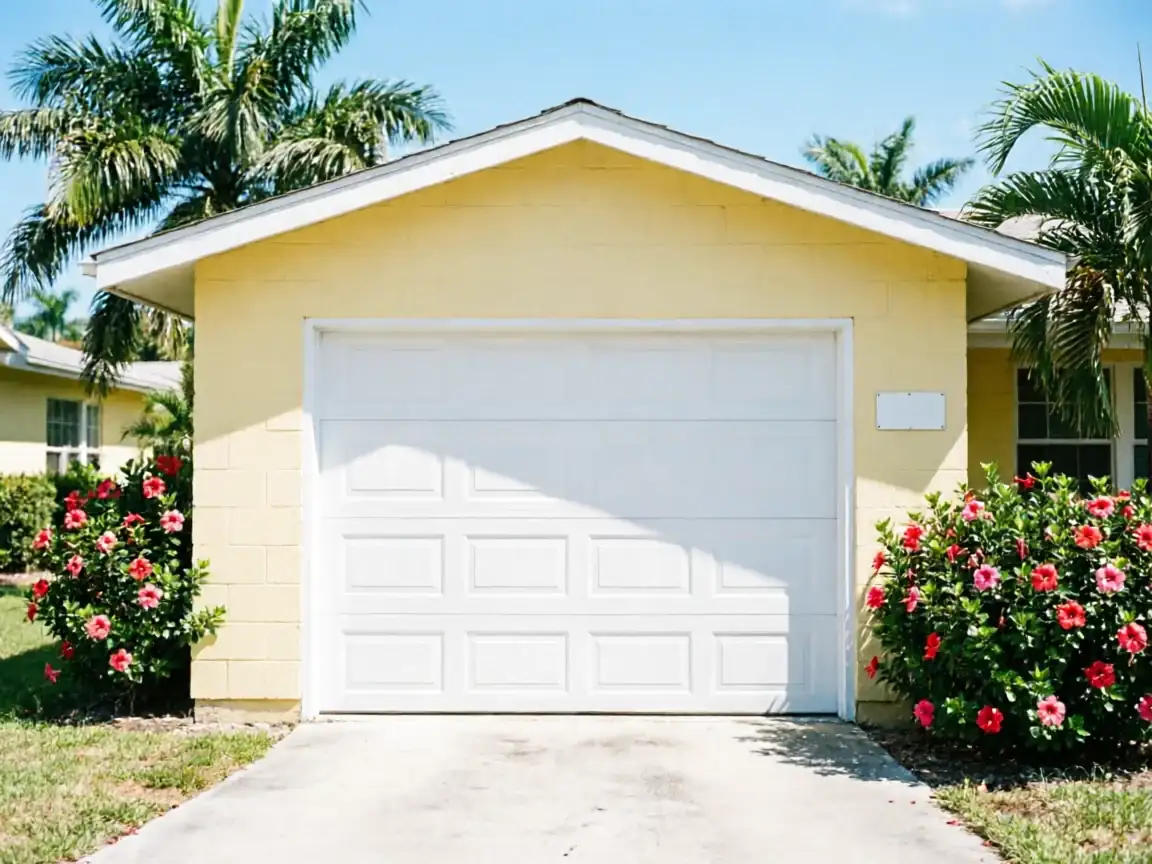
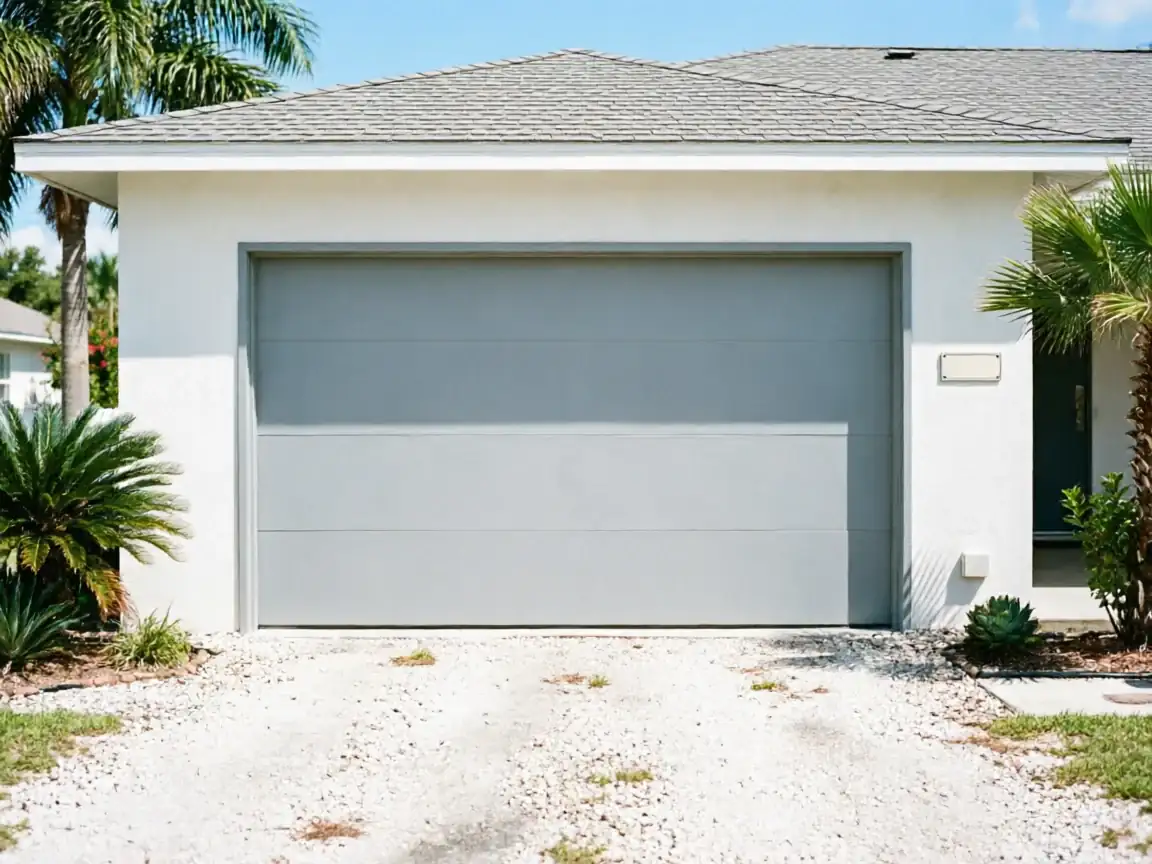
Housing in this part of our service area runs mostly 1965 to 2005, with a median build year of 1977 - and Atlantis itself lands right on that median. A door installed in a house built in 1977 has usually been replaced once already, sometime in the 1990s or 2000s, which means we're more often dealing with a second-generation torsion spring and a steel section door than the original hardware. That's good news for parts: galvanized torsion springs, standard 1-3/4 inch track, and off-the-shelf rollers cover most of what we see. We carry those sizes on the truck.
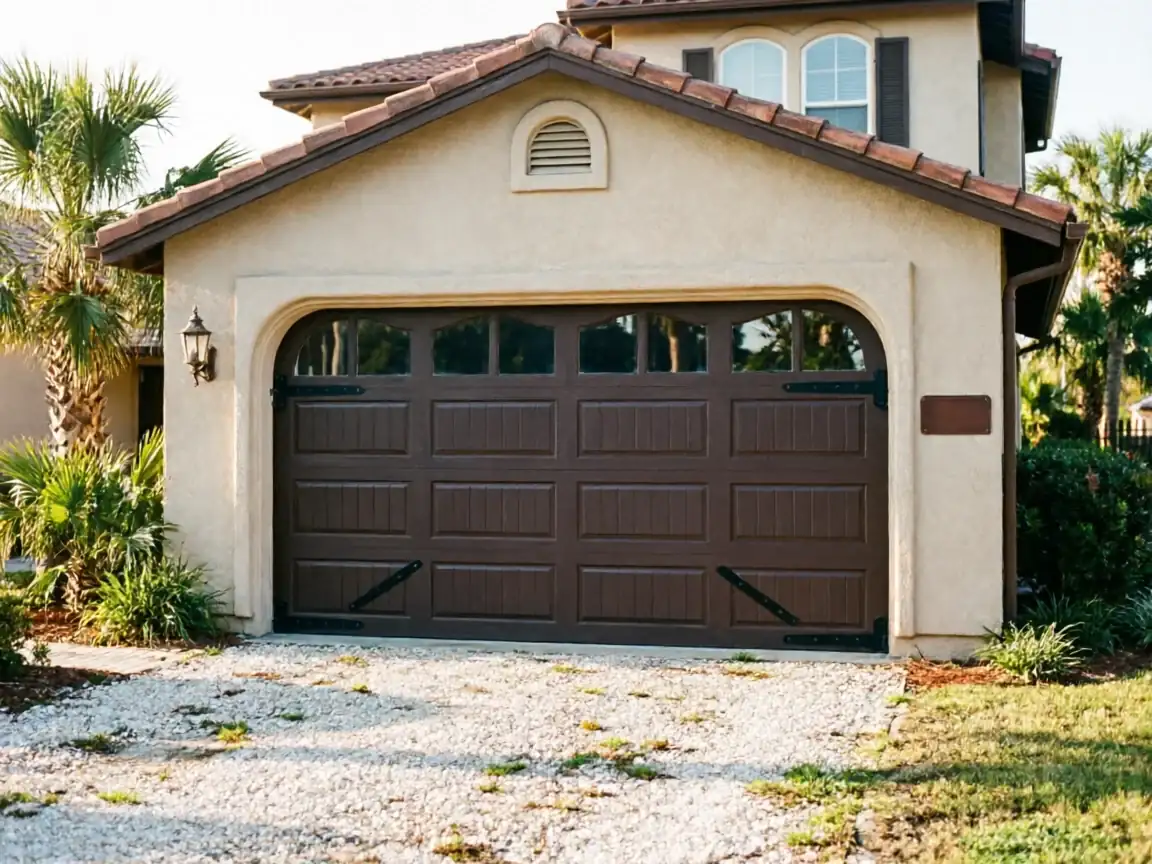
What we don't stock is anything custom - a wood-panel door from the original build, or an opener model that was discontinued a decade back. If a house here still has its first door, that's the one call where we may need to order a part before we can finish the job, and we'll tell you that up front rather than string out a visit.
What the Fix Involves
South Florida's mild, humid climate is kinder to garage door hardware than a freeze-thaw climate
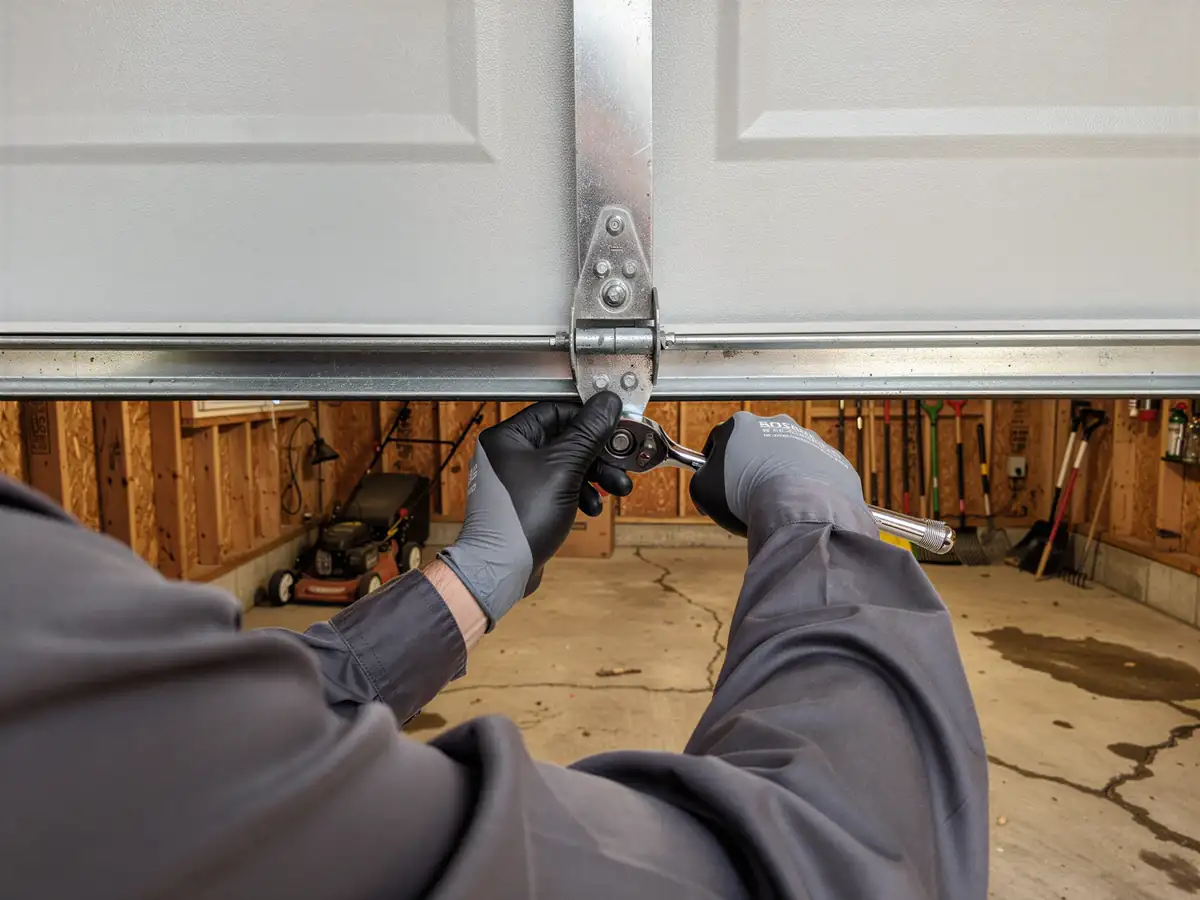
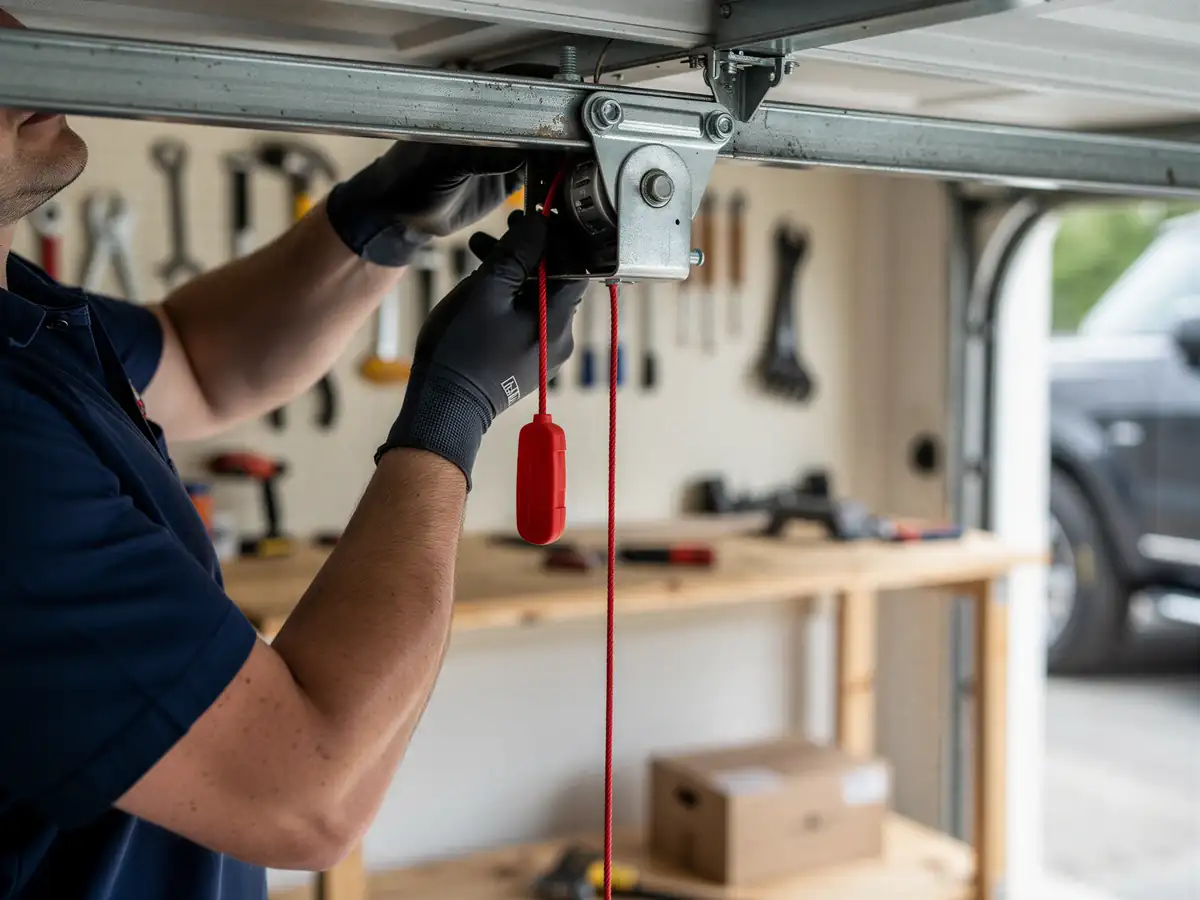
No ice working into the track, no road salt. What it does instead is corrode springs and rollers slowly, year over year, until a spring lets go without much warning. On a 1970s-era door that's had one replacement cycle already, the usual failure is a torsion spring at the end of its wind count, a bottom bracket worn loose, or a cable that's frayed at the drum.
The fix is almost always the same shape
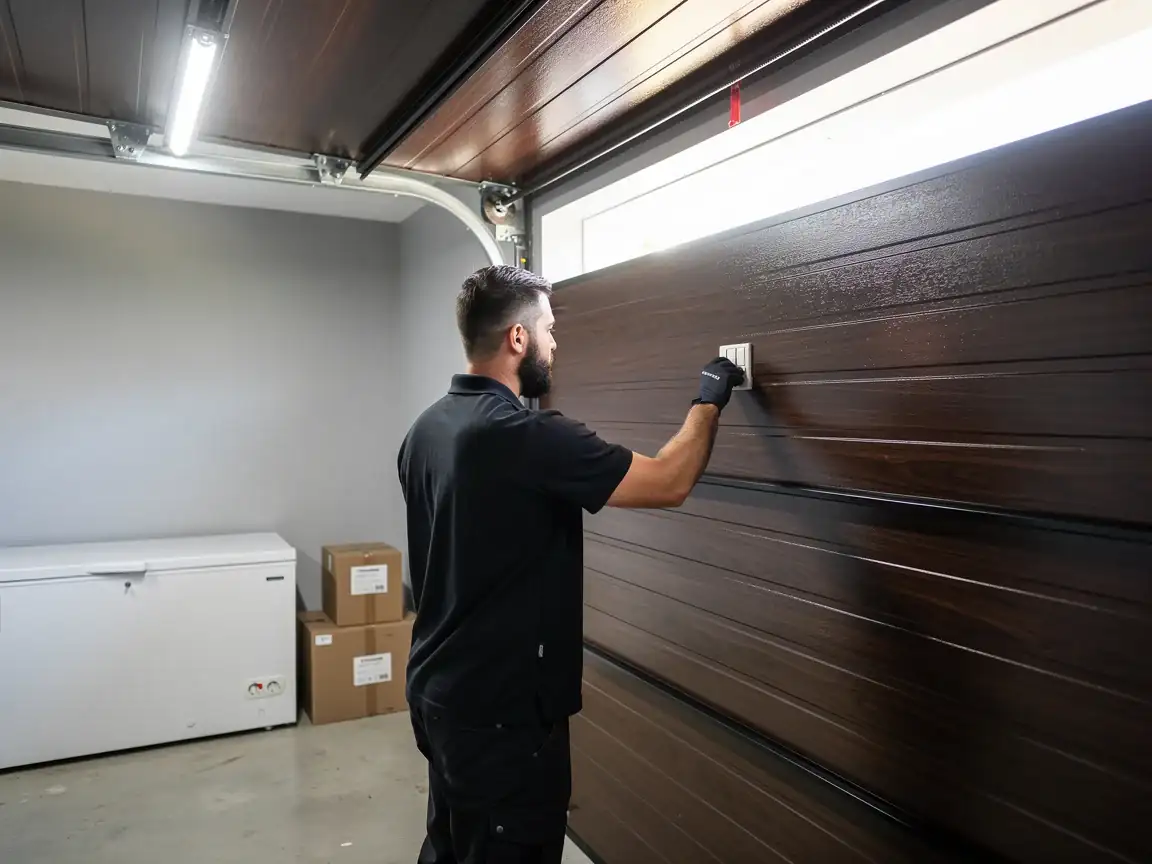
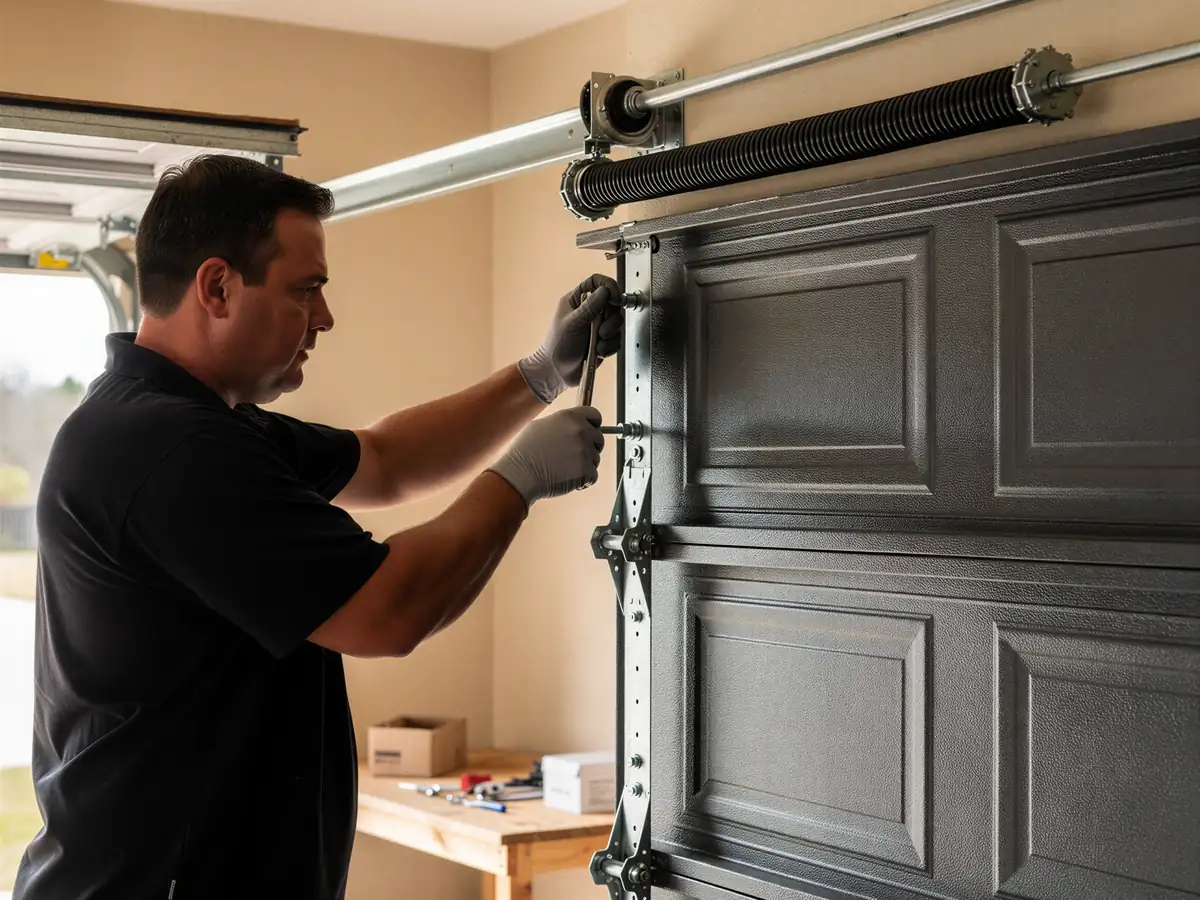
Pull the old spring, measure the door weight and wind the new one to match, check the cables and rollers while the door's open, and run it through a full cycle before we leave. A full teardown and panel replacement is rare for a door this age unless water or impact damage is involved - we won't quote you a new door when a spring and a cable will get another decade out of what's there.
What It Costs
Atlantis households report a median income of $111,750, well above the $92,325 median across our wider service area of 149,301 households. That matters for one decision: whether to repair or replace. At this income level, replacing a door outright is a real option most homeowners here can actually weigh against a repair, rather than defaulting to the cheapest fix because that's all the budget allows.
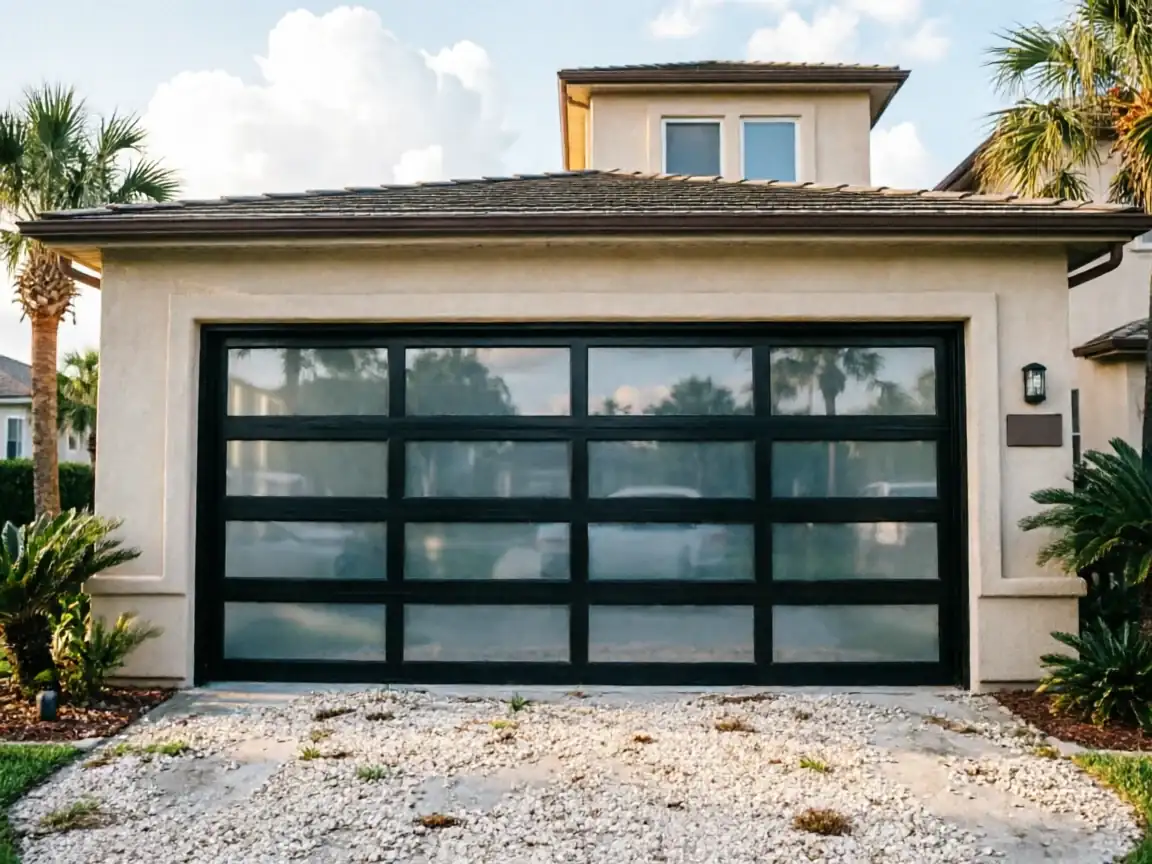
Still, the math usually favors repair first. A torsion spring and cable job on a standard steel door almost always costs less than a new door and opener, and on a house built around 1977 the opening itself is a standard size - no custom door pricing involved. We'll tell you flat out when a repair isn't worth it: if the door has taken water damage or the track is bent beyond adjustment, replacement is the honest answer, and we'd rather say that than sell you a spring that buys six more months.