Booking a Visit
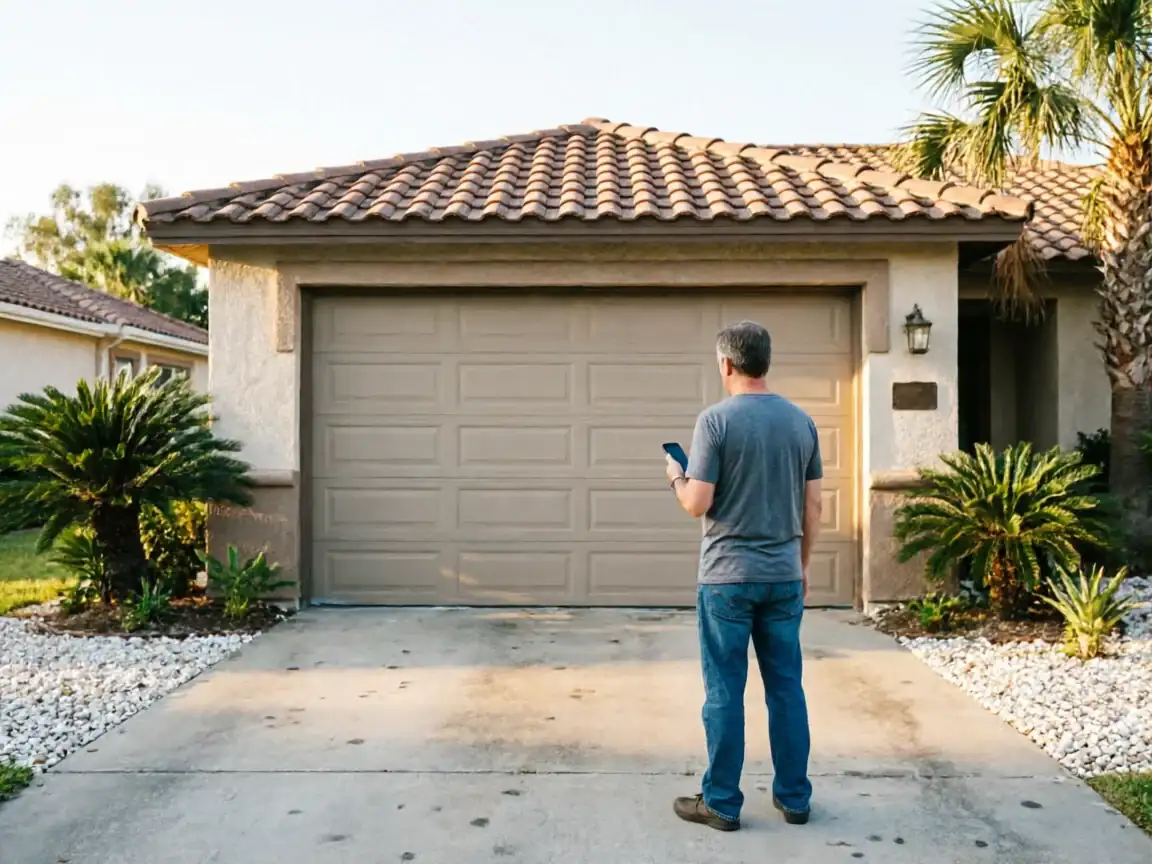
Atlantis sits about 5 miles from our Boynton Beach shop, which is close enough that a roller job here fits into the same afternoon as two or three other calls without us rearranging the whole day. That matters more than it sounds - a short drive means we're not quoting you a half-day window just to cover travel, and if you call early we can usually work you into that day's run rather than the next one. With only 857 households in Atlantis, we're not out here every day the way we are in denser parts of the service area, so when you do call, tell us the door's make and roughly how old the garage is. That one detail lets us bring the right roller stems and track hardware on the first trip instead of a second one.
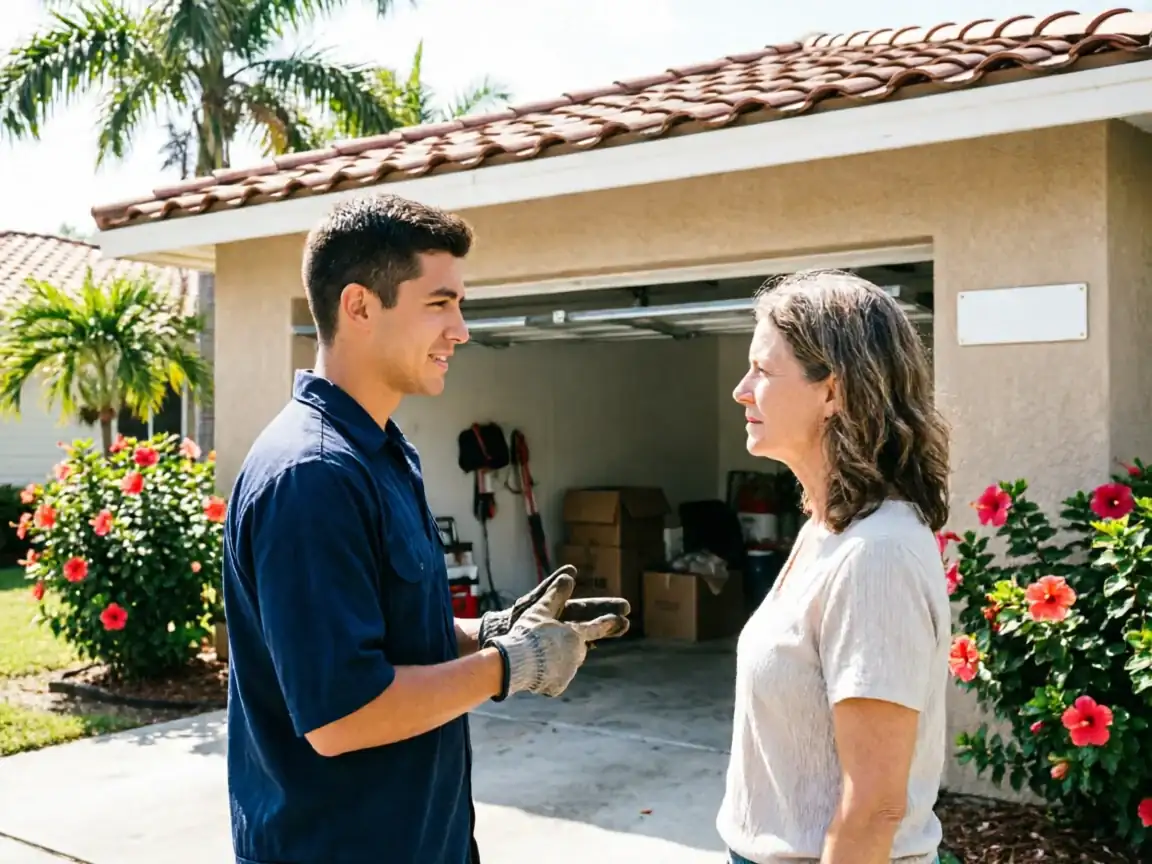
We book the visit the same way for every stop on the route from Boynton Beach: a look at the door, a diagnosis on the spot, and a straight answer about whether rollers are really the problem or whether something else - a bent track, a dying opener - is doing the damage that looks like a roller issue.
Stocked Parts
Atlantis homes carry a median build year of 1977, right in the stretch of 1965-2005 construction that defines this part of the county. Doors from that era were set up with steel rollers on steel tracks, and over the decades a lot of them got swapped - by a prior owner or a handyman - for cheap nylon rollers that weren't sized to the original track width. That mismatch is one of the most common roller calls we run from Boynton Beach out to this side of the service area.
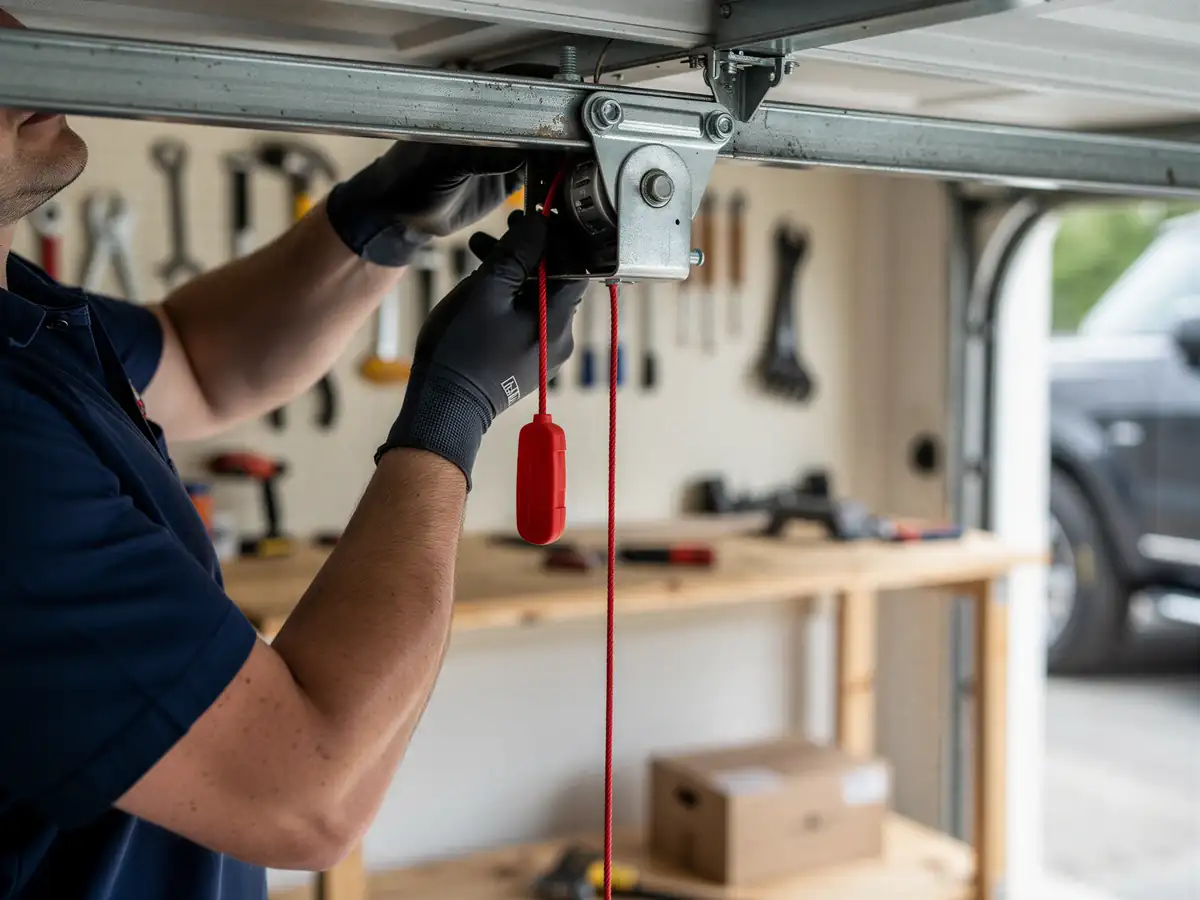
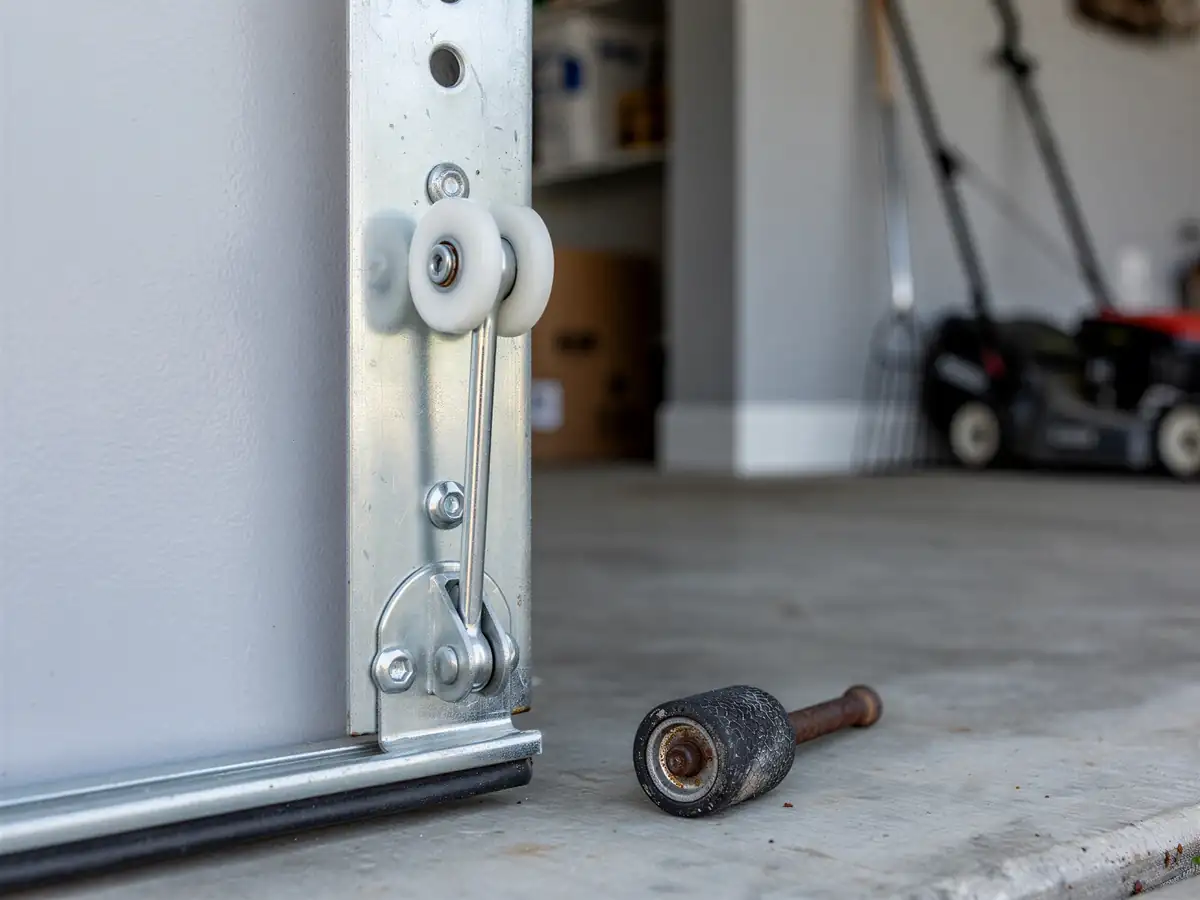
We carry both 7-ball nylon rollers and sealed steel rollers on the truck, in the stem lengths that fit 1970s-era track hardware, because guessing wrong on stem length means a second trip. The mild, temperate climate out here doesn't put the kind of moisture stress on rollers that you'd see further north, so corrosion isn't usually the driver - it's age, mismatched parts, or a track that's slightly out of plumb and chewing up whatever roller is in it. We'll tell you which one we're looking at before we start swapping parts.
What the Fix Involves
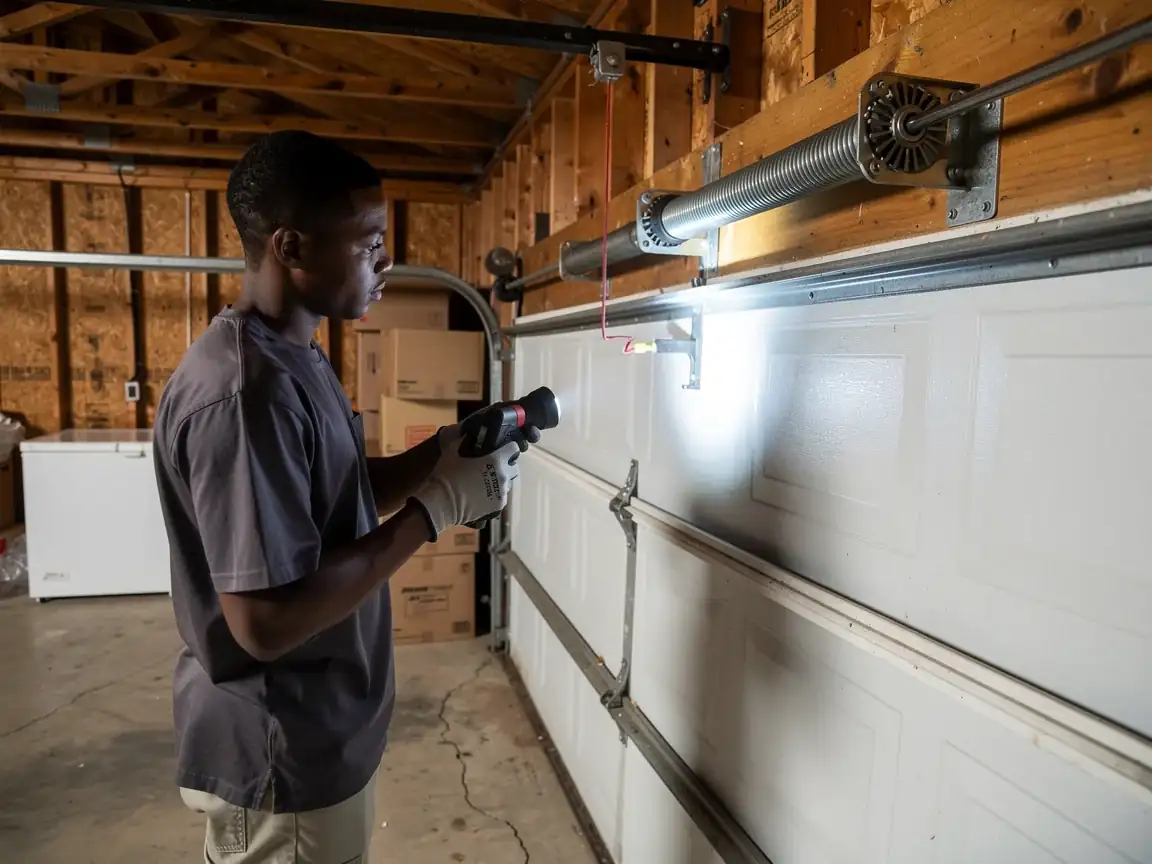
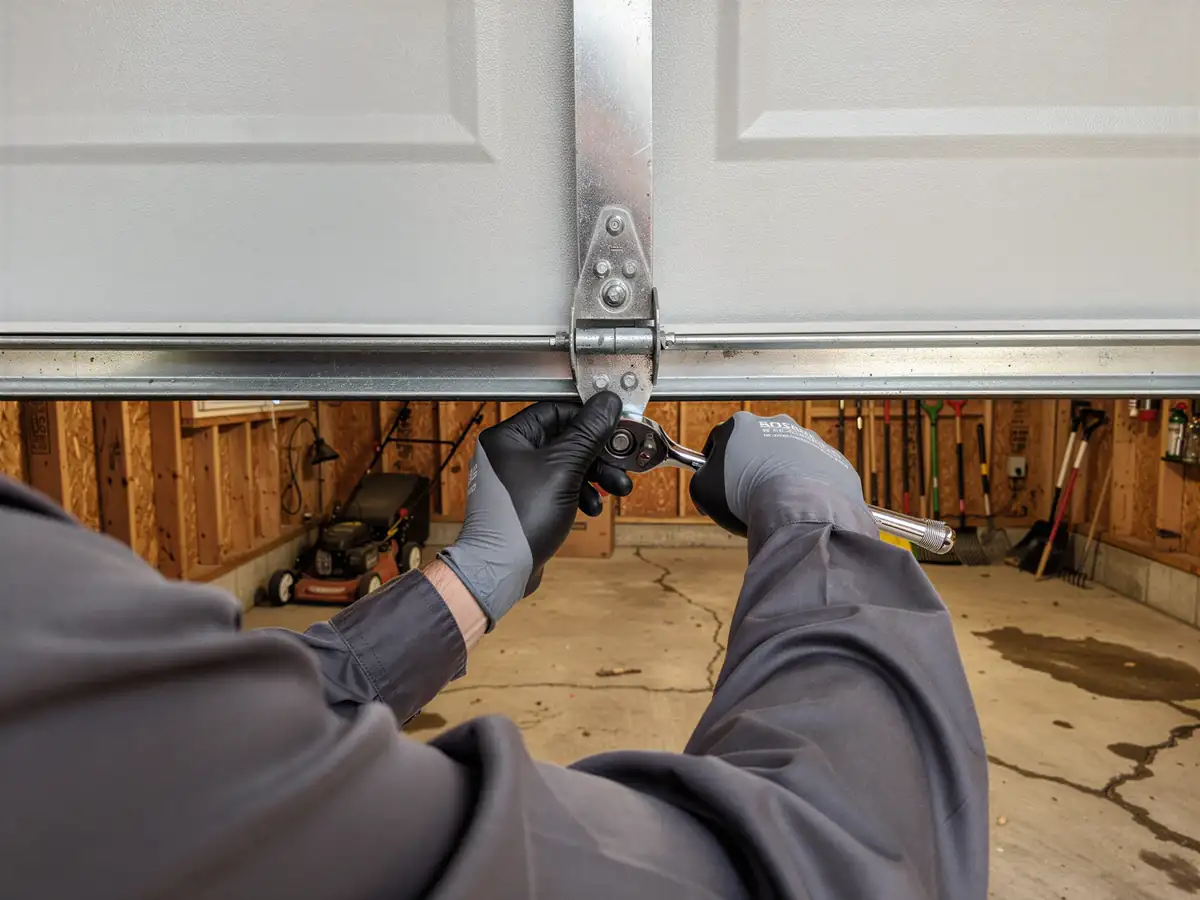
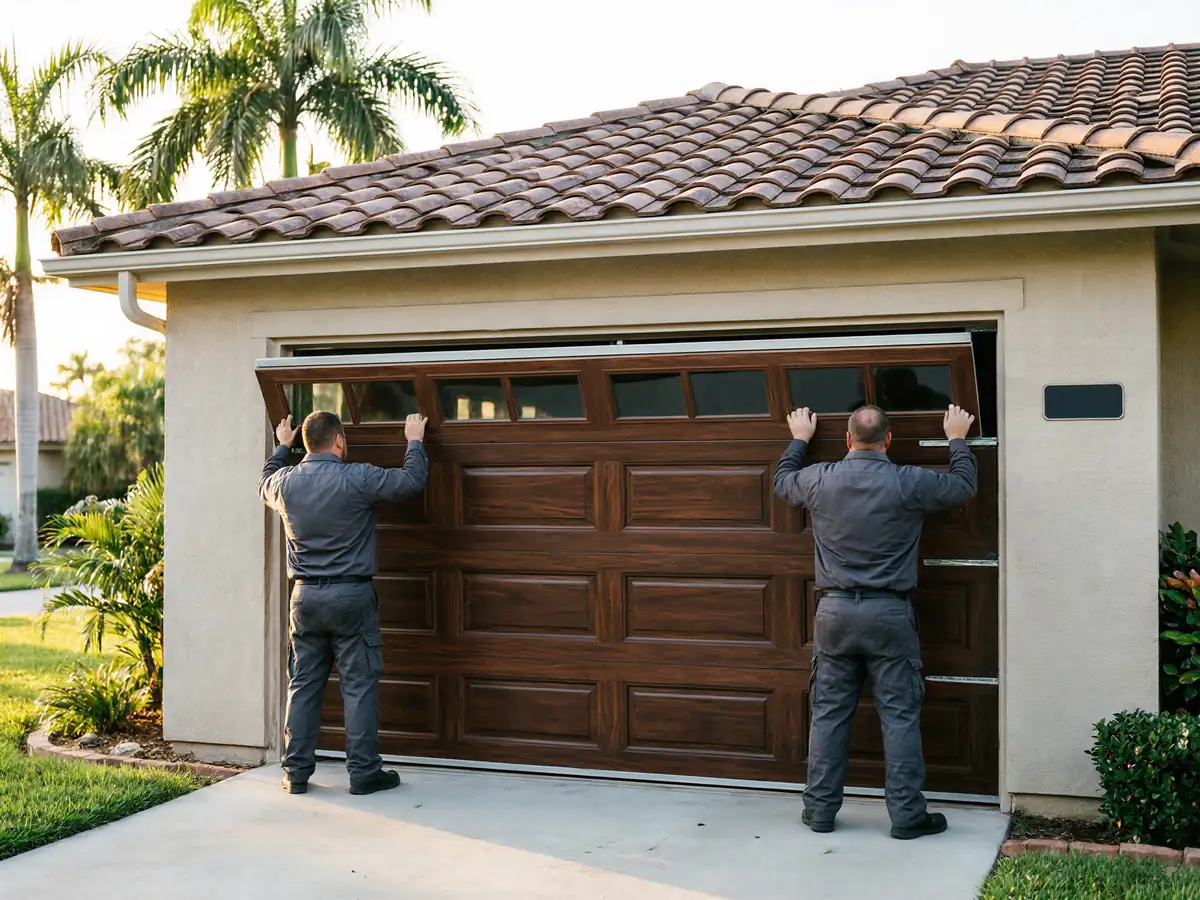
Roller replacement on a door from the 1977 construction window usually means pulling the old rollers out of the track one at a time, starting at the bottom section
So the door stays supported and doesn't drop while we're mid-job. If the track itself is bent or the brackets are loose - common on original hardware that's 45-plus years old - we true up or replace that bracket before the new roller goes in, because a new roller in a bent track just wears out again in a year.
On a double door, both tracks get checked even if only one side is making noise
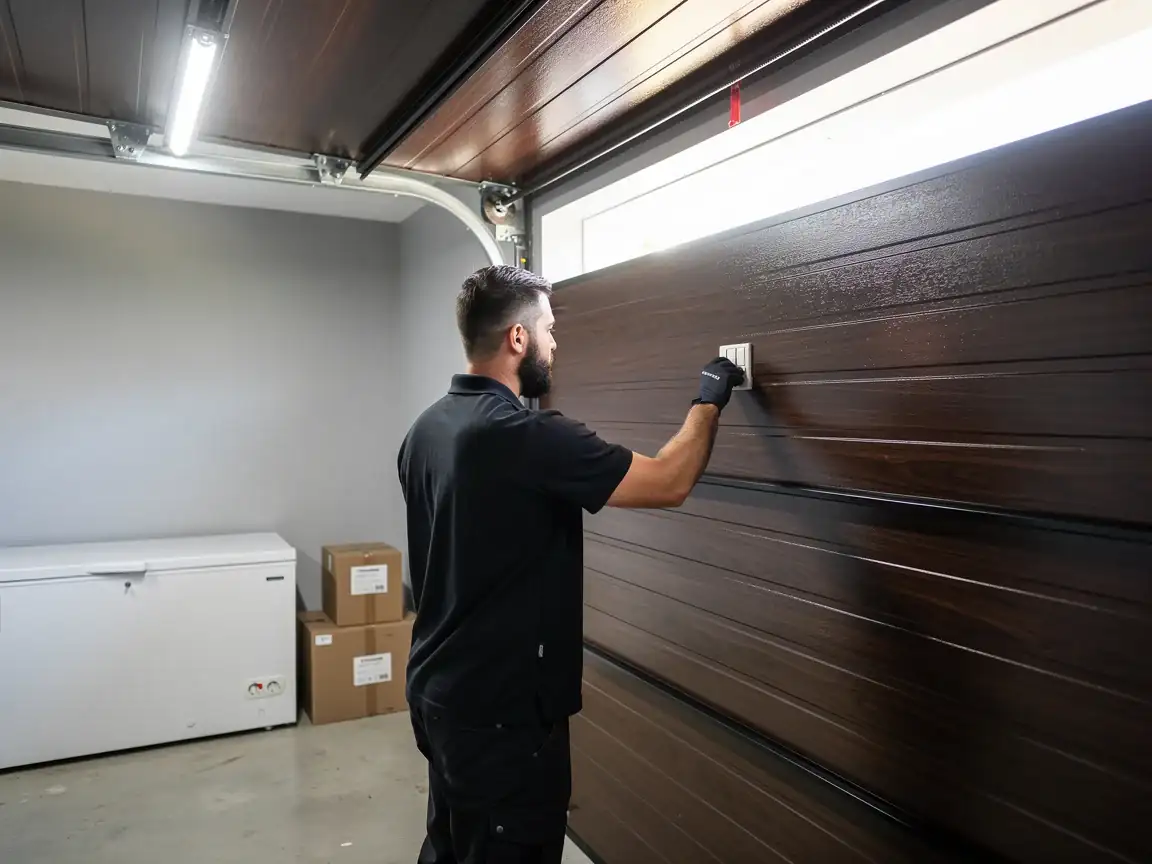
Since a roller failing on one side often means the other side is close behind on a door this age. We test the door through a full open-close cycle under power before we call it done, listening for the grind or catch that brought you to call in the first place. If what we find during that walkthrough points to a spring or opener problem instead of rollers, we'll say so rather than replace parts that won't fix the noise.
What It Costs
We don't post a flat roller price here because it depends on how many rollers need replacing, whether it's nylon or steel, and whether the track or brackets need work alongside them - and that's not something we can price site-unseen for a door we haven't looked at. What we can tell you is that Atlantis households run a median income well above the broader service area, and that doesn't change what we charge; a roller job here costs the same as the identical job in Boynton Beach, since you're paying for the parts and the labor, not the ZIP code.
One honest limit: if your door is original to a 1977-era build and the track is warped badly enough, replacing rollers alone sometimes isn't worth it - you're better off putting that money toward new track and letting the rollers follow. We'll tell you straight if that's what we're looking at rather than selling you rollers that won't hold.