Booking a Visit
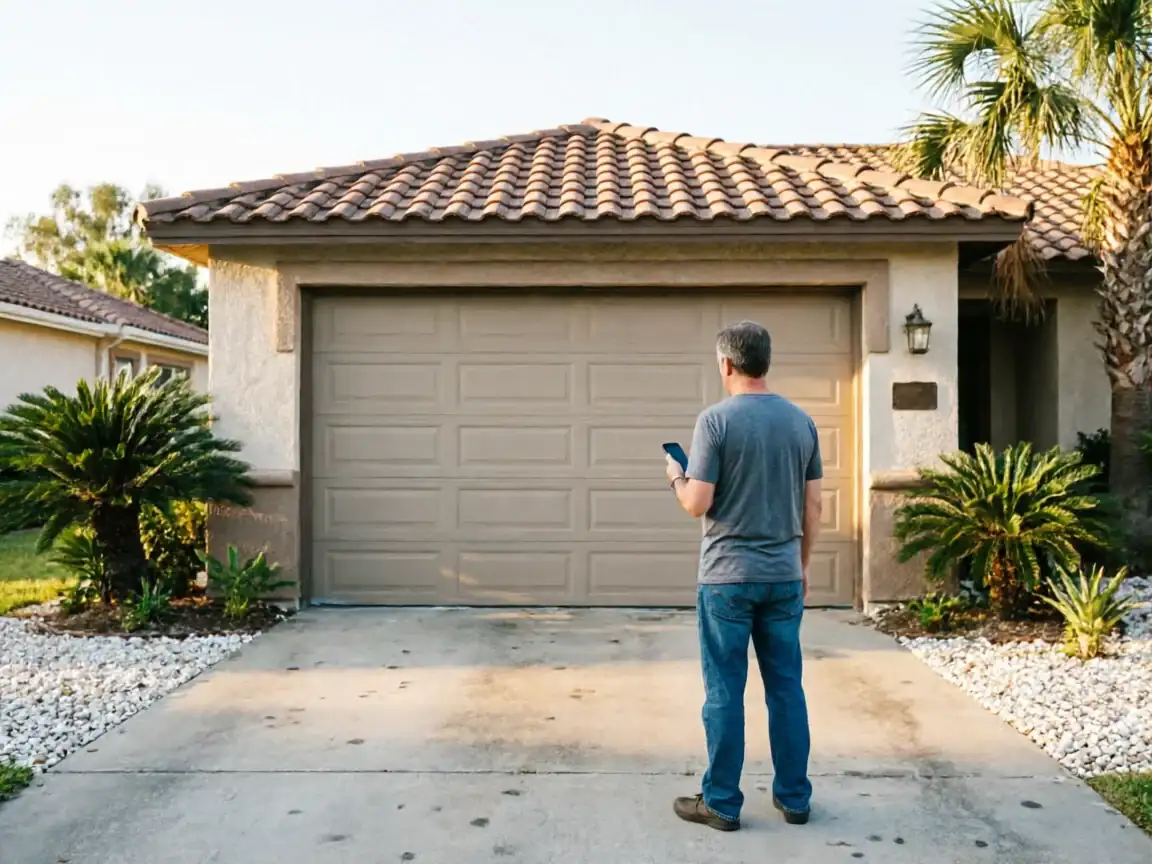
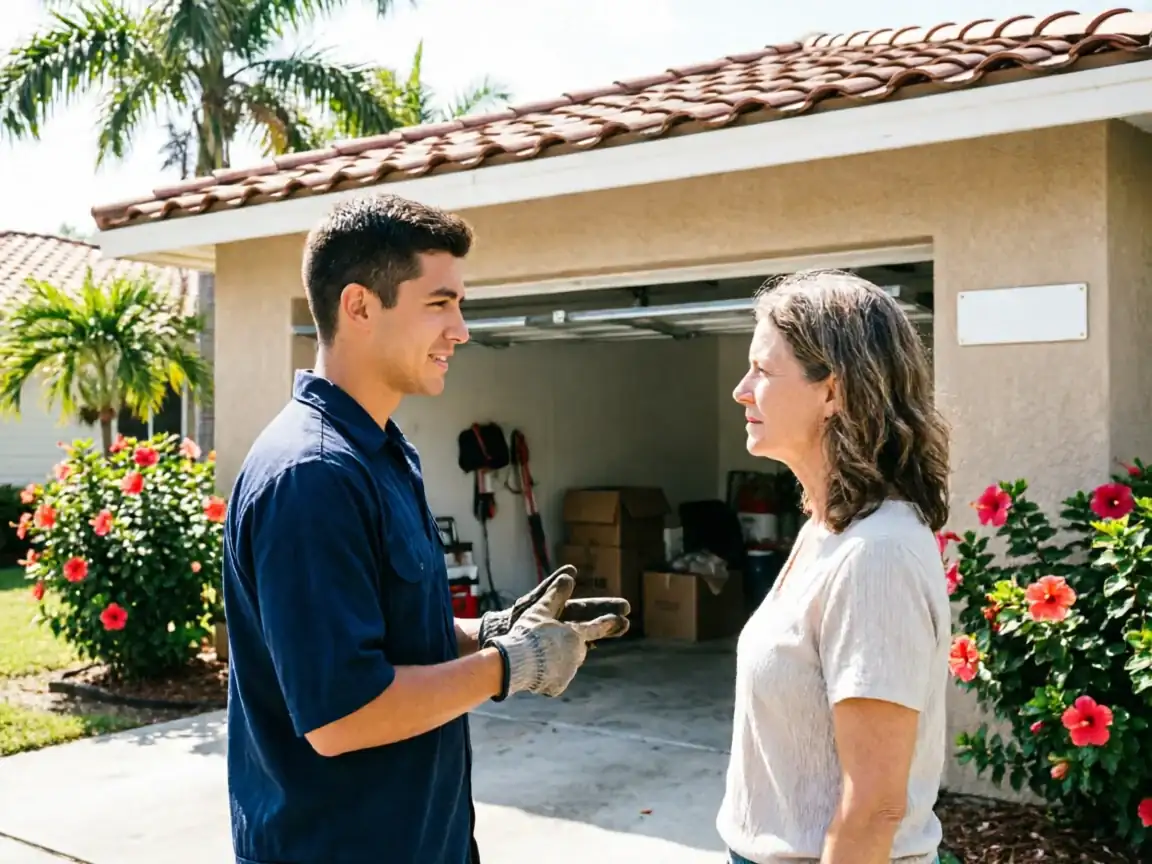
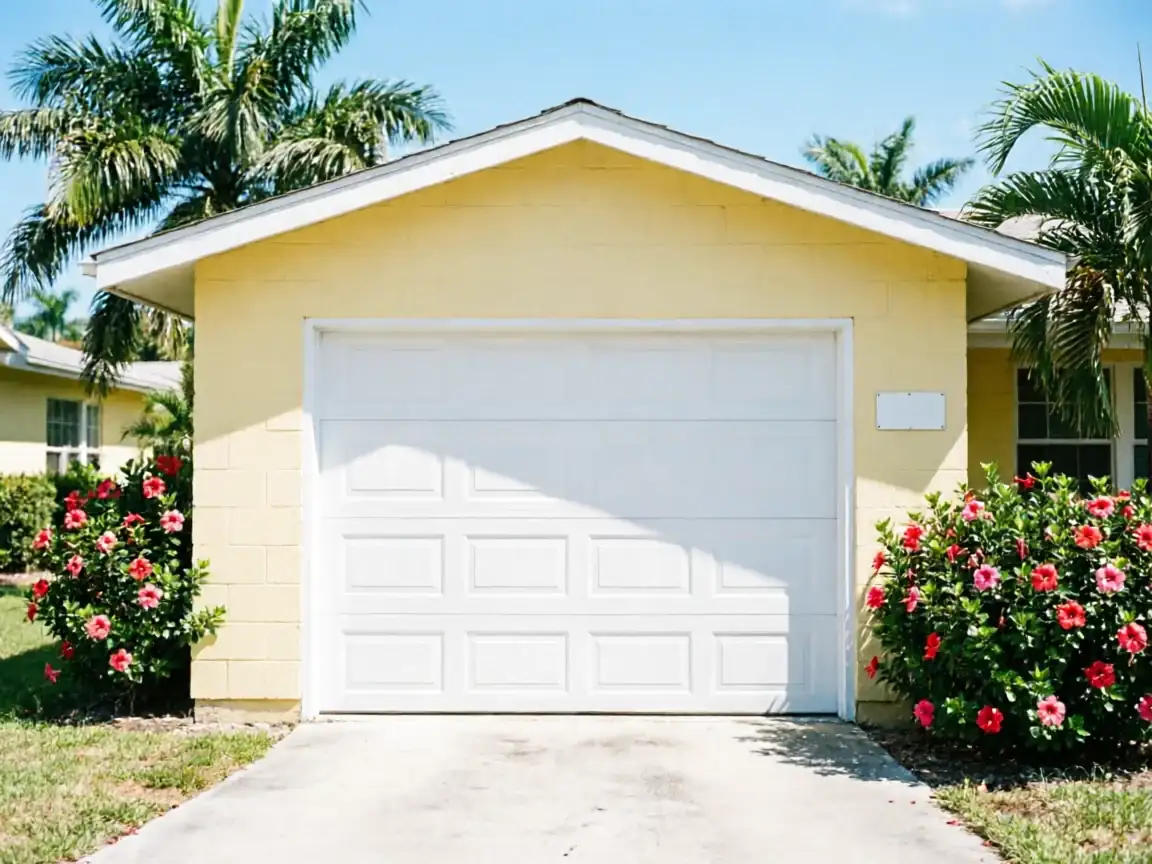
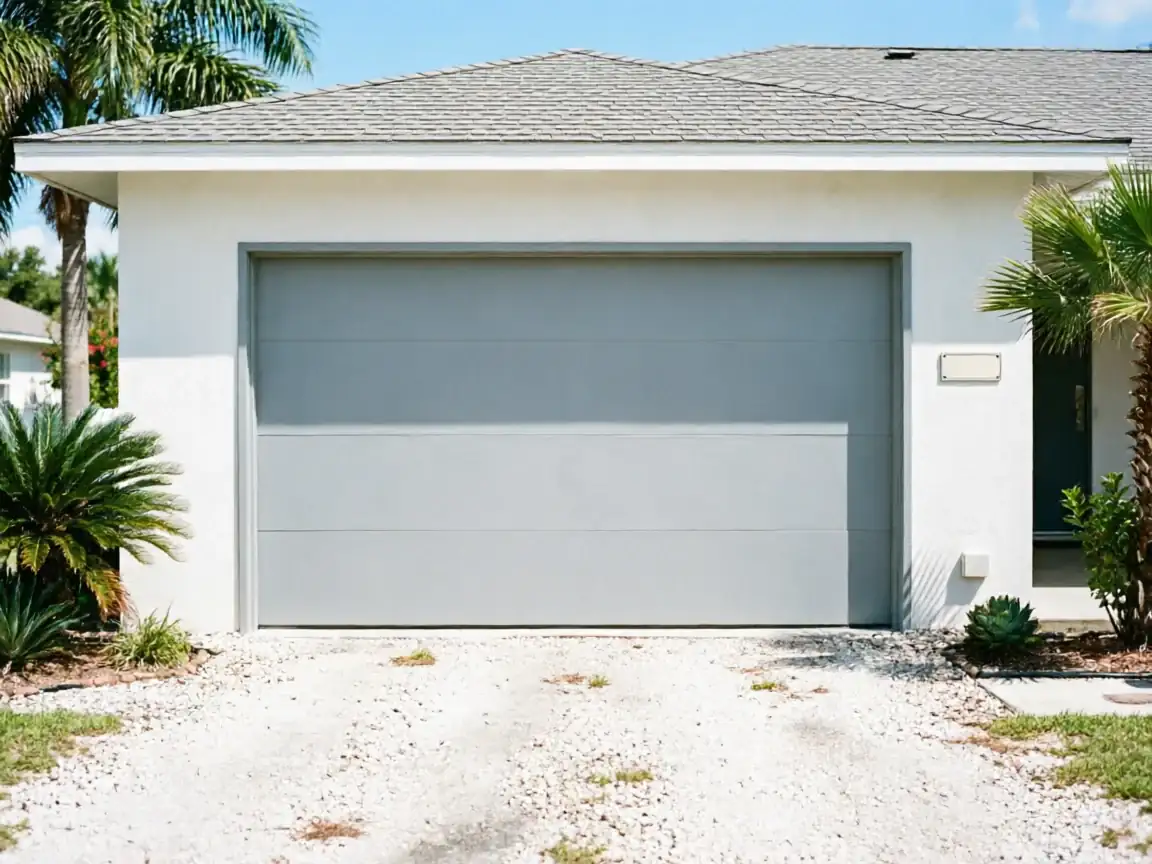
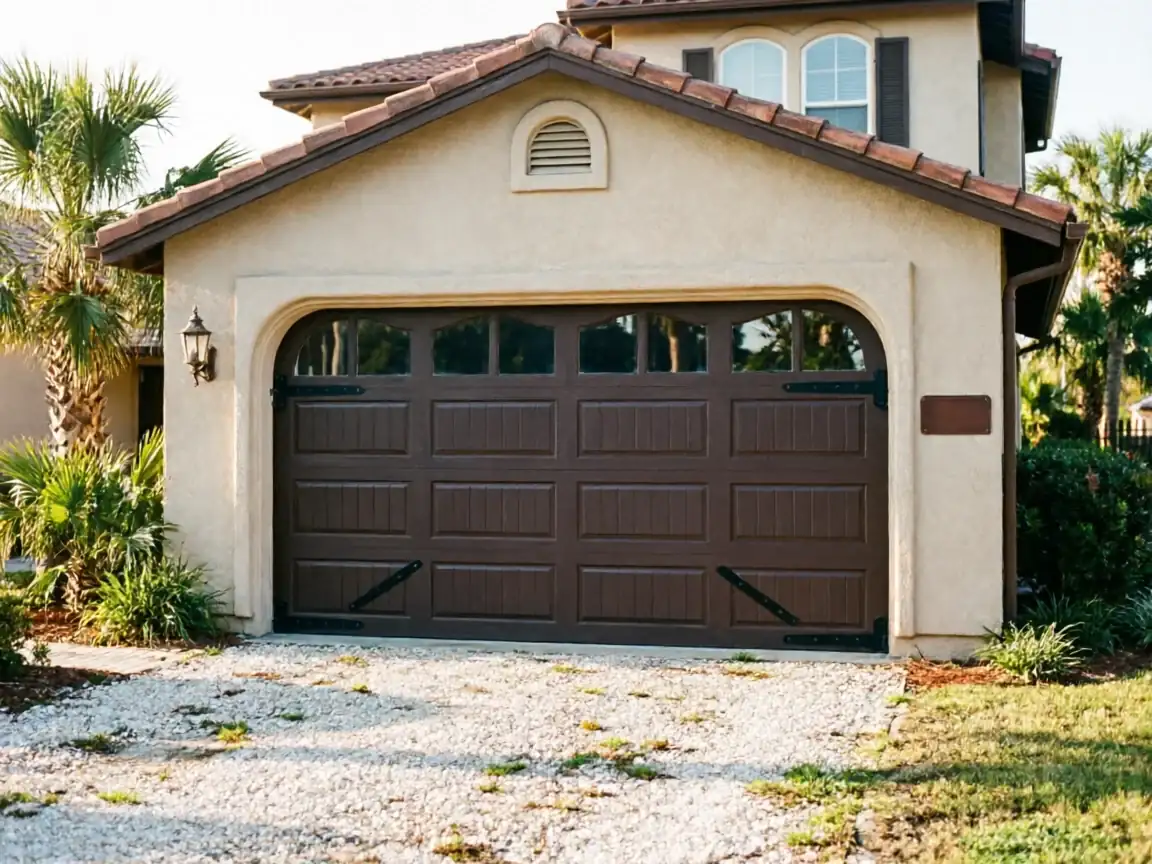
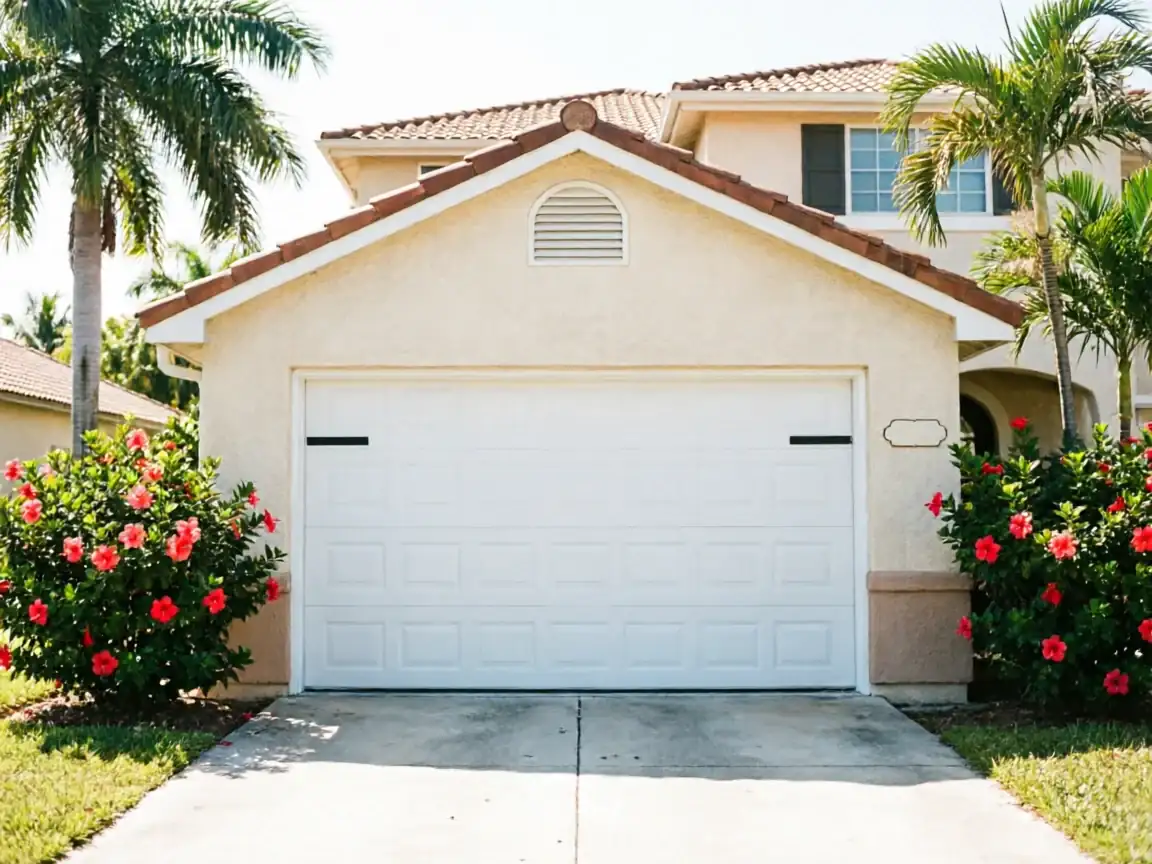
Atlantis sits about 5 miles from our Boynton Beach shop, and most of the homes we get called to here went up around 1977 - single-family lots with a two-car garage and a door that's original or close to it. With roughly 857 households in Atlantis, it's a small, tight market, and a lot of these garages still run the opener that came with the house: a chain-drive unit on a bracket that's outlived its gears. Tell us the door's width (most are 16-foot doubles or 9-foot singles) and whether the opener currently runs at all. That's enough for us to load the right unit and rail length before we leave Boynton Beach, so we're not making a second trip for a part we should have brought the first time.
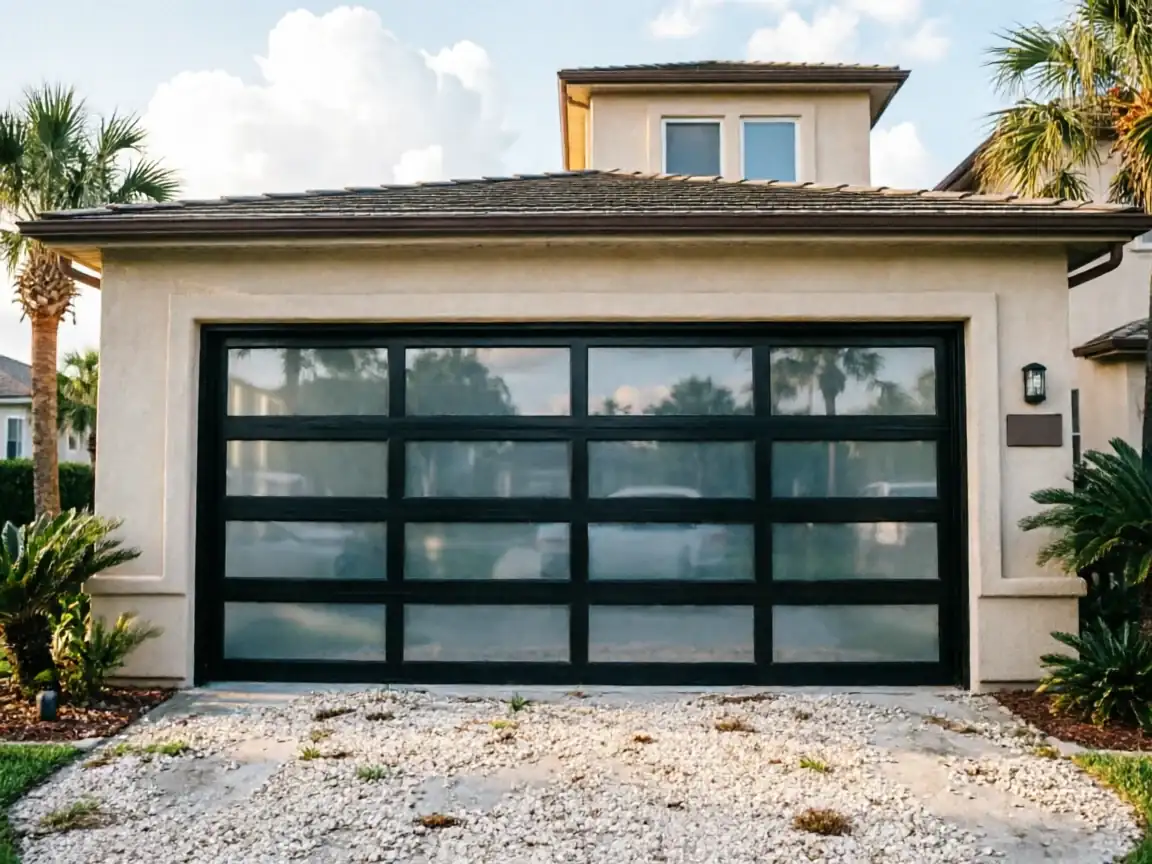
Household income in Atlantis runs near $111,750, well above the wider service area's $92,325, and we see that reflected in what people ask for - more belt-drive and smart-opener requests than chain-drive replacements. We'll ask a few questions on the phone about the door's weight and whether it's insulated, since that changes which motor size actually works.
Stocked Parts
A door built in 1977 is almost always a steel panel on steel track, no composite skins, no foam-core insulation unless someone's already swapped it out. That matters for opener sizing: an uninsulated steel door this age is lighter than a modern insulated one, so an oversized opener is wasted money and an undersized one burns out early. We carry belt-drive and chain-drive units in the sizes that fit standard 7-foot and 8-foot door heights, plus the longer rail kits that doors with raised ceiling clearance need.
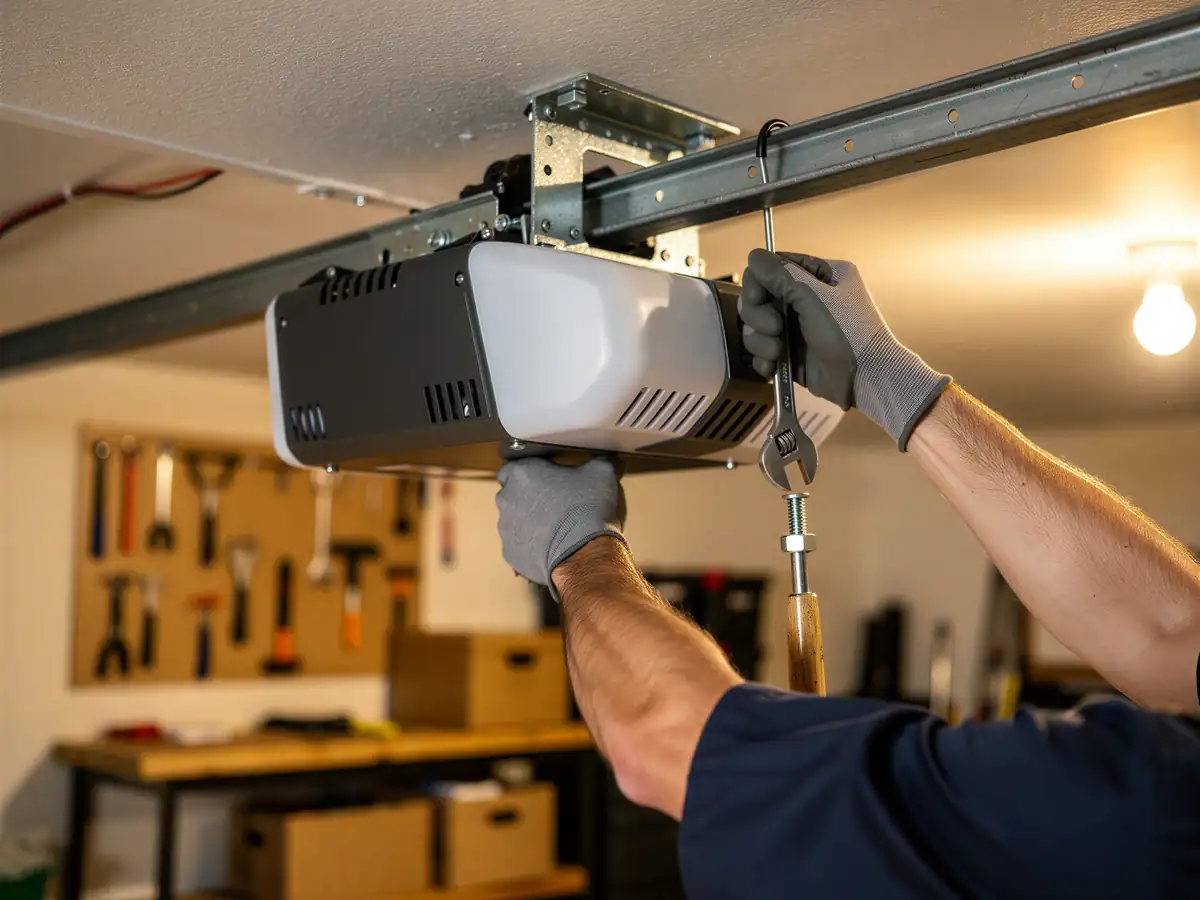
We also stock the mounting hardware that era of garage usually lacks - reinforced header brackets, because the original wood header in a 1970s build wasn't always sized for a modern motor's torque. If your garage has a low ceiling or an unusual header, we bring options on the truck rather than guessing from a photo.
What the Fix Involves
Swapping an opener on a door this age isn't just unbolt-and-bolt-back
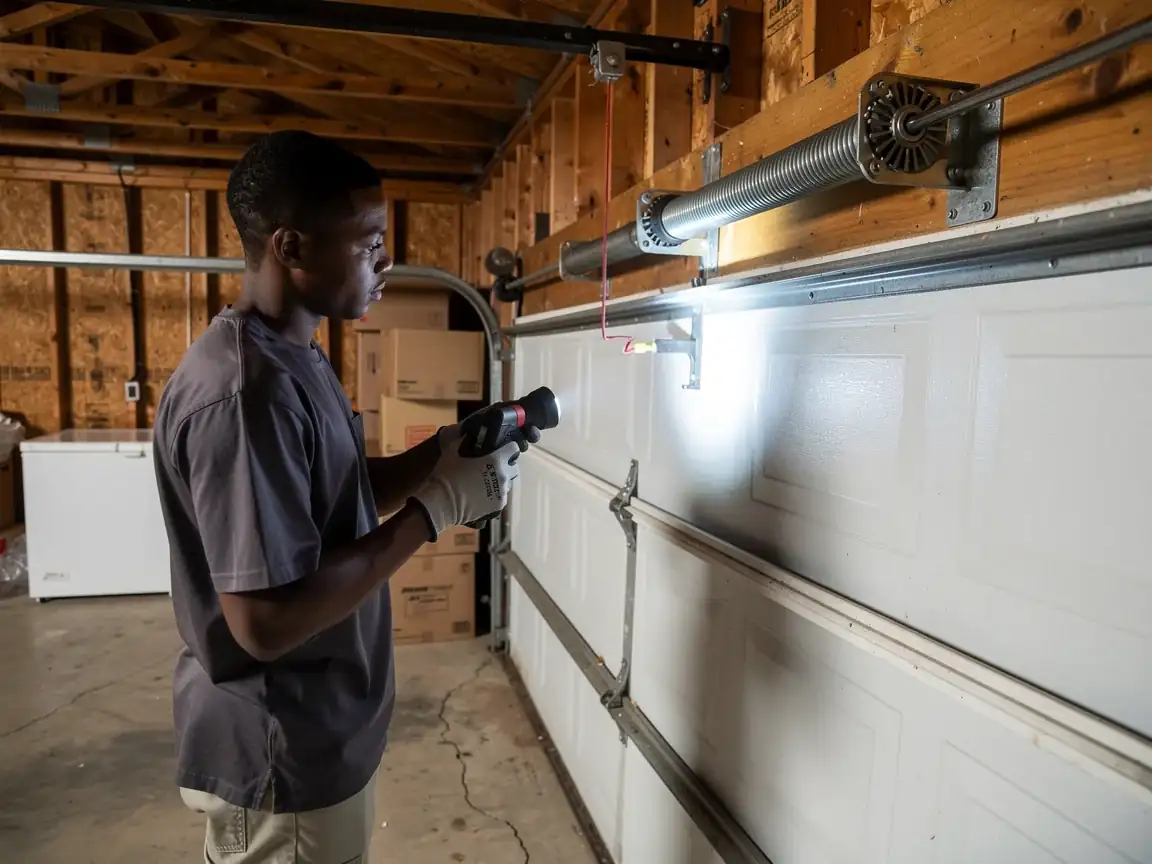
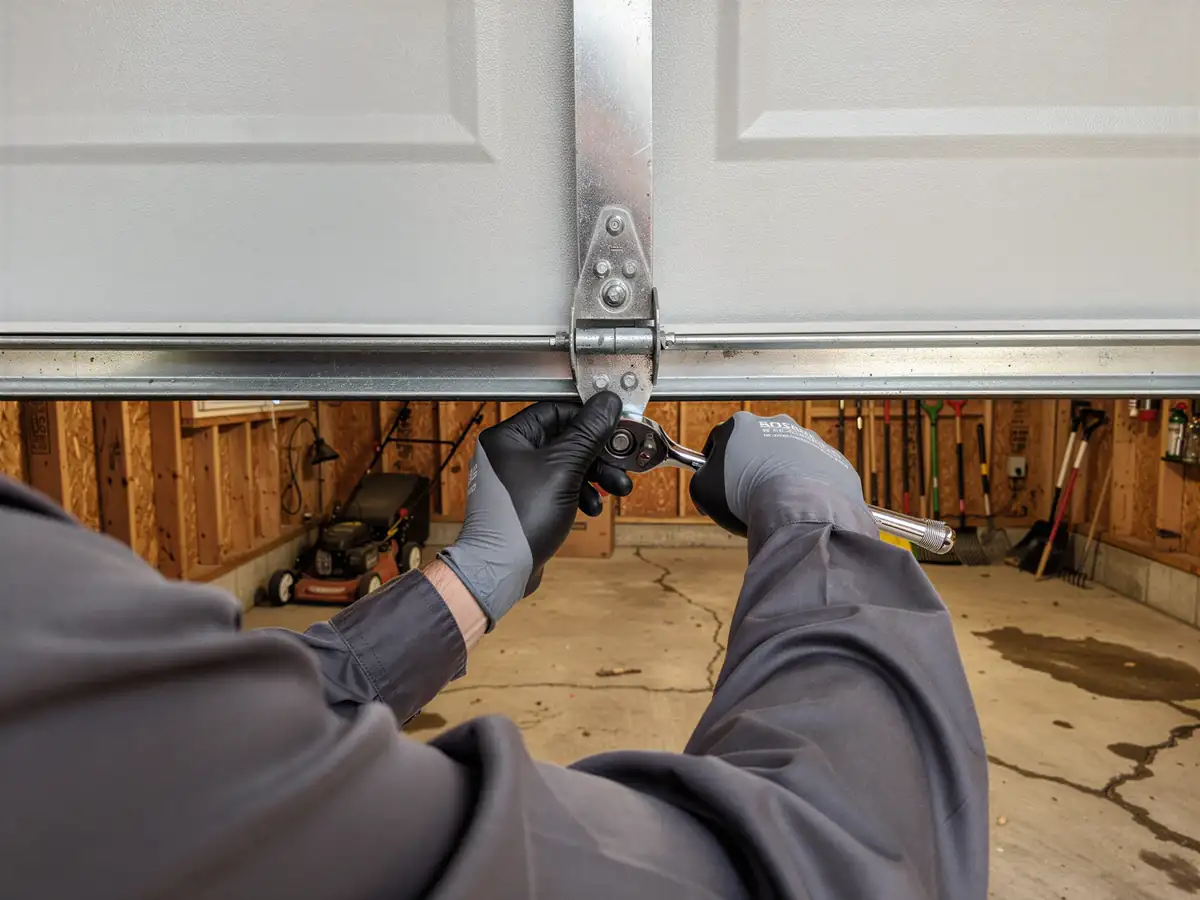
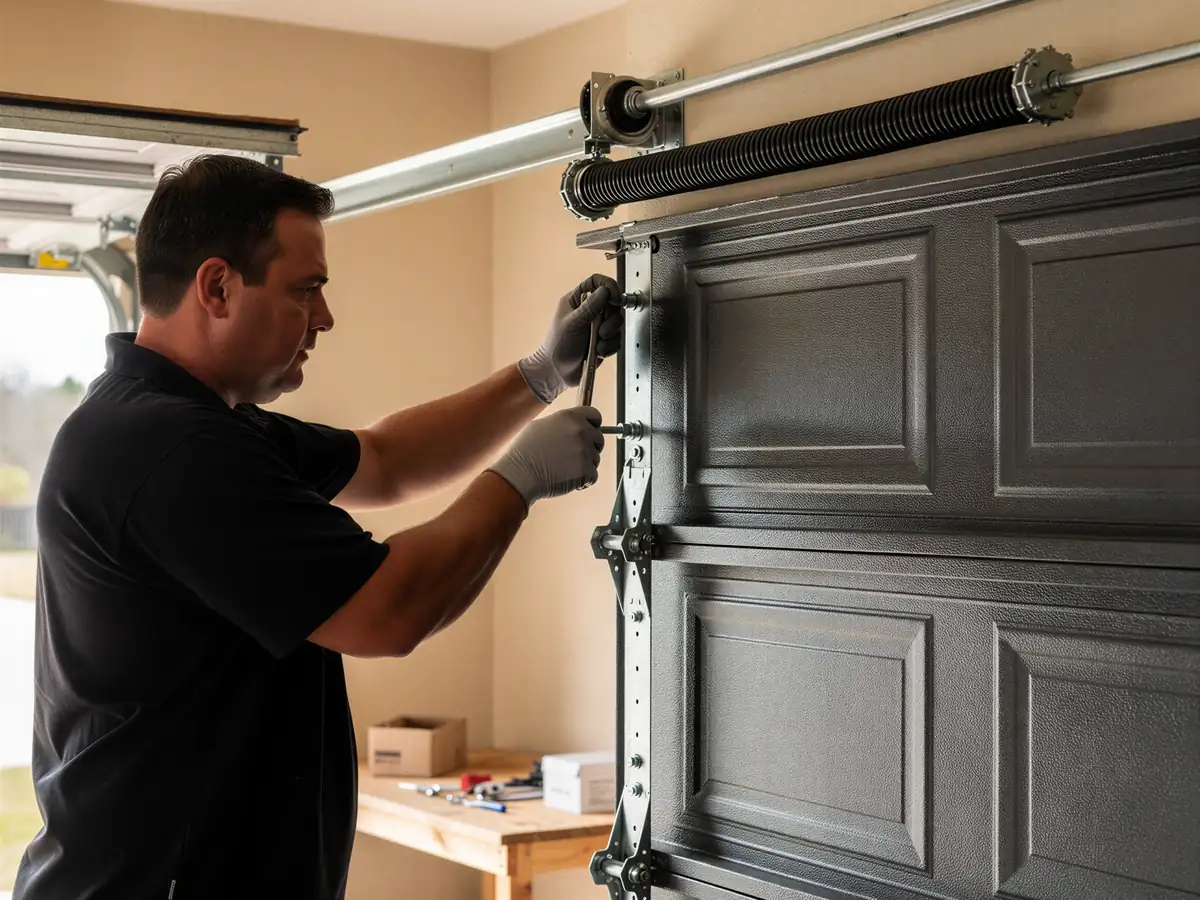
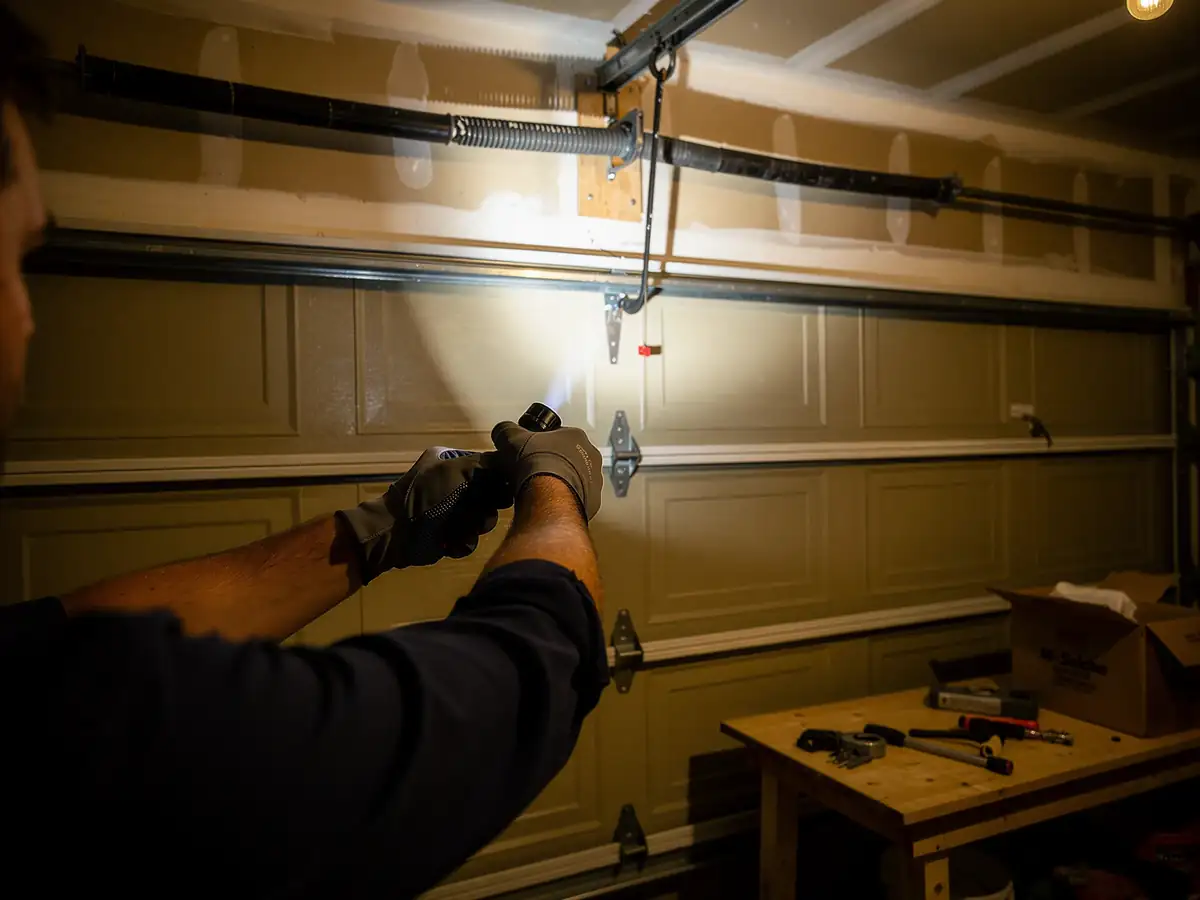
We check the torsion spring and cables first, because an opener fighting worn springs will wear out fast no matter how good it is. Then we confirm the header can carry the new unit's mounting load - some 1977-era headers need a brace added before we hang anything from them.
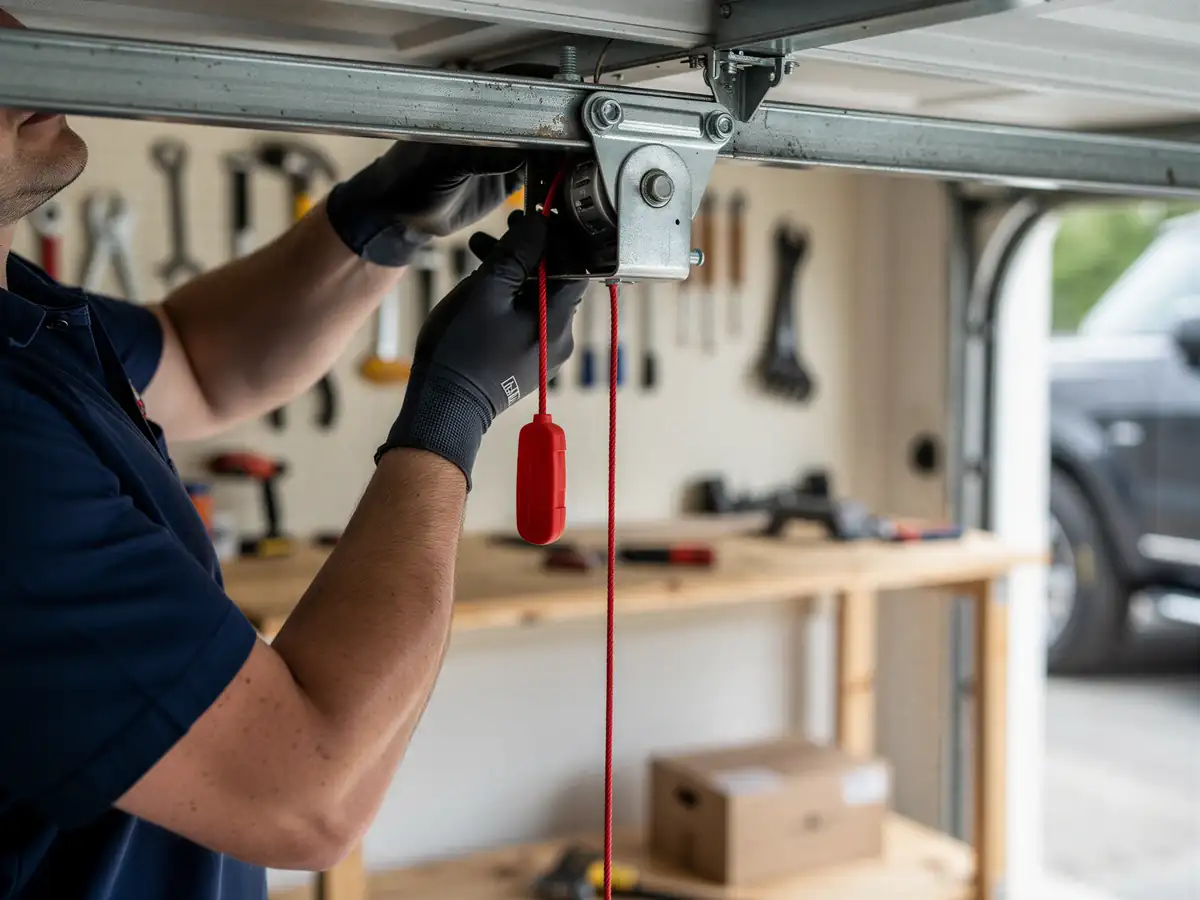
After that it's the rail, the trolley, the safety sensors (often missing or miswired on older installs)
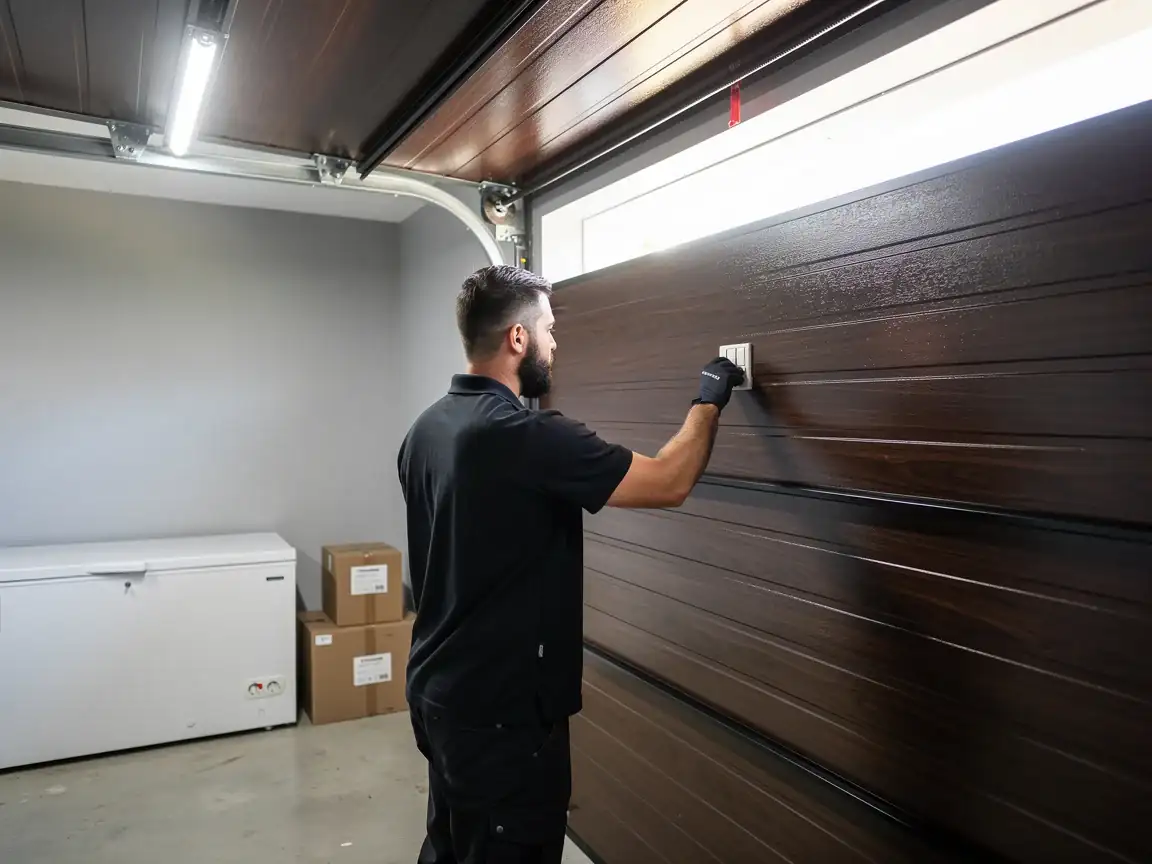
And the wall control. We set travel limits and force settings by hand rather than trusting factory defaults, since a door this age rarely closes at exactly the spec the opener expects. We test the auto-reverse with a real obstruction, not just a visual check, before we call the job done.
One limitation worth saying plainly
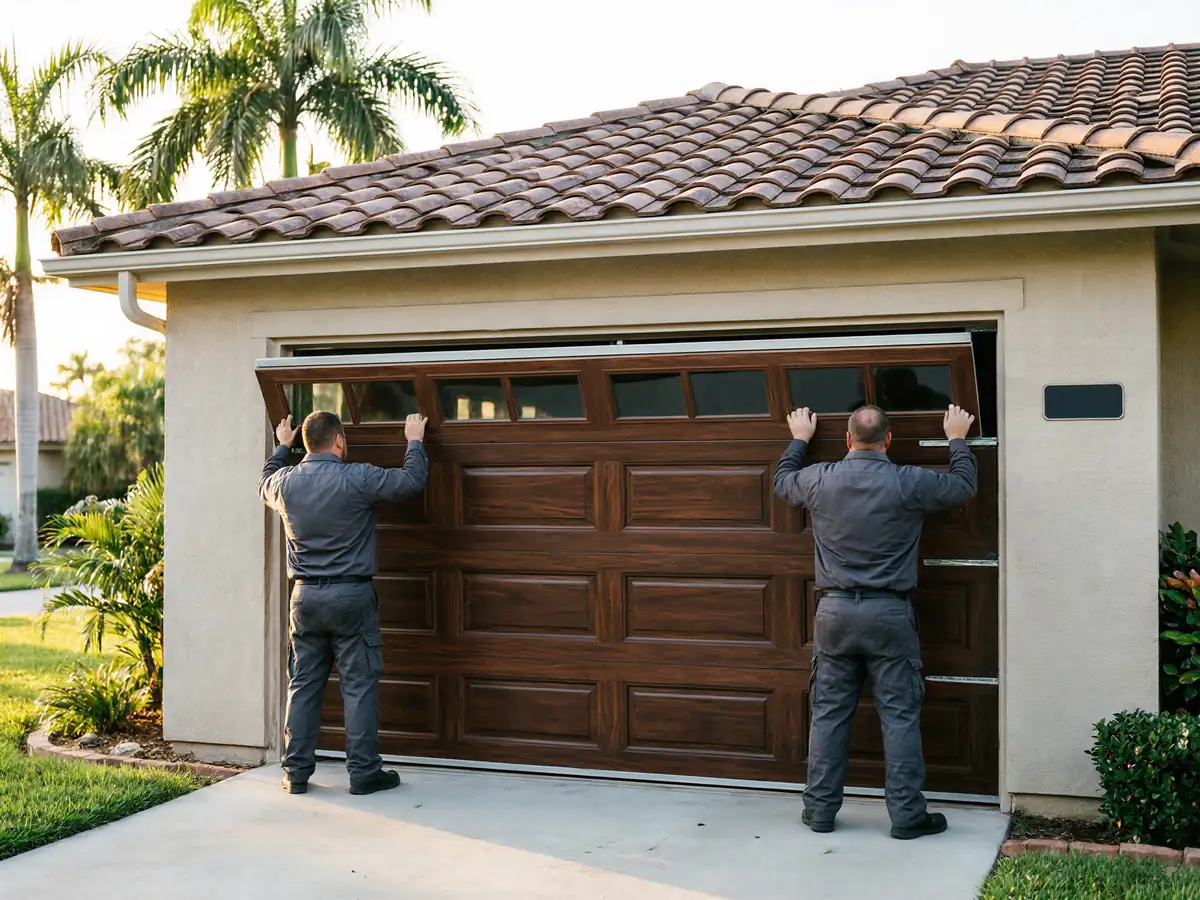
If the door itself is sagging, bowed, or off-track, we'll tell you before we install anything. An opener bolted to a bad door just fails faster, and we'd rather flag that than hand you a warranty claim in six months.
What It Costs
We don't post a flat number for opener installs in Atlantis because the header work and spring condition vary house to house, and we're not going to quote blind over the phone. What we can tell you is that the climate here (F3: mild temperate) doesn't add the cold-weather lubricant or seal issues we'd price for in a harsher climate zone - one less variable working against the install.
We'll give you a firm number on-site once we've looked at the header, the spring set, and which opener size the door actually needs. If the existing bracket and wiring are usable, the job runs faster and cheaper than a full teardown; if they're not, we say so before we start, not after.